Vaginismus: What It Is and How It Is Treated

Woman clutches abdomen, discomfort hinting at vaginal infection.
Vaginismus is the involuntary, reflex-driven contraction of the pelvic floor and vaginal muscles in response to attempted vaginal penetration — making penetration painful, difficult, or impossible. It is estimated to affect 1 to 7% of women and is one of the most commonly undertreated sexual pain conditions in India.
The undertreatment has multiple causes: the condition is rarely discussed openly, women blame themselves, partners are frustrated or unknowingly make it worse, and many women reach their gynaecologist only after years of suffering — or after problems with consummating marriage are disclosed.
Vaginismus is not a character flaw, a failure of willpower, or a sign that a woman does not want intercourse. It is a conditioned reflex — the pelvic floor muscles contract protectively before penetration occurs, in a pattern that was established by an initial painful experience, fear, anxiety, or trauma. The reflex then perpetuates itself.
The critical fact: vaginismus is highly treatable, with success rates above 90% in women who complete treatment.
Dr. Shachi Singh, consultant gynaecologist at Prakash Hospital, Sector 33, Noida, explains.
Primary vs Secondary Vaginismus
Primary vaginismus: The woman has never been able to achieve comfortable penetration — not with a partner, not with tampons, not with a gynaecological examination. Often goes undiagnosed for years, with speculum examinations avoided or performed with significant difficulty.
Secondary vaginismus: Develops after a period of pain-free penetration. Triggered by a specific painful experience — a difficult childbirth, a gynaecological procedure, an infection causing painful intercourse, sexual trauma, or relationship breakdown. The muscles tighten reflexively to protect against a perceived threat of pain.
Causes and Contributing Factors
- Fear of pain from penetration
- Sexual trauma or abuse
- Strict religious or cultural upbringing generating anxiety about sex
- Relationship difficulties or poor communication with a partner
- Previous painful experiences — a difficult first intercourse, a speculum examination done without adequate preparation, post-delivery pain
- Vulvodynia (chronic vulvar pain) — the pain creates the protective muscle spasm
- Anxiety disorders
- Body image concerns
How Vaginismus Is Diagnosed
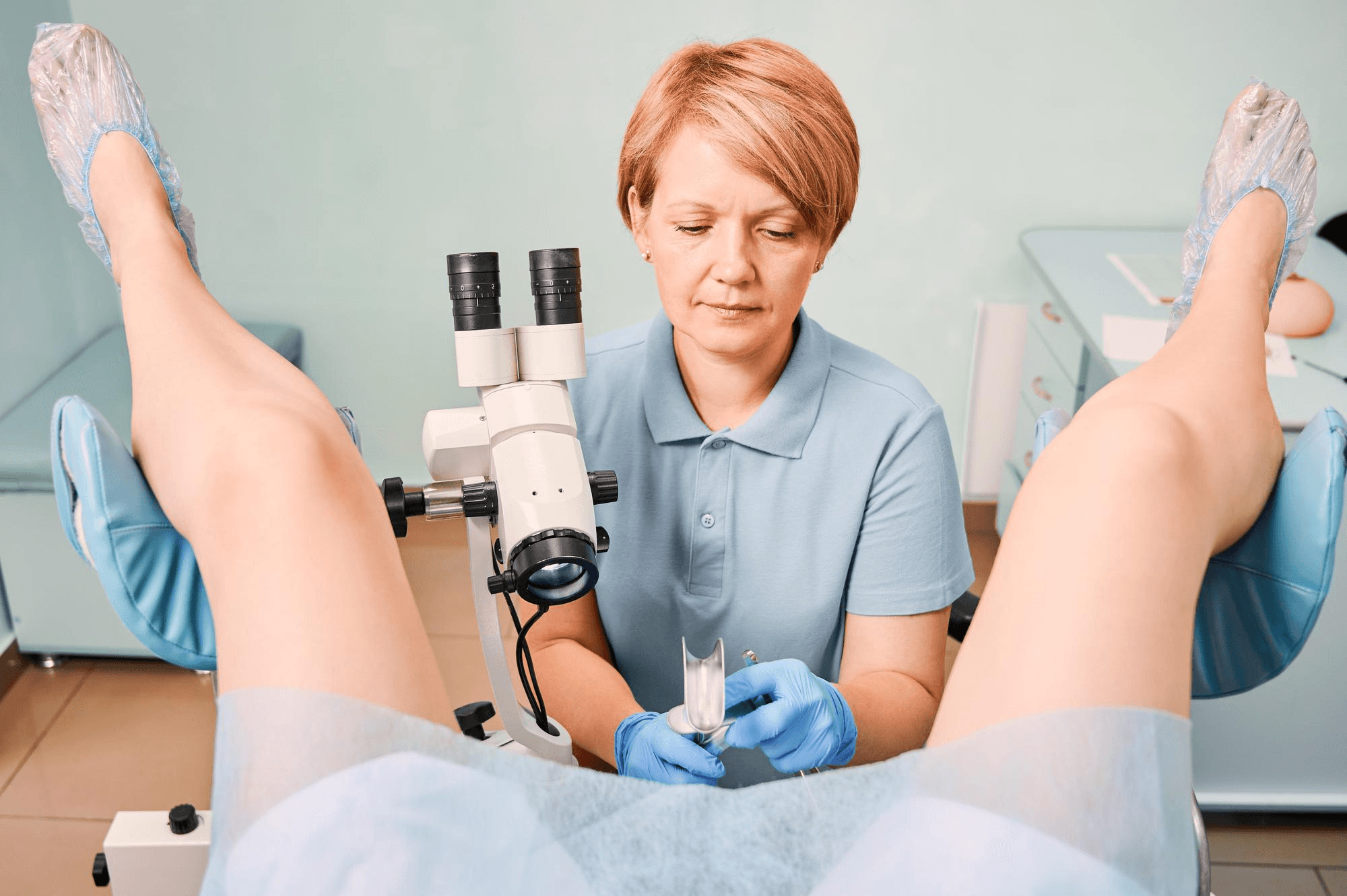
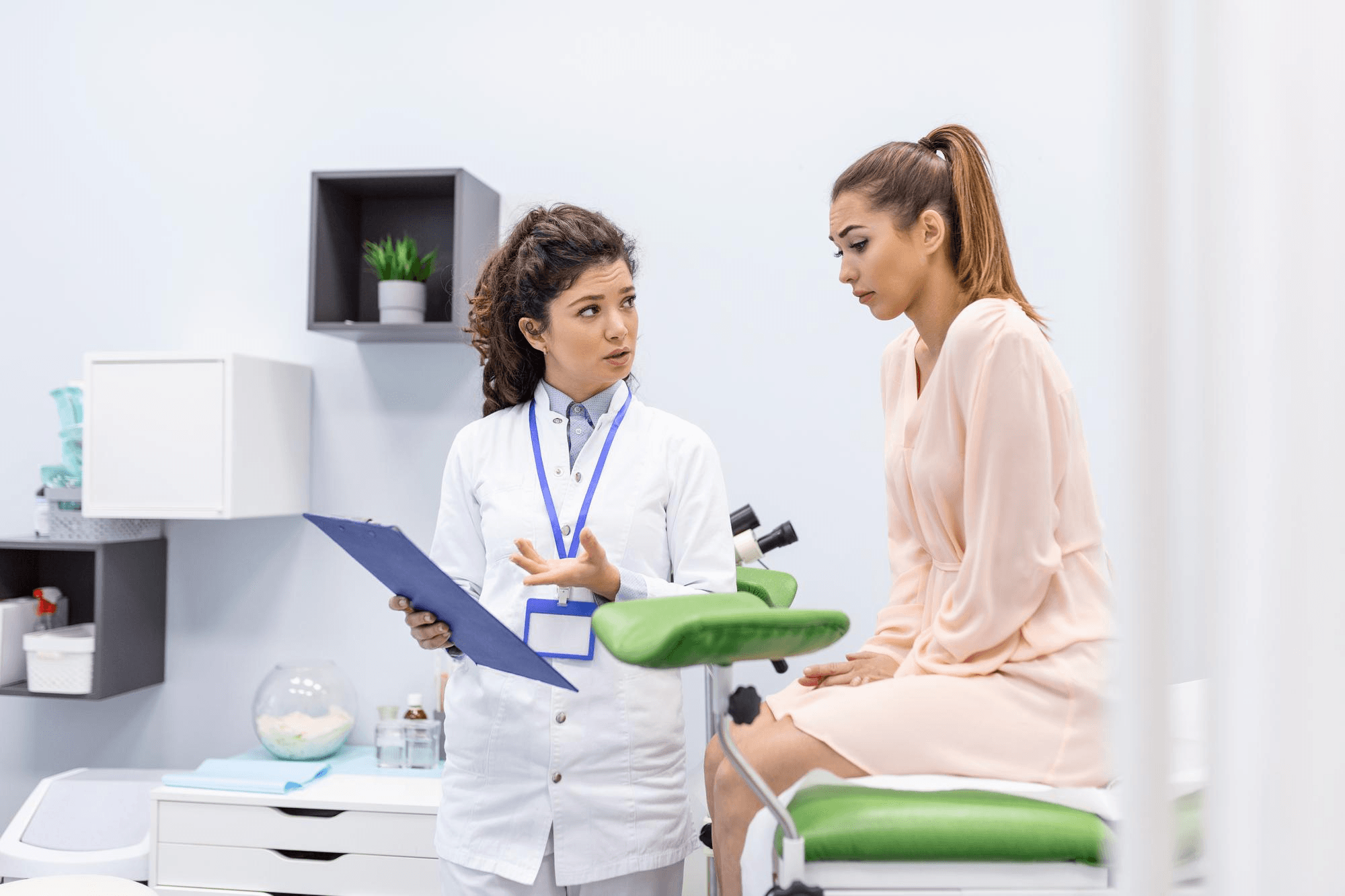
Diagnosis is clinical. During gynaecological examination, the tightening of the vaginal muscles in anticipation of or during attempted examination is visible and palpable. A carefully conducted, patient, trauma-informed pelvic examination — with the woman in control of the pace — is both diagnostic and therapeutic.
Treatment
Treatment is multimodal — combining physical and psychological components:
Psychosexual counselling and sex therapy: Addresses the psychological component — anxiety, fear-avoidance, relationship dynamics, past trauma. Cognitive behavioural therapy (CBT) techniques for reframing the catastrophising thoughts that accompany anticipated penetration. Couples therapy where a partner's response is a contributing factor.
Pelvic floor physiotherapy: A specialist physiotherapist assesses pelvic floor hypertonia (excessive tone and tension) and teaches relaxation techniques. Manual therapy to reduce trigger points and muscle tension. Biofeedback to help the woman understand and control her pelvic floor.
Vaginal trainers (dilators): A set of smooth, graduated dilators of increasing size — used at the woman's own pace to desensitise the vagina to penetration. Begins with the smallest size that can be comfortably accommodated, progresses upward over weeks and months. The woman is always in control of the pace. This systematic desensitisation is the core of physical treatment.
Topical local anaesthetic: Applied to the vaginal entrance before dilator or penetration attempts, reducing the initial sharp pain sensation and breaking the pain-spasm cycle in the early stages of treatment.
Botulinum toxin (Botox) injection: For severe vaginismus not responding to physiotherapy — Botox injected into the pelvic floor muscles under anaesthesia temporarily paralyses them, eliminating the involuntary spasm and creating a window for dilator work to proceed. Effective in appropriately selected cases.
Treating underlying causes: If vulvodynia is the trigger, treating the vulvodynia directly. If a relationship problem is the context, addressing it.
The Partner's Role
Vaginismus affects both partners. Partners who are supportive, patient, and understanding — who do not pressure or express frustration — contribute significantly to recovery. Partners who are critical, who minimise the problem, or who create pressure worsen the cycle. Including the partner in psychosexual counselling when appropriate improves outcomes.
Gynaecological Care in Noida and Greater Noida
Dr. Shachi Singh at Prakash Hospital, Sector 33, Noida, provides compassionate assessment and management of vaginismus — including dilator guidance, physiotherapy referral, and botulinum toxin treatment where needed — for women across Noida and Greater Noida.
To book a consultation with Dr. Shachi Singh, call: +91 97023 46853
This blog is for informational purposes only. Please consult Dr. Shachi Singh for assessment and a personalised treatment plan.