Hair Fall and Acne in PCOS: Why It Happens
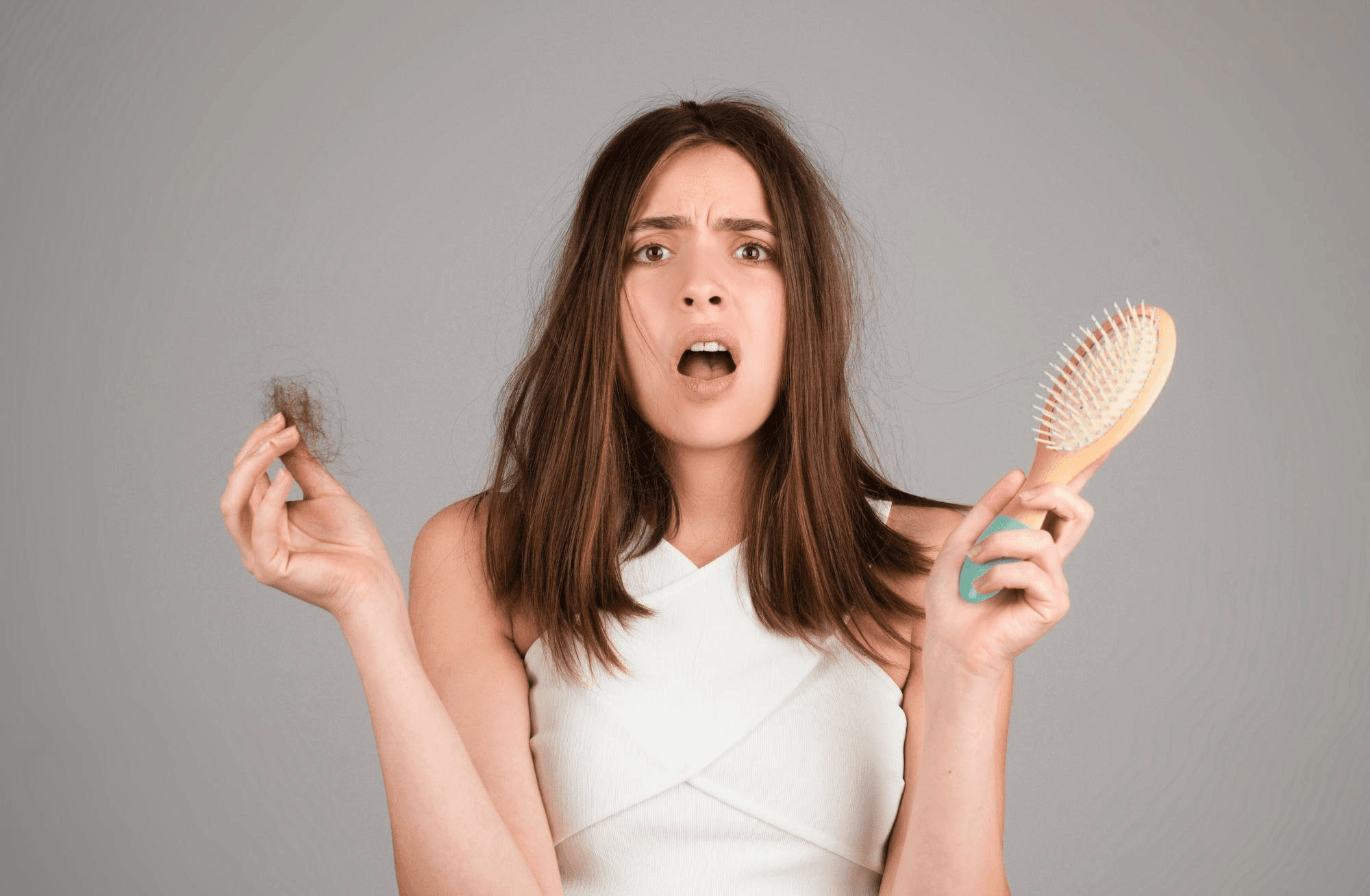
Woman upset as she is experiencing severe hair loss due to her PCOS.
A lot of women with PCOS deal with hair loss and acne. That’s because when hormones get out of balance, androgen levels go up, which messes with hair growth and makes the skin produce more oil. Suddenly, your hair’s getting thinner on your head, and those annoying breakouts pop up on your face, chest, or even your back. When you get what’s behind these changes, it’s easier to take control, whether that means talking to your doctor about treatment or making a few lifestyle tweaks.
Reasons Why Hair Fall and Acne Happen in PCOS
1. High Androgen Levels
- One big reason for hair loss and acne with PCOS is androgens, which are hormones women usually have in small amounts, but PCOS can crank them up.
- When there’s too much androgen, it messes with your hair follicles.
- Over time, hair strands get thinner and weaker, and you start noticing more hair on your brush or in the shower.
- At the same time, those androgens tell your skin’s oil glands to go into overdrive. Extra oil means your pores end up clogged, and that’s where acne comes in.
2. Extra Oil on the Skin
- PCOS tends to make your skin oilier than usual. All that extra oil doesn’t just sit there; it mixes with dirt and dead skin, blocking up your pores.
- Once that happens, bacteria move in, things get inflamed, and you’re left dealing with pimples, blackheads, or even painful cystic acne.
- For a lot of women with PCOS, breakouts show up around the jawline, chin, chest, or upper back, and these spots can be stubborn.
- Regular face washes or creams often don’t do the trick.
3. Insulin Resistance
- There’s also this thing called insulin resistance that shows up a lot with PCOS.
- Basically, your body stops listening to insulin, the hormone that keeps blood sugar in check.
- So your body just makes more and more insulin to try to keep up.
- But here’s the problem: extra insulin pushes your ovaries to make more androgens, which means more acne, more hair thinning, and sometimes hair where you don’t want it.
- Insulin resistance also tends to make weight loss harder, which can throw your hormones even more out of balance.
4. Inflammation
- Most women with PCOS have some level of ongoing, low-grade inflammation in their bodies.
- It can push your ovaries to pump out even more androgens, making hair loss and acne worse.
- Plus, inflammation makes breakouts redder, more swollen, and just more of a pain to deal with.
- Sometimes, it sticks around, making acne harder to clear up.
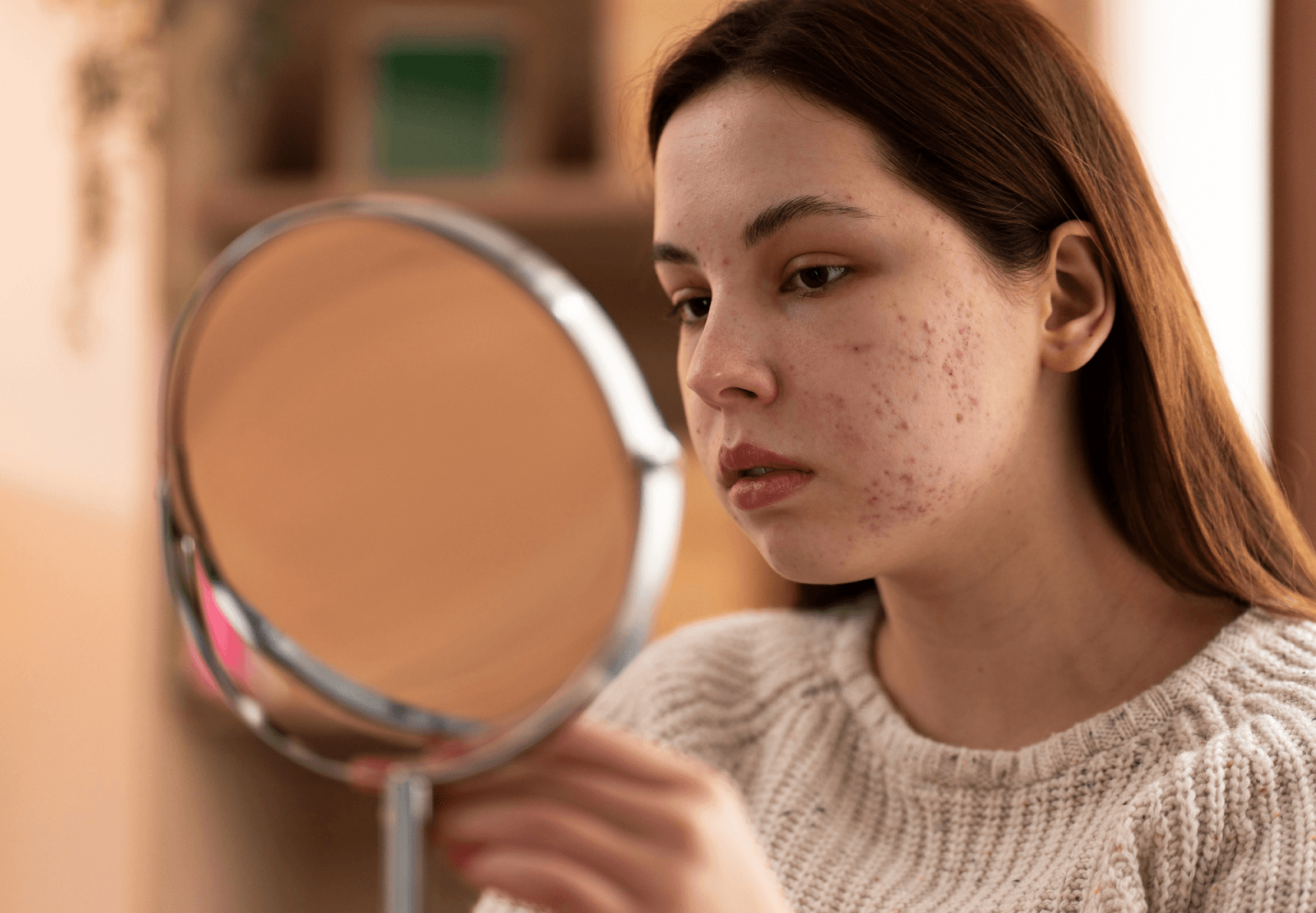
Woman with acne due to her PCOS, looking in the mirror and feeling dejected about it.
5. Genetics
- Sometimes, it’s just in your genes. If your mom or sister dealt with hormonal acne or female-pattern hair loss, you’re more likely to see these problems, too.
- Genes decide how sensitive your hair follicles are to androgens and how active your oil glands get.
- So even if your hormone levels look a lot like someone else’s, you might still get hit harder by symptoms.
6. Stress and Hormonal Changes
- Stress doesn’t help, either. When you’re stressed, your body pumps out cortisol, which then messes with your other hormones.
- That can mean oilier skin, more breakouts, and more hair falling out.
- If stress is a regular thing in your life, you’ll probably notice your PCOS symptoms get worse.
7. Lifestyle and Diet
- What you eat and how you live matter, too. Diets packed with sugar, white bread, and processed foods push your blood sugar up and make insulin resistance worse.
- Not getting enough exercise, staying up too late, or picking up other unhealthy habits can throw your hormones even more out of balance.
- These things cause PCOS, and they definitely make symptoms like acne and hair loss harder to manage.
8. Not Getting Enough Nutrients
- Sometimes, hair thinning can be due to nutrient deficiencies.
- If you’re low on iron, vitamin D, zinc, or biotin, your hair can get weaker and fall out more.
- Poor nutrition can make skin problems stick around, too, and make acne tougher to clear up.
When Should You Consult A Gynecologist?
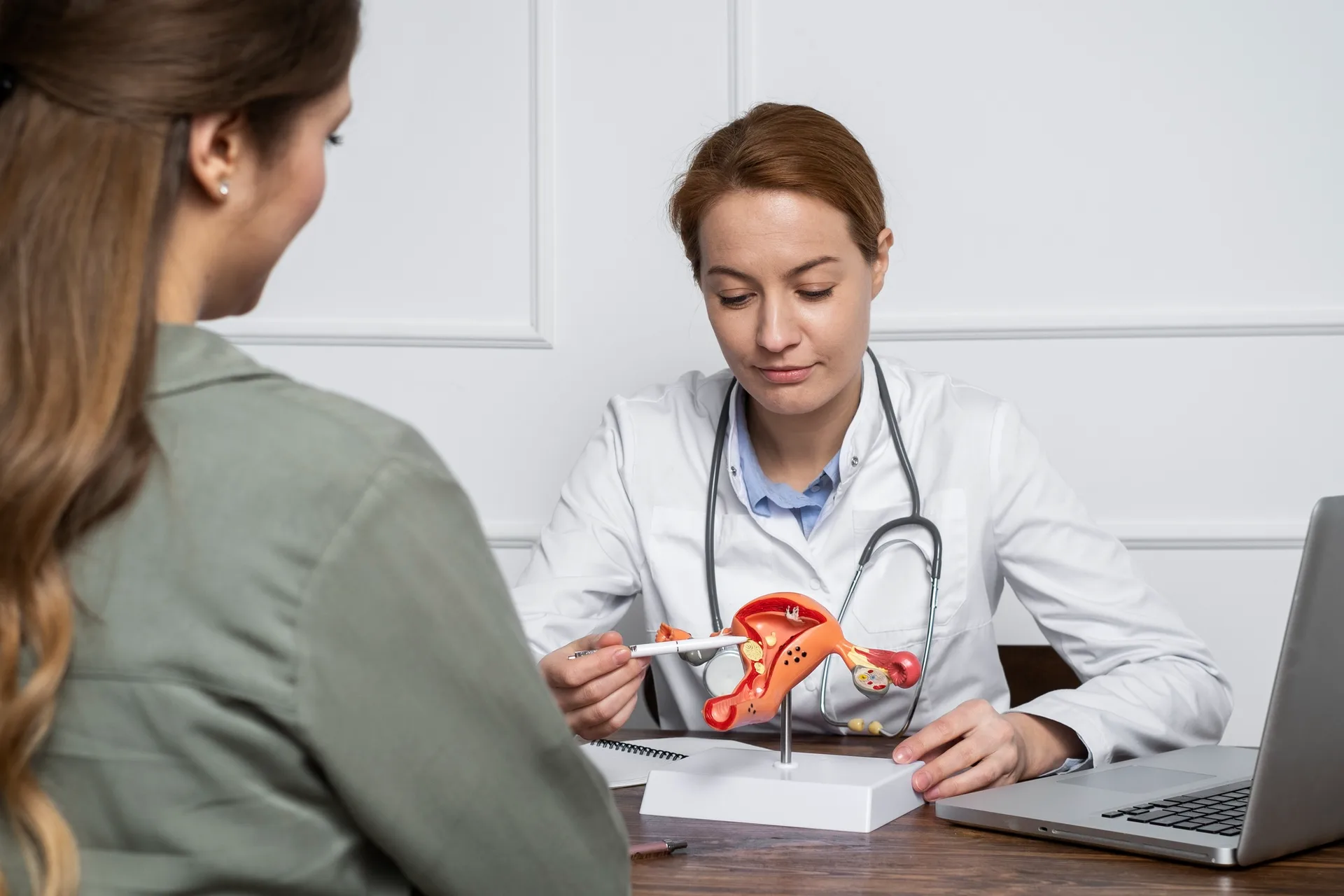
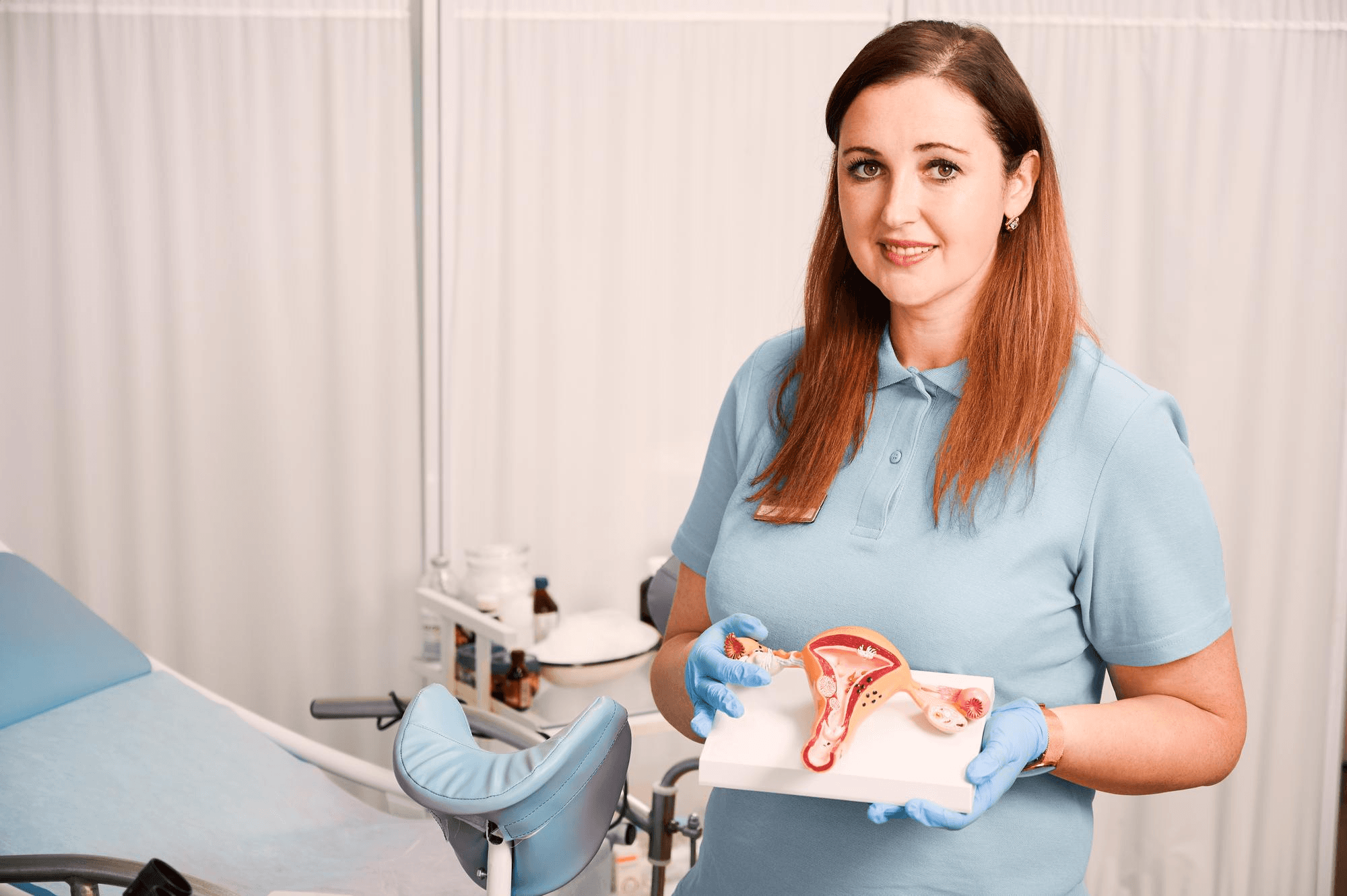
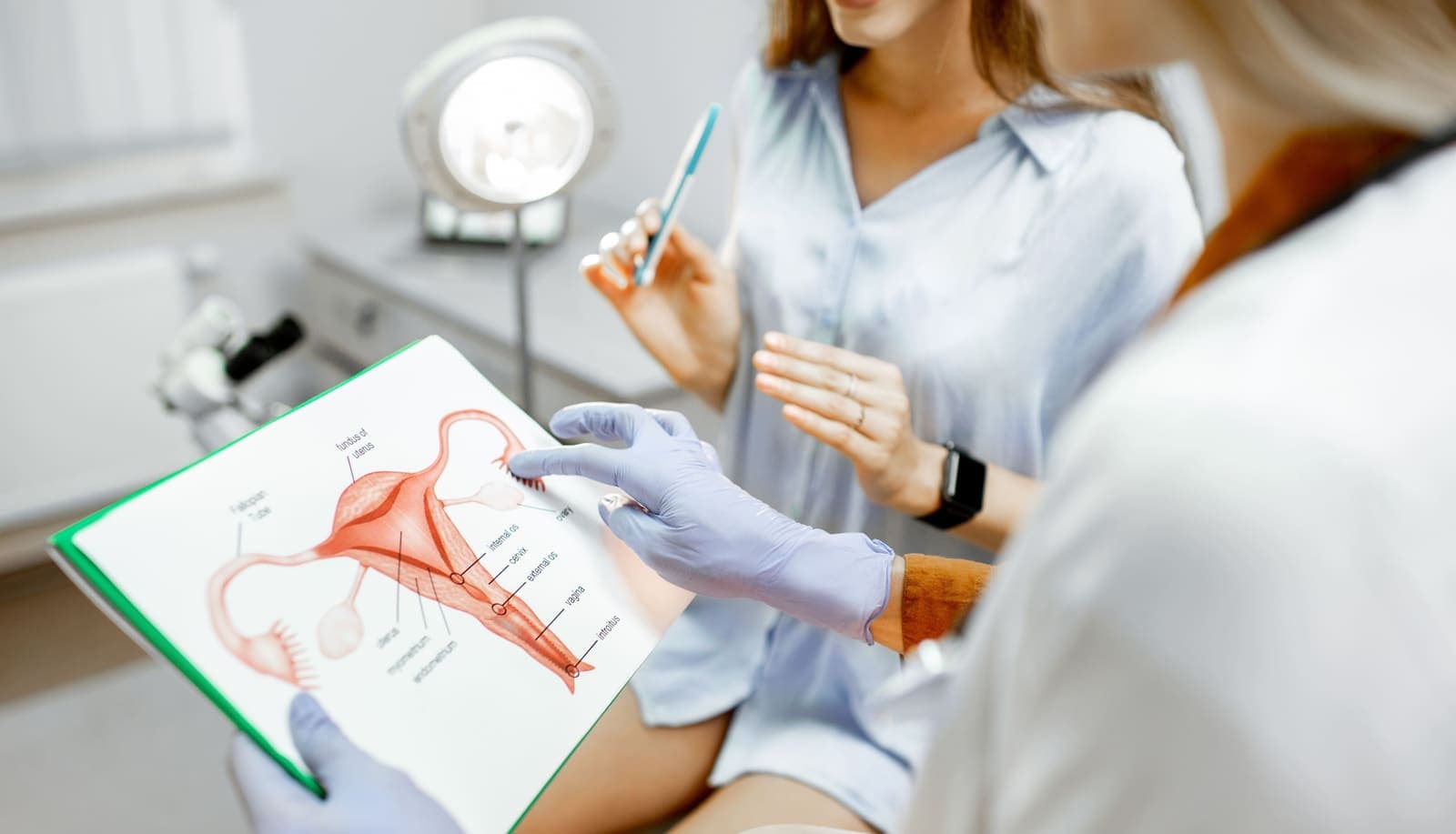
If you’re losing hair or dealing with stubborn acne, and you’re also noticing irregular periods, sudden weight gain, or more facial hair than usual, it’s time to reach out for medical advice.
These symptoms can mess with your confidence and how you feel about yourself, but you don’t have to just live with them. A gynecologist can check your hormone levels, figure out what’s really going on, and walk you through treatment options that fit your needs.
With the right care, some changes to your routine, and targeted treatment, most women manage PCOS-related hair loss and acne pretty well.

Woman feeling okay after consulting a doctor and changing her lifestyle habits accordingly, and actually managing her PCOS.
Final Thoughts
Hair fall and acne in PCOS usually come down to hormones, too many androgens, insulin resistance, and sometimes, those not-so-great lifestyle habits. These changes mess with your hair follicles and ramp up oil on your skin, so the problems stick around. Knowing what’s going on really helps you get things under control. With the right care and healthy changes, women with PCOS see real improvement in skin and hair.
Expert Care with Dr. Shachi Singh
Noticing stubborn hair loss, breakouts, or irregular cycles? It’s time to reach out to Dr. Shachi Singh. She’s a skilled gynaecologist, obstetrician, and laparoscopic surgeon who takes a thorough, tailored approach to PCOS care.
Book your appointment with Dr. Shachi Singh and get the expert support you need to take charge of your hormonal and reproductive health.