Hormonal Screening For Women: What It Reveals About Your Body
By Dr. Shachi SinghUpdated

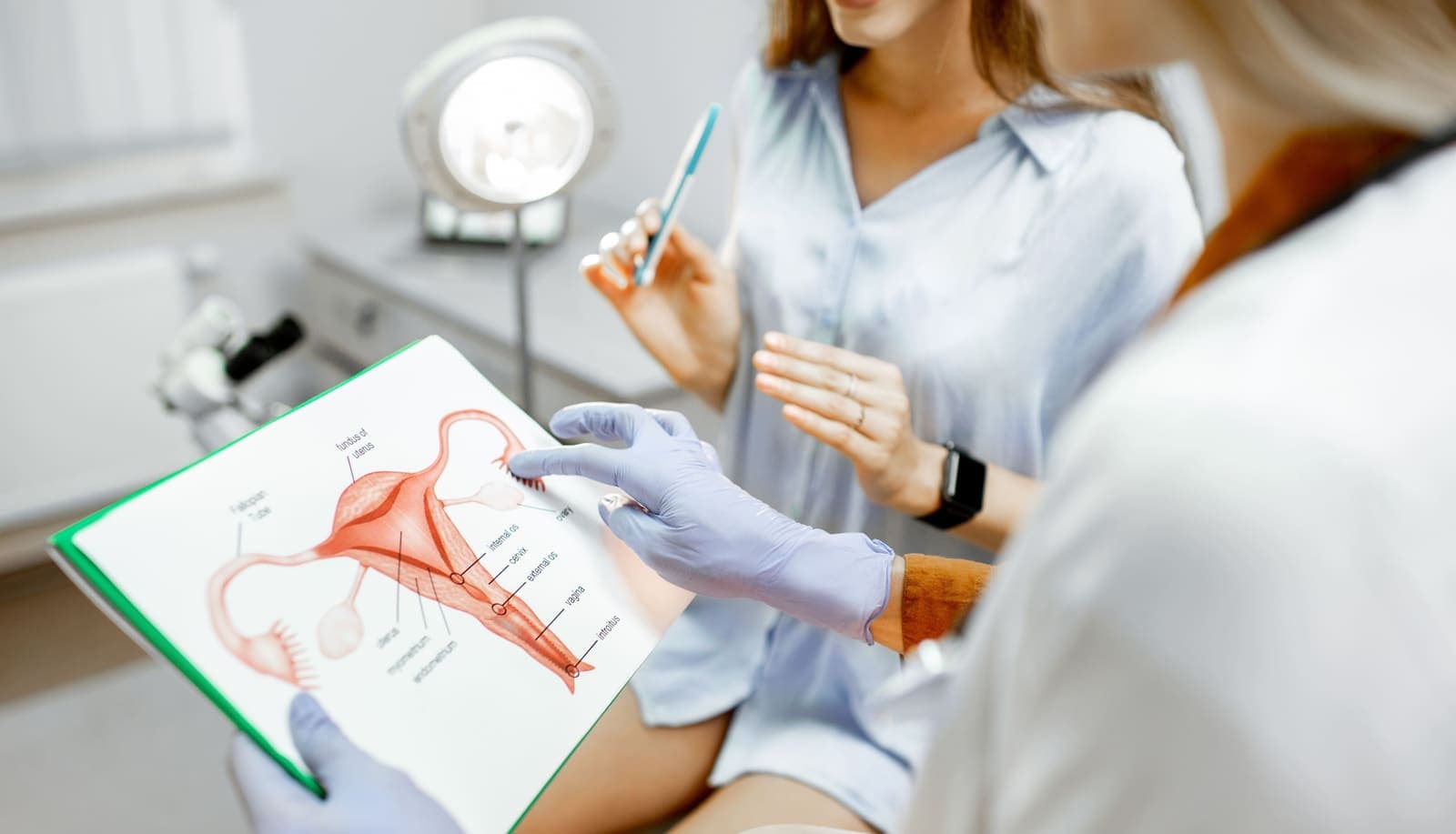
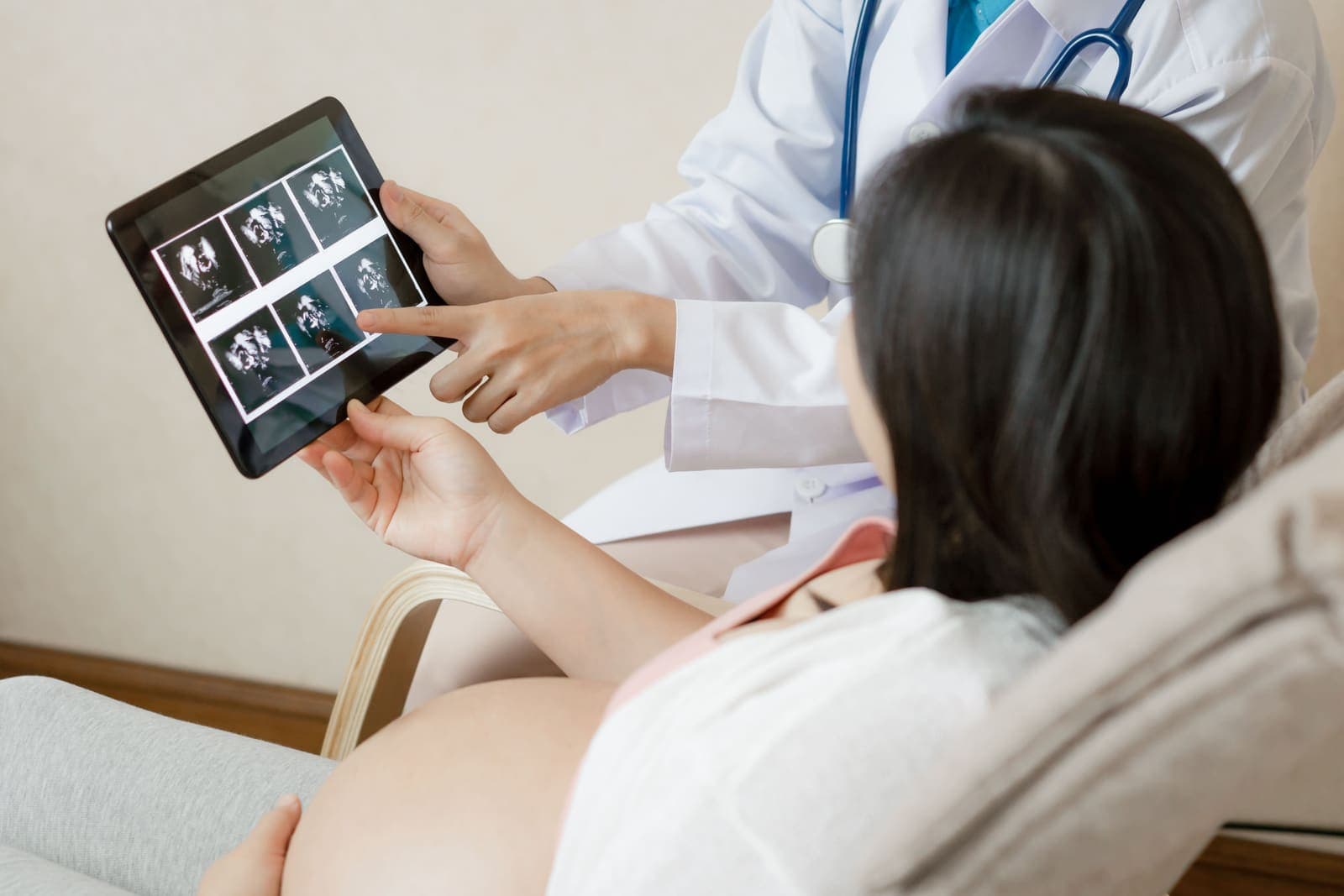
A doctor is consulting with her female patient.
Few of us give hormones much thought unless something seems "wrong". Missed periods, unexplained weight gain or loss, drastic mood swings, poor sleep - many of us dismiss these seemingly unrelated problems as just "life" or "a part of growing up," but the truth is that they can all be the indication that your hormones aren't balanced.
Hormonal testing isn't solely used to screen for fertility or menopausal issues. Instead, it gives a glimpse into overall body function, and hormones are known to be the messengers responsible for metabolism, brain health, and many other things in between.
Eliminating guesswork by screening hormones helps diagnose where the imbalance truly lies. It allows for prompt treatment, accurate assessment, and understanding of the body's needs. In this guide, we will explore what hormonal screening truly highlights, how important it can be, and when you need to seek out a specialist for help.
What Is Hormonal Screening?
Hormonal screening is a series of blood (and urine) tests used to identify levels of different hormones within the body. Hormones are basically a type of message that controls the events within your body, for example, your menstrual cycle, metabolism, mood, and fertility.
Tests are often done to identify hormone levels, such as:
- Estrogen
- Progesterone
- Thyroid hormone (T3, T4, TSH)
- Testosterone
- Prolactin
- Cortisol
- FSH
- LH
In simple terms, the test looks at whether the hormone levels are balanced, too high, or too low.
How Hormonal Screening Works?
The consultation session involves a discussion on symptoms and the life pattern of the patient. Based on the discussion, targeted tests are suggested. Blood samples are collected at specific stages of the menstrual cycle to obtain correct values. Once reports are obtained, the doctor looks for the trends rather than isolated values. Hormones are never isolated; even a slight disruption causes wide changes to different systems of the body, and hence expert interpretation is essential.
An accurate diagnosis and appropriate treatment, consultation with Dr. Shachi Singh in Noida, is recommended to ensure reports are read, not just considered.
What Hormonal Screening Reveals?
Hormonal screening can provide accurate insight into what's actually happening within you and can actually preempt problems even before symptoms get very pronounced.
1. Menstrual Problems
Irregular or heavy and missed cycles often reflect a hormonal imbalance. The screening can pinpoint if it's to do with your estrogen or progesterone levels, or perhaps an issue with PCOS, etc.
2. Fertility And Reproductive Health
Hormones such as FSH, LH, and progesterone are important when it comes to releasing an egg; this will determine your fertility and the possibility of pregnancy.
3. Thyroid issues
Metabolism, energy levels, and body weight are all influenced by thyroid hormones. It is thought that up to 1 in 10 women in India suffer from thyroid-related conditions, with many being undiagnosed.
4. Polycystic Ovary Syndrome (PCOS)
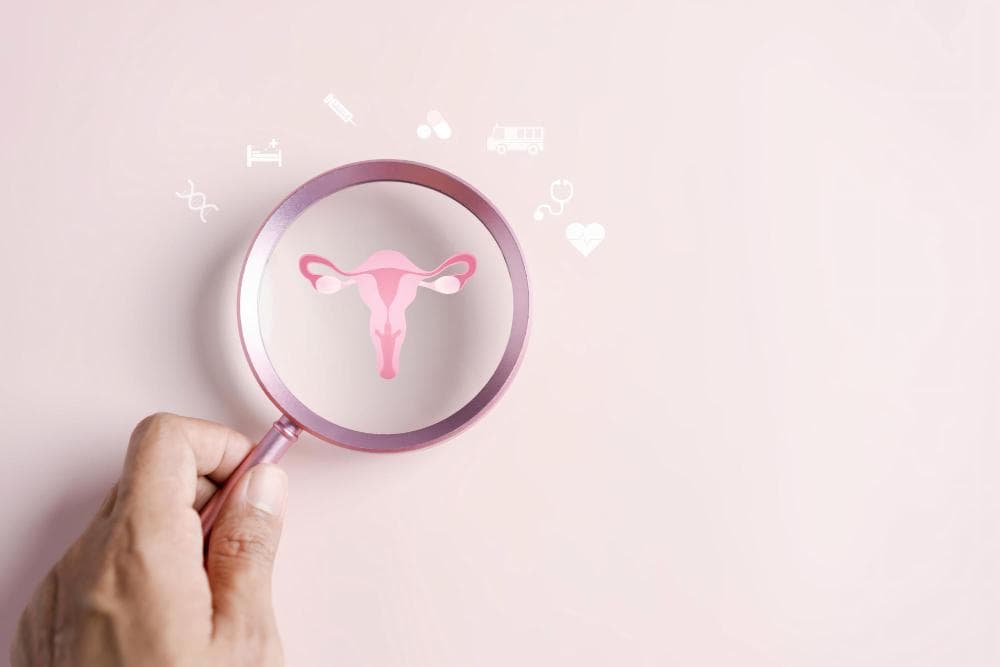
A magnifying glass focuses on a pink diagram of a uterus surrounded by icons about women's health.
Elevated androgens(male hormones) can indicate this condition, which is a hormone imbalance affecting women from as much as 8% up to 13% of the worldwide female population.
5. Stress And Cortisol Levels
High cortisol levels in the blood explain feelings of fatigue, anxiety, sleeplessness, and even inexplicable weight gain.
6. Changes During Menopause & Perimenopause
Such things as hot flushes, mood swings, and decreasing bone density are due to changes in your hormones as you experience menopause and peri-menopause, and tests can reveal the level of these changes.
7. Metabolic And Weight Issues
When your hormones are out of sync, your metabolism can slow down, which means gaining weight is easier, and losing it is harder, regardless of dieting and exercise.
Key Benefits Of Hormonal Screening
Hormonal screening is more than just diagnosis; it's about long-term wellness.
- Early identification of potential health problems: Hormonal screening can detect thyroid conditions, PCOS, or hormonal deficiencies before they have an opportunity to cause serious damage.
- Targeted and effective treatments: Treatment strategies will become more targeted, rather than relying on an unreliable 'hit and miss' system.
- Optimizing reproductive health: From planning a family to the management of abnormal periods, gaining information through hormonal screening has enormous benefits.
- Enhancing emotional and mental health: Hormonal balancing can lead to improvements in mood, stability in emotions, and decreased anxiety levels.
- Preventing long-term serious complications: Leaving hormonal imbalances unaddressed can put you at increased risk of developing infertility, osteoporosis, or diabetes, but early screening will prevent future risks.
Conditions Commonly Linked To Hormonal Imbalance
Hormonal testing has a vital role in detecting these underlying conditions that are otherwise undetected until the symptoms begin impacting everyday life. Below is an insight into how these imbalances present themselves and their implication.
1. PCOS (Polycystic Ovary Syndrome)
This is a common endocrine disorder that causes the overproduction of androgens (male hormones) by the ovaries. This could lead to disturbance of ovulation, causing missed or erratic menstrual cycles, and women may experience Acne, weight gain, and excess hair on their face. Long-term, this could also increase the risk of insulin resistance and infertility if poorly managed.
2. Thyroid Disorders
The thyroid gland affects the body's metabolism, and even minor imbalances can cause effects that are noticed. Low thyroid (Hypothyroidism) could cause symptoms such as tiredness, weight gain, dry skin, and a slow metabolism.
Whereas the opposite problem, Hyperthyroidism, could cause weight loss, anxiety, an increased heartbeat, and trouble sleeping. Such problems are prevalent in women and can easily be mistaken for lifestyle-related problems.
3. Infertility
Hormones control ovulation, a critical factor for conception. Disturbances of hormones such as FSH, LH, oestrogen, or progesterone can result in egg development problems or an impact on the uterine lining, which means that although every other function seems to be normal, fertility becomes problematic; hormonal testing may well determine the specific hormonal cause.
4. Menstrual Disorders
Erratic menstrual cycles, heavy bleeding, or the absence of menstrual cycles (amenorrhoea) can all be manifestations of hormonal fluctuation, be it as a result of stress or other problems such as Polycystic Ovaries or Thyroid disorders. This, over time, can have an impact on fertility.
5. Adrenal Disorders
The adrenal glands produce cortisol, the body's main stress hormone. If this level is high or low, it can cause varied symptoms, such as chronic fatigue, mood changes, sleep problems, and weight changes. The adrenal glands also play a role in the body's immune system; long-term problems can affect blood pressure.
That is the reason why screening hormones is valuable, since you not only know what is wrong but also why your body is doing what it is doing. The treatment, therefore, is much more specific.
When To Consider Hormonal Screening?

A young woman playfully holds a sanitary pad and a marked calendar depicting menstrual cycle dates.
Your body can show warning signs when your hormones are out of balance.
- Inconsistent or skipped periods - When your periods don't follow a predictable pattern or occur at all, you should have them tested.
- Unexpected weight fluctuations - Sudden gain or loss of weight without any significant changes to diet or exercise can be a symptom of hormone problems.
- Persistent fatigue - Even when you get a good night's rest, you still feel tired; this may be an indicator of thyroid or cortisol imbalance.
- Mood swings and anxiety - Hormones affect mood, making imbalances significant in determining emotions.
- Infertility - When it takes you a while to get pregnant, you should consider being tested.
- Changes in skin and hair - Excess facial hair, acne, or thinning hair could be signals of a hormonal imbalance.
Final Thoughts
Hormone screening is more than just an assessment; it's a key to unlocking the secrets of your body. Hormone screening helps to join the dots between seemingly unconnected symptoms such as weight gain, fatigue, mood fluctuations, irregular periods, etc.
Hormonal balance within the body leads to all systems functioning as one. However, a slight imbalance can impact the entire body at once. Early detection of hormonal imbalance can prevent further damage and significantly improve health outcomes.
The tests used for screening help women gain an understanding of their overall hormonal balance, from managing menstrual health and fertility issues to finding the cause of unexplained symptoms.
Expert Care With Dr. Shachi Singh
Accuracy in diagnosis is the most important when it comes to hormones and reading the reports; that is why an individual needs expert advice. Dr. Shachi Singh in Noida as she emphasizes a patient-focused approach where a treatment plan is designed to suit individual symptoms, lifestyles, and medical histories.
There's an emphasis on evidence-based treatment where, instead of just treating the reports, the emphasis is on correcting the underlying hormone imbalance and restoring hormonal balance naturally and effectively in a bid to promote long-term health instead of just a short-term fix.
From treating menstrual problems and PCOD to helping with thyroid and fertility issues, every female patient gets comprehensive care for their hormones.
Frequently Asked Questions (FAQs)
1. What is hormonal screening in women?
Hormone screening refers to a group of tests that are used to determine and assess the hormonal profile of a female.
2. When is hormone screening recommended for a woman?
This screening is advised to be performed on women who are experiencing irregularities in their periods, unexplained weight variations, and exhaustion, or who are facing fertility issues.
3. Is it possible to treat a hormonal imbalance?
Yes, most hormonal imbalances can be treated very effectively with various options such as medication, lifestyle modifications, and targeted therapy.
4. Is hormonal screening essential when planning pregnancy?
Yes, it plays a vital role in assessing the fertility and ovulatory capabilities of women who are planning pregnancy.