Cervical Ectropion: What It Is, What It Causes, and When Treatment Is Needed

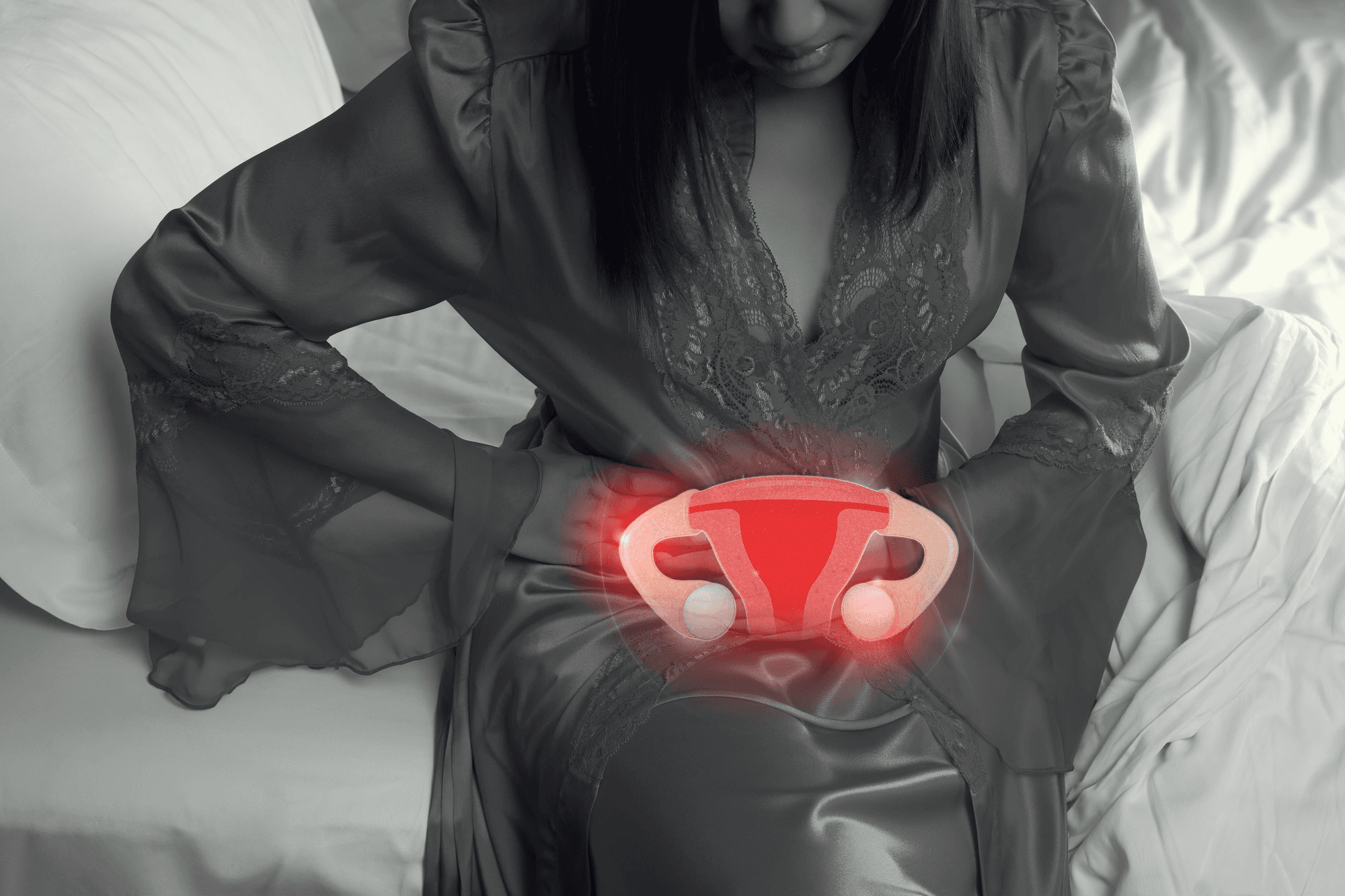
Man consulting a doctor for evaluation and treatment of cervical neck pain.
"Cervical erosion" — the older and still commonly used term in India for cervical ectropion — sounds alarming in a way that the condition rarely warrants. The word "erosion" suggests damage or something wearing away. The reality is more benign: cervical ectropion is a normal anatomical variant where the glandular cells that normally line the inside of the cervical canal (the endocervix) extend onto the outer surface of the cervix (the ectocervix).
It is not a disease. It is not an infection. It is not a premalignant condition. But it does cause symptoms — particularly increased vaginal discharge and postcoital bleeding — that understandably prompt women to seek evaluation.
Dr. Shachi Singh, consultant gynaecologist at Prakash Hospital, Sector 33, Noida, explains everything women need to know.
What the Cervix Looks Like Normally
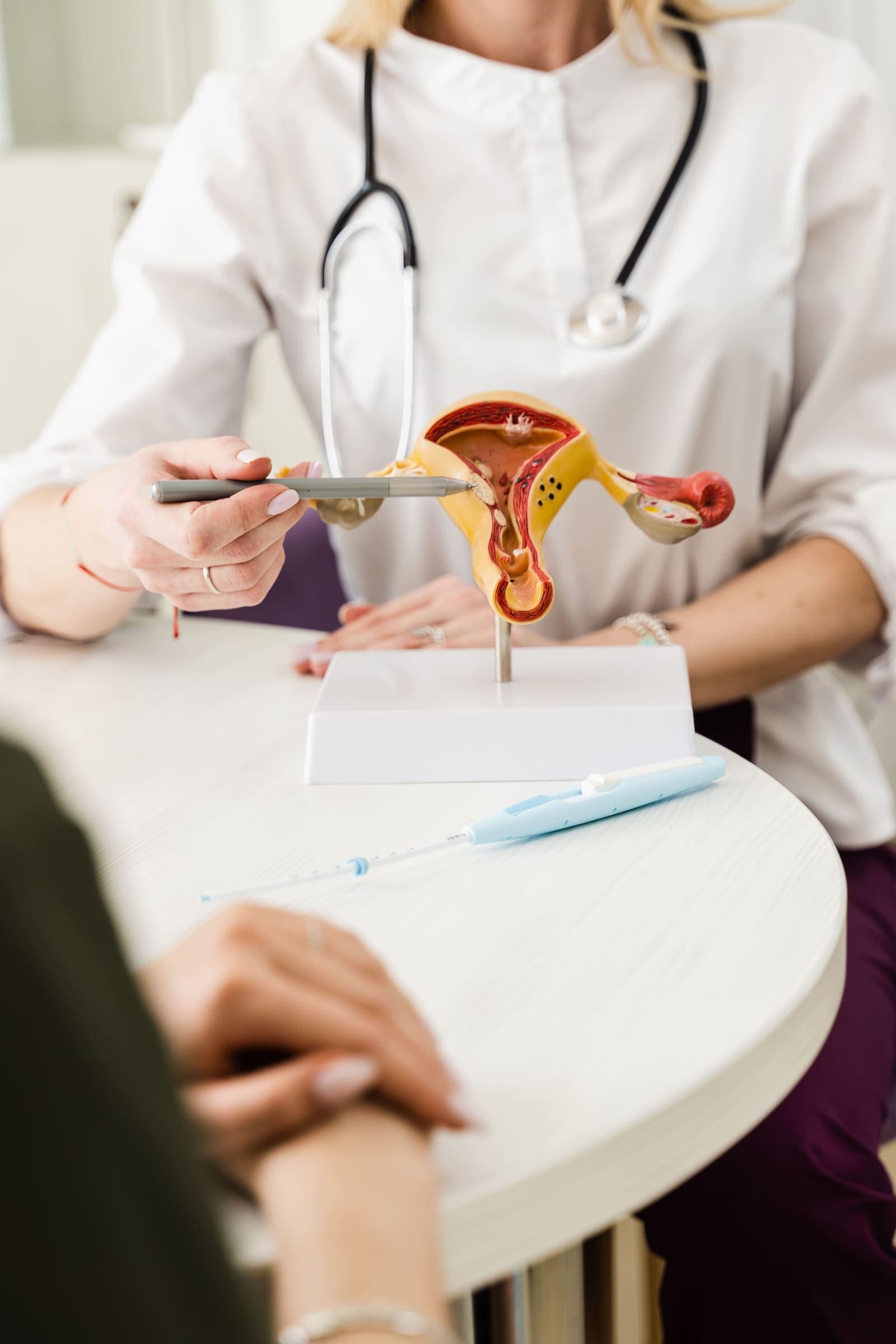
The cervix has two distinct surfaces. The ectocervix — the outer surface visible on speculum examination — is normally covered with squamous epithelium (the same type of flat, layered cells that line the vagina and skin). The endocervix — the canal inside the cervix — is lined with columnar glandular epithelium, which is a single layer of tall, mucus-producing cells that has a characteristic red, velvety appearance.
The junction between these two cell types is called the squamocolumnar junction (SCJ) or transformation zone. Normally in adult women, this junction sits at or just inside the cervical os (the opening of the cervix).
Cervical ectropion occurs when the SCJ is positioned on the outer surface of the cervix — meaning the glandular columnar cells are exposed on the ectocervix. To the naked eye during a speculum examination, this appears as a red, slightly rough, or velvety area around the cervical os, surrounded by the paler pink squamous epithelium.
Why Ectropion Occurs
Hormonal factors: Oestrogen causes the transformation zone to evert outward. This is why ectropion is very common in:
- Young women (naturally high oestrogen)
- Women on the combined oral contraceptive pill (exogenous oestrogen)
- Pregnant women (dramatically elevated oestrogen)
It is less common after menopause when oestrogen declines.
Normal anatomical variation: Some women simply have a larger transformation zone on the ectocervix without any hormonal cause.
Symptoms of Cervical Ectropion
1. Increased vaginal discharge: The glandular columnar cells of the ectropion produce more mucus than the squamous cells they have replaced. This causes an increase in clear to white vaginal discharge that can be quite noticeable. It is mucus, not infection — though many women are treated repeatedly for infection before ectropion is identified.
2. Postcoital bleeding (PCB): Bleeding after sexual intercourse. This is the most clinically significant symptom of ectropion. The delicate columnar cells on the ectocervix bleed easily with friction — even light contact during intercourse is sufficient to cause a small amount of bright red bleeding. This is benign but very alarming.
3. Intermenstrual spotting: Some women notice occasional spotting between periods from the ectropion.
4. No pain: Cervical ectropion is not painful.
Why Clinical Evaluation Is Always Needed for Postcoital Bleeding
While cervical ectropion is the most common cause of postcoital bleeding, postcoital bleeding is also one of the earliest symptoms of cervical cancer. Any woman with postcoital bleeding requires a speculum examination and current Pap smear — ectropion is a diagnosis of exclusion after cervical cancer and other pathology have been appropriately excluded.
An ectropion cannot be used to explain postcoital bleeding if the Pap smear is overdue or if the cervix has not been adequately examined.
Does Cervical Ectropion Need Treatment?
For most women — no. If the Pap smear is normal and the symptoms are not significantly bothersome, cervical ectropion can be left alone. It frequently resolves spontaneously — particularly after stopping the pill or after delivery.
Treatment is appropriate when:
- Discharge is heavy and significantly affecting quality of life
- Postcoital bleeding is frequent and distressing
- The woman has had symptoms for some time and prefers definitive treatment
Treatment options:
Cauterisation (thermal ablation, silver nitrate, cryotherapy, diathermy): The ectropion is treated with heat, cold, or chemical application to destroy the columnar epithelial cells. Squamous epithelium then grows over the treated area during healing, restoring the normal cervical surface appearance.
The procedure is typically brief (a few minutes) and performed as an outpatient without general anaesthesia — local anaesthetic may be applied to the cervix. Mild cramping during the procedure. A watery discharge for 2 to 4 weeks afterwards during healing.
Success rates are high — most women's symptoms significantly improve or resolve after a single treatment session.
Gynaecological Care in Noida and Greater Noida
Dr. Shachi Singh at Prakash Hospital, Sector 33, Noida, assesses and treats cervical ectropion for women across Noida and Greater Noida.
To book a consultation with Dr. Shachi Singh, call: +91 97023 46853
Clinic Hours: Monday to Saturday, 9 AM – 6 PM | Sunday, 10 AM – 2 PM
This blog is written for educational and informational purposes only.