Colposcopy After an Abnormal Pap Smear: What Happens and What Results Mean
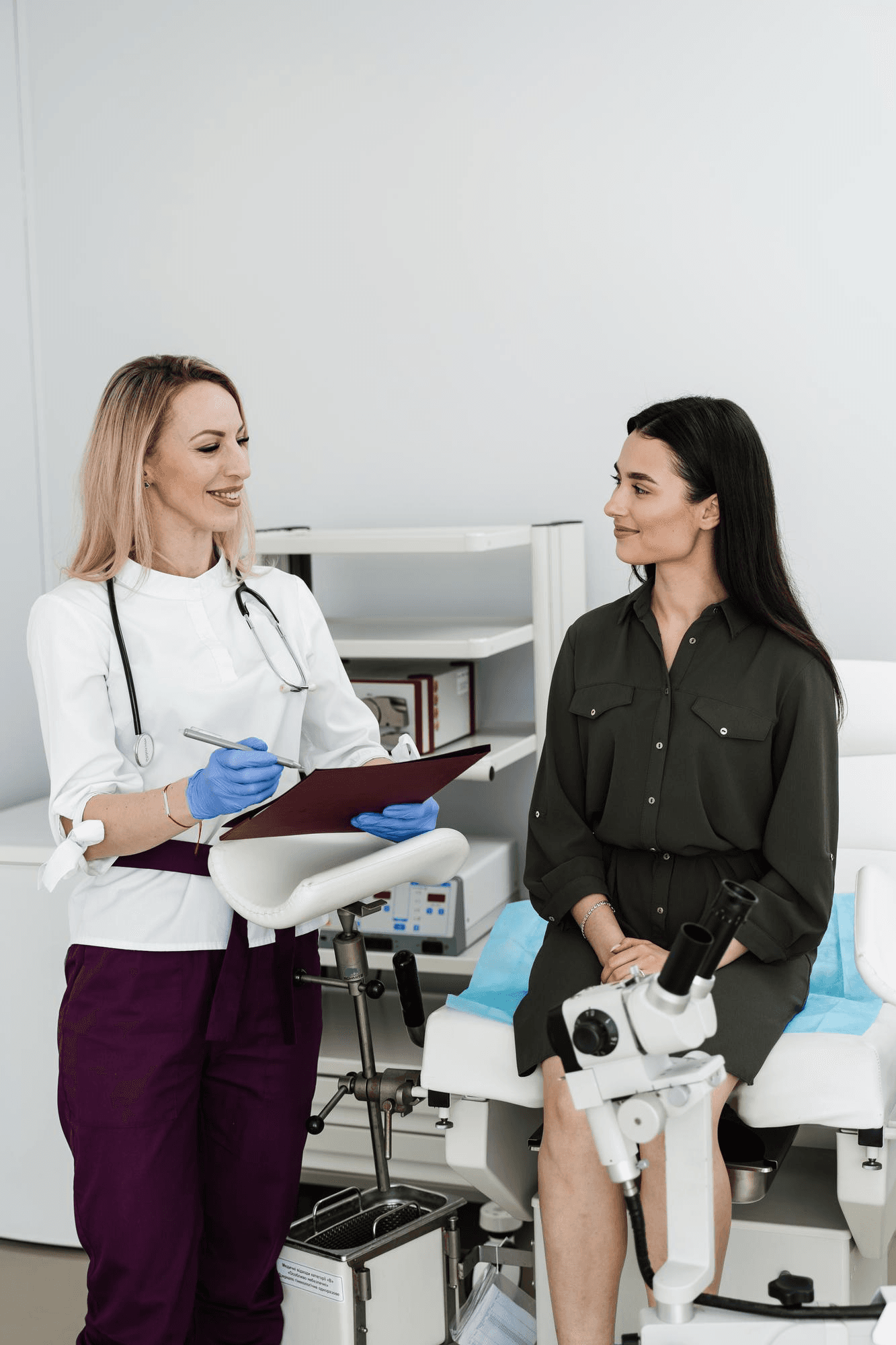
Gynecologist talks with patient after a colposcopy, going over the results and explaining what happens next.
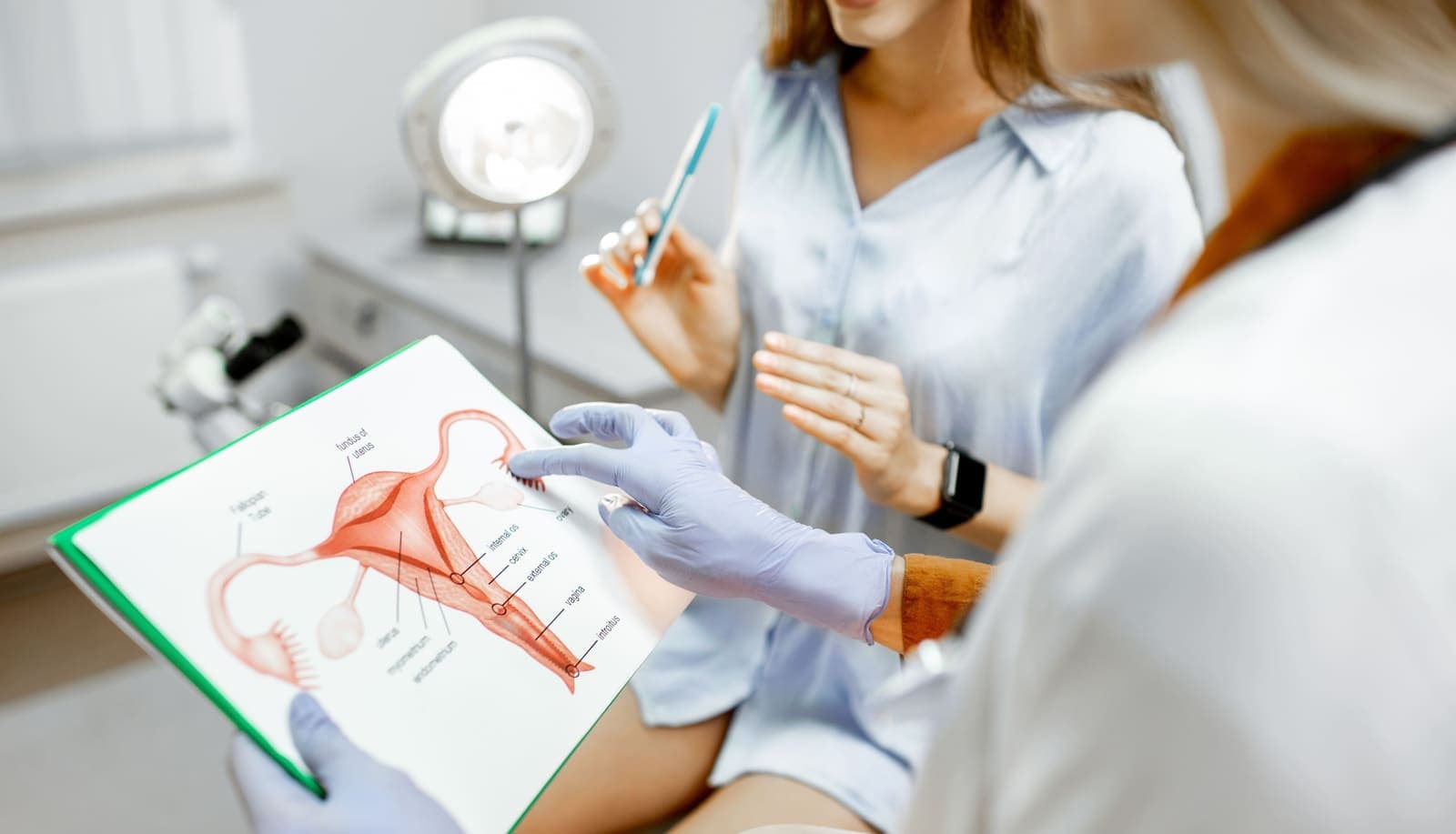
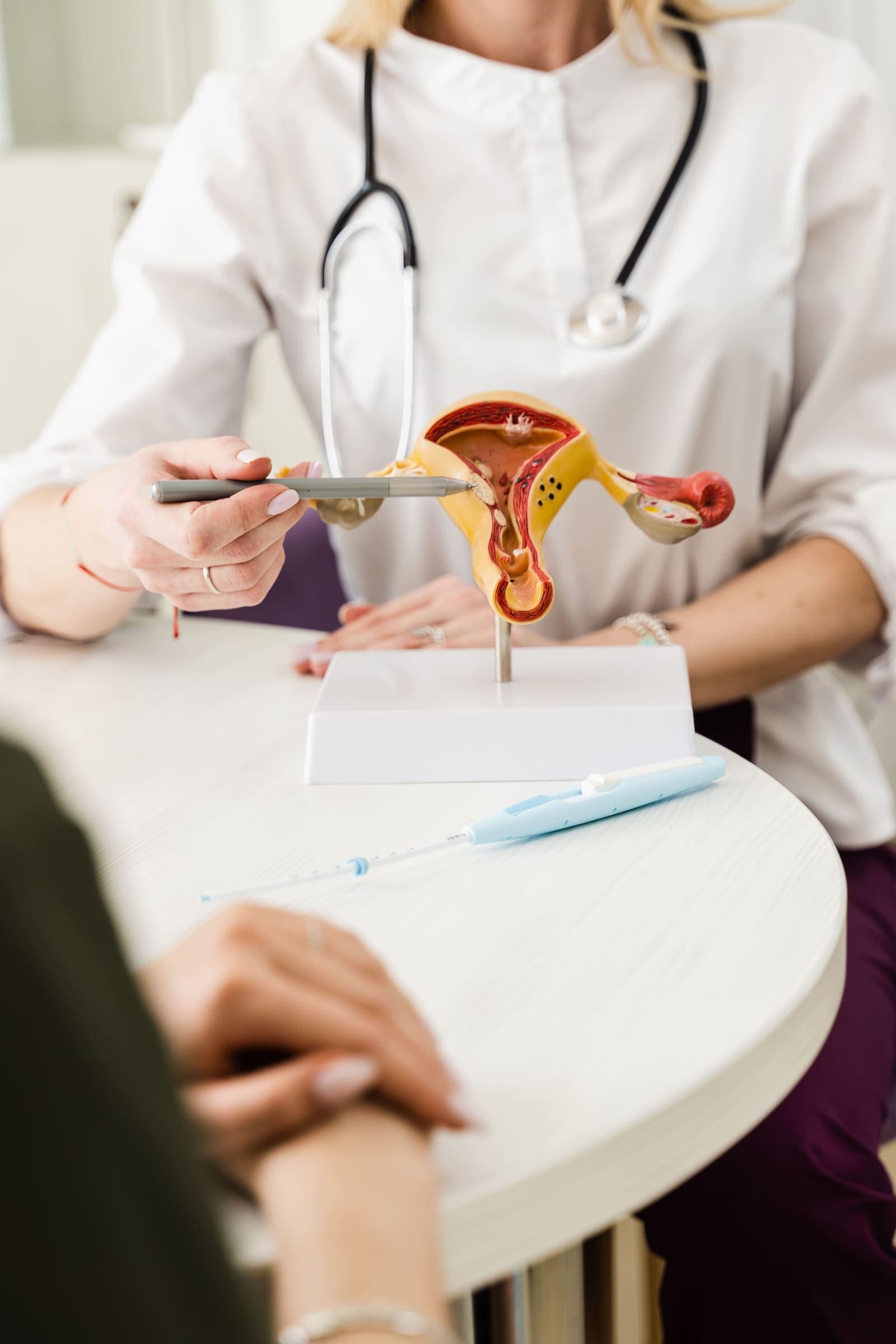
An abnormal Pap smear result leads to a referral for colposcopy. For most women, this is the point at which anxiety peaks — "abnormal" sounds serious, and "colposcopy" is an unfamiliar word. Understanding what colposcopy actually involves, and what the range of results means, significantly reduces this anxiety.
Dr. Shachi Singh, consultant gynaecologist at Prakash Hospital, Sector 33, Noida, explains.
What Colposcopy Is
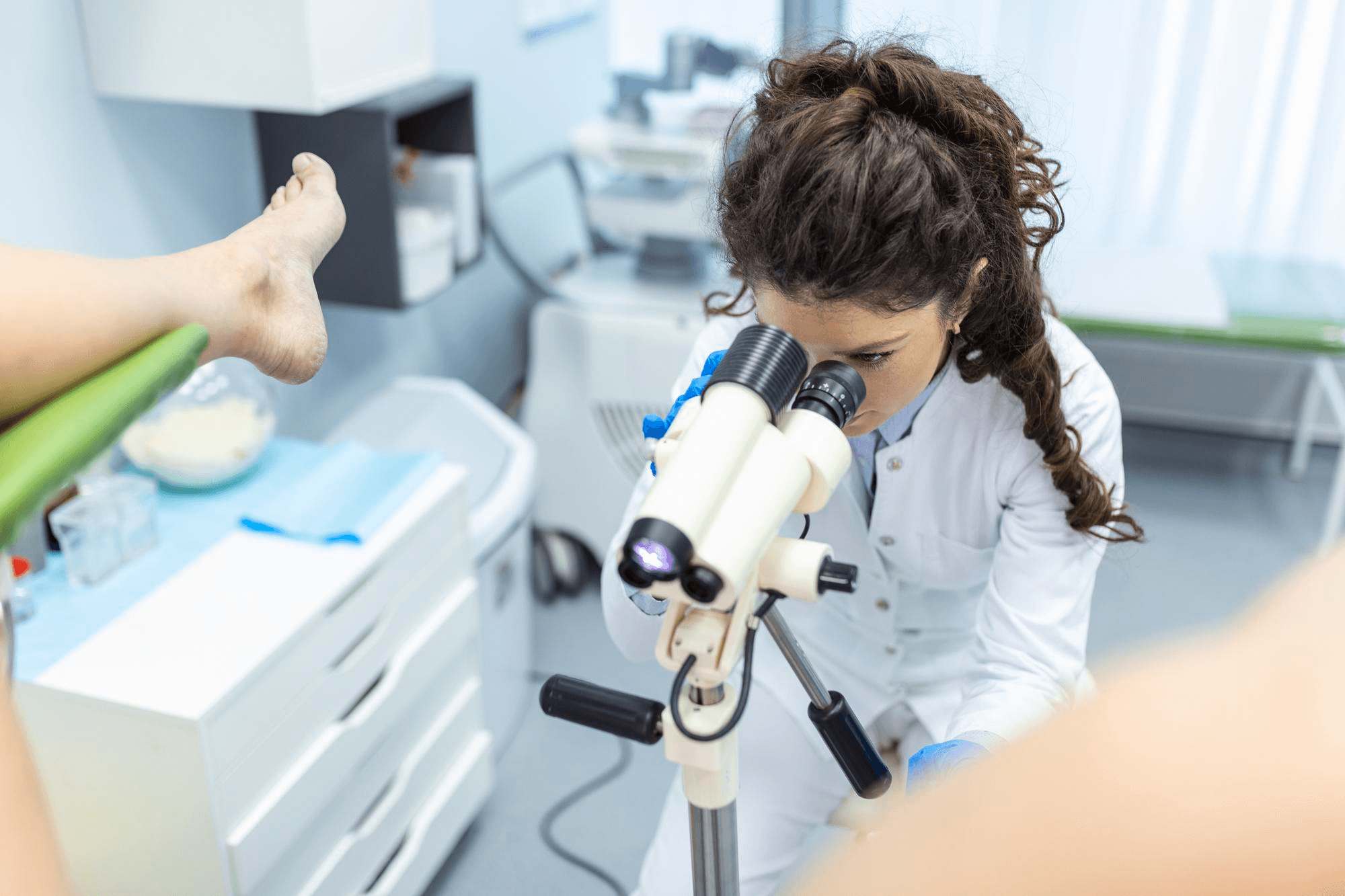
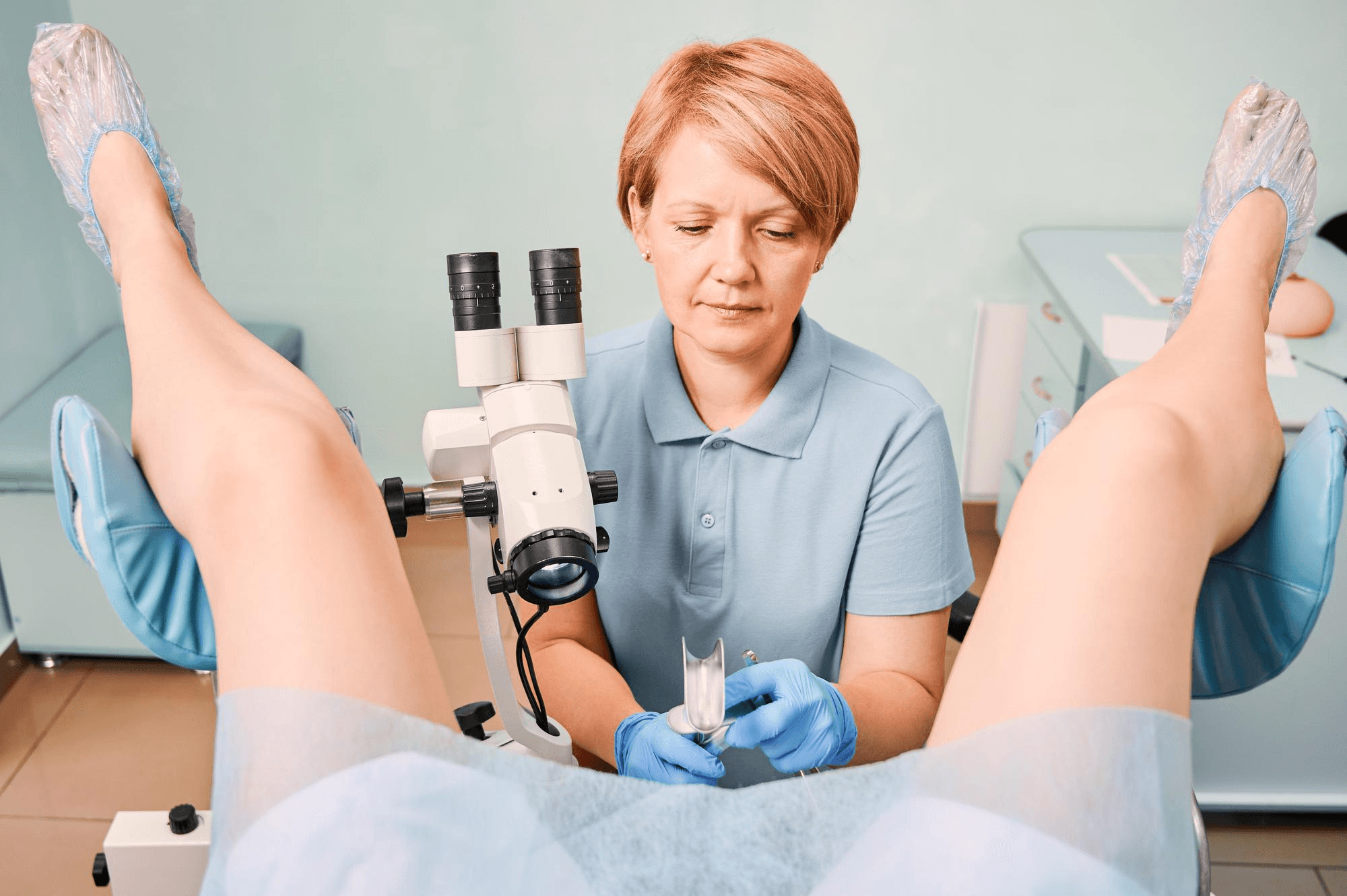
A colposcope is a binocular magnifying instrument — similar to a pair of binoculars on a stand — that allows the gynaecologist to examine the cervix under magnification (typically 6 to 40 times). It does not enter the vagina or cervix. The colposcope is positioned outside the body; the gynaecologist looks through it while a speculum holds the vaginal walls open.
During the examination, two solutions are applied to the cervix:
Acetic acid (dilute vinegar): Areas of abnormal cell growth turn white (acetowhite) under acetic acid — this is the primary colposcopic finding that identifies potentially abnormal areas.
Lugol's iodine: Normal squamous cells containing glycogen stain brown-black. Abnormal areas do not stain and remain pale.
The pattern, thickness, and vascular appearance of acetowhite areas guides the decision about whether to take a biopsy.
What Happens During the Procedure
- You lie in the same position as for a smear
- A speculum is inserted
- The colposcope illuminates and magnifies the cervix from outside the body
- Acetic acid solution is applied — you may feel a mild stinging for a few seconds
- The gynaecologist examines the cervix systematically
- If a biopsy is needed, a small piece of cervical tissue (2 to 3 mm) is removed with biopsy forceps — a brief, sharp pinch lasting seconds
- Lugol's iodine may be applied after the biopsy
- Total procedure time: approximately 15 to 20 minutes
Pain: Most women describe the examination as similar to a Pap smear — mild discomfort rather than pain. A biopsy adds a brief sharp sensation. Local anaesthetic is not routinely used for simple punch biopsies but can be requested.
After the procedure: Light spotting or brownish discharge for 1 to 5 days (the iodine solution stains brown). Mild cramping. Avoid intercourse, tampons, and swimming for 1 week.
What the Results Mean
Colposcopy findings are classified on a scale from normal to high-grade. A biopsy sent to histology provides the definitive classification:
Normal: No acetowhite areas. The transformation zone appears normal. Reassurance and return to routine smear screening.
CIN 1 (Cervical Intraepithelial Neoplasia grade 1): Low-grade dysplasia. Mild abnormal cell changes in the bottom third of the cervical epithelium. More than 50% of CIN 1 regresses spontaneously — the immune system clears the HPV infection and the cells return to normal. Management: surveillance with repeat smear and/or colposcopy in 12 months.
CIN 2: Moderate dysplasia — abnormal cells in the bottom two-thirds of the epithelium. A proportion regresses, a proportion persists, a smaller proportion progresses. Management: typically treatment (LEEP/LLETZ — see separate blog), though active surveillance is sometimes used in young women wanting to preserve fertility, in discussion with the colposcopist.
CIN 3 (including CIS — carcinoma in situ): High-grade dysplasia — abnormal cells throughout the full thickness of the epithelium. Does not mean cancer — these are pre-cancerous changes. Treatment with LEEP/LLETZ is standard.
Invasive cervical cancer: If features suggesting invasion are seen, further assessment including MRI and staging is initiated.
The Most Important Point
An abnormal Pap smear result and even a CIN finding does not mean cancer. The entire purpose of Pap smear and colposcopy is to find pre-cancerous changes that can be treated before cancer ever develops. The system is working exactly as intended when CIN is found and treated.
Gynaecological Care in Noida and Greater Noida
Dr. Shachi Singh at Prakash Hospital, Sector 33, Noida, performs colposcopy and manages abnormal cervical screening results for women across Noida and Greater Noida.
To book a consultation with Dr. Shachi Singh, call: +91 97023 46853
This blog is for informational purposes only.