When Does Your Period Return After Delivery?
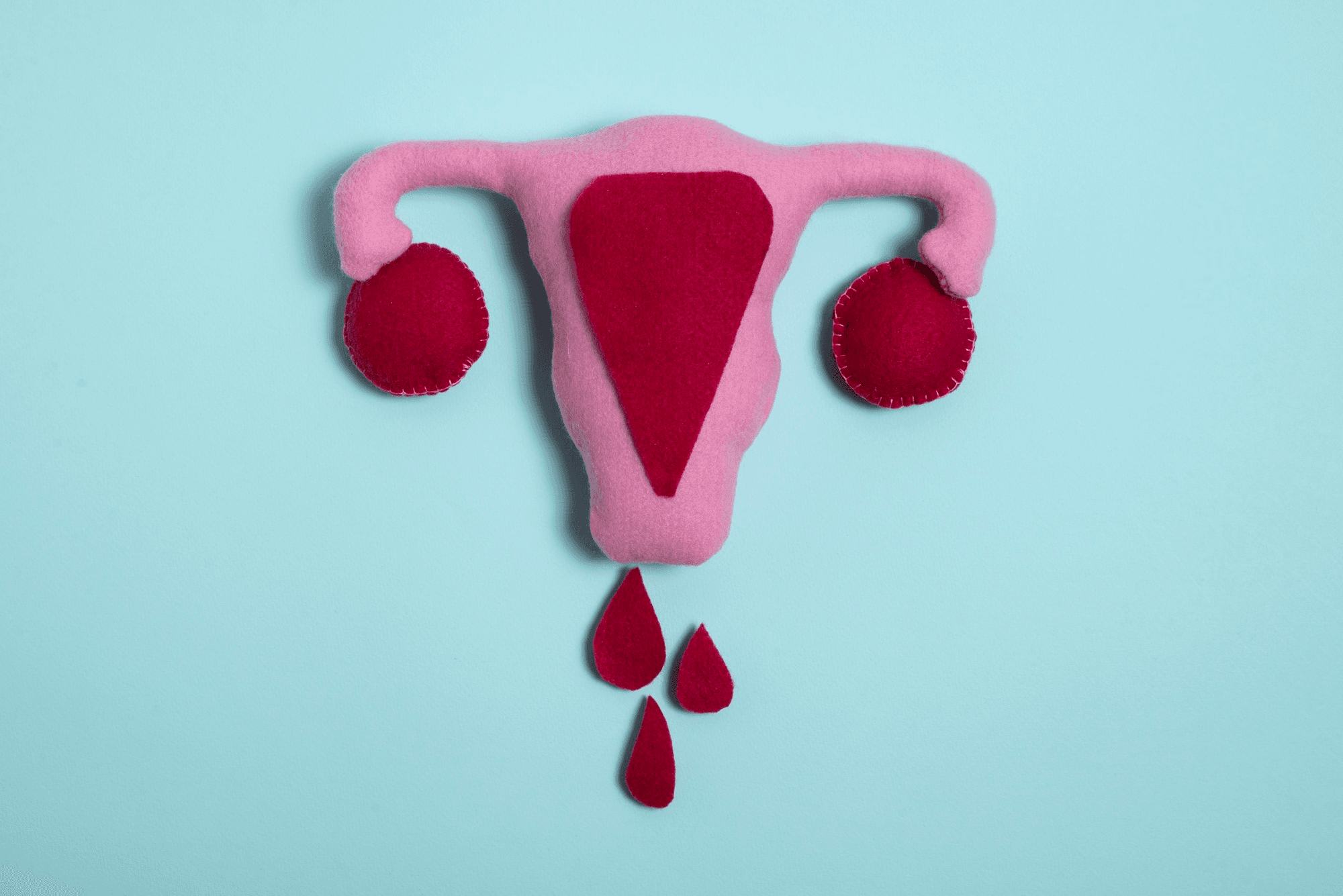
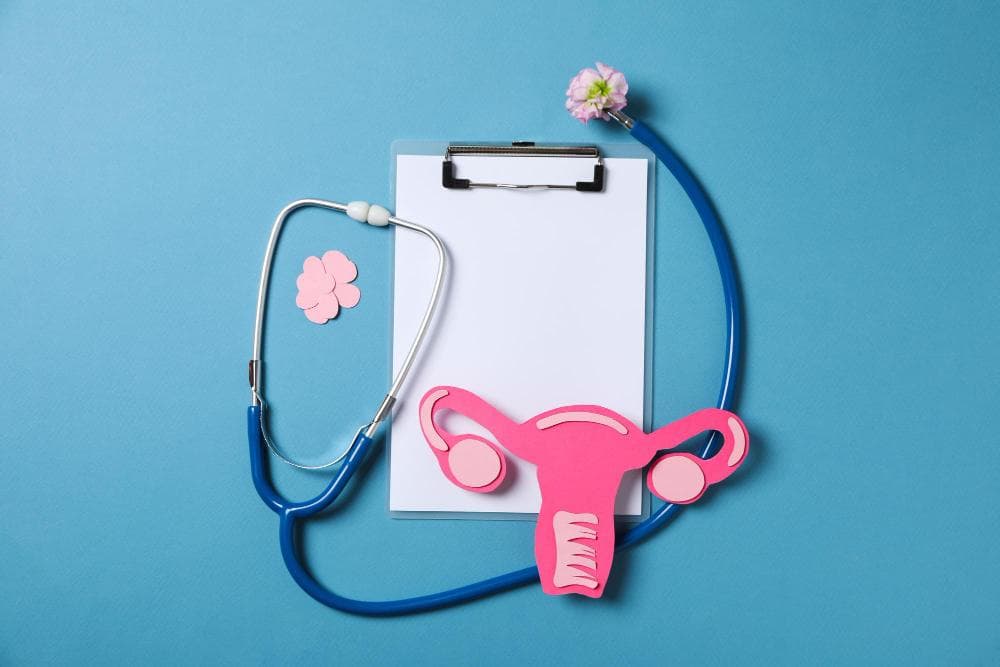
An illustration of the female reproductive organ, depicting the process of menstruation.
The return of menstruation after delivery is one of the most variable postpartum experiences. Some women have their first period at 6 weeks; others not until 18 months. Both ends of this spectrum can be entirely normal, depending primarily on whether and how the woman is breastfeeding.
Dr. Shachi Singh, consultant gynaecologist at Prakash Hospital, Sector 33, Noida, explains.
The Primary Factor: Breastfeeding
Prolactin — the hormone that stimulates breast milk production — suppresses the hypothalamic-pituitary axis and inhibits ovulation. The more breastfeeding, the higher the prolactin, and the longer the suppression.
Exclusively breastfeeding women: Periods typically return between 6 and 18 months after delivery — often not until breastfeeding is significantly reduced or stopped. The range is wide. Some women have no period until they wean completely. Others see their period return even while still breastfeeding several times daily, typically when night feeds reduce or supplementary feeding begins.
Mixed feeding (breast and formula): Periods typically return earlier than with exclusive breastfeeding — often between 3 and 6 months.
Non-breastfeeding women: Ovulation can return as early as 3 to 4 weeks after delivery. The first period usually comes at 6 to 8 weeks — but can be as early as 4 weeks. This is why contraception is so important in the early postpartum period for women who are not breastfeeding.
What Precedes the Period: The Important Point
Ovulation occurs before the first postpartum period. By the time a woman sees her first period after delivery, she has already ovulated — typically 2 weeks earlier. This means pregnancy is possible before the first period returns, without any warning.
Women relying on absence of periods as a sign of infertility in the postpartum period must understand this clearly: no period does not mean no ovulation.
What the First Few Postpartum Periods Are Like
The first few postpartum periods can be different from pre-pregnancy cycles:
Heavier than before: The uterus is larger post-pregnancy, and the endometrium may respond more robustly initially. Some women find their periods are significantly heavier for the first few cycles. If soaking more than a pad per hour for several hours, seek assessment.
More crampy: Some women experience more painful periods initially postpartum, even if pre-pregnancy periods were relatively pain-free.
Irregular: The first few cycles may be longer or shorter than usual, with variable flow. This is normal as the hormonal axis re-establishes its rhythm.
Clots: Small clots in the first one to two postpartum periods are common. Large clots or very heavy bleeding need assessment.
When to See a Gynaecologist
- No period by 3 months after stopping breastfeeding
- Periods are not returning but pregnancy has been excluded and breastfeeding has substantially reduced
- Very heavy periods or periods with large clots
- Severe cramping not responsive to standard pain relief
- Irregular cycles that continue beyond 3 to 4 cycles postpartum
Lochia: The Postpartum Discharge That's Not a Period
In the first 4 to 6 weeks after delivery, women experience lochia — postpartum vaginal discharge from the healing uterine lining. Initially red and blood-like (lochia rubra), it transitions to pinkish-brown (lochia serosa) and then to white/yellow (lochia alba). This is not a period — it is wound healing discharge from the uterus.
Any return to bright red heavy bleeding after lochia has lightened, offensive-smelling lochia, or fever accompanying lochia needs prompt assessment (may suggest retained products or infection).
Gynaecological Care in Noida and Greater Noida
Dr. Shachi Singh at Prakash Hospital, Sector 33, Noida, provides postnatal gynaecological care for women across Noida and Greater Noida.
To book a consultation with Dr. Shachi Singh, call: +91 97023 46853
This blog is for informational purposes only.