Cosmetic Gynecology: Meaning, Benefits, And Possible Risks
By Dr. Shachi SinghUpdated

A close-up shot of a female gynecologist with latex gloves examining a woman’s pelvic region with a speculum.
Recently, women have been paying attention to their intimate health and personal well-being. People want to feel comfortable and confident, and that’s driving more folks to look into different options. Since medical technology is always evolving, there are also methods that focus on fixing issues that may arise due to natural changes in aging, childbirth, or changing hormones. These procedures can be very effective. It is also important to have realistic expectations about what they can and cannot accomplish, be aware of any risks, and always discuss thoroughly with a trustworthy physician before deciding.
Cosmetic Gynecology: Meaning
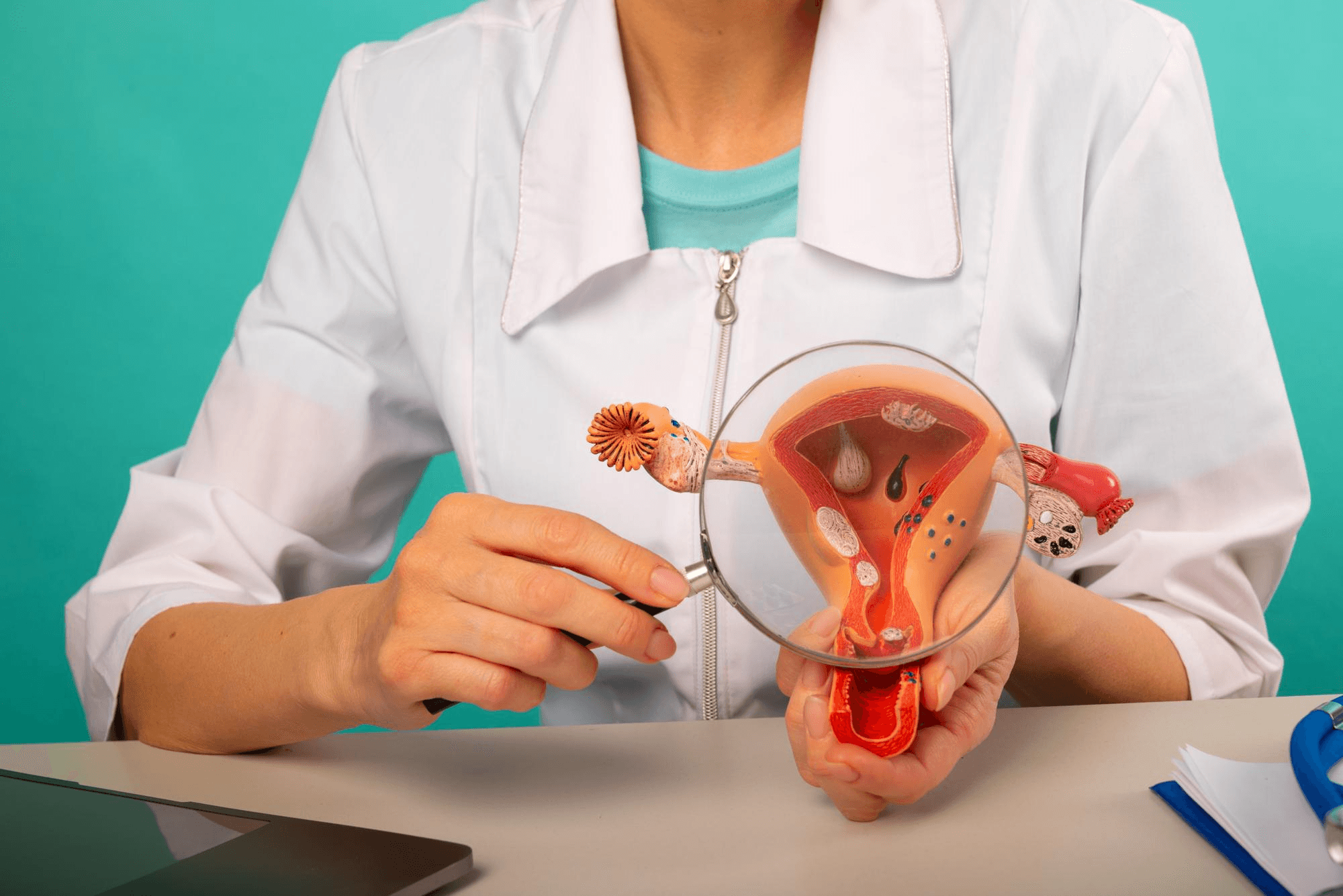
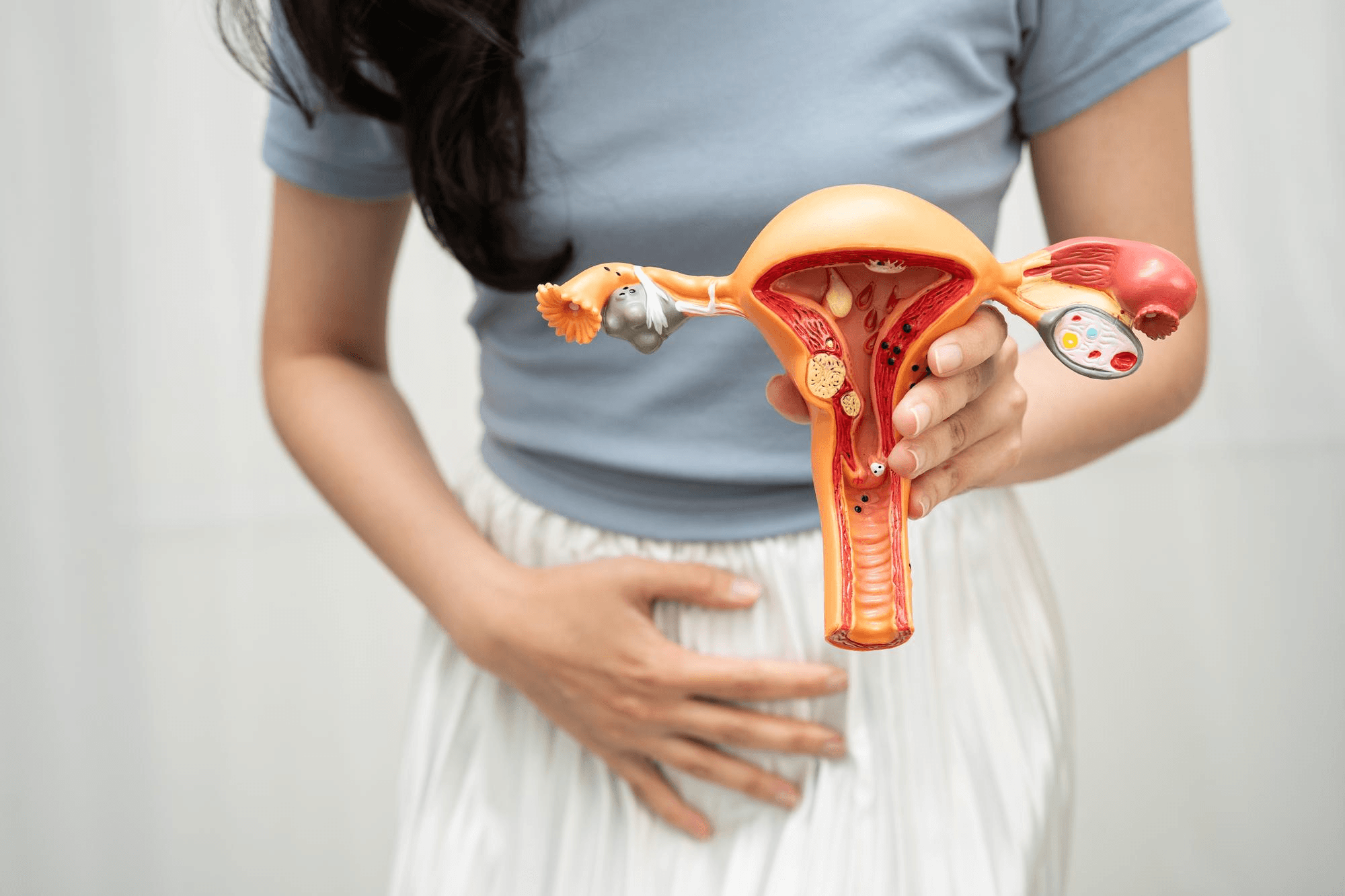
Cosmetic gynecology is a subspecialty in the medical specialty of Gynecology that represents both surgical and non-surgical procedures designed to improve the aesthetics and functional health of the internal and external female genitalia.
Examples include a labiaplasty, a vaginoplasty, a reduction of the clitoral hood, or energy treatments used to tighten and renew vaginal function. Cosmetic gynecology may be done for various reasons, including addressing genital laxity, hypertrophy, atrophy, and changes resulting from the postpartum period.
Although the main aim is for beautification purposes, the procedure can also enhance the female orgasmic function and urinary symptoms.
Cosmetic Gynecology: Procedures
1. Pre-op Evaluation
The journey begins with a consultation, where medical history is assessed, and a physical examination of the pelvis takes place, and agreement about the goals and objectives is established among the interested parties.
Discussions of what is achievable and not achievable, and the potential risks involved, are central to this phase, along with the signing of a comprehensive informed consent document to confirm patient understanding of benefits and risks.
2. Anesthesia
The procedure is carried out using local anesthesia with sedation, or general anesthesia, depending on the individual case and particular treatment performed.
3. Surgical/Non-Surgical Procedure
The procedure itself either involves an operative (labiaplasty/vaginoplasty) or non-operative (laser/radiofrequency) approach in the modification of labial/vaginal tissue with the use of sterilized instruments and meticulous technique.
4. Hemostasis and Closure
The physician ensures control of the bleeding, with the procedure concluded using dissolvable sutures for approximation of the skin, to achieve optimal healing.
5. Post-op Instructions and Follow-up
Post-op instructions for cleanliness and what actions to refrain from taking, as well as prescribed medications, are discussed, followed by scheduled follow-up visits, at which the clinician can assess the result, address patient concerns, and troubleshoot potential difficulties.
Cosmetic Gynecology: Benefits

A doctor is communicating with a patient during a private consultation about a cosmetic procedure at an office.
1. Enhanced Appearance
Procedures like labiaplasty balance out the vulva and slim down excess tissue, so everything looks more even and natural.
2. Better Function
Vaginoplasty tightens up things inside, giving the pelvic floor more support and easing mild stress urinary incontinence.
3. More Sexual Satisfaction
When the area’s tighter and the clitoral hood’s reduced, there’s more friction and sensitivity, which can really boost pleasure.
4. Physical Comfort
Reducing excess labial tissue results in less irritation, rubbing, and discomfort when being active or wearing tight clothes.
5. Psychological Improvements
Solving these intimate issues results in increased confidence, body image, and self-esteem.
6. Postpartum and Age-related Restoration
These procedures help reverse changes from childbirth, hormones, or aging, so both appearance and function get a refresh.
Cosmetic Gynecology: Possible Risks
Cosmetic gynecology is risky, even when you’re in expert hands. Sometimes things go sideways, like infections after surgery, slow healing, or wounds reopening, especially if instructions are not followed.
Bleeding can happen, or a hematoma might show up. Scars, fibrosis, or adhesions could form and mess with both looks and function. If nerves get involved, you might end up with numbness or become unusually sensitive.
Painful sex has been reported by some after these procedures, too. And honestly, not everyone likes the final look, which means you might need another surgery just to fix it. That’s why thorough evaluation, honest conversations about what to expect, and diligent aftercare matter a lot. It’s the best way to lower your chances of trouble.

A female gynecologist with latex gloves is explaining reports to a patient.
Final Thoughts
Cosmetic gynecology is about appearance and feeling comfortable, confident, and improving intimate health. The procedures can definitely make a difference, but you need to think about what you really want, what’s possible, and any risks involved. Meeting with a specialist helps you sort through all that and get care that fits you personally. Making smart choices with honest medical advice matters most, and it sets you up for results that actually feel right and are medically sound.
Expert Care With Dr. Shachi Singh
Are you contemplating cosmetic gynecology? Connect with Dr. Shachi Singh, a gynecologist and obstetrician, and also a proficient laparoscopic surgeon with impeccable experience in state-of-the-art cosmetic procedures. The concern is exclusively for your comfort and satisfaction with the modern treatment techniques designed for you.
Book your appointment today and begin your path to increased confidence. Your private and personalized consultation will set you at ease and confirm that your health and well-being are of utmost importance to Dr. Singh and her dedicated staff.
Frequently Asked Questions (FAQs)
1. What does cosmetic gynecology entail?
Cosmetic gynecology deals with surgeries to improve both the appearance and function of the female genital area. Common surgeries include labiaplasty, vaginoplasty, reduction of the clitoral hood, hymenoplasty, and laser or radiofrequency-based non-surgical vaginal rejuvenation. The reason may be to treat problems that result from childbirth, aging or just for one's personal desire as well as enhancing self-esteem, improving sexual health and establishing closeness.
2. What is the optimal age for undergoing a vulvoplasty?
There is no set age limit or the "best" age to have a vulvoplasty. However, the procedure is recommended when the genitalia have reached their full physical maturity; therefore, for most women, after the age of 18 years. The decision for the procedure will be made in view of the patients’ personal problems with regard to comfort, functions, and appearance. Careful consideration with appropriate medical evaluation and psychological stability should be provided.
3. What is cosmetic gynecology?
Cosmetic gynecology is a specialized branch of Gynecology that deals with a set of optional procedures to enhance the appearance and the functioning of the female genital region. This includes surgical techniques and the application of treatments that make it non-invasive. Common procedures address concerns such as skin laxity, tissue hypertrophy, and poor appearance in the genital area, and they can help improve sexual well-being. These procedures should be performed only by experienced practitioners.
4 . Do gynecologists endorse labiaplasty?
Gynecologists only recommend labiaplasty in those women where the problem is significant enough to cause functional symptoms like pain, irritation, hygiene problems, or mechanical disadvantage, but for cosmetic concerns, it is often considered a personal choice which is purely voluntary. Ethical practitioners provide thorough information and explanations about potential complications, risks, and benefits to achieve realistic results as per patient expectation and comfort with the procedure and to ensure it is performed safely for the woman's well-being.