Urinary Incontinence in Women: Why It's So Common and What Can Be Done
Reviewed by Dr. Shachi Singh, MBBS
Consultant Gynaecologist & Laparoscopic Surgeon, Prakash Hospital, Noida
Published
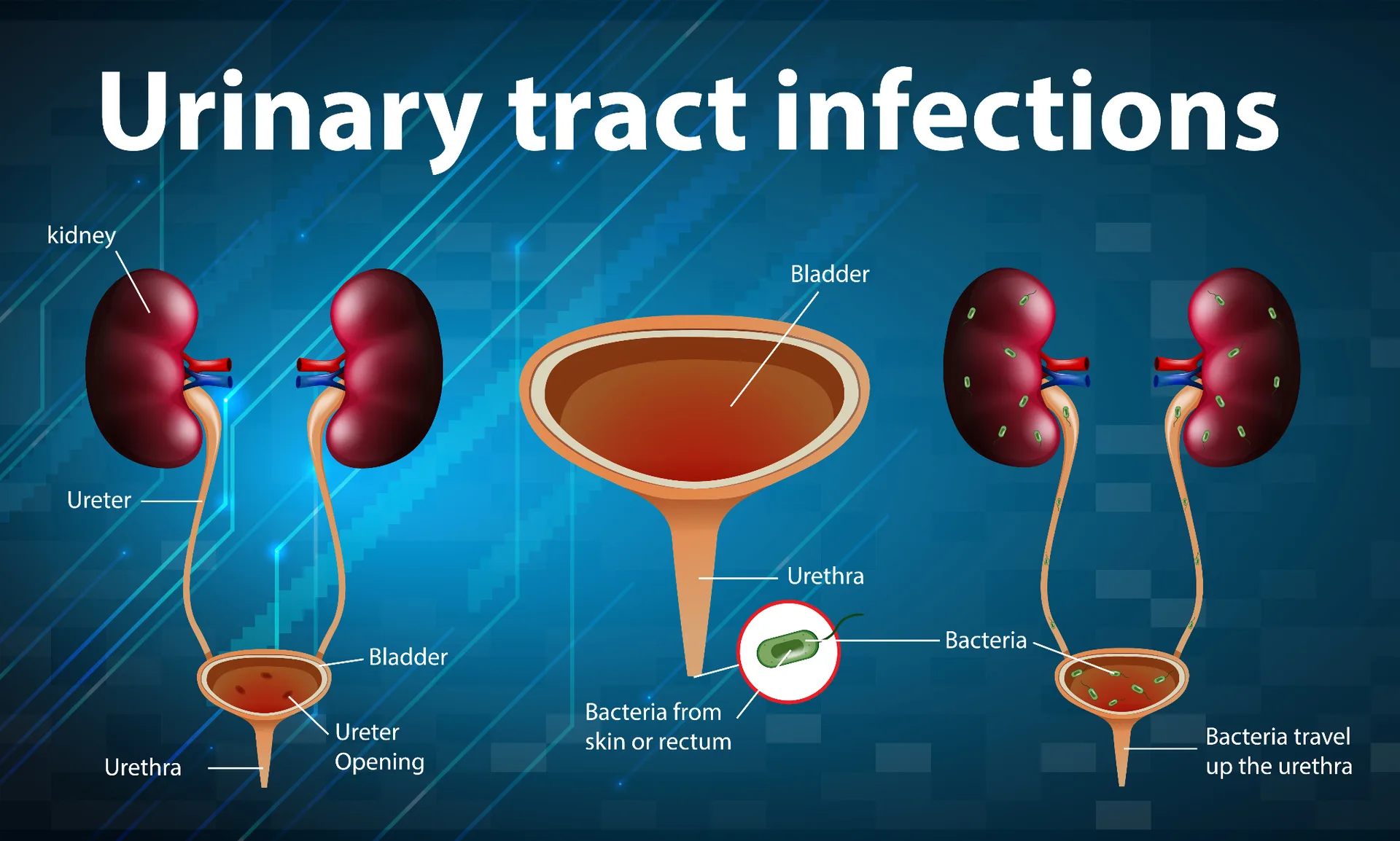
Medical infographic illustrating a urinary tract infection (UTI), showing the urinary bladder and the location where bacteria enter and multiply.
Urinary incontinence — the involuntary leakage of urine — is extraordinarily common in women. Population studies suggest 25 to 45% of women will experience significant urinary incontinence at some point. Yet it remains dramatically underreported because of embarrassment, the assumption that it is "normal" after childbirth, or the belief that nothing can be done.
Neither assumption is true. Incontinence is not inevitable. And it is very treatable.
Dr. Shachi Singh, consultant gynaecologist at Prakash Hospital, Sector 33, Noida, explains.
Types of Urinary Incontinence
Stress Urinary Incontinence (SUI)
Leakage with physical exertion — sneezing, coughing, laughing, jumping, lifting. The commonest type in younger and middle-aged women.
Mechanism: Increased intra-abdominal pressure from the physical activity exceeds the closure pressure of the urethra — leakage occurs. This happens because the urethral sphincter and its supporting structures (pelvic floor and urethral ligaments) are weakened — most commonly from childbirth injury, hormonal changes at menopause, or chronic increased intra-abdominal pressure (chronic cough, obesity, heavy lifting).
Urgency Urinary Incontinence (UUI)
Leakage preceded by a sudden, intense urge to urinate — the bladder contracts involuntarily before the woman can reach a toilet. Often called "overactive bladder" (OAB) when urgency and frequency occur without leakage.
Mechanism: Detrusor (bladder muscle) overactivity — the bladder contracts when it should not, generating urgency. Often idiopathic (no identifiable cause). Associated with: neurological conditions, bladder irritants (caffeine, alcohol, carbonated drinks), UTI, bladder outlet obstruction.
Mixed Incontinence
The most common type overall — features of both SUI and UUI occurring together.
Overflow Incontinence
Urinary retention — the bladder cannot fully empty — leads to constant dribbling overflow. Less common in women than men. Causes: severe pelvic organ prolapse, neurological disease, or detrusor underactivity.
Risk Factors
- Childbirth: Vaginal delivery, particularly with large babies, prolonged second stage, or perineal tears, damages the pelvic floor and urethral support
- Menopause: Oestrogen loss reduces urethral collagen and closes the gap between urethral closure pressure and abdominal pressure
- Obesity: Chronically elevated intra-abdominal pressure
- Chronic cough: As above
- Previous pelvic surgery
- Age
Assessment
A thorough history is the most important first step — distinguishing SUI from UUI from mixed, and identifying triggers, severity, and impact on quality of life.
Bladder diary: Recording fluid intake, voiding times and volumes, urgency, and leakage episodes over 3 days — provides objective information about bladder behaviour.
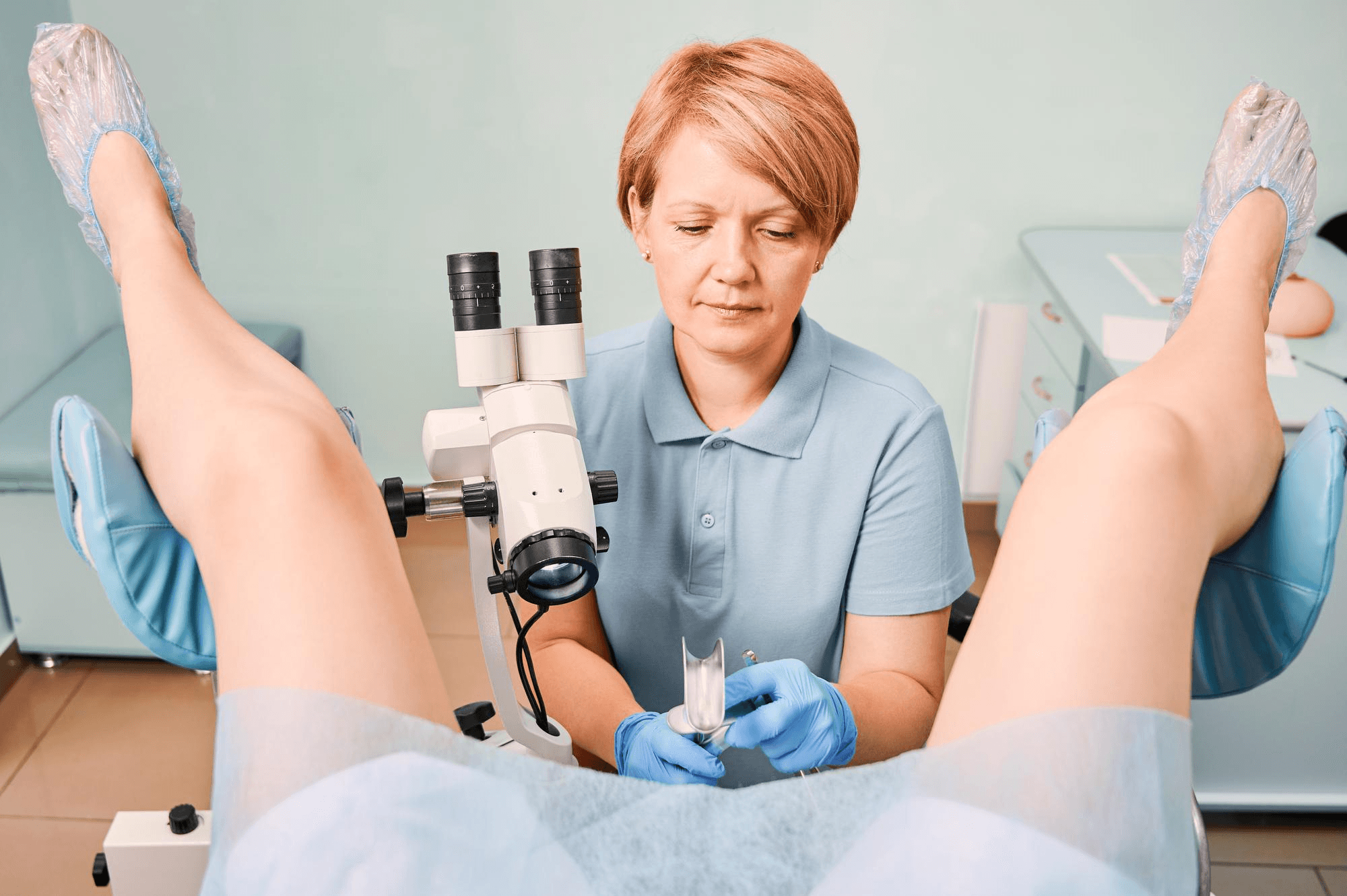
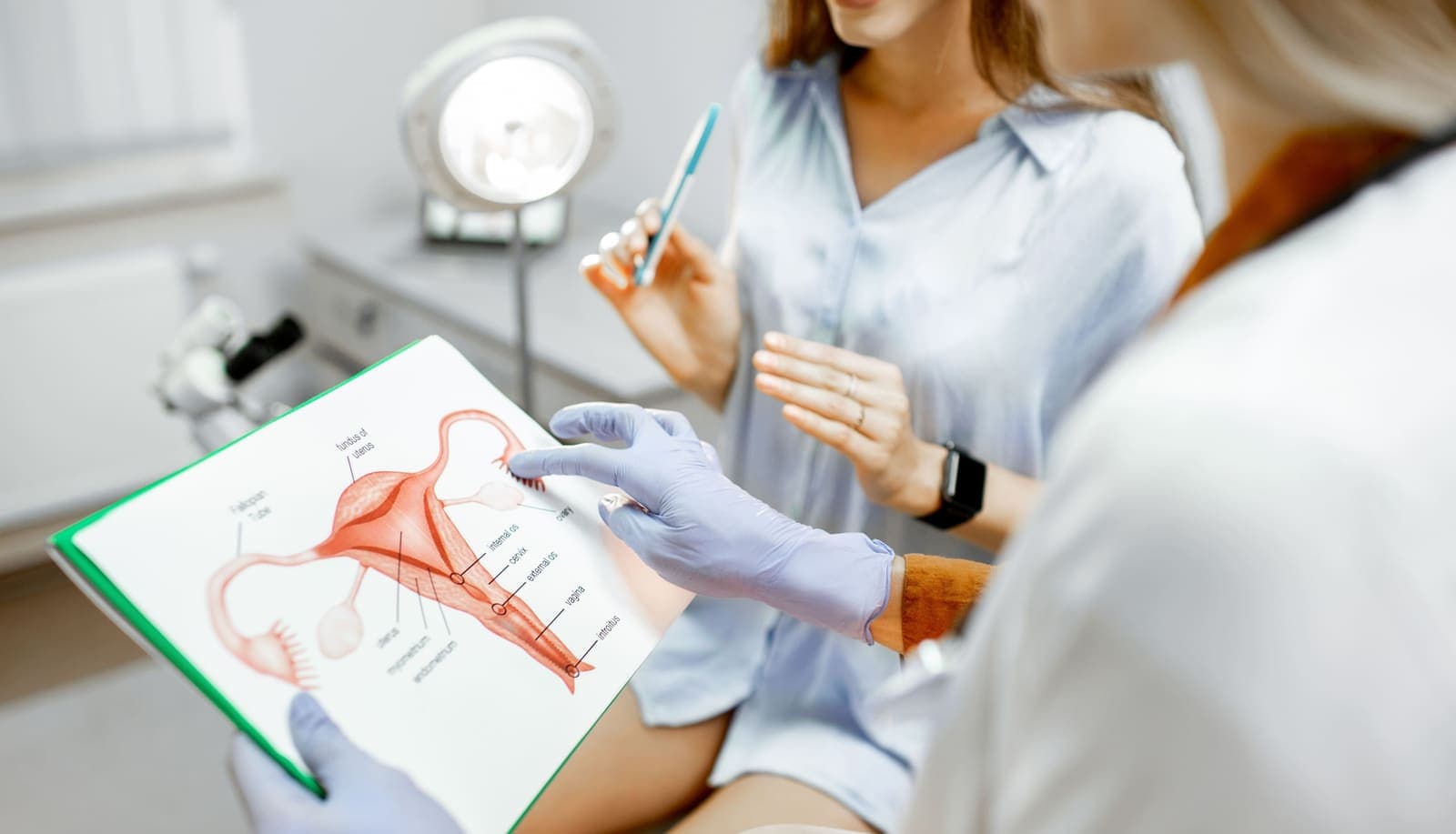
Pelvic examination: Assessing prolapse, pelvic floor muscle strength, urethral mobility.
Urine dipstick and culture: Excluding UTI (which causes urgency and can worsen all types of incontinence).
Urodynamics: Cystometry — measuring bladder pressure during filling — definitively identifies the type of incontinence. Performed when the diagnosis is unclear or before surgery.
Treatment
Pelvic Floor Muscle Training (PFMT) — First-Line for SUI
The cornerstone of SUI treatment. Correctly performed pelvic floor exercises (Kegel exercises) strengthen the levator ani and improve urethral support — reducing leakage. Key point: Most women perform Kegels incorrectly — either squeezing the wrong muscles (buttocks or abdomen) or not holding long enough. Supervised PFMT with a women's health physiotherapist is significantly more effective than self-guided exercise.
For moderate to severe SUI, 3 months of supervised PFMT is recommended before considering surgical options.
Lifestyle Modifications
- Weight loss — reduces intra-abdominal pressure: even a 5 to 10% weight reduction improves SUI significantly
- Treating chronic cough — addressing asthma, smoking-related lung disease
- Caffeine and fluid modification — for UUI: reducing caffeine (which is a bladder irritant) and avoiding large fluid volumes in a short time
Bladder Retraining — First-Line for UUI
Deliberately delaying voiding to gradually increase the interval between urinations — retraining the bladder to hold larger volumes before urgency becomes overwhelming. Requires a structured programme with incremental increase in voiding intervals.
Medication for UUI
Antimuscarinics (oxybutynin, tolterodine, solifenacin): Reduce detrusor overactivity. Effective but side effects — dry mouth, constipation, cognitive effects (particularly with oxybutynin in older women).
Beta-3 agonists (mirabegron): Newer class — relaxes the detrusor during filling without the anticholinergic side effects. Well tolerated. Safe to use.
Vaginal oestrogen: For postmenopausal women — local oestrogen improves urethral mucosal function and reduces urgency and frequency.
Surgical Treatment for SUI
For women who have not responded adequately to supervised PFMT or prefer definitive treatment:
Mid-urethral sling (TVT/TOT): A minimally invasive procedure — a small strip of mesh tape is placed under the mid-urethra to provide support. Under 30 minutes, often as day surgery. Very effective (80 to 85% cure rate for SUI). The most commonly performed incontinence procedure globally.
Bulkamid (urethral bulking): Injection of a hydrogel into the urethral wall to increase its bulk and closure pressure. Outpatient procedure, less effective than sling (50 to 60% improvement) but minimally invasive and repeatable.
Colposuspension (Burch): Laparoscopic suspension of the bladder neck — effective, but larger procedure than a sling.
Gynaecological Care in Noida and Greater Noida
Dr. Shachi Singh at Prakash Hospital, Sector 33, Noida, assesses and manages urinary incontinence — from pelvic floor physiotherapy guidance and bladder retraining to surgical options — for women across Noida and Greater Noida.
To book a consultation, call: +91 97023 46853
Clinic Hours: Monday to Saturday, 9 AM – 6 PM | Sunday, 10 AM – 2 PM
Address: D-12A, 12B, Sector-33, G.B. Nagar, Noida, UP 201301
This blog is for educational purposes only.