Pregnancy Weight Gain: How Much Is Healthy, What Happens If It's Too Much or Too Little

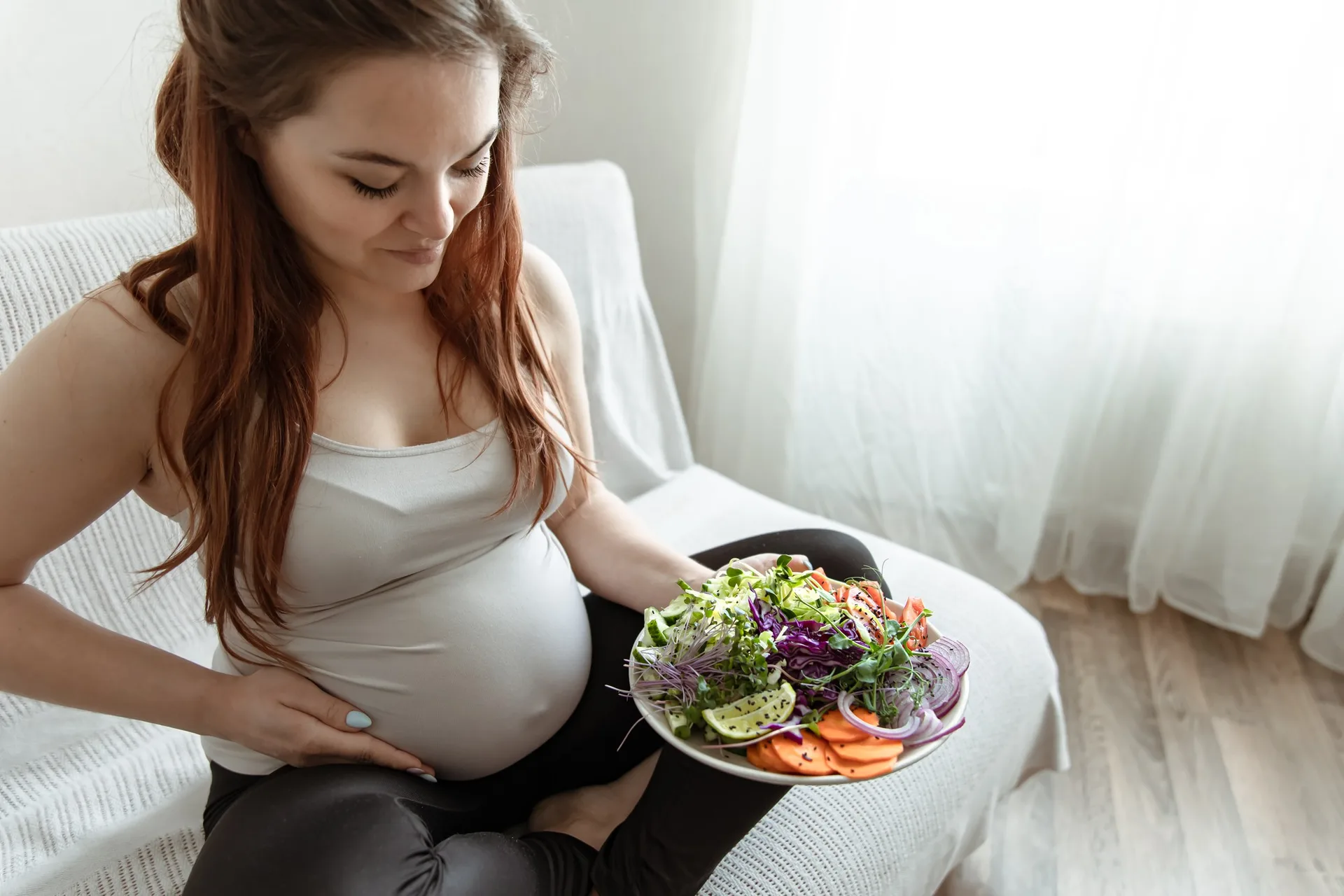
Pregnant woman visiting a doctor.
Weight in pregnancy is one of the most emotionally loaded topics in antenatal care. Women who gain more than expected are told they are eating for two. Women who gain less are told they are not eating enough. The numbers on the scale at every appointment carry a weight of judgement that does not serve anyone well.
The clinical reality is simpler. Pregnancy weight gain has a well-established evidence base — recommendations based on pre-pregnancy body mass index that are associated with the best outcomes for both mother and baby. The goal is not a specific number on a scale. It is providing the baby with what it needs to grow well, while protecting the mother's health through pregnancy and recovery.
Dr. Shachi Singh, consultant obstetrician at Prakash Hospital, Sector 33, Noida, explains the recommended weight gain ranges, what each trimester's gain represents, what too much and too little gain mean for health, and how to manage weight gain practically through an Indian pregnancy.
Where Pregnancy Weight Actually Goes
Pregnancy weight is not fat accumulation — at least, not primarily. A significant portion of the weight gained in a healthy pregnancy accounts for specific physiological increases.
The maternal fat stores — approximately 2.5 to 3.5 kg — are an important part of healthy pregnancy weight gain. These fat stores are specifically used to support breastfeeding after delivery, where they provide a significant proportion of the energy needed for milk production. Women who gain significantly below recommended ranges may not lay down adequate fat stores for postpartum recovery.
Trimester-by-Trimester Weight Gain
First trimester (weeks 1 to 12): Weight gain is minimal — typically 1 to 2 kg for the whole trimester. The baby is tiny and its caloric demands are negligible. Many women gain very little or nothing in the first trimester due to nausea; some lose a small amount. This is generally not concerning — the baby's needs in the first trimester are small.
Second trimester (weeks 13 to 26): Weight gain increases — approximately 0.4 kg per week for normal-weight women, totalling 4 to 5 kg for the trimester. This is when the baby's growth accelerates, blood volume expands significantly, and fat stores begin building. Appetite typically returns as nausea eases.
Third trimester (weeks 27 to 40): The fastest phase of weight gain — the baby adds most of its birth weight here. Gain of approximately 0.4 kg per week, totalling 5 to 6 kg for the trimester. The baby's weight gain from weeks 32 to 40 is approximately 200 g per week.
What Happens If You Gain Too Much
Gaining significantly above the recommended range during pregnancy is associated with:
For the baby:
- Macrosomia (very large baby, above 4 kg) — increases the risk of shoulder dystocia (baby's shoulder getting stuck during delivery), the need for instrumental delivery or caesarean section
- Neonatal hypoglycaemia — large babies produce more insulin
- Increased risk of childhood obesity in the baby later in life
For the mother:
- Gestational diabetes — excess weight gain worsens insulin resistance
- Gestational hypertension and preeclampsia
- More difficult delivery
- Higher caesarean section rate
- Greater postpartum weight retention — women who gain significantly above recommended ranges retain more weight after delivery
The dietary approach to managing excessive weight gain is not restriction — it is quality. Removing empty-calorie, low-nutrient foods (packaged snacks, sugary drinks, fried foods) and replacing them with nutrient-dense options (dal, vegetables, whole grains, dairy) provides better nutrition with appropriate calories. Combined with regular walking and gentle exercise, this manages weight gain without affecting fetal nutrition.
What Happens If You Gain Too Little
Gaining below the recommended range is associated with its own risks:
For the baby:
- Low birth weight (below 2.5 kg) — associated with poor long-term health outcomes, impaired brain development, and higher infant mortality
- Preterm birth
- Small-for-gestational-age — the baby does not meet its growth potential
For the mother:
- Inadequate fat stores for breastfeeding
- Greater vulnerability to postpartum anaemia
Underweight gain in pregnancy — particularly in the second and third trimesters — needs investigation. Causes include persistent nausea and vomiting, inadequate food intake, malabsorption, anaemia, or occasionally placental insufficiency causing the baby not to grow as expected (IUGR).
In India, where a significant proportion of women enter pregnancy underweight or with marginal nutritional status, gaining at the lower end or below the recommended range is a more common clinical concern than gaining too much. The focus for many Indian women should be on ensuring adequate, nutrient-dense food intake, particularly iron, calcium, folate, and protein.
Practical Weight Management in an Indian Pregnancy
Focus on food quality, not restriction: During pregnancy is not the time to diet. The focus is on ensuring excellent nutritional quality at every meal. More dal, more leafy greens, more whole grains, more dairy — rather than calorie counting.
Do not "eat for two": Extra caloric needs are modest — zero additional calories in the first trimester, 300 to 350 extra per day in the second, 400 to 450 in the third. One extra roti with dal and a glass of milk covers this.
Regular gentle exercise: Walking 30 minutes most days, prenatal yoga, swimming — all help manage weight gain while having additional benefits for sleep, mood, and back pain.
Avoid empty calories: Sugary drinks, packaged biscuits and chips, fried snacks, and sweets add calories with negligible nutritional value. These are the foods to reduce, not the wholesome Indian staples.
Weigh monthly, not daily: Daily weight fluctuations from fluid and food are normal and not informative. Monthly weighing at antenatal appointments gives the trend that matters.
Antenatal Weight Monitoring in Noida and Greater Noida
Dr. Shachi Singh at Prakash Hospital, Sector 33, Noida, monitors weight gain and nutritional status as part of comprehensive antenatal care for women across Noida and Greater Noida. Weight outside recommended ranges is managed practically — with dietary guidance and assessment of underlying causes — not with blame.
To book a consultation with Dr. Shachi Singh, call: +91 97023 46853
Clinic Hours: Monday to Saturday, 9 AM – 6 PM | Sunday, 10 AM – 2 PM
Clinic Address: D-12A, 12B, Sector-33, G.B. Nagar, Noida, Uttar Pradesh 201301
Frequently Asked Questions
1. How much weight should I gain in each trimester?
First trimester: 1 to 2 kg total. Second trimester: 4 to 5 kg (about 0.4 kg per week for normal BMI). Third trimester: 5 to 6 kg. Total for normal pre-pregnancy BMI: 11.5 to 16 kg.
2. Is it normal to gain no weight in the first trimester?
Yes. Minimal or no weight gain in the first trimester is common, particularly in women with significant nausea. The baby's needs at this stage are small. Significant weight loss from severe vomiting (hyperemesis gravidarum) warrants medical attention, but minimal gain is normal.
3. Will pregnancy weight come off after delivery?
Some of it — immediately after delivery, women typically lose 5 to 6 kg (baby, placenta, amniotic fluid). Additional fluid is lost in the first week. The remaining weight — primarily the fat stores — reduces over the months following delivery, with breastfeeding assisting. Women who gained within recommended ranges generally find postpartum weight loss easier.
4. Can I diet during pregnancy to manage weight gain?
No — caloric restriction during pregnancy risks inadequate fetal nutrition and low birth weight. The appropriate approach is eating a nutrient-dense, low-empty-calorie diet rather than restricting total food intake. Discuss any concerns about weight gain with your obstetrician.
This blog is written for educational and informational purposes only. Please consult Dr. Shachi Singh or a qualified obstetrician for guidance on weight gain specific to your pre-pregnancy BMI and pregnancy.