Clitoral Hood Reduction: Benefits, Procedure, And Recovery
By Dr. Shachi SinghUpdated
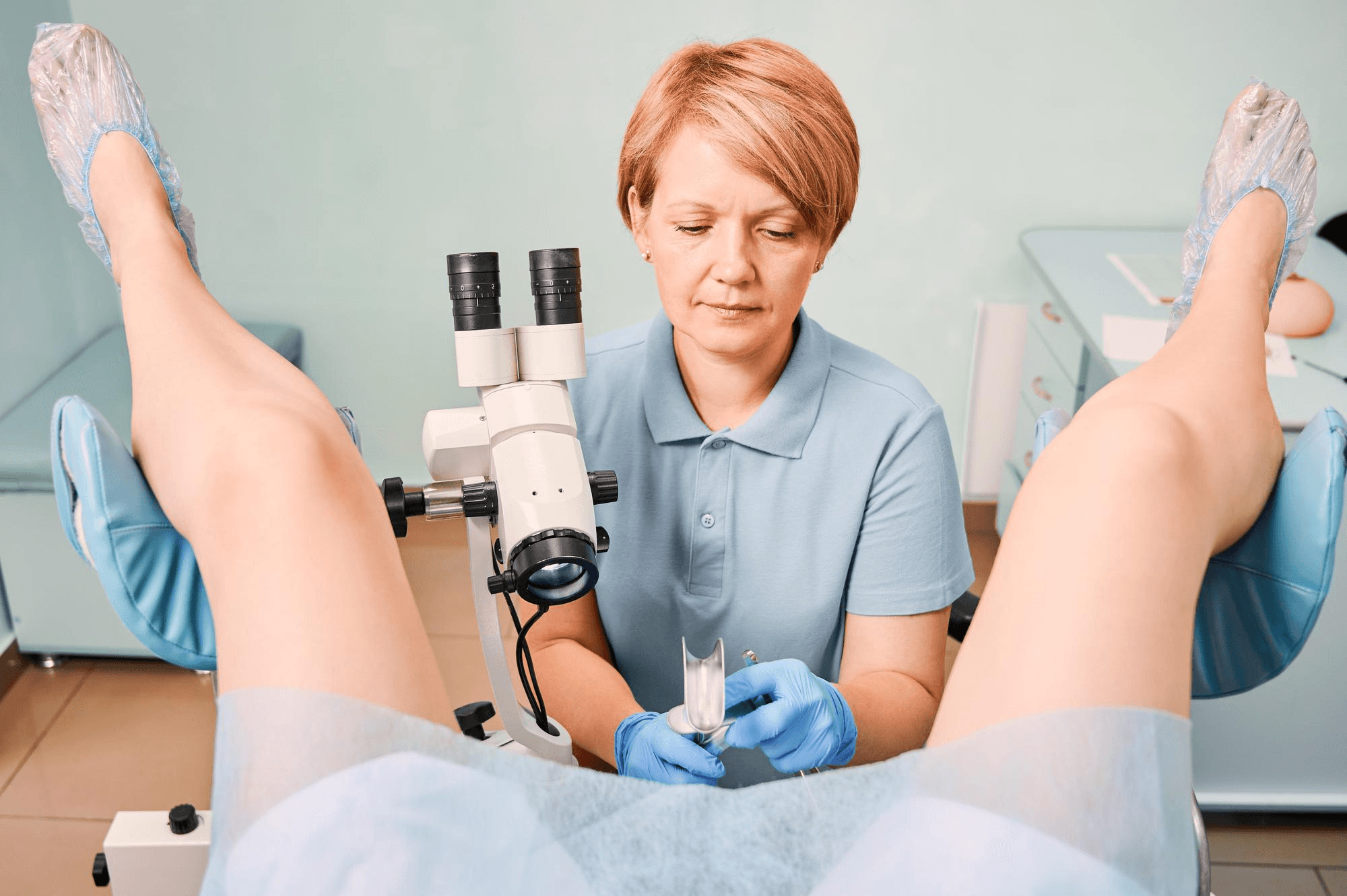
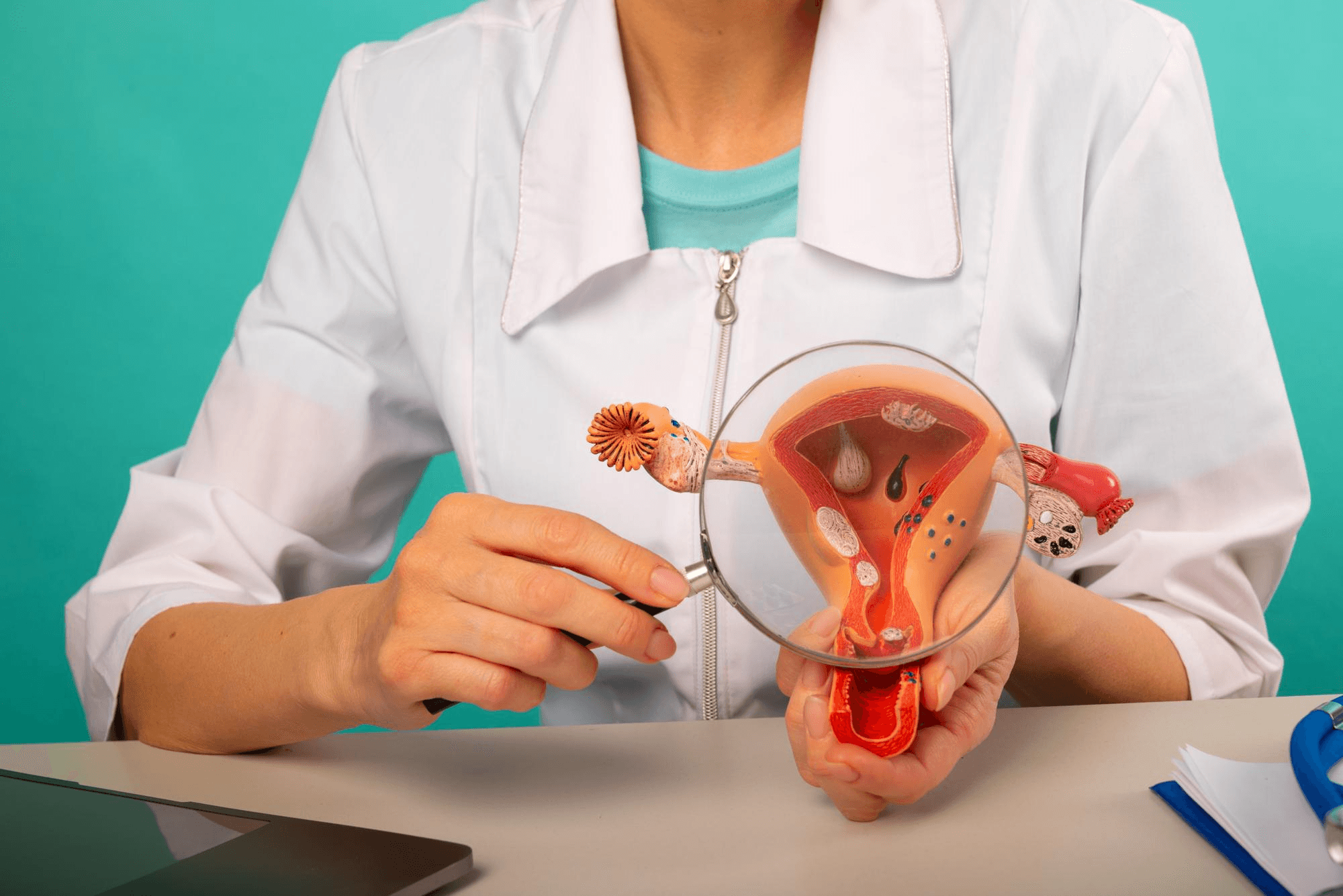
Physician examines anatomy and discusses clitoral hood related concerns and available treatment alternatives to ensure all patient needs are adequately addressed.
Reduction of the clitoral hood (clitoral hoodectomy) is a cosmetic gynecological procedure where the overhanging tissue that surrounds the clitoris is removed. Women seek this procedure for cosmetic and physical improvement. Those who suffer from irritation or discomfort because of their labial folds, as well as women with reduced sensitivity or inability to orgasm, often elect for this surgery.
Performed by an experienced cosmetic surgeon or gynecologist and usually in combination with a labiaplasty, clitoral hood reduction can be performed with minimally invasive surgical techniques and leads to satisfactory results with swift recovery.
Understanding Clitoral Hood Reduction Surgery
Clitoral hood reduction is a meticulous surgical procedure that seeks to remove any excess redundant preputial skin that is concealing and draping over the clitoris itself. It is often performed when there are aesthetic concerns as well as perceived functional issues, such as discomfort, irritation, or diminished sensation.
The operation is carried out by a highly skilled surgeon who carefully trims away the surplus tissue and pays utmost attention to the protection of the clitoral glans and its nerve supply. The wound is then closed meticulously, generally using fine, non-irritating absorbable sutures, which has the benefit of resulting in a minimal and often invisible scar.
Benefits Of Clitoral Hood Reduction: Functional and Aesthetic.
1. Enhanced Aesthetic Results
A very common motivation for undergoing this surgery is to have a better-proportioned appearance of the vulva. To satisfy an individual's's desire of aesthetics.
2. More Comfort In Daily Life
An excess of tissue around the clitoris might cause some discomfort, especially during exercise, sports like bicycling or simply during wear of tight clothing. Reduction may ameliorate that.
3. Potential For An Increase In Sensitivity
A reduction in skin volume over the glans of the clitoris may, for some women, produce an increase in sensitivity or even in stimulation; nevertheless, results vary between individuals.
4. Better Hygiene Pactices
This is a more functional aspect and sometimes a secondary benefit rather than a necessity of care. For some, it might simplify their feminine hygiene.
5. Better Self-Confidence
Aesthetic improvement of the vulvar appearance might positively affect self-confidence and a general sense of well-being.
How It Works: A Step-By-Step Guide To Clitoral Hood Reduction
1. Pre-Operative Assessment: Getting Prepared For Surgery
The first stage in this procedure is the initial consultation, where the surgeon will discuss your issues, expectations and examine your medical history. A physical examination will then be conducted to find out whether the patient is an ideal candidate and what type of procedure would be best suited to them. Patients will be provided with instructions regarding preparing themselves for the surgery:
- Stop blood-thinning tablets, like aspirin and ibuprofen
- Stop taking specific supplements like Vitamin E in the run-up to the operation
- Follow strict fasting or hygiene guidelines as laid down by the surgeon
A safe operation and recovery time begin with adequate preparation. It is crucial to ensure there is clear communication between you and the surgeon so that you are aware of the expected outcome of the operation.
2. Surgical Part
This operation is usually performed as a day care surgery, and it should not take more than an hour. Local anaesthesia with sedation, or a general anaesthesia will be used depending on the comfort of the patient and the extent of the surgery. Everything is performed meticulously.;
- The excess skin is marked before removal
- It is re-shaped with precise incisions to contour the hood
- It is sutured using dissolvable stitches.
Throughout the procedure, the surgical team carefully monitors the physiological status of the patient. The aim is to conserve sensation while attaining optimal functional and cosmetic outcome.
3. Postoperative Period: Immediate Postoperative Care
Immediately after the surgery, the patient is monitored for a short while and discharged on the same day. Postoperatively, patients often experience some mild swelling and bruising as well as mild pain. The patient is advised the following about the postoperative period:
- Take the prescribed medicines to manage the pain
- Apply cold compresses to reduce the swelling
- Carefully adhere to hygiene restrictions and activity restrictions
The strict adherence to postoperative instructions minimises any complications and accelerates the healing process. Generally, after a few days, as pain starts to subside, the patients lead a normal life.

Gynecologist details clitoral hood treatment to patient who expresses her concerns, hopes, expectations, and inquires about the clitoral hood procedure.
Clitoral Hood Reduction Surgery: Recovery Process
The clitoral hood reduction surgery recovery process is divided into phases; to have a proper and effective recovery, you must follow post-operative instructions.
Phase 1: First 48-72 hours
The phase that is marked by obvious swelling and pain; this is why you need to take care of your body and rest.
- Apply cold packs for 15-20 minutes multiple times
- Take painkillers as prescribed
- Do not carry out movements that could create strain
Careful rest during these initial days helps to limit the effects of swelling and potential problems.
Phase 2: First week
Swelling and bruises may reach their climax and begin to diminish slowly; you will probably feel more at ease.
- You may slowly start with your daily activities
- Refrain from physical exertion and lifting heavy items
- Maintain genital hygiene carefully according to medical directions
You will probably be able to return to work with an office job within the first week, without causing undue stress to the treated area.
Phase 3: 2nd-4 th week
Healing progresses well, and the swelling and pain decrease as weeks go by.
- Moderate exercises, such as walking, may be initiated
- Avoid any activity that may compress or cause discomfort, like cycling
- Continue with the previous care routine
In this phase, the body is regaining strength, but special care is needed to avoid causing irritation or a delayed recovery.
Phase 4: 4th – 6 th week
Most of the swelling should have reduced, and the patient should feel more comfortable.
- Resume regular physical exercise gradually
- Sexual intercourse may be permitted only upon a doctor's approval
- Report to your surgeon if you feel something is wrong
The results start to look more defined, and the patient may feel more in line with their everyday life.
Phase 5: 3–6 months
The tissues will continue to soften, and the area will undergo the final stages of healing.
- Minor remaining swelling should be completely resolved
- Any scars will likely be almost unnoticeable
- The final appearance of the area will be clearer
Patience during this phase ensures that the best results of your clitoral hood reduction are achieved.
Final Thoughts
An experienced surgeon is needed for this complicated and sensitive surgery to achieve the desired cosmetic look with comfort. The surgery is performed in many cases by patients that find it to be uncomfortable or by choice for their desired cosmetic look.
By knowing the pros and cons of clitoral hood reduction surgery, an individual can make their decision with comfort and understanding of what is expected and what the benefits are along with what to expect with healing. While results may vary, a detailed consultation with a surgeon and care will result in positive outcomes and satisfaction.
It is important to know that when it comes to issues pertaining to women, professional assistance will guarantee the personal wants and concerns are handled professionally.
Expert Care With Dr Shachi Singh
Seeking to explore clitoral hood reduction or address questions about intimate health? Contact Dr Shachi Singh for highly skilled and personalised care. With over 15 years of experience as a senior consultant gynecologist in Noida, she focuses on minimally invasive surgical solutions and overall women's well-being. Her expertise spans from cosmetic gynecology to fertility treatments, offering a compassionate, private, and research-based approach.
Book a consultation today to discuss your concerns, learn about your options, and move forward with confidence towards greater comfort and health.

A gynecologist happily talks to the patient about health-related issues in a clean and modern clinic examination room.
Frequently Asked Questions(FAQs)
1. Does the clitoral hood decrease in size?
It's not about the hood actively decreasing, though the way it appears can vary according to hormones, age or changes in weight. Generally, a considerable surplus of skin must be surgically removed to notice a real and permanent difference.
2. Is a reduction of the clitoral hood beneficial?
Clitoral hood reduction is often a good idea for women who have certain discomfort or cosmetic issues. How good it is to you personally depends entirely on what expectations you set beforehand and the skill of the surgeon involved, along with knowing what effects it might have on sensitivity and function.
3. What's considered the normal size of a clitoral hood?
The average clitoral hood has not really been established. The prepuce, the fold of skin which protects the glans, could cover just the tip or it might be more significant in women and that would be within the range of normal variations.
4. What are the signs of a healthy clitoris?
Healthy clitorises should not have visible lesions, any swellings, abnormal discharge or feel any soreness or discomfort. They are an erectile organ and can look either fully or partially covered by the clitoral hood and vary in colour and size, but if none of the earliermentioned issues are present the organ itself will be in good health.