LEEP/LLETZ: What the Procedure Involves, What Recovery Looks Like, and What It Means for Future Pregnancy
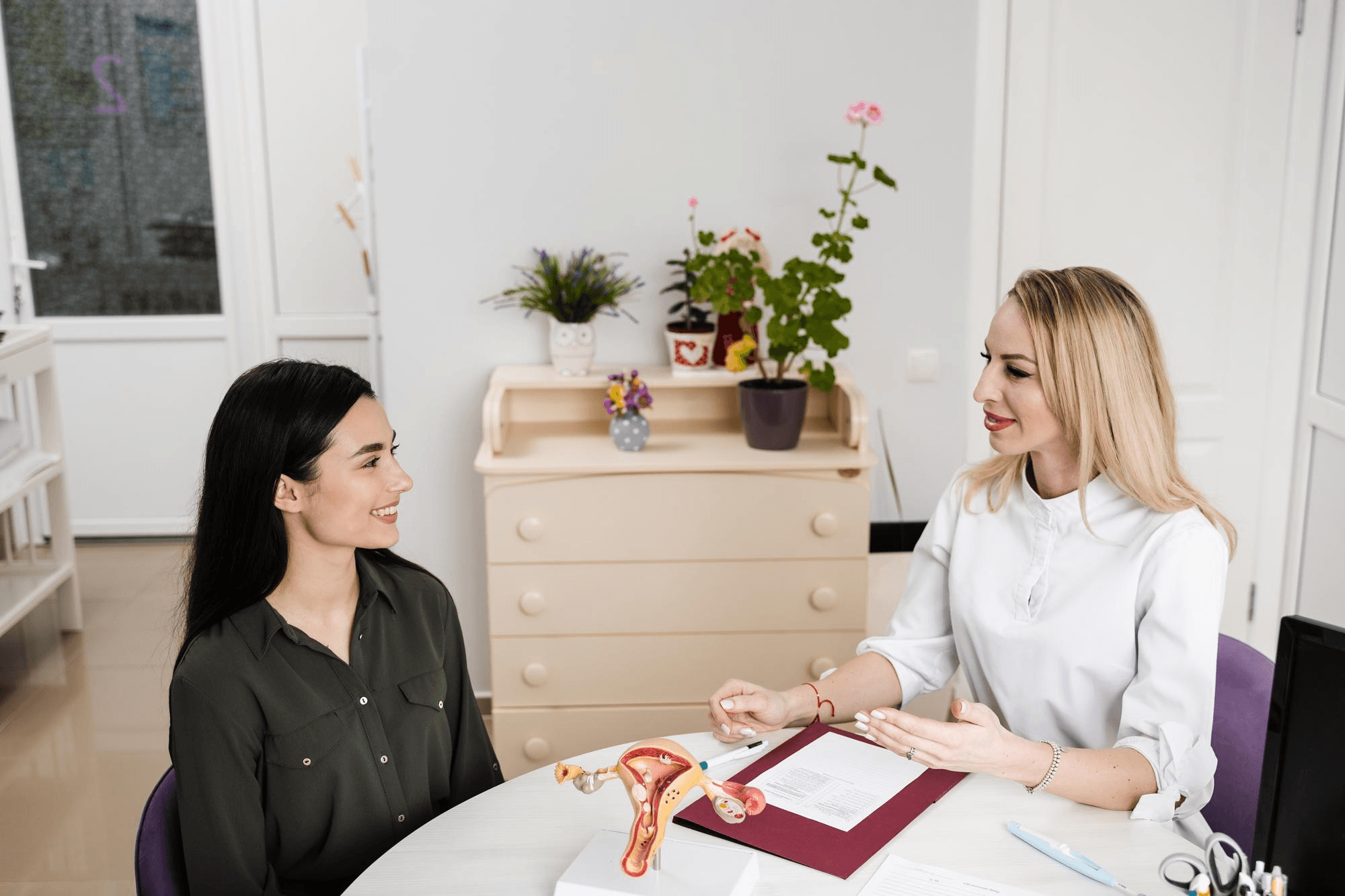
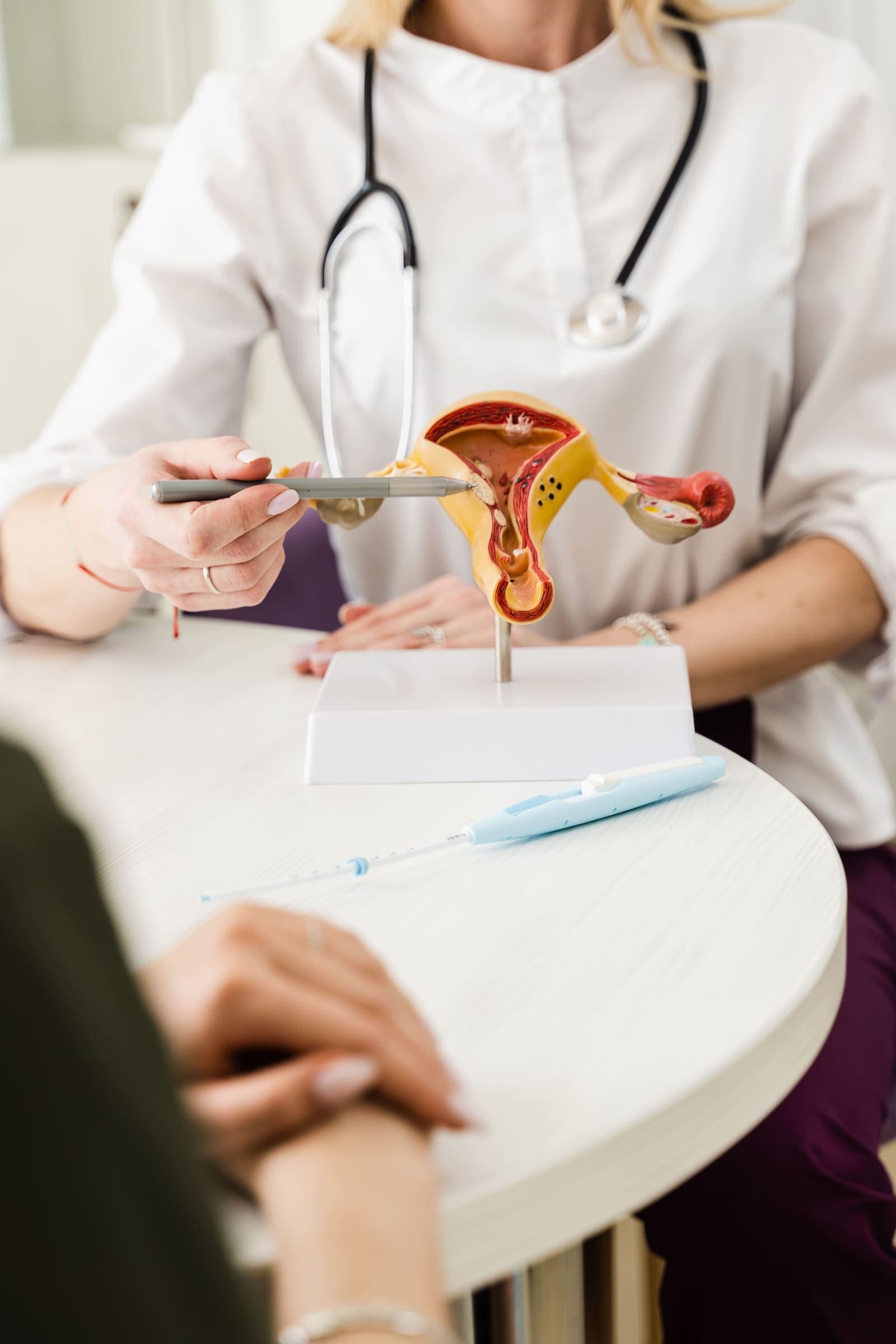
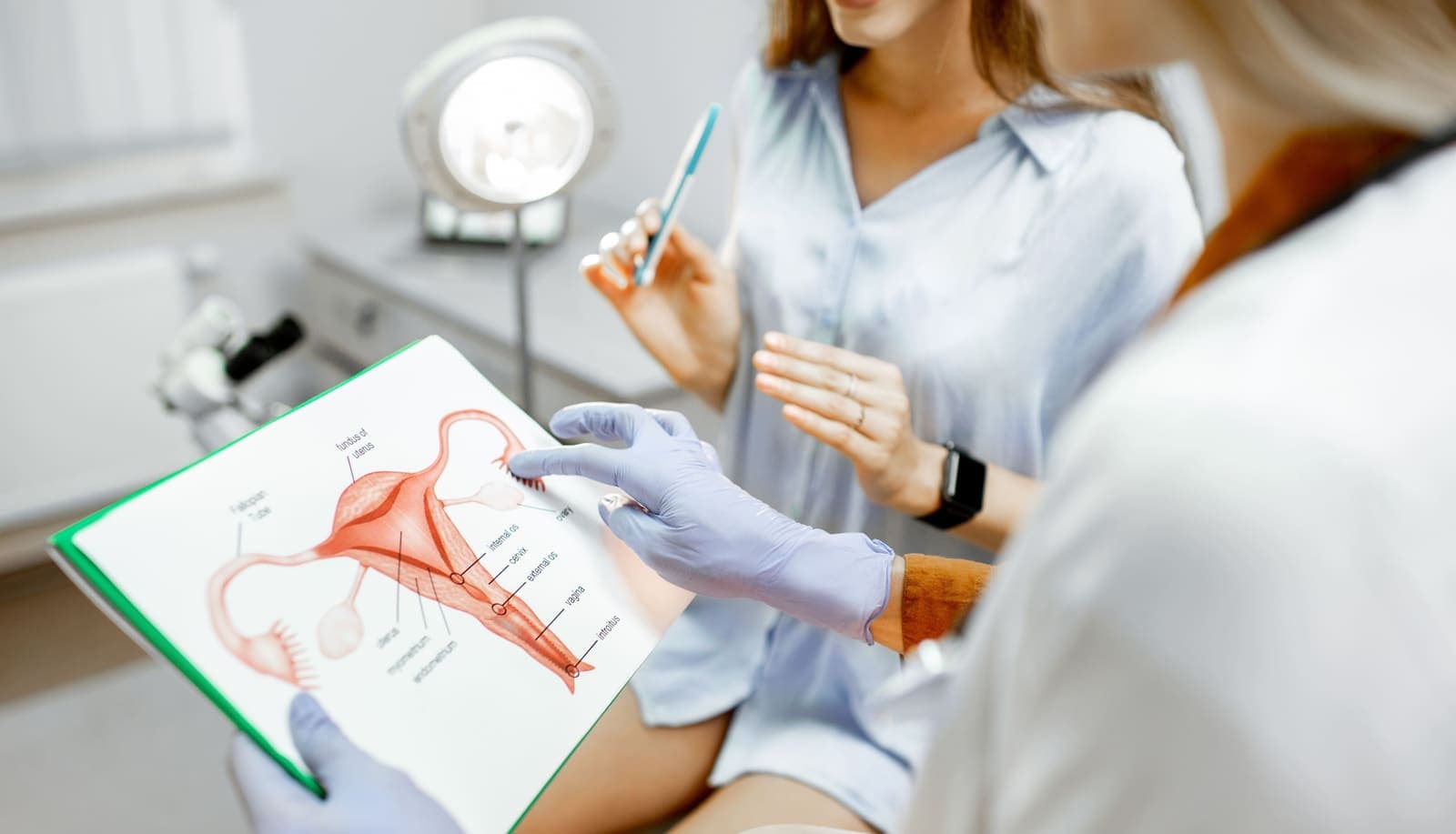
A reassuring consultation where a doctor explains the LEEP/LLETZ procedure, recovery expectations, and future pregnancy considerations.
LEEP (Loop Electrosurgical Excision Procedure) — also called LLETZ (Large Loop Excision of the Transformation Zone) — is the most commonly performed treatment for CIN 2 and CIN 3. It is effective, quick, and can be performed as an outpatient procedure. Yet most women referred for LEEP have little idea what it actually involves until they are in the clinic for the procedure.
Dr. Shachi Singh, consultant gynaecologist at Prakash Hospital, Sector 33, Noida, explains everything you need to know.
What LEEP/LLETZ Does
LEEP uses a thin wire loop carrying a low-voltage electrical current to excise (cut and remove) the transformation zone of the cervix — the area where CIN has developed. The electrical current cuts through the cervical tissue and simultaneously cauterises the wound edges, minimising bleeding.
The excised tissue (the transformation zone and the abnormal cells within it) is sent to the pathology laboratory where it is examined in full. This is important — unlike ablative treatments (where the abnormal tissue is destroyed rather than removed), LEEP provides tissue for histological examination. This confirms:
- That the CIN grade on colposcopy biopsy was correct
- Whether the excision margins are clear (abnormal cells removed completely) or involved (abnormal cells reach the edge of the excised specimen, meaning some may remain)
- Whether there is any unexpected early invasive cancer
The Procedure: Step by Step
Setting: Usually performed in an outpatient clinic or day procedure room. General anaesthesia is not required — the procedure is done under local anaesthesia.
Duration: The active procedure takes 5 to 10 minutes. Total appointment time including preparation and recovery: approximately 30 to 45 minutes.
What happens:
- You lie in the same position as for a smear, with a speculum inserted
- The gynaecologist applies acetic acid to confirm the transformation zone location
- Local anaesthetic (lidocaine with adrenaline) is injected into the cervix — a series of small injections using a fine needle. These are the most uncomfortable part of the procedure — a brief sharp sensation with each injection
- The anaesthetic takes effect within 1 to 2 minutes — the cervix becomes numb
- The wire loop is passed across the cervix to excise the transformation zone in one or two passes
- The base of the wound is lightly cauterised with a ball electrode to control bleeding
- Monsel's solution (a ferric salt paste) may be applied to the wound for haemostasis
What you feel: The local anaesthetic injections cause brief sharp discomfort. Once the cervix is anaesthetised, the excision itself is typically not painful — most women feel pressure or mild cramping but not sharp pain. If you feel pain during the excision, alert the gynaecologist immediately so more anaesthetic can be given.
Immediately After the Procedure
Mild cramping similar to period pain for the remainder of the day. A small amount of light bleeding or watery discharge. Rest for the remainder of the day. Drive yourself home if you feel well enough (no sedation was given) or arrange transport.
Recovery: The First 4 Weeks
Vaginal discharge: Expect a watery, blood-tinged or brownish discharge for 2 to 4 weeks after LEEP. This is from the wound healing. The discharge may be heavier for a few days initially.
Bleeding: Light spotting for up to 4 weeks. Report heavier bleeding (soaking more than one pad per hour, passing clots) to your doctor.
Avoid for 4 weeks: Sexual intercourse, tampons, swimming, and vaginal douching — all allow bacteria access to the healing cervical wound and increase infection risk.
Pain: Mild period-like cramping for 1 to 2 days. Paracetamol is sufficient for most women.
Return to work: Most women return to desk work the next day. Physically demanding work may require 2 to 3 days off.
Warning Signs That Need Prompt Attention
- Heavy bleeding (heavier than a normal period)
- Offensive-smelling discharge (suggests infection)
- Fever above 38°C
- Severe abdominal pain
Does LEEP Affect Future Pregnancy?
This is the most common concern for women of reproductive age. The evidence is nuanced:
Cervical length: LEEP removes a portion of the cervix. The amount removed depends on the size of the transformation zone and the number of passes. Larger excisions remove more cervical stroma, which can shorten the cervical length.
Preterm birth risk: Multiple studies have found a modestly increased risk of preterm birth (delivery before 37 weeks) in women who have undergone LEEP — with higher risk associated with deeper excisions and repeated procedures. The absolute increase in risk from a single standard LEEP is modest: approximately 1.5 to 2 times the baseline risk of preterm birth. For the majority of women with a single LEEP, the overall absolute risk of significant preterm birth remains low.
What this means practically:
- Women who have had LEEP should inform their obstetrician during pregnancy
- Cervical length monitoring by transvaginal ultrasound during pregnancy (typically at 16 to 20 weeks) is recommended
- Women with shortened cervical length identified at monitoring may benefit from cervical cerclage (a stitch to support the cervix) or progesterone pessaries
The risk of not treating CIN 3 (progression to cancer) is far greater than the modest pregnancy risk from LEEP. The decision to treat CIN appropriately is almost always correct — with appropriate pregnancy monitoring afterwards.
Follow-Up After LEEP
- Test of cure at 6 months: HPV test and Pap smear. If both are negative — return to 3-yearly routine screening. If HPV-positive or abnormal smear — repeat colposcopy.
- If surgical margins are not clear (CIN extends to the edge of the specimen): closer surveillance or repeat excision.
Gynaecological Care in Noida and Greater Noida
Dr. Shachi Singh at Prakash Hospital, Sector 33, Noida, performs LEEP/LLETZ as an outpatient procedure for women with CIN across Noida and Greater Noida.
To book a consultation with Dr. Shachi Singh, call: +91 97023 46853
Clinic Hours: Monday to Saturday, 9 AM – 6 PM | Sunday, 10 AM – 2 PM
Clinic Address: D-12A, 12B, Sector-33, G.B. Nagar, Noida, Uttar Pradesh 201301
This blog is written for educational and informational purposes only. Please consult Dr. Shachi Singh or a qualified gynaecologist for guidance specific to your situation.