Laparoscopy For Ectopic Pregnancy: What It Is, Why It's Urgent, And What Comes After
A visibly tired pregnant woman sits on a couch, cradling her abdomen.
An ectopic pregnancy is one of the few true obstetric emergencies that gynaecologists encounter. It is a pregnancy that has implanted outside the uterus, almost always in the fallopian tube, where it cannot develop normally and, if untreated, ruptures with catastrophic haemorrhage. It is the leading cause of pregnancy-related maternal death in the first trimester.
Most women who are told they have an ectopic pregnancy are still in the early stages before rupture, and surgery can be performed laparoscopically with rapid recovery. Some women arrive with rupture already having occurred and require emergency surgery immediately. Both situations involve laparoscopy, but with very different contexts.
Dr. Shachi Singh, consultant laparoscopic surgeon at Prakash Hospital, Sector 33, Noida, explains ectopic pregnancy, what it is, the warning signs, why laparoscopy is the treatment, and what future fertility looks like.
What Ectopic Pregnancy Is?
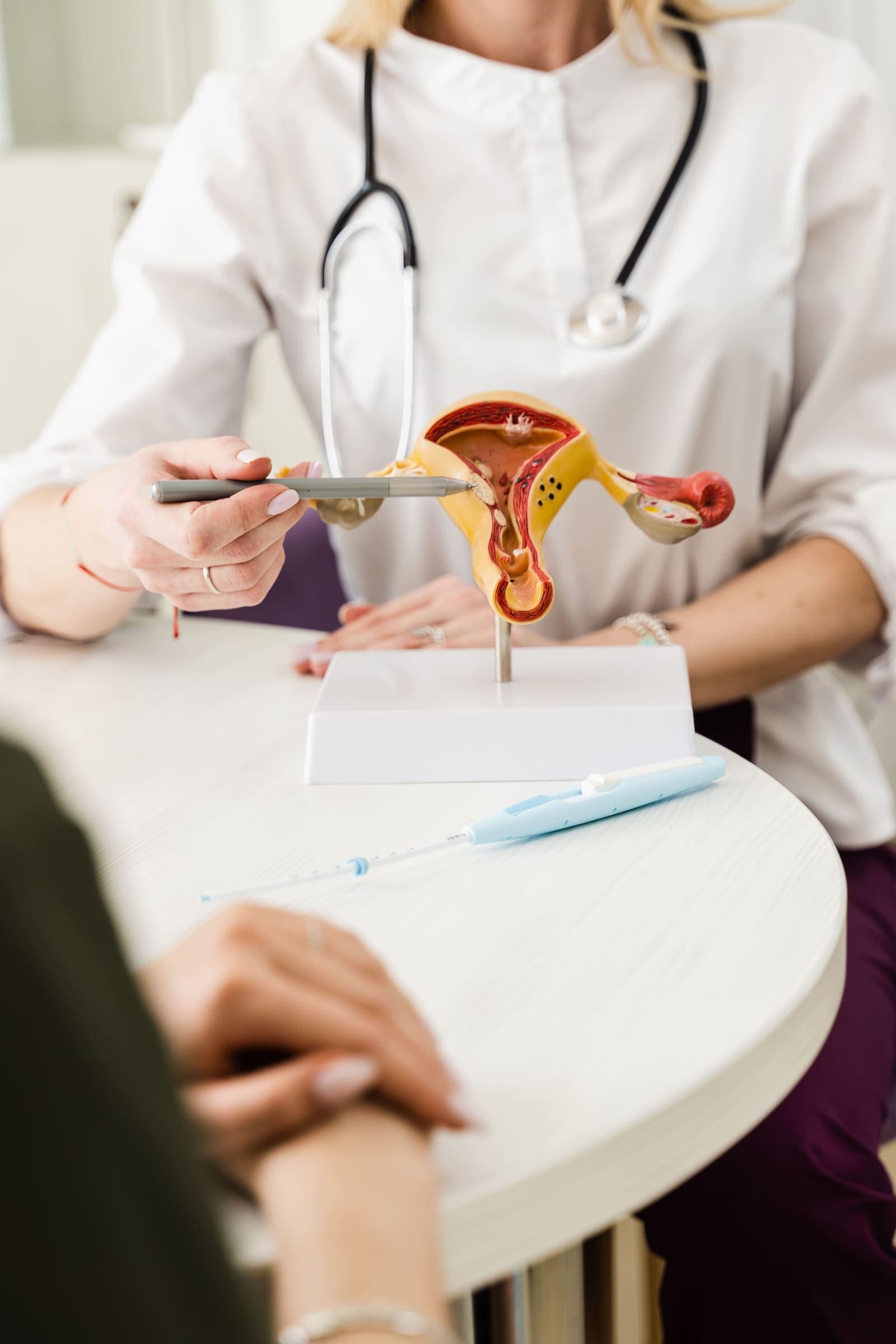
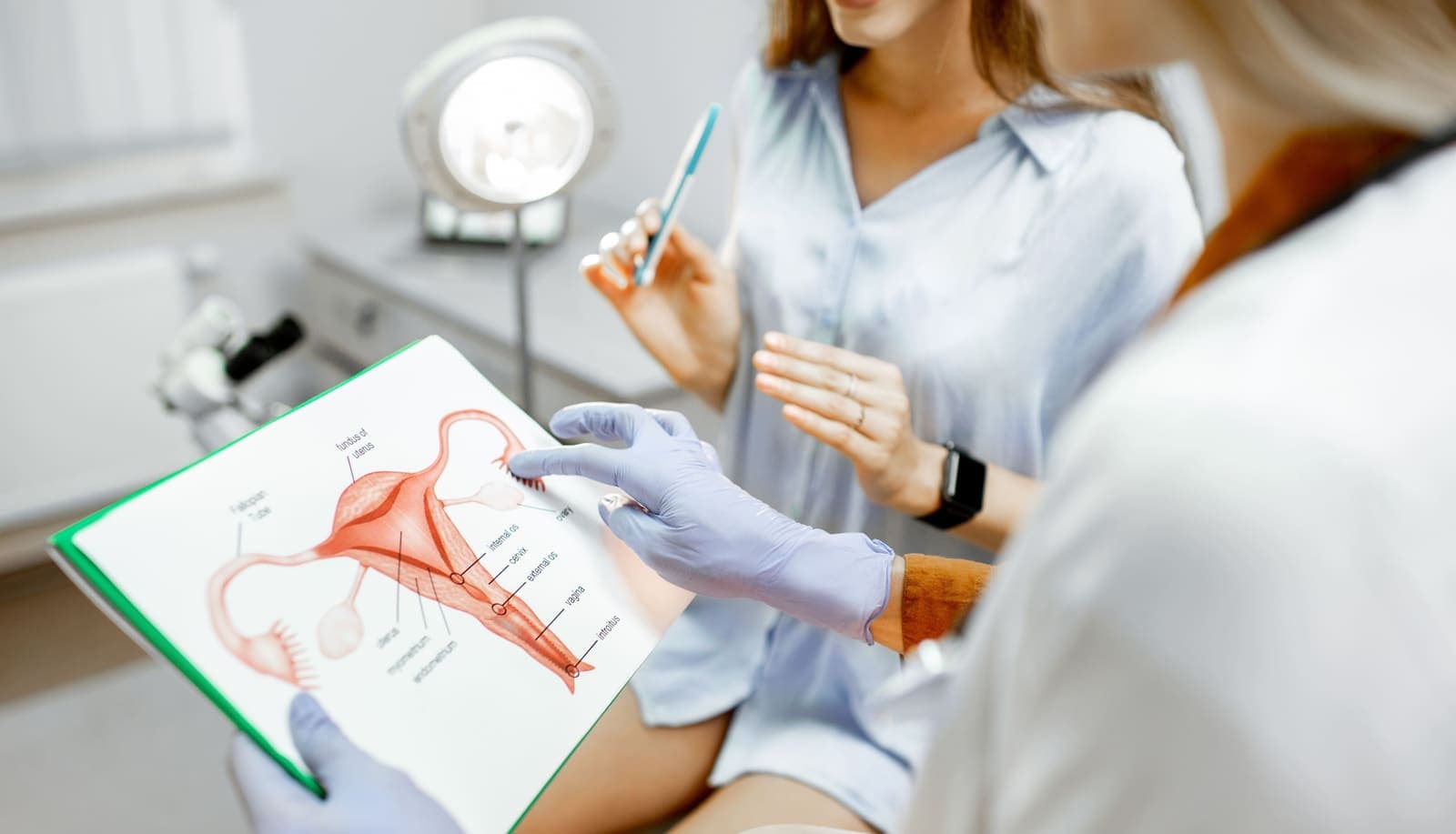
In a normal pregnancy, the fertilised egg travels down the fallopian tube to the uterus and implants in the uterine lining. In an ectopic pregnancy, implantation occurs somewhere other than the uterus in approximately 95 to 98% of cases, in the fallopian tube.
Less common ectopic sites include: the ovary (ovarian ectopic), the cervix (cervical ectopic), the abdominal cavity (abdominal ectopic), and, increasingly with caesarean section rates, the caesarean scar (scar ectopic). All of these are rare; tubal ectopic is by far the most common.
The fallopian tube is not designed to accommodate a growing pregnancy. As the embryo grows, it distends the tube. Eventually, typically between 6 and 10 weeks, the tube ruptures, causing sudden severe intra-abdominal haemorrhage.
How Common Is It And Who Is At Risk?
Ectopic pregnancy occurs in approximately 1 to 2% of all pregnancies. Risk factors include:
- Previous ectopic pregnancy: The strongest single risk factor women who have had one ectopic pregnancy have approximately 10% risk of another.
- Previous pelvic infection (PID): Chlamydia and gonorrhoea cause fallopian tube scarring that impairs the normal transport of the fertilised egg.
- Previous fallopian tube surgery: Including tubal ligation (and rarely its reversal), previous surgery for a prior ectopic, or surgery for blocked tubes.
- Endometriosis: Affects tubal function and increases ectopic risk.
- IVF and assisted reproduction: Slightly increased ectopic risk due to the embryo being placed in the uterus but potentially migrating to the tube.
- Progesterone-only contraception (mini-pill, implant, Depo-Provera): Does not prevent fertilisation, only implantation. If contraception fails, the resulting pregnancy is more likely to be ectopic.
- Smoking
Symptoms: Recognising An Ectopic Pregnancy
Ectopic pregnancy symptoms in the early stage (before rupture) can be subtle and non-specific:
Positive pregnancy test: All ectopic pregnancies produce hCG (the pregnancy hormone), a positive test confirms pregnancy but does not distinguish intrauterine from ectopic.
One-sided pelvic pain: A dull ache or sharp pain on one side of the lower abdomen. Not all women have this; some have no pain before rupture.
Vaginal bleeding or spotting: Light spotting, often dark brown in colour, different from a normal period. This is from the progesterone-deprived endometrium shedding, not from the ectopic site.
Shoulder tip pain: If a small amount of blood has already leaked into the peritoneal cavity and irritates the diaphragm, it causes referred pain to the shoulder tip. This is a warning sign of early leakage.
Symptoms of rupture (emergency):
- Sudden severe lower abdominal pain, sharp, often described as "tearing."
- Collapse or near-collapse
- Rapid heart rate, low blood pressure, signs of haemorrhagic shock
- Pallor, cold sweats, dizziness
- Shoulder tip pain (from blood under the diaphragm)
Ruptured ectopic is a surgical emergency with a minutes-to-hours window before irreversible haemorrhage occurs. Go to the emergency department immediately.
Diagnosis: How Ectopic Pregnancy Is Confirmed
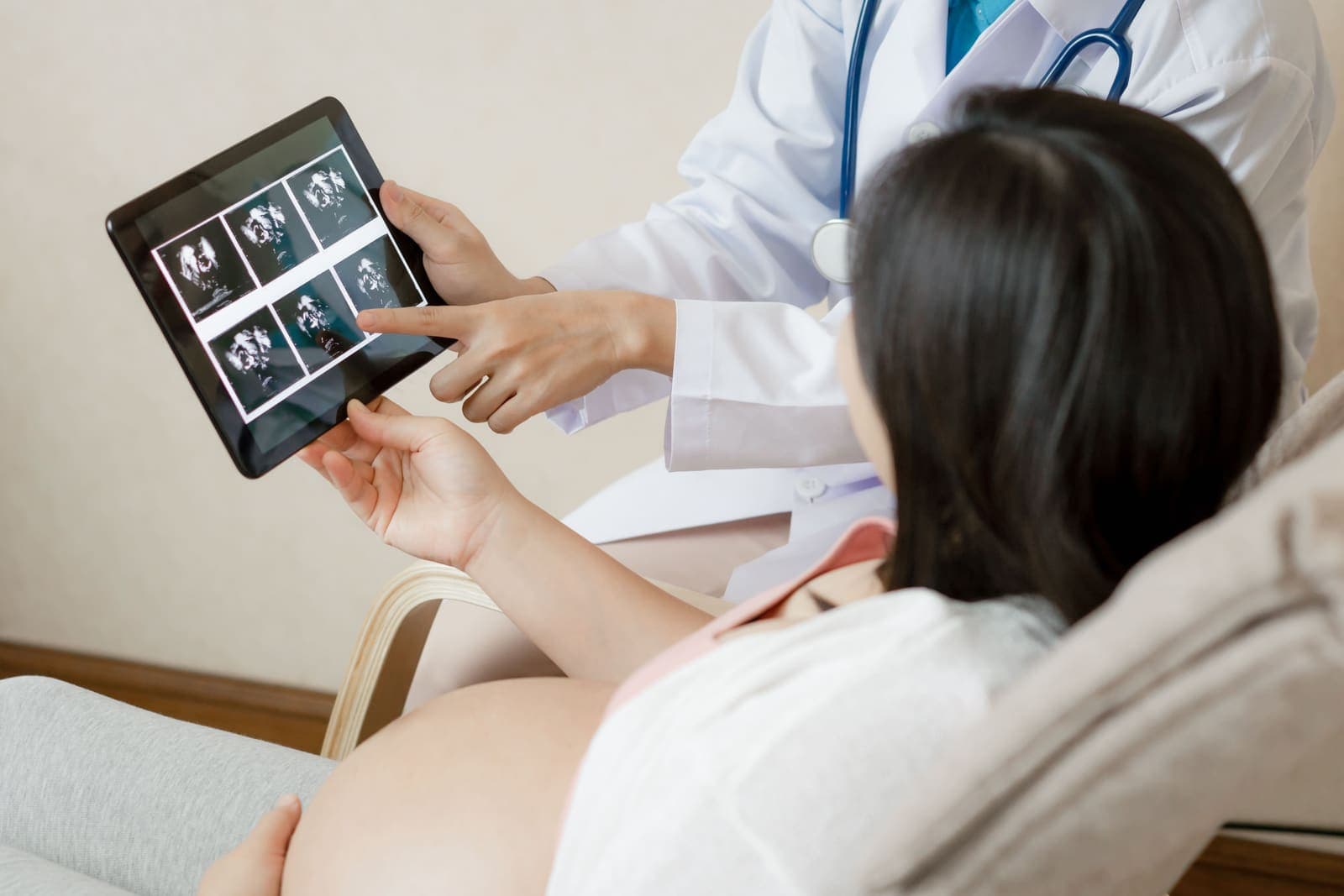
Transvaginal ultrasound: The most important diagnostic tool. In a normal intrauterine pregnancy, a gestational sac is visible in the uterus from approximately 5 weeks. In an ectopic pregnancy, the uterus is empty, with no gestational sac. A mass or fluid around the tube or ovary may be visible, but sometimes the ectopic itself is not directly seen.
Serum beta-hCG (quantitative): The pregnancy hormone level. In a normal intrauterine pregnancy, hCG doubles approximately every 48 hours in early pregnancy. In ectopic pregnancy, the rise is typically slower (subnormal rise) or hCG plateaus. Serial hCG measurements (two readings 48 hours apart) help distinguish a failing intrauterine pregnancy from an ectopic pregnancy.
The combination of: positive pregnancy test + empty uterus on transvaginal ultrasound + hCG above the discriminatory zone (typically 1,500 to 2,000 mIU/mL) = ectopic pregnancy until proven otherwise, requiring management.
Treatment Options for Ectopic Pregnancy
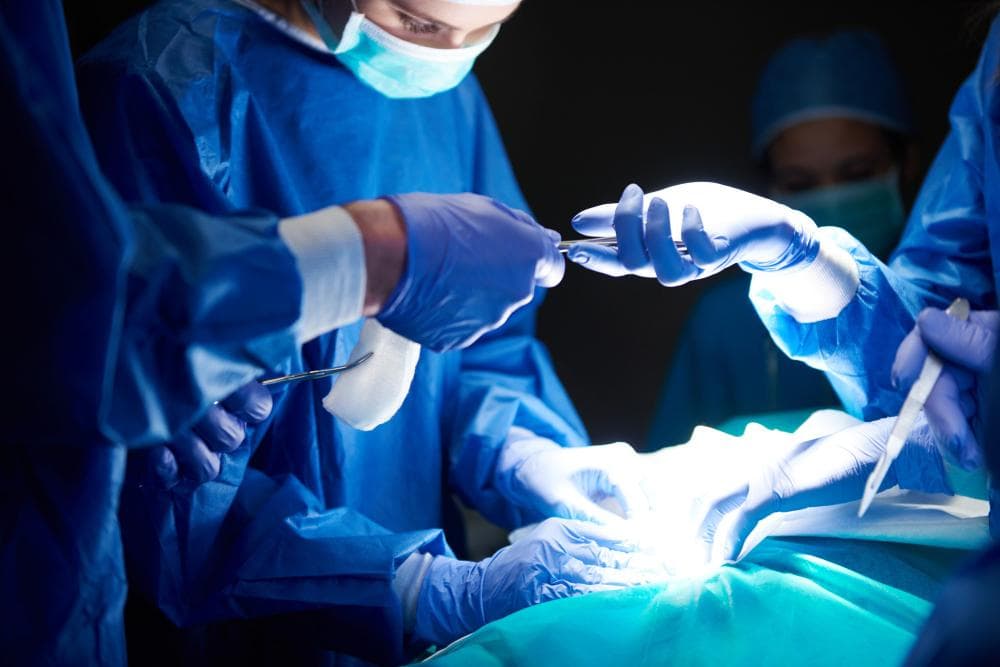
Surgeons conducting a laparoscopic hysterectomy operation on a patient.
1. Expectant Management (Observation)
For very early ectopic pregnancies with very low and falling hCG levels and no pain or haemorrhage, careful monitoring with serial hCG measurements. The ectopic may resolve naturally as the pregnancy fails and is reabsorbed. Appropriate only in carefully selected, closely monitored cases in stable, compliant patients with good access to emergency surgery if needed.
2. Medical Management - Methotrexate
An injection of methotrexate (a folate antagonist) stops the dividing trophoblast cells from growing, allowing the ectopic pregnancy to resolve without surgery. Given intramuscularly as a single dose (or occasionally double dose). Appropriate when:
- Haemodynamically stable (no bleeding, no rupture)
- hCG below 5,000 mIU/mL (some centres use lower cutoffs)
- Small ectopic without cardiac activity on ultrasound
- No contraindications to methotrexate (liver disease, immunosuppression, active pulmonary disease)
- Reliable follow-up for weekly hCG monitoring until levels reach zero
Success rate: Approximately 85 to 90% in carefully selected cases with low hCG.
Not appropriate for: High hCG, presence of fetal cardiac activity, haemodynamic instability, signs of tubal rupture, or women who cannot attend reliable follow-up.
3. Surgical Management - Laparoscopy
The most commonly used treatment for ectopic pregnancy when the woman is haemodynamically stable enough for general anaesthesia and laparoscopy.
Salpingotomy (opening the tube): A small incision is made in the tube over the ectopic implantation site, and the pregnancy is removed, preserving the tube. Considered when the other tube is absent or damaged, to preserve some tubal fertility.
Salpingectomy (removing the tube): The affected fallopian tube is removed entirely along with the ectopic pregnancy. The preferred approach in most cases where the other tube is normal, salpingectomy has a lower recurrence risk than salpingotomy (residual trophoblast after salpingotomy causes persistent ectopic in 5 to 15% of cases). Removing one tube does not prevent future pregnancy; the remaining tube functions normally.
Emergency laparotomy: If the ectopic has ruptured with significant haemorrhage and the patient is haemodynamically unstable, emergency open surgery (laparotomy) may be faster than laparoscopy. With very rapidly improving laparoscopic skills and theatre capability, laparoscopy is increasingly feasible even in haemodynamically borderline situations.
The Laparoscopic Procedure
Laparoscopic salpingectomy is typically brief, 30 to 60 minutes in experienced hands. Three to four small incisions. The tube is identified, the blood supply is secured with bipolar energy or clips, and the tube is excised. The specimen is removed through one of the port sites. The pelvis is irrigated and inspected for haemostasis. Recovery is rapid: most women are discharged the next day. Recovery at home: 1 to 2 weeks for return to normal activity.
Grief And Emotional Recovery
An ectopic pregnancy is a pregnancy loss, a fact that can be overshadowed by the medical emergency of the situation. Many women feel the shock and grief of the loss alongside the physical recovery. This deserves acknowledgement and, when needed, professional support.
Future Fertility After Ectopic Pregnancy
This is the question women ask most urgently after treatment.
After salpingectomy (tube removal): The remaining fallopian tube functions normally. Studies show that cumulative pregnancy rates in the years following salpingectomy for ectopic are similar to rates after salpingotomy, approximately 60 to 65% achieve intrauterine pregnancy within 2 years if trying.
Risk of recurrent ectopic: Approximately 10 to 15% risk of another ectopic in a subsequent pregnancy, regardless of which tube was removed.
Timing of next pregnancy: Most clinicians recommend waiting 3 to 6 months before trying to conceive again, both to allow physical recovery and, for women who received methotrexate, to ensure it has fully cleared (methotrexate can cause fetal abnormalities; conception should be delayed at least 3 to 6 months after the last dose).
When pregnancy is confirmed again: An early transvaginal ultrasound at 5 to 6 weeks is essential to confirm intrauterine location.
Gynaecological Emergency And Elective Care In Noida And Greater Noida

Couple holds positive pregnancy test over pregnant abdomen representing successful conception.
Dr. Shachi Singh at Prakash Hospital, Sector 33, Noida, manages ectopic pregnancy, both emergency and elective surgical treatment, and provides post-ectopic fertility counselling for women across Noida and Greater Noida.
To book a consultation with Dr. Shachi Singh, call: +91 97023 46853
Clinic Hours: Monday to Saturday, 9 AM – 6 PM | Sunday, 10 AM – 2 PM
Clinic Address: D-12A, 12B, Sector-33, G.B. Nagar, Noida, Uttar Pradesh 201301
Frequently Asked Questions
1. Can I get pregnant after one fallopian tube is removed?
Yes. Many women conceive naturally with one remaining tube. Studies show pregnancy rates after salpingectomy are similar to those after tube-preserving surgery over the following years. The risk of another ectopic pregnancy in a future pregnancy (10 to 15%) is higher than in the general population. Early ultrasound at 5 to 6 weeks in any future pregnancy is important.
2. Is laparoscopy always needed for ectopic pregnancy?
No medical management with methotrexate is appropriate for a specific, carefully selected group of stable patients with early ectopic pregnancy and low hCG. However, surgical treatment (laparoscopy) is more widely applicable and does not carry the risk of treatment failure and emergency surgery that methotrexate occasionally requires.
3. How soon after ectopic pregnancy treatment can I try for a baby?
Most clinicians recommend waiting 3 to 6 months, partly for physical recovery and partly, for methotrexate-treated patients, to ensure complete clearance of the drug. Confirm timing with your gynaecologist based on your specific treatment.
This blog is written for educational and informational purposes only. Ectopic pregnancy is a medical emergency. If you have a positive pregnancy test with one-sided pelvic pain, shoulder tip pain, or any haemodynamic symptoms, go to the emergency department immediately. Please consult Dr. Shachi Singh for follow-up care and fertility counselling.