Laparoscopic Hysterectomy: Procedure, Risks, And Recovery
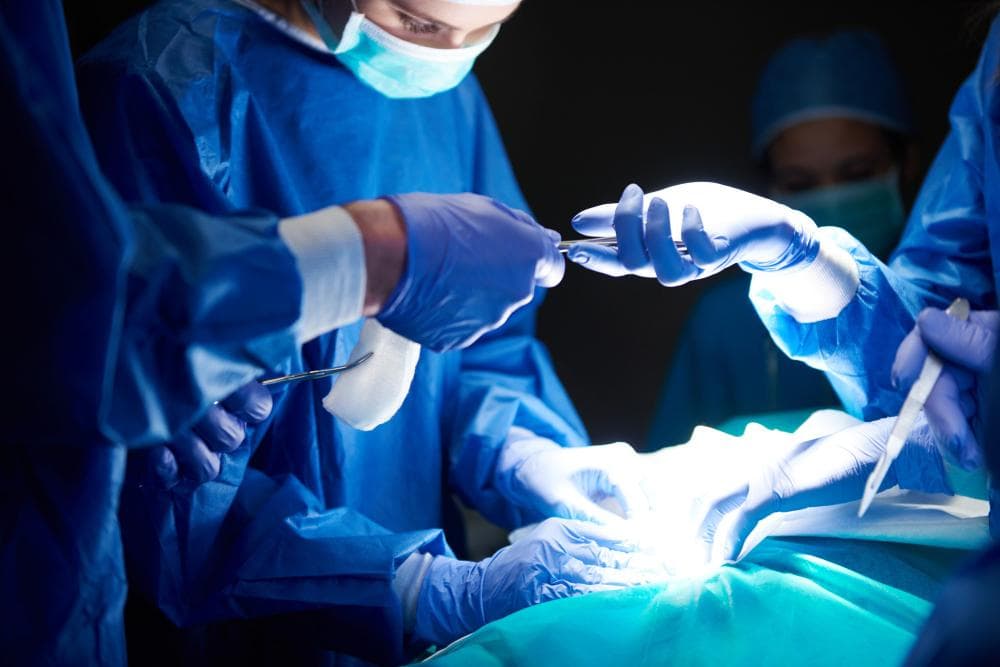
A group of surgical team members performs a laparoscopic hysterectomy operation on a patient with the aid of fine instruments.
A laparoscopic hysterectomy is a minimally invasive surgical procedure to remove the uterus through small incisions, utilizing specialized instruments. It is typically performed to treat conditions such as uterine fibroids, endometriosis, abnormal uterine bleeding, and sometimes cancer.
The benefits of this surgery, compared to traditional open surgery, include decreased pain, hospital stay, and recovery time. The surgery involves the use of a laparoscope, which is a slender tube equipped with a camera for a clear view of the pelvic organs.
Being knowledgeable of the procedure, potential complications, and recovery involved is crucial in making a treatment decision.
What Is A Laparoscopic Hysterectomy?
Laparoscopic hysterectomy is a procedure of minimal invasion used to remove the uterus by small cuts in the abdominal area. The procedure is carried out by a laparoscope, which is a narrow telescope fitted with a camera and a light that allows the physician to have a view of the internal organs on a monitor.
It is considered to be the procedure of choice in the case of fibroids of the uterus, endometriosis, excessive or abnormal bleeding of the uterus, uterine prolapse, and others. Avoiding big cuts reduces tissue damage and improves surgical accuracy.
- Involves small cuts of 0.5 to 1.5cm each.
- A laparoscope provides a clear view of organs.
- Ovaries and fallopian tubes may be removed along with the uterus if indicated.
- It causes reduced postoperative pain and minimized scarring of the abdomen.
- Reduced stay at the hospital and reduced time to get back to work.
The procedure of laparoscopic hysterectomy is preferred by patients compared to the traditional open surgery because it causes reduced pain and distress to the patient and allows the patients to be back to their daily routines within a few days. It is also less conspicuous with respect to appearance, with small scars only on the abdomen.
Step-By-Step Procedure Of Laparoscopic Hysterectomy
Step 1: Preoperative Preparations
The patient is admitted on the day of the operation, and necessary assessments are done for the surgeon. An intravenous line is inserted to deliver fluids and medications.
Step 2: Anesthesia Delivery
General anesthesia is administered to induce unconsciousness in the patient during the operation, and the patient's vitals are monitored at all times during the surgery.
Step 3: Positioning Of The Patient
The patient is positioned on the operating table in the lithotomy position for optimum access to pelvic organs.
Step 4: Creating The Incisions
Small incisions are made in the abdomen, near the navel, and in the lower abdomen, to introduce the laparoscope and the surgical instruments.
Step 5: Viewing And Approaching
Carbon dioxide is pumped into the abdominal cavity to expand it, which helps in better viewing the organs in the pelvic region on the monitor.
Step 6: Uterus Removal
The uterus is detached from the surrounding tissue and blood vessels. If the doctor considers it essential by the medical indication, then other adjoining organs like the ovary and fallopian tube also get removed with the uterus.
Step 7: Stitching And After Care
Instruments are removed after the surgery, and incisions are closed with the help of stitches or medical glue,e and then the patient is shifted to the recovery room and asked for follow-up check-ups with complete post-operative instructions.
Risks Associated With Laparoscopic Hysterectomy
1. Common Risks
Some women experience mild to moderate complications following surgery. Some of these are:
- Bleeding (although usually slight, it is occasionally severe and requires further action)
- Infection at sites of incision or in the pelvic cavity (prevented by antibiotic treatment).
- Postoperative pain (managed by pain relief).
- Some women experience nausea or sickness after surgery (due to anesthesia and also occasionally have a slight shoulder ache due to CO 2, which is used to inflate the abdomen.
2. Rare Risks
- In very few cases, damage may be caused to other organs within the pelvic cavity, such as the bladder, ureters, or bowel.
- Blood clots are possible, such as deep vein thrombosis or a pulmonary embolism. On rare occasions, hernias have been known to occur.
- Some patients have problems with their anesthesia, such as respiratory and allergic-type problems.
3. Long-Term Risks
Early menopause may arise if the ovaries have been removed; this causes loss of hormones in the body, and women suffer the consequences of a deficiency. Many women can experience mood and emotional changes.
Recovery From Laparoscopic Hysterectomy
1. Hospital Stay
Most women stay between one and two days after the procedure. This varies based on overall health and surgical procedure.
2. First Week
Slight pain, fatigue, and abdominal soreness are common. Encourage short walks to maintain blood circulation.
3. Two Weeks Post-Op
Light household chores, driving, or minimal desk work are typically permissible; however, women should refrain from lifting any heavy objects or from engaging in any strenuous activity.
4. Four To Six Weeks Post-Op
Gradually ease back into your normal lifestyle with the doctor's approval. Sex is typically safe for up to six weeks, but doctor approval is necessary before resuming this activity. Sports, workouts, or strenuous physical activities should also be resumed cautiously based on the doctor's recommendations.
5. Pain Management
Use pain relievers and medications exactly as prescribed to make discomfort more bearable.
6. Wound Care
Keep incisions clean, dry, and free from infection for the area to heal efficiently.
7. Dietary Care
Eat a fiber-rich diet with plenty of fluids to avoid constipation.
8. Physical Activity
Gradually return to normal activity levels as dictated by how you feel; the doctor's advice is key.
9. Follow-Up Appointments
Attend scheduled follow-up appointments so that you and your doctor may monitor healing and check for any necessary care.
Final Thoughts
The most common approach used today for the removal of the uterus, laparoscopic hysterectomy, is both safe and efficient and has many advantages over the traditional open surgical technique. Most patients will experience a reduced hospital stay, minimal post-operative pain, and minimal scarring. However, it does carry potential risks like all procedures and has a distinct recovery phase to be aware of.
An educated decision with thorough pre-operative assessment and appropriate post-operative care, with the help of a specialist, is therefore an integral component of the management. This process allows the majority of women to return to their normal daily lives while improving their health and well-being.
Expert Care With Dr. Shachi Singh
If you are researching the possibility of a hysterectomy laparoscopically and seeking some professional help on gynecology operations and women's health issues, then approach Dr Shachi Singh. With over 15 years of comprehensive experience, Dr. Singh is a senior consultant gynecologist with special expertise in laparoscopic and minimally invasive gynecological surgery.
She is a recipient of high-quality and patient-centered care for various medical issues, including hysteroscopy, high-risk pregnancy care, and fertility treatments. She also offers personalized wellness plans for women. Book your appointment today.
Frequently Asked Questions(FAQs)
1. Who has a laparoscopic hysterectomy?
Laparoscopic hysterectomy is typically performed for various uterine or cervical conditions such as fibroids, endometriosis, chronic pelvic pain, heavy menstrual bleeding, uterine prolapse, or certain types of cervical or uterine cancer. Conventional treatments have usually been tried without success before consideration of this surgical procedure.
2. Which body parts are removed?
The uterus is removed during a laparoscopic hysterectomy. The cervix, ovaries, and fallopian tubes are removed when medically indicated. The total amount removed is dependent upon the reason for surgery, patient diagnosis, and overall health condition.
3. Do I need to shave my pubic hair before the operation?
It is not recommended that you shave your pubic hair before the surgery as it increases the risk of infection. The nurses and doctors are trained in carrying out adequate and hygienic hair removal by the use of sterile instruments if required.
4. Will it change the shape of my body?
A hysterectomy will not change the shape of a body. However, the hormonal changes - if the ovaries have been removed - may change fat distribution and the way your body looks and metabolises as time goes on.
5. What are the worst aspects of recovering from a hysterectomy?
The worst aspects of recovery after hysterectomy, in my experience, are the pain, the tiredness and limited movement, the psychological issues, a feeling of having some of your mobility taken away from you temporarily, and feeling like you have to slowly rebuild your way of life.