How Safe Are Pills to Delay Periods?

Woman holding the pills to delay periods in both her hands.
People often use pills to delay their periods when they’re travelling, have an important event coming up, or need to focus during exams. Most of these are norethisterone or other progestin-based pills. They work by keeping your progesterone levels high, which stops the uterine lining from shedding and holds off your period.
You usually start taking them about three days before your period should start, and they can delay bleeding anywhere from three to fourteen days. They work for most people about 90%- if you follow a gynaecologist’s advice.
Still, these pills aren’t meant for regular use and sometimes cause side effects like nausea or, more rarely, blood clots. Ordering them online without a prescription can be risky. You might run into problems like high blood pressure or clotting, which is why gynaecologists always look at your health history before giving you the green light.
How Period Delay Pills Work
Period delay pills basically keep your progesterone levels steady—kind of like what happens naturally in the second half of your cycle. By doing this, they stop the usual hormone drop that tells your body it’s time for your period.
1. Norethisterone
Most people take 5 mg three times a day, starting three days before they expect their period. Once you stop the pills, your period usually shows up two or three days later.
2. Extended birth control
You can also hold off your period by skipping the placebo pills and just sticking with the active ones.
3. Time limits
Doctors usually suggest taking these for no more than 10 to 14 days. Go longer, and you risk things like irregular spotting or your uterine lining building up too much.
4. After you stop
Your next period might be a bit heavier at first, but your cycles tend to go back to normal pretty fast once your body clears out the extra hormone.
Safety for Short Use
1. Approved for Occasional Use
- Doctors see period delay pills as safe for healthy women when used occasionally.
- They work a lot like regular birth control pills.
2. High Effectiveness
- If you take them at the right time, these pills delay your period in about 90 to 95% of cases.
- They don’t mess with your cycle long term.
3. Temporary Side Effects
- Some women notice nausea, breast tenderness, or headaches- nausea shows up in about 1 out of 5 users, breast tenderness in around 15%.
- But these side effects usually fade after a few days.
4. Low Clot Risk
- Blood clot risk stays low- think 3 to 9 cases per 10,000 users each year- especially if you’ve had a proper check-up first.
- Using them too often, though, can throw your hormones off.
Side Effects and How to Handle
1. Stomach Discomfort
Sometimes you might feel a bit nauseous or bloated. Try taking your medication with food, or sip on something with ginger; these simple tricks often make a difference.
2. Mood Changes
You could notice you’re a little more irritable or tired than usual. Keep an eye on how you’re feeling, and if it doesn’t get better, consult your gynaecologist.
3. Spotting
You might see a bit of light bleeding between periods. It’s usually nothing to worry about.
4. Fluid Retention
Some people notice mild weight gain or bloating. Cutting back on salt and moving around more can help. If you get a headache that sticks around for more than two days, check in with your gynaecologist.

Woman looking at her pills in bed, wondering whether all the side effects are worth it.
Who Can’t or Shouldn’t Take Them
Who Shouldn’t Take Period Delay Pills
1. History of Blood Clots
If you’ve ever had a blood clot, like deep vein thrombosis or a pulmonary embolism- skip these pills. Hormonal meds can make clots more likely, which is the last thing you want.
2. Uncontrolled High Blood Pressure
If your blood pressure isn’t under control, these pills can push your risk of things like stroke even higher. Best to steer clear unless your doctor gives the green light.
3. Active Breast Cancer
If you’re dealing with breast cancer right now, hormonal pills are off the table. They can mess with tumour growth, so doctors usually say no.
4. Liver Disease
Anyone with liver problems like liver disease, jaundice, or abnormal liver tests, should avoid these pills. The liver breaks down hormones, and if it’s not working well, that’s a problem.
5. Possible Pregnancy
Take a pregnancy test before you start. Nobody’s sure how safe these pills are in early pregnancy, so it’s better to check first.
6. Conditions Requiring Medical Advice
If you get migraines, have PCOS, or thyroid issues, don’t just start these pills on your own. Consult your gynaecologist. There might be safer options for you.
The Right Way to Use for Best Results
How to Use Period Delay Pills the Right Way
1. Start at the Right Time
Start the pills three days before you expect your period. Wait too long, or start too soon, and they just don’t work as well.
2. Follow the Prescribed Dose
Stick to the dose your gynaecologist gave you. Take one pill three times a day, and try not to miss any; timing matters here.
3. Track Your Cycle
Monitor your cycle with a tracking app. Once you stop the pills, your period usually shows up in a few days, but sometimes it can take up to ten.
4. Check Drug Interactions
Tell your doctor about any other meds or supplements, like rifampin or herbal remedies. Some of these can mess with how well the pills work.
5. Medical Evaluation if Cycles Are Irregular
If your periods aren’t regular to begin with, your gynaecologist might want to check things out with an exam or an ultrasound before you start.

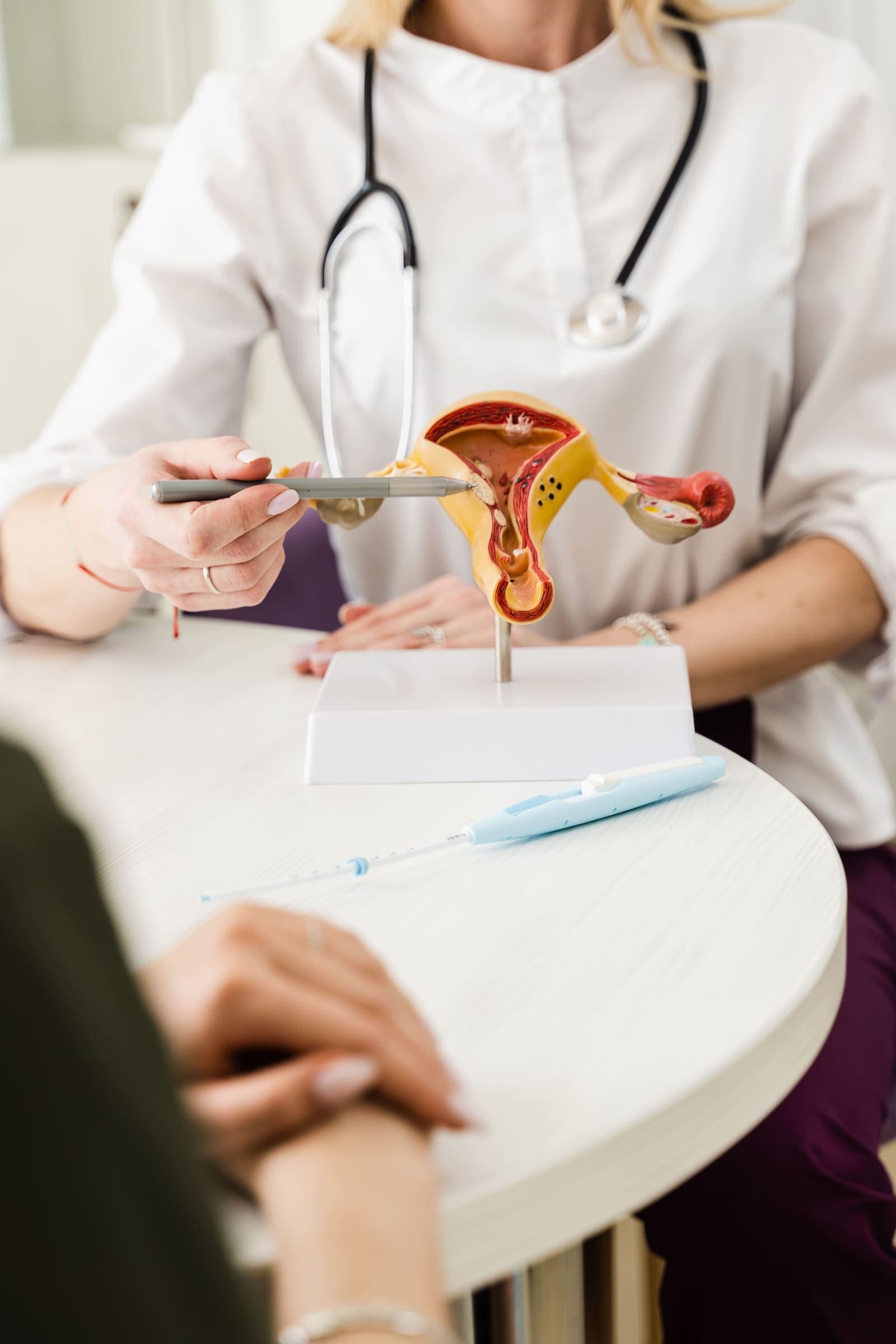
Woman consulting her doctor about pills to delay her periods, just to be safe and informed about it.
Final Thoughts
Period delay pills offer a handy way to manage your period during big events or trips. When used appropriately and with your doctor’s approval, they’re safe for most healthy women. But they’re not meant for regular use. Knowing the timing, possible side effects, and how they fit with your health makes managing your cycle easier and safer.
Expert Care With Dr Shachi Singh
Not sure if delaying your period is right for you? Dr Shachi Singh, a skilled Gynaecologist, Obstetrician, and Laparoscopic Surgeon, gives advice tailored to your health. She listens, evaluates, and guides you so you can make the best choice for your body.
Book a consultation with Dr Shachi Singh for trusted and personal care.