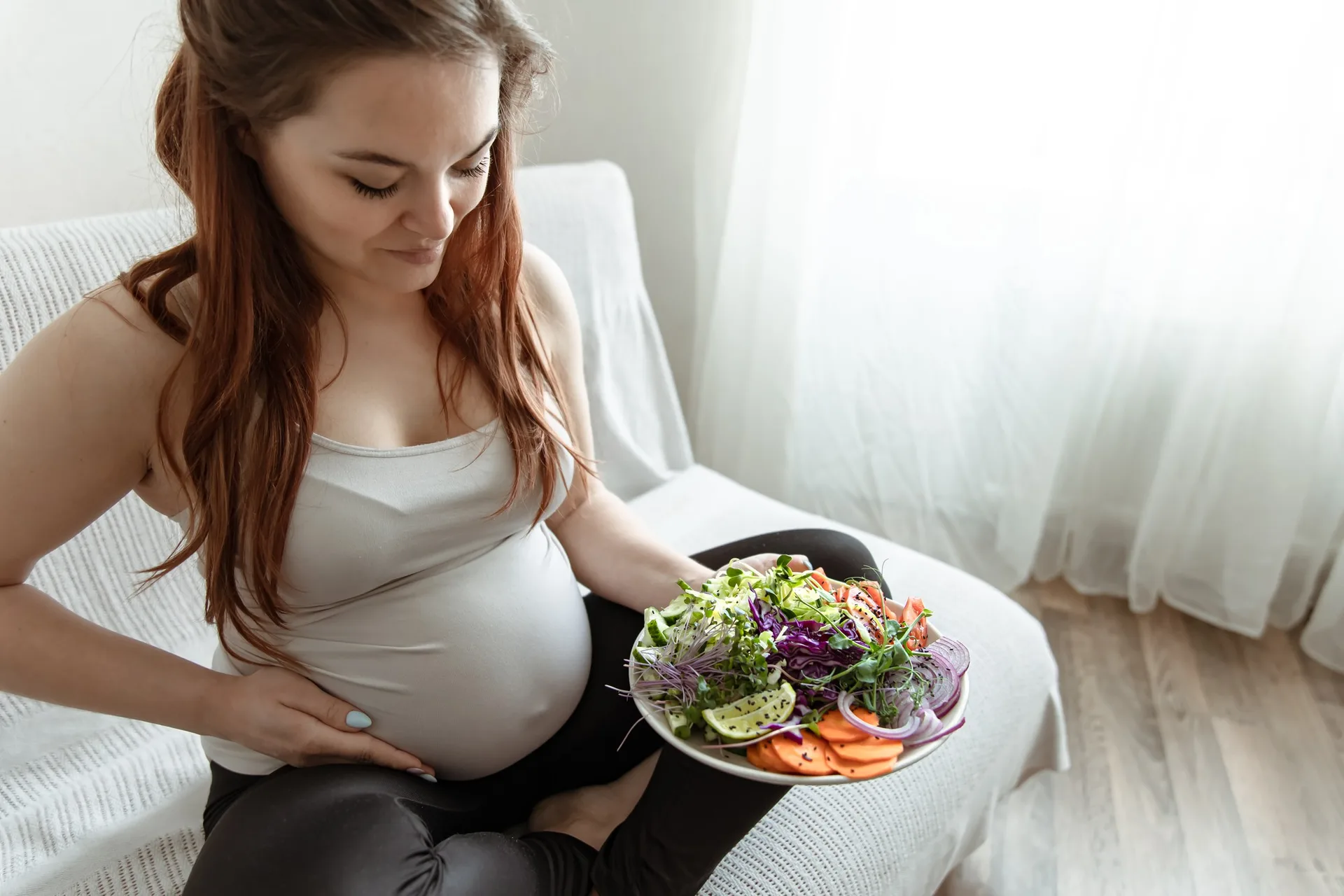
Heartburn in Pregnancy: Why It Happens and What Actually Relieves It

Doctor examining pregnant patient
Heartburn is one of the most universally reported pregnancy symptoms — affecting between 17 and 45% of pregnant women in the first trimester and increasing to 70 to 80% by the third trimester. The burning sensation in the chest and throat, the sour taste in the mouth, the discomfort that worsens after eating and when lying down — it becomes a relentless daily experience for many women in the second half of pregnancy.
Understanding why it happens makes the management strategies make sense. And there are genuinely effective strategies — dietary, positional, and pharmacological — that the majority of women do not use optimally.
Dr. Shachi Singh, consultant obstetrician at Prakash Hospital, Sector 33, Noida, explains the mechanism and the solutions.
Why Pregnancy Causes Heartburn
1. Progesterone relaxes the lower esophageal sphincter (LOS): The LOS is the muscular valve between the esophagus and the stomach that normally prevents stomach acid from travelling upward. Progesterone — which relaxes smooth muscle throughout the body — also relaxes the LOS. With a weakened LOS, stomach acid refluxes into the esophagus more easily, causing the burning sensation of heartburn.
2. The growing uterus compresses the stomach: As the uterus enlarges through the second and third trimester, it pushes upward against the stomach. This increases intra-gastric pressure and makes reflux physically more likely — there is literally less space for stomach contents before they push against the LOS. This is why heartburn worsens progressively through pregnancy and is most severe in the third trimester.
3. Slower gastric emptying: Progesterone also slows the emptying of the stomach into the small intestine. Food stays in the stomach longer, providing more opportunity for acid reflux.
4. Indian diet considerations: Many foods central to Indian cooking — spicy curries, oily food, fried preparations, tomato-heavy dishes, citrus-based chutneys, coffee and chai — are either acidic or relax the LOS further, compounding the progesterone effect.
Dietary Changes That Help
1. Eat smaller, more frequent meals: Instead of three large meals, eat five to six small ones throughout the day. A full stomach strains the LOS. Smaller meals reduce gastric distension and the pressure pushing acid upward.
2. Do not eat in the 2 to 3 hours before lying down: Lying flat after eating dramatically worsens reflux — gravity is no longer helping keep stomach contents down. Dinner should be well before bedtime. If hunger strikes later in the evening, a small plain snack (a cracker, a banana) is better than a full meal.
3. Identify and reduce personal trigger foods:
- Common triggers: spicy food (mirchi), oily/fried food, tomato-heavy preparations, citrus (nimbu, oranges), coffee, strong chai, chocolate, carbonated drinks, onion and garlic in large amounts, very fatty food
- Foods generally well-tolerated: plain rice, plain dal, curd (dahi — slightly alkaline), banana, coconut water, oats, plain roti
4. Cold milk: A traditional Indian remedy with genuine physiological basis — milk is mildly alkaline and temporarily neutralizes stomach acid. A small glass of cold milk provides short-term relief for many women.
5. Curd (dahi): Similarly mildly alkaline and soothing to an irritated esophagus. A traditional part of the Indian diet that is genuinely helpful for heartburn.
6. Coconut water: Mildly alkaline. Provides temporary relief and contributes to hydration.
7. Avoid large fluid intake with meals: Drinking large volumes of water or other fluids with meals distends the stomach further. Sip fluids between meals rather than with them.
Positional Strategies
1. Sleep propped up: Elevating the head and upper chest while sleeping significantly reduces nocturnal heartburn by using gravity to keep stomach contents from refluxing. Options: a wedge pillow under the mattress at the head end, placing books or blocks under the legs at the head of the bed, or stacking multiple pillows (though this can cause neck pain if not positioned correctly). The elevation needs to be at the torso — a head-only elevation does not help.
2. Left-side sleeping: Sleeping on the left side is recommended for multiple pregnancy reasons, and it also reduces heartburn compared to sleeping on the right side — because the stomach is positioned to the left and its contents are less likely to reach the LOS in left-side lying.
3. Stay upright after meals: Walk slowly after eating or sit upright for at least an hour after a main meal. Avoid bending forward or lying down immediately after eating.
4. Loose clothing: Tight clothing around the abdomen increases intra-gastric pressure. Loose, comfortable maternity wear reduces this component.
Safe Antacids in Pregnancy
When dietary and positional measures are not sufficient, antacids provide reliable relief. Several are safe throughout pregnancy:
1. Calcium carbonate antacids (Digene, Gelusil, Eno): The most commonly used antacids in India. Calcium carbonate neutralizes stomach acid rapidly. Generally safe in pregnancy. Provides quick symptomatic relief within minutes. Can be taken as needed after meals and before bed.
2. Magnesium hydroxide and aluminium hydroxide antacids: Also effective and considered safe. Avoid very high doses of aluminum-containing antacids over prolonged periods.
3. Alginate-based preparations (Gaviscon-type): Alginates form a gel "raft" on the stomach contents that physically prevents acid from refluxing into the oesophagus. Highly effective for pregnancy heartburn because they address the mechanical reflux component rather than just neutralising acid. Available in some Indian pharmacies and very safe in pregnancy.
4. Avoid sodium bicarbonate (baking soda): Though a traditional home remedy for heartburn, sodium bicarbonate causes significant sodium loading in pregnancy and should be avoided.
H2-blockers (ranitidine — if available, famotidine): Reduce acid production. Generally considered safe in pregnancy for significant heartburn not controlled by antacids alone. Ranitidine was recalled globally due to NDMA contamination concerns — famotidine is the preferred alternative where available. Discuss with your doctor before using.
5. Proton pump inhibitors (omeprazole, pantoprazole): Effective for severe or persistent heartburn not responding to other measures. Used with physician guidance in pregnancy — generally considered safe for short-term use when needed. Not a first-line self-prescription.
6. Never take NSAIDs (ibuprofen) for heartburn pain in pregnancy — they worsen gastric irritation and carry fetal risks.
When to Contact Your Doctor
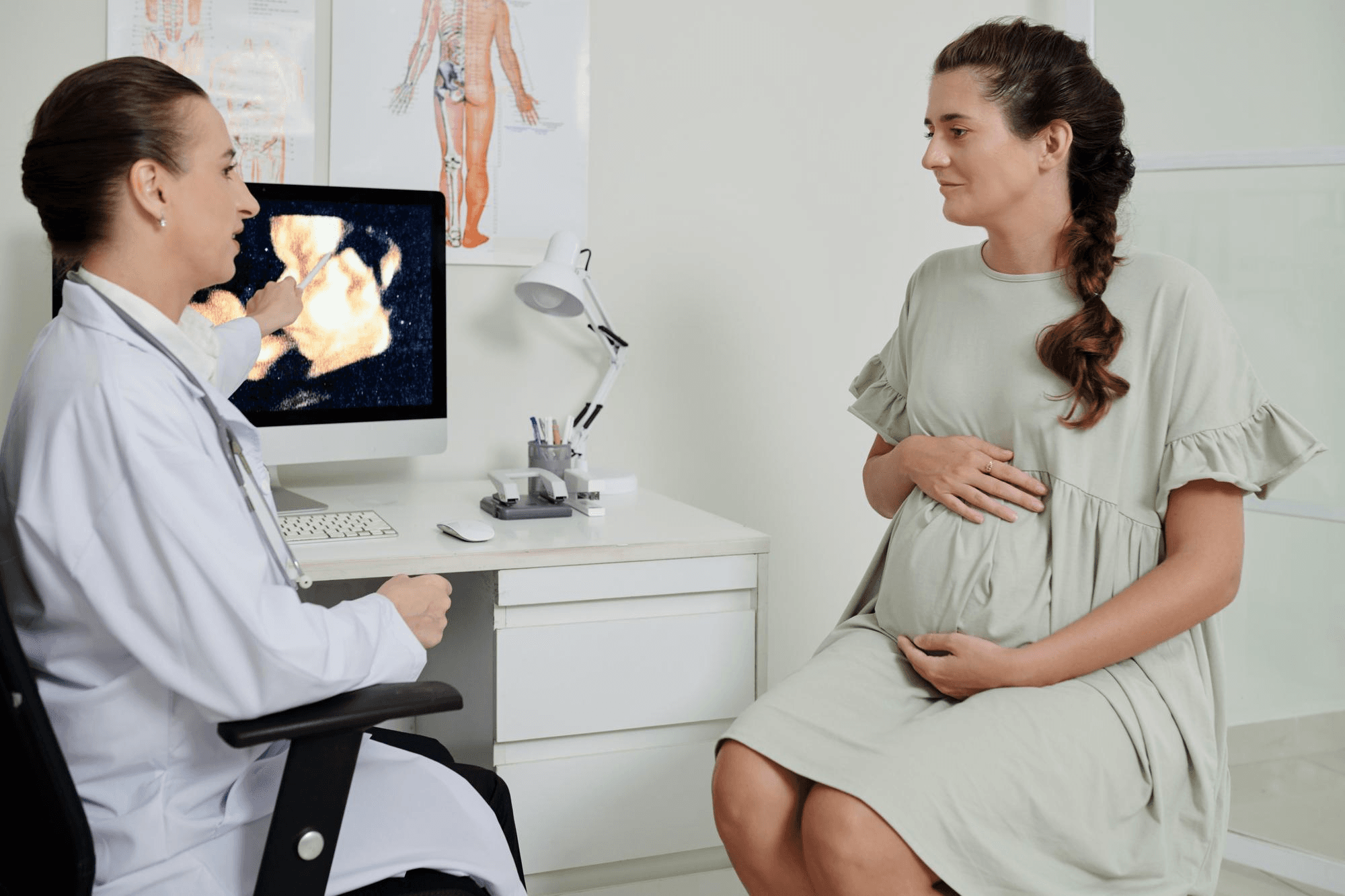
A pregnant woman meets with her gynecologist—timely visits matter with high-risk pregnancies.
Heartburn in pregnancy is common and usually manageable. See your obstetrician if:
- Heartburn is severe and not responding to dietary changes and antacids
- You are losing weight because eating triggers such severe discomfort
- You have difficulty swallowing (dysphagia) — this needs further assessment
- Heartburn is accompanied by vomiting of blood (haematemesis)
- You notice very dark or tarry stools (possible gastrointestinal bleeding)
Antenatal Care in Noida and Greater Noida
Dr. Shachi Singh at Prakash Hospital, Sector 33, Noida, addresses heartburn and all pregnancy digestive symptoms as part of comprehensive antenatal care for women across Noida and Greater Noida.
To book a consultation with Dr. Shachi Singh, call: +91 97023 46853
Clinic Hours: Monday to Saturday, 9 AM – 6 PM | Sunday, 10 AM – 2 PM
Clinic Address: D-12A, 12B, Sector-33, G.B. Nagar, Noida, Uttar Pradesh 201301
Frequently Asked Questions
1. Does heartburn in pregnancy mean the baby will have lots of hair?
This is a popular belief. A 2006 Johns Hopkins study did find a weak correlation between heartburn severity and neonatal hair amount — but this correlation is not explained causally and does not hold across all populations. It is not a reliable predictor, and it does not explain or change the management of heartburn.
2. Is cold milk safe to drink during pregnancy?
Yes — cold milk is safe in pregnancy and provides genuine short-term relief for heartburn by neutralising stomach acid. It is also a good source of calcium and protein.
3. Can I take Eno (sodium bicarbonate-based) for heartburn in pregnancy?
Eno contains sodium bicarbonate, which causes significant sodium loading with regular use. It is not recommended as a regular remedy in pregnancy. Calcium carbonate antacids (Digene, Gelusil) are safer options for regular pregnancy heartburn.
This blog is written for educational and informational purposes only. Please consult Dr. Shachi Singh or a qualified obstetrician for guidance specific to your pregnancy and symptoms.