Gynaecologist Near Sector 50 Noida: Family-Focused Women's Healthcare
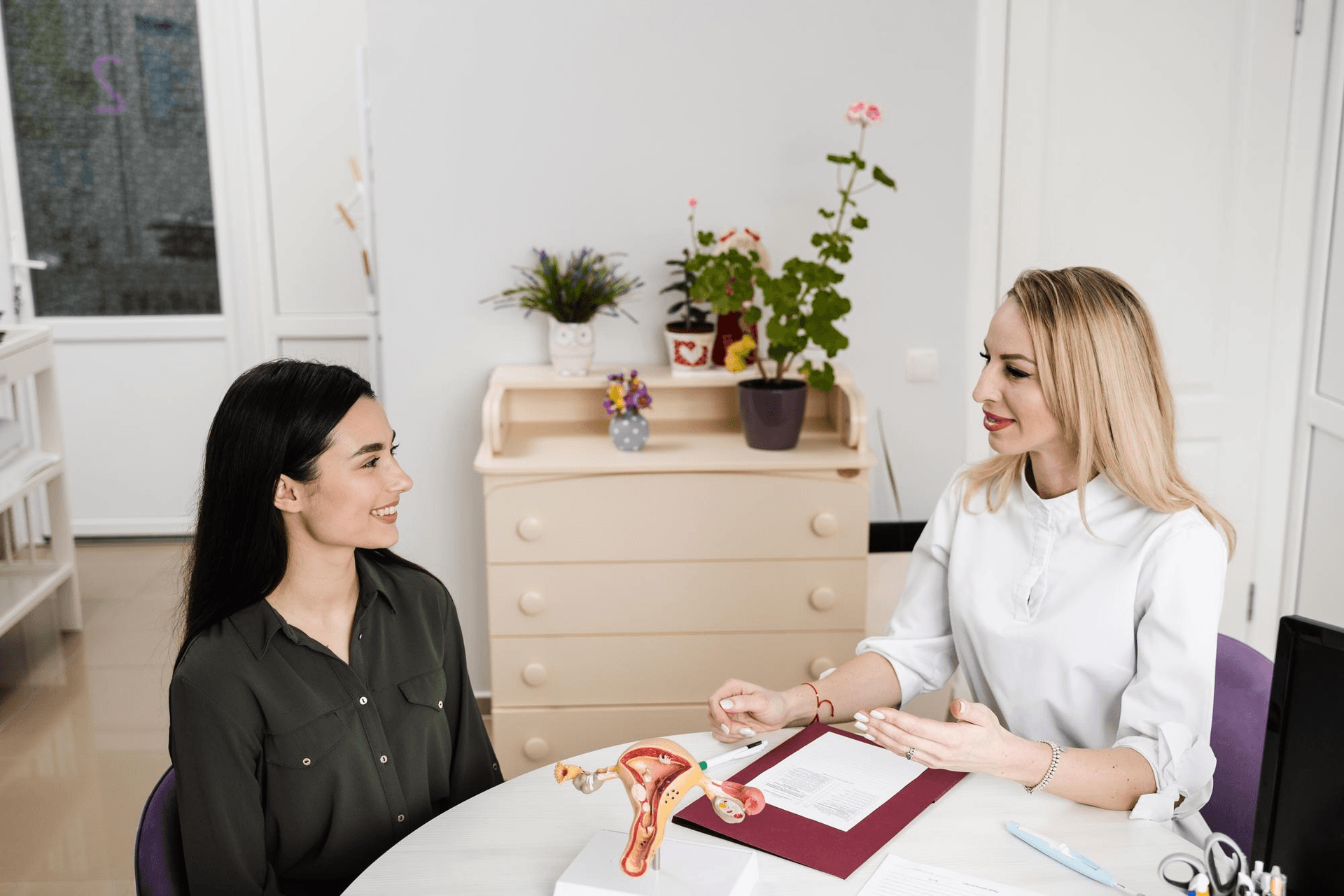
One trusted gynaecologist can see teenagers, mothers and grandmothers in the same family.
Sector 50 is a settled, largely residential part of Noida, where many families have lived for years and where newer households keep arriving. For a woman living here, the question is rarely "where is the nearest doctor?" It is more often "who can look after me, my pregnancy, my daughter's first period and my mother's menopause concerns without sending us to a different clinic every time?"
If you are searching for a gynaecologist near Sector 50, Noida, or a lady doctor for a long-term relationship, I would like to explain how I work and what women from this area usually come to see me for. I am Dr. Shachi Singh, a Consultant Gynaecologist and Laparoscopic Surgeon, and I see patients at Prakash Hospital, Sector 33, Noida.
Healthcare for three generations under one roof
In many homes in a residential sector like Sector 50, one household includes women of several ages. That makes a single trusted gynaecologist especially useful. Here is how the same clinic can serve different members of the family.
For teenagers and young women
- First periods and cycle concerns. Irregular cycles in the first two years after the first period are common, but heavy bleeding, severe pain or very long gaps deserve a check-up.
- Period pain that interferes with school or college.
- PCOS/PCOD signs: acne, excess hair, weight gain, irregular periods.
- HPV vaccination advice and early information about reproductive health.
- A calm, non-judgemental space where a young woman can ask questions she may not ask at home.
For women planning marriage or a baby
- Pre-marital and preconception counselling
- Blood tests, vaccination review and folic acid
- Fertility awareness and cycle tracking
- Early evaluation if conception takes longer than expected
- Contraception advice that fits your plans
For pregnancy and the first year after birth
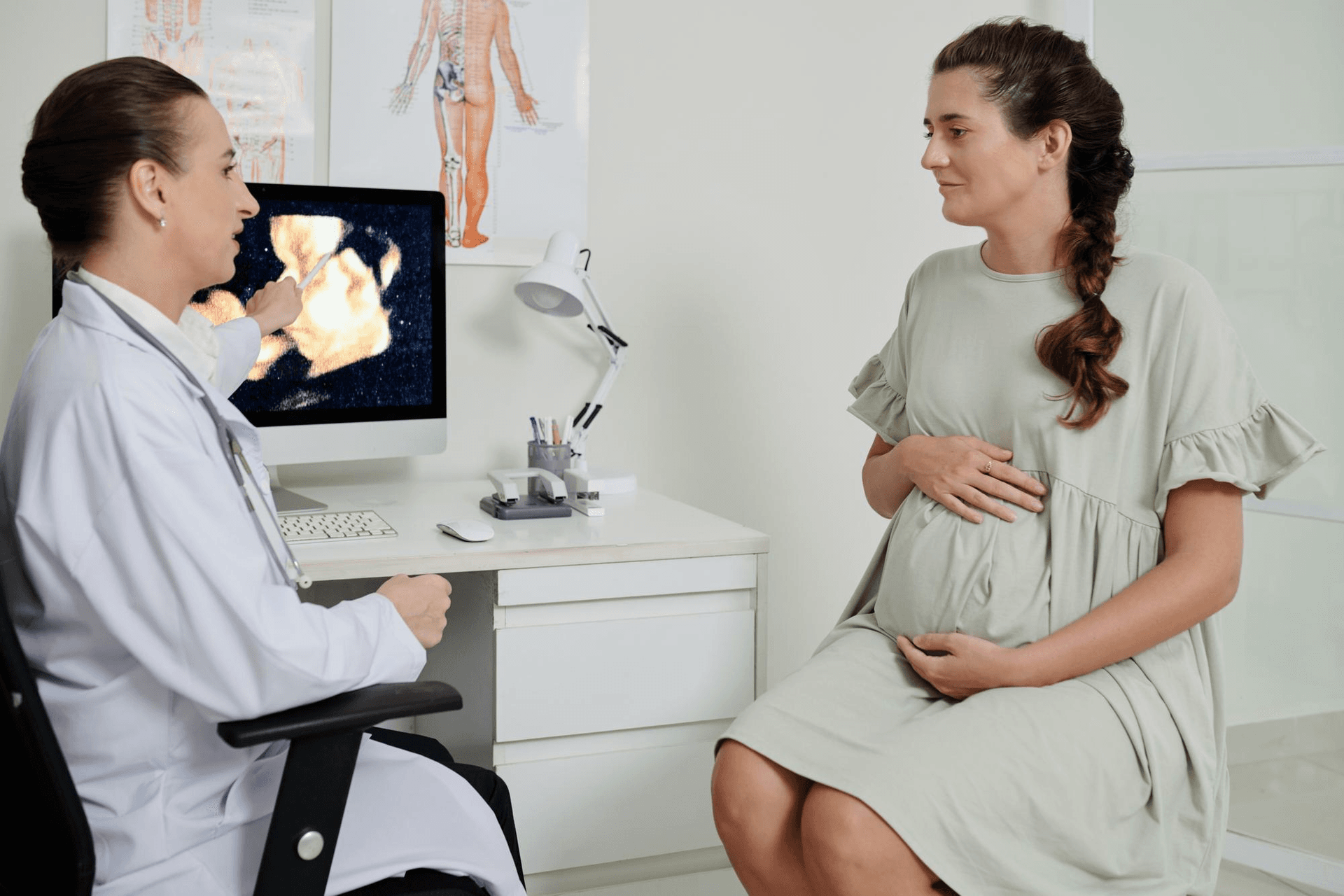
- Early confirmation scan and complete antenatal care
- Screening tests: double marker, NT scan, anomaly scan, glucose test
- Management of nausea, back pain, anaemia, thyroid and blood pressure
- Counselling for normal delivery or caesarean
- Postnatal check-up, breastfeeding support, contraception and pelvic floor recovery
For women in their thirties and forties
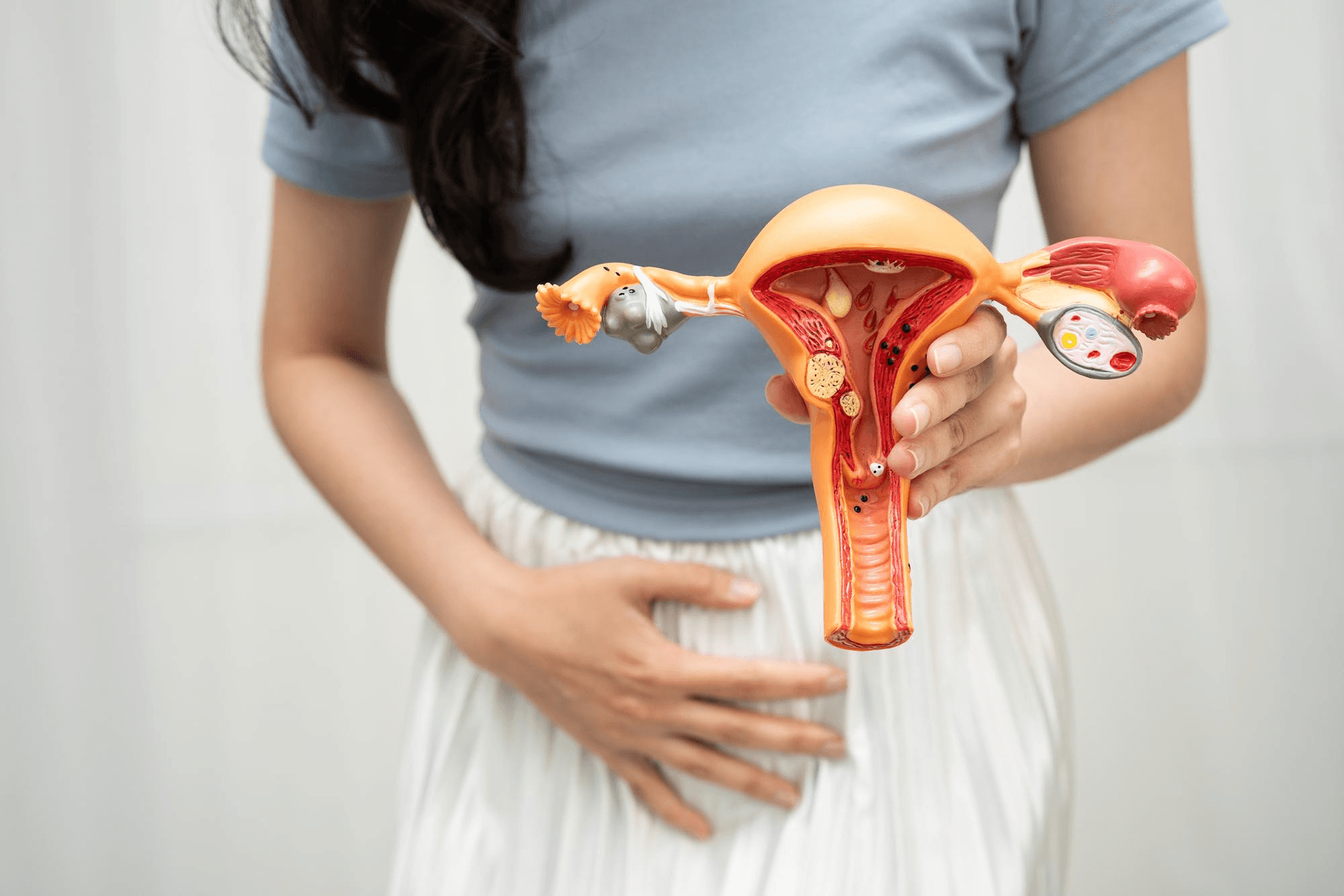
- Heavy or painful periods, fibroids, ovarian cysts
- Endometriosis and adenomyosis
- Recurrent urinary or vaginal infections
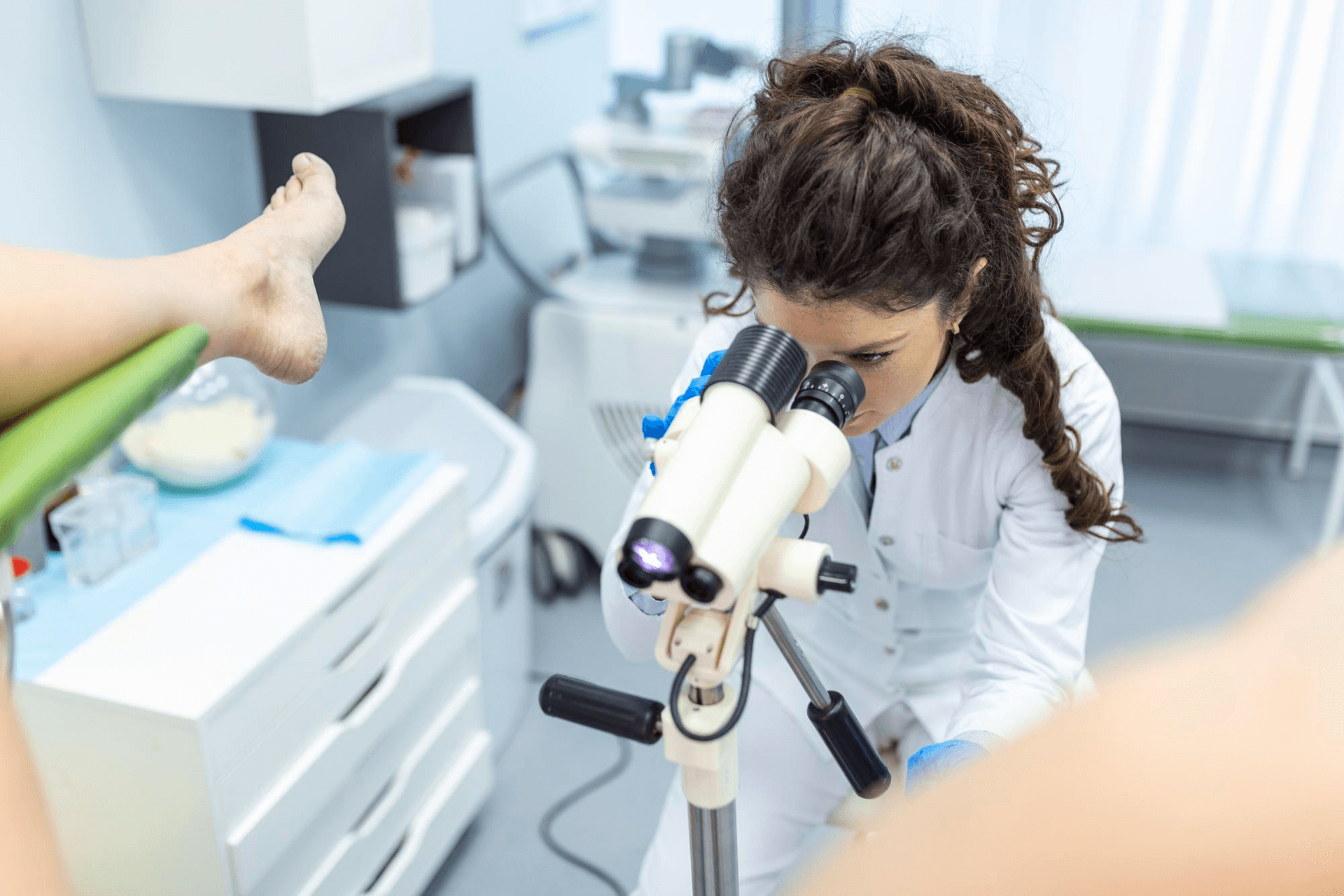
- Pap smear and HPV screening
- Weight, thyroid and hormonal concerns
- Perimenopause: hot flushes, mood changes, sleep trouble
For women after menopause
- Hormone therapy decisions
- Bone health and calcium/vitamin D
- Vaginal dryness and painful intercourse
- Urinary leakage and pelvic floor weakness (including prolapse)
- Any bleeding after menopause, which must always be evaluated
Pregnancy care for families in and around Sector 50
For many women, pregnancy is the reason for the first visit. A few things I like to make clear from the start:
Early registration matters. Ideally, see your doctor as soon as the pregnancy test is positive, or even before. An early scan confirms the pregnancy is in the uterus, checks the heartbeat and dates the pregnancy.
A schedule you can plan around. Visits are monthly until 28 weeks, then every two weeks, then weekly near term. Scans and blood tests have specific windows, such as the NT scan at 11 to 13 weeks and the anomaly scan at 18 to 20 weeks, so I help you book them in time.
Support for in-laws and family. In many joint families, advice flows from every direction: eat this, avoid that, do not climb stairs, lie down more. I am happy to speak to your family, so that medical advice and family wisdom line up. Some traditions are harmless, a few are unhelpful, and a few are even risky. It helps when we discuss them openly.
Planning delivery. I discuss normal delivery and caesarean options honestly, what is realistic for you and the situations in which one choice is safer than the other.
After the baby arrives. The postnatal period is often neglected. A check-up at six weeks, and earlier if there are problems, covers bleeding, wound healing, breastfeeding, mood, contraception and pelvic floor health.
Common women's health problems I treat
Periods and hormones
Irregular, heavy, painful or absent periods; clots in period blood; PCOS; thyroid-related cycle problems; premenstrual symptoms. Treatment ranges from lifestyle changes and medicines to minimally invasive surgery when needed.
Infections and discharge
White or yellow discharge, itching, burning urination, recurrent thrush or bacterial vaginosis. Many women are embarrassed to bring these up, but they are very common and treatable. A swab or urine test often shows the cause.
Fibroids, cysts and endometriosis
Ultrasound-based diagnosis and a personalised plan. Many fibroids and cysts only need monitoring. When surgery is required, laparoscopic (keyhole) surgery usually means smaller scars, less pain and a faster return to normal life.
Fertility
Evaluation for ovulation, tubes, uterus and your partner's semen. Treatment may include ovulation induction, treatment of PCOS or thyroid disease, correction of uterine problems and guidance on IUI or IVF where appropriate. Please confirm the exact services available when booking.
Pelvic floor and urinary problems
Leaking urine on coughing or laughing, a sense of heaviness or bulge, or difficulty emptying the bladder. These are common after childbirth and with age, and effective treatment exists.
Screening and prevention
Pap smear and HPV testing, breast awareness, bone and heart health, vaccines. Regular screening catches problems early, when treatment is simplest.
What your first visit will look like
- We talk. I ask about your periods, pregnancies, health history, medicines and what is worrying you. There is no hurry.
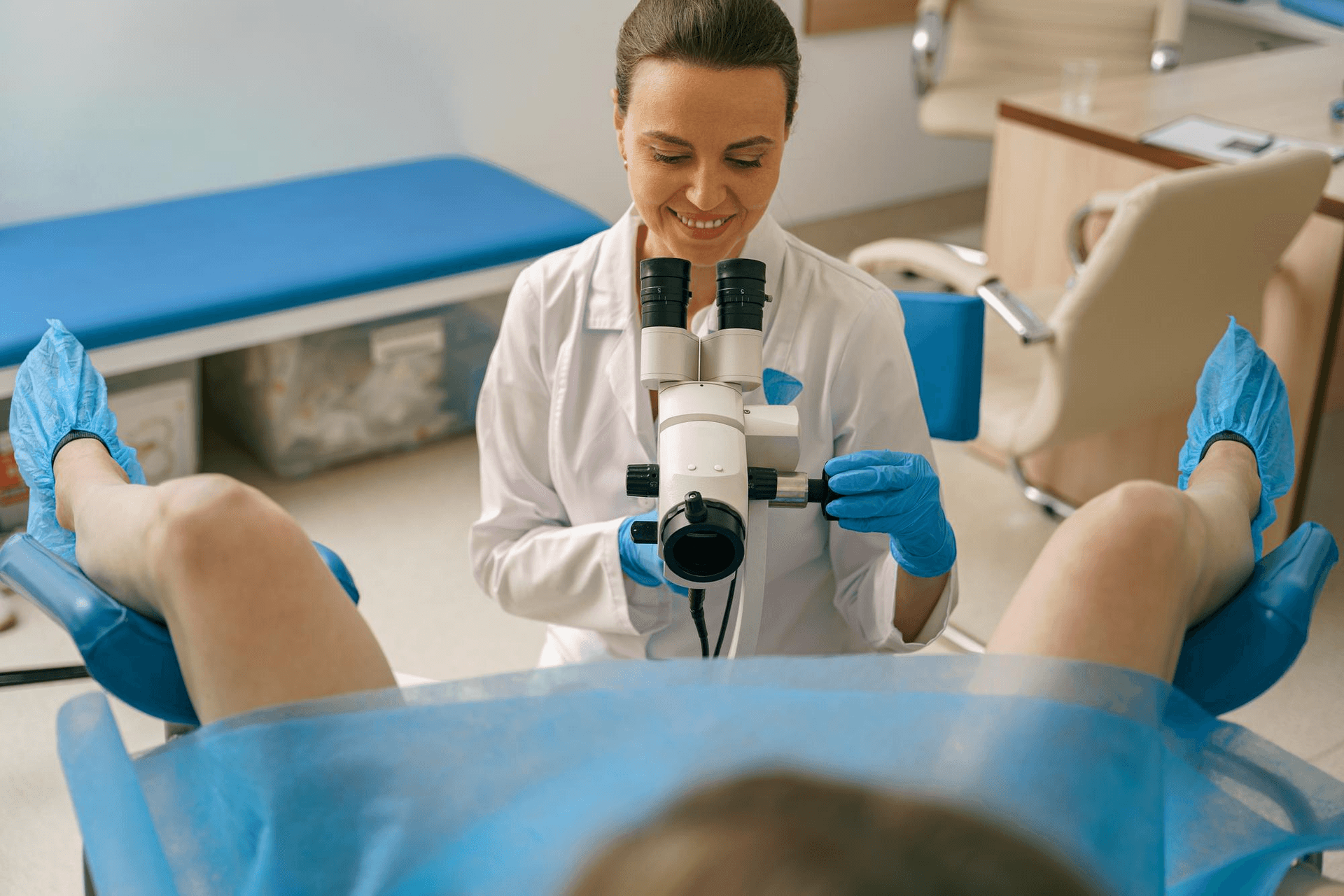
- Examination if needed. I explain what I am going to do and why, and you can say stop at any time. A chaperone can be present if you wish.
- Tests. Depending on your concern, an ultrasound, blood tests, a Pap smear or swabs.
- A clear plan. I explain the likely cause, treatment options and what you can do at home.
- Follow-up. We agree when to review and when to call earlier.
Bring your previous reports, your list of medicines and the dates of your last periods. If you are pregnant, bring all your antenatal records.
Talking to your daughter about periods and her body
In many homes, the first period still arrives with little warning and a lot of awkward silence. Girls often hear about periods from classmates, and what they hear is not always correct. A few simple approaches help mothers.
- Start early and keep it plain. Around the age of 9 or 10, explain what a period is, why it happens and that it is normal. A girl who knows what to expect is less frightened.
- Share practical facts. How to use a pad, how often to change it, what to do at school if she starts unexpectedly, and why a spare pad in her bag helps.
- Explain what is normal. Cycles in the first two years can be irregular. Pain that is mild to moderate and settles with rest is common. Pain that makes her miss school, very heavy bleeding or periods that have not begun by 15 are reasons for a check-up.
- Normalise the doctor's visit. A first gynaecology consultation is not only for problems. It can simply be a conversation about growth, hygiene, nutrition, anaemia and vaccines such as HPV.
- Watch the whole picture. Sudden weight gain, acne, excess hair or very irregular periods in a teenager can point to PCOS, thyroid or other hormonal issues that respond well to early care.
A girl who learns that her body is nothing to be ashamed of grows into a woman who seeks help early.
Healthy habits for busy households
Many women in family households put themselves last. Meals are made for everyone else, and a headache or a heavy period is something to push through. A few small habits can protect your health.
- Eat a proper breakfast and avoid long gaps between meals.
- Include iron-rich foods such as dal, green leafy vegetables, jaggery, dates and, if you eat them, eggs, fish or meat, along with a source of vitamin C.
- Walk daily, even for twenty minutes.
- Get your haemoglobin, thyroid, vitamin D and blood sugar checked once a year.
- Do not ignore leaking urine, a bulge or heaviness in the pelvis, or bleeding between periods. They are common, and they are treatable.
- Keep your Pap smear and breast check on the family calendar.
Clinic details and timings
Prakash Hospital, D-12A, 12B, Sector-33, G.B. Nagar, Noida, UP 201301.
- Monday to Saturday: 9 AM to 6 PM
- Sunday: 10 AM to 2 PM
Please check your route on a map app before leaving, as traffic changes through the day. It helps to call ahead and book a slot, so that your wait is short.
When not to wait for an appointment
Seek urgent care for:
- Heavy bleeding soaking a pad in an hour
- Severe abdominal pain, especially with fever or fainting
- Bleeding or pain in early pregnancy
- Leaking fluid, bleeding, or reduced baby movements later in pregnancy
- Severe headache, blurred vision or sudden swelling in pregnancy
- Bleeding after menopause
Frequently asked questions
Can my mother or mother-in-law come with me? Yes. Family members are welcome, and many find it helpful.
Do I need a referral? No. You can book directly.
Can I discuss sensitive issues, such as sexual health? Yes. Everything is confidential, and nothing is too small or too embarrassing.
Do you treat teenagers? Yes, with care for their comfort and privacy, usually with a parent present for part of the visit.
I only want a second opinion. Is that fine? Of course. Bring your reports.
How often should I have a gynaecology check-up? A yearly visit is a sensible habit for most women, with Pap smears at the interval your doctor advises.
A doctor for the long term
The best gynaecologist for you is one you feel comfortable talking to, year after year. If you live in or near Sector 50, Noida, I would be glad to see you. To book a consultation, call +91 97023 46853.
Related reading
- Best gynaecologist in Noida
- Gynaecologist near Sector 62, Noida
- Gynaecologist in Sector 33, Noida
- Pregnancy week by week
- PCOS vs PCOD: what is the difference?
This page is for general information and does not replace a personal consultation.