Thin Endometrium: Causes, Treatment and Pregnancy Chances
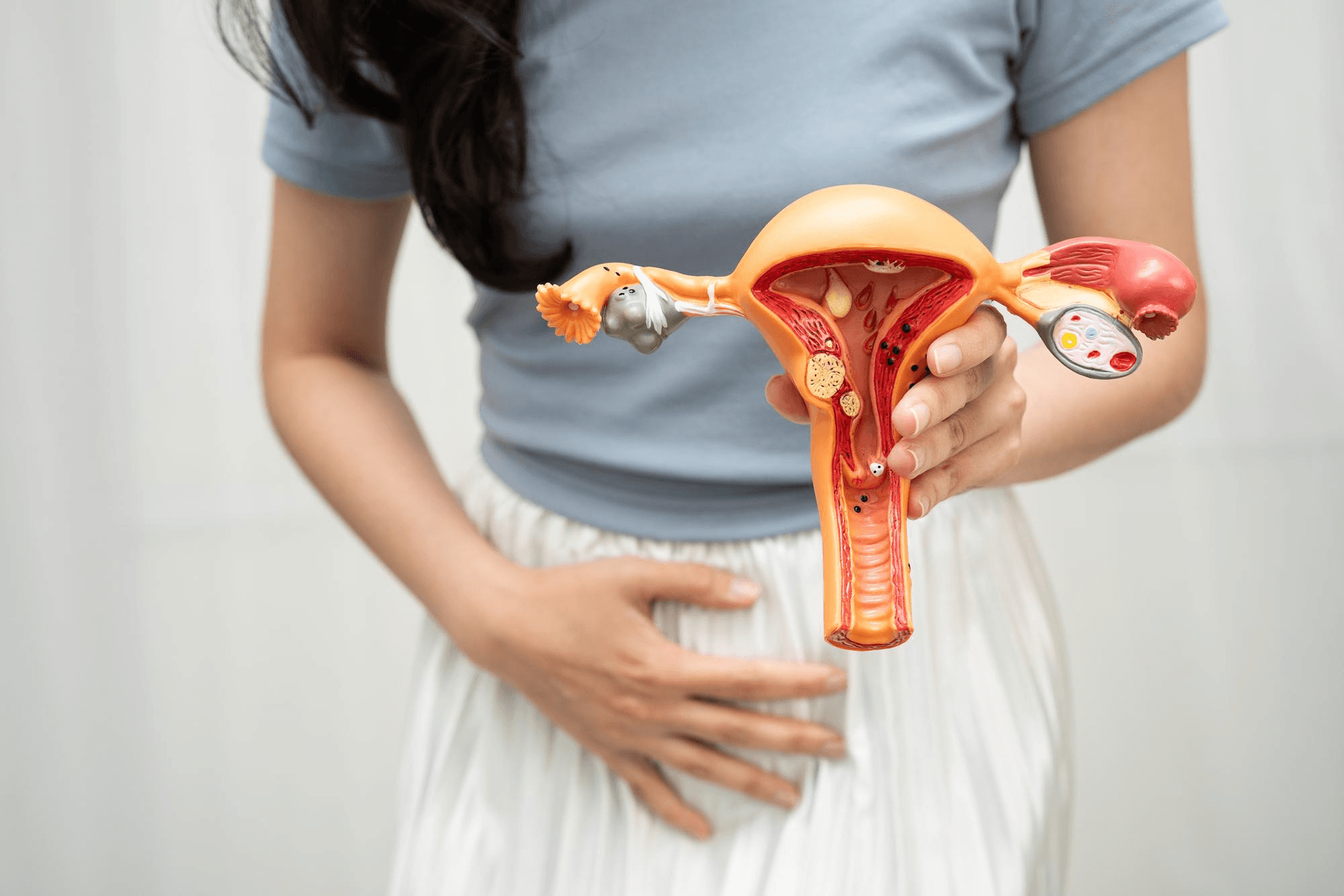
Most specialists consider the lining thin if it measures under 7 mm around ovulation or embryo transfer.
"Your lining is only 5 millimetres." Few sentences cause such a sinking feeling in a fertility clinic, especially when it is said on the day you had hoped for a transfer, or in the middle of a cycle you have already waited weeks for.
I see this worry often, and I want to put it in context straight away. A thin lining is a recognised cause of difficulty with implantation, but it is not a hopeless diagnosis. Pregnancies do happen with thin linings, many causes are treatable and doctors have a range of approaches, some well supported by evidence and some not. Knowing which is which can save you money, time and heartbreak.
This guide explains what the endometrium is, what counts as thin, why it happens, how it affects conception and what can be done. If you are looking for a fertility specialist in Noida, details are at the end.
What is the endometrium?
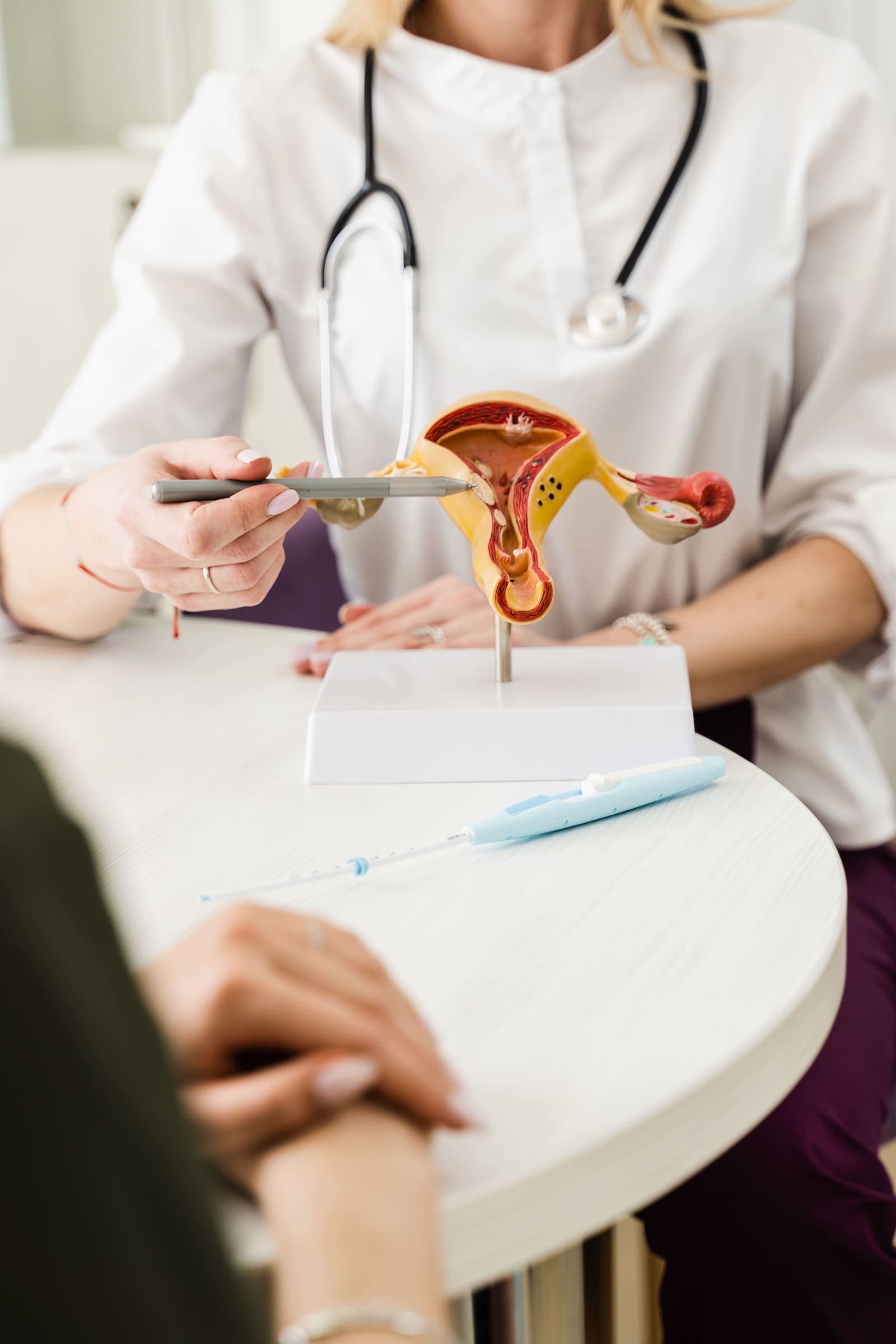
The endometrium is the inner lining of the uterus. Each month it grows thicker under the influence of oestrogen, preparing to receive an embryo. If there is no pregnancy, the lining sheds as your period. If an embryo implants, the lining supports it and becomes the maternal side of the placenta.
For implantation, the lining needs to be thick enough, to have a healthy blood supply and to be "receptive," which means the right hormonal and molecular signals are present at the right time.
What counts as thin?
There's no single universal cut-off, but most fertility specialists consider the lining thin if it measures less than 7 mm around the time of ovulation or embryo transfer, measured on a transvaginal ultrasound. Some use 8 mm for IVF cycles. A "trilaminar" or triple-line pattern (three visible layers) is considered a healthy appearance.
Typical thickness:
- During your period: very thin (1 to 4 mm)
- After periods in the early follicular phase: around 4 to 6 mm
- Around ovulation: 8 to 12 mm, often with a triple-line appearance
- After ovulation, in the secretory phase: thicker and more uniform, often 10 to 14 mm or more
A thin lining at the right time in the cycle, not at the end of your period, is what matters.
Does a thin lining always mean you can't get pregnant?
No. Studies show that the chance of pregnancy falls as the lining gets thinner, especially below 6 mm, and pregnancy rates are lowest at very thin measurements around 4 to 5 mm. Yet live births have been documented at linings as thin as 5 or even 4 mm. Lining thickness is only one indicator. Blood flow, structure and receptivity matter as much. Thickness alone does not condemn a cycle, but a persistently thin lining deserves investigation.
Symptoms
Many women with a thin endometrium have no symptoms apart from difficulty conceiving or recurrent early miscarriage. You might notice:
- Very light or short periods (hypomenorrhoea)
- Absent periods (amenorrhoea) in some conditions
- Failed IVF or embryo transfer cycles with otherwise good embryos
- Early miscarriages
A thin lining on a scan can also be a normal finding on the wrong day of the cycle, so the timing matters.
Causes
1. Intrauterine adhesions (Asherman's syndrome)
Scar tissue inside the uterus, often after a D&C (dilatation and curettage), infection, surgery or retained tissue after a miscarriage, can replace the normal lining. It is a leading cause of persistent thin endometrium. Light periods after a curettage should raise suspicion.
2. Chronic endometritis
Long-standing, low-grade inflammation of the lining, sometimes without symptoms, can impair its growth and receptivity.
3. Genital tuberculosis
Common in India and a significant cause of damaged endometrium, scarring and infertility. It may not cause obvious symptoms.
4. Hormonal factors
- Low oestrogen, from low ovarian reserve, premature ovarian insufficiency or poor response
- Medicines: clomiphene citrate is the classic example. It blocks oestrogen receptors in the uterus and can thin the lining even when it induces ovulation. Letrozole usually has less effect on the lining.
- Long-term use of some contraceptives or hormone treatments
- Thyroid disease or high prolactin
5. Reduced blood flow
Poor blood supply to the uterus, for example after previous surgery, with fibroids or in women with vascular risk factors, may limit endometrial growth.
6. Age
The lining may respond less to hormones with increasing age.
7. Previous uterine procedures and radiation
Repeated curettage, cone biopsy, endometrial ablation or pelvic radiotherapy can damage the lining.
8. Smoking and lifestyle
Smoking is associated with reduced blood flow and poorer endometrial quality.
9. Unknown
Sometimes no cause is found.
How is a thin endometrium diagnosed?
Transvaginal ultrasound measuring endometrial thickness and pattern at the right time in the cycle, ideally repeated over a couple of cycles. Doppler can assess blood flow.
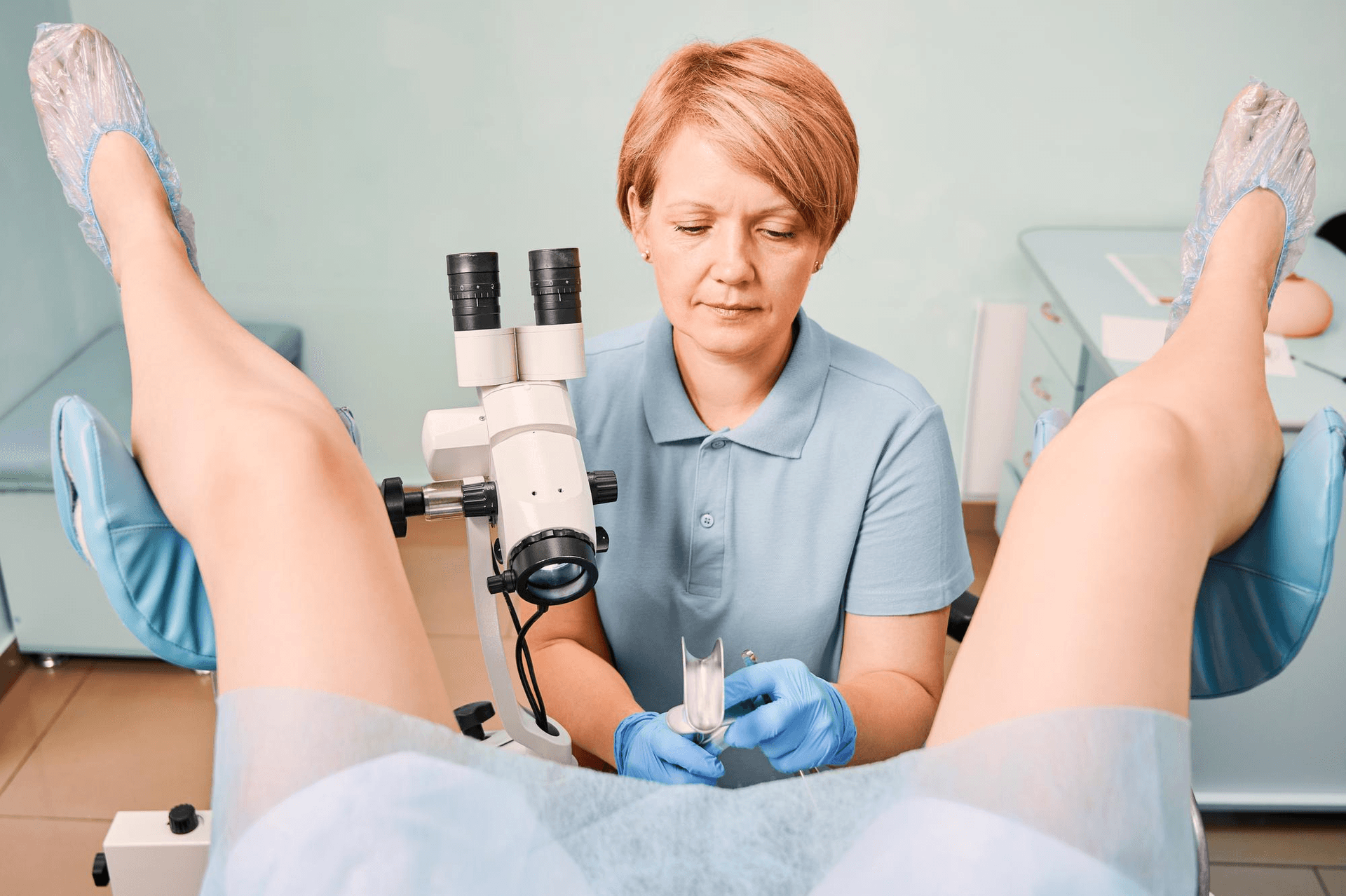
Hysteroscopy. A thin camera inserted into the uterus allows direct viewing of the cavity and diagnosis of adhesions, polyps or signs of inflammation. It's the gold standard to check the inside, and adhesions can often be treated in the same sitting.
Saline sonography or HSG. Can show filling defects or adhesions.
Endometrial biopsy and tests for chronic endometritis or TB. Where suspicion exists.
Hormonal tests. Oestradiol, AMH, FSH, thyroid function and prolactin.
Treatment: what works, and what is less certain
I will divide the options into those with stronger support and those with limited evidence, because this is a field where many clinics oversell.
Treating the underlying cause (strongest approach)
- Remove intrauterine adhesions by hysteroscopic adhesiolysis, followed by measures to prevent them from re-forming, such as oestrogen therapy and sometimes a temporary balloon or device. This can restore the lining in many women.
- Treat chronic endometritis with a course of antibiotics when diagnosed.
- Treat genital TB with a full course of anti-tubercular drugs if confirmed.
- Remove polyps or fibroids that distort the cavity.
- Change the ovulation-induction drug. If clomiphene thins the lining, switching to letrozole or adding oestrogen can help.
- Treat thyroid and prolactin disorders.
Oestrogen therapy
Extended or higher-dose oestradiol (as tablets, patches, gel or vaginal route) before ovulation or embryo transfer is the most commonly used treatment. In frozen embryo transfer cycles with artificial preparation, oestrogen can be given for a longer period and at carefully adjusted doses, with scans to track growth. Some women respond well; others do not.
Lifestyle and general measures
- Stop smoking
- Maintain a healthy weight
- Moderate exercise to support circulation
- Stay hydrated and eat a balanced diet
These won't transform a damaged lining but support general health.
Treatments with limited or mixed evidence
Many options are used in practice, but good-quality trials are few. You can discuss them with your doctor, understanding that their benefit is uncertain.
- Low-dose aspirin. Used to improve blood flow, but trials have not proved clear benefit for lining thickness or pregnancy.
- Vaginal sildenafil (Viagra). Small studies suggested improved uterine blood flow and thickness, but larger studies do not consistently confirm better pregnancy rates.
- Pentoxifylline and vitamin E. Some small studies show improvement, particularly in women with a history of thin lining, but the evidence is limited.
- Granulocyte colony-stimulating factor (G-CSF). Delivered into the uterus in some centres, with mixed results.
- Platelet-rich plasma (PRP) infusion into the uterus. Early research suggests possible benefit, but it is still experimental and not standard care.
- Stem cell therapy. Experimental, and should be approached with great caution outside research settings.
- Acupuncture, herbal remedies and supplements. Little reliable evidence.
- Endometrial scratching. Not shown to help routinely.
- L-arginine, vitamin C and others. Insufficient data.
If a clinic offers one of these as a guarantee, be sceptical. A good doctor explains the uncertainty frankly and doesn't promise outcomes.
Fertility treatment strategies
- Freeze-all approach with a prepared frozen transfer, so the lining can be prepared without the high hormone and drug environment of stimulation
- Natural-cycle FET, which in some women gives a better lining
- Delaying transfer by a few days until the lining reaches a good thickness
- Gestational surrogacy, a legal and ethical option for a small group of women with severe, untreatable endometrial failure, which is regulated by law in India and requires careful counselling
What can you do yourself?
- Get the underlying cause properly evaluated rather than only trying remedies
- Avoid unnecessary curettage, and ask whether tissue after a miscarriage can be managed medically or gently
- Stop smoking and avoid tobacco
- Keep to your prescribed medicines and scan schedule
- Keep a record of your lining measurements by cycle day
- Seek emotional support. A cancelled transfer can be devastating
Common questions
What lining thickness is best for transfer? Most clinics aim for about 7 to 8 mm or above with a triple-line pattern, though pregnancy can still occur with less.
Can diet improve the lining? A healthy diet supports general health, but specific foods have not been shown to thicken a thin lining.
Does a thin lining raise the risk of miscarriage? There is some association, but it is generally linked to the underlying cause.
Is a thin lining permanent? Not always. It depends on the cause. Adhesions and inflammation can be treated.
Can I still do IVF? Yes, with a carefully prepared cycle and sometimes a delayed transfer.
Is it the same as Asherman's syndrome? No. Asherman's syndrome is one cause of a thin endometrium.
Find the cause first
A thin endometrium is a sign, not a diagnosis, and the right treatment depends on why it is thin. A good evaluation gives you a plan that is honest about what is likely to work. I see couples from Noida, Greater Noida, Ghaziabad and Delhi NCR at Prakash Hospital, Sector 33. To book a consultation, call +91 97023 46853.
Related reading
- Asherman's syndrome: adhesions and treatment
- Frozen embryo transfer: process and success
- Genital tuberculosis and infertility
- Clomiphene citrate: side effects
- Failed IVF cycle: what to do next
This article is for general education. Treatment plans should be made with your own doctor.