How To Maintain Vaginal Hygiene Properly?

A smiling woman shows menstrual products, encouraging healthy hygiene habits and raising awareness about caring for women’s intimate health.
Taking care of vaginal hygiene really matters for your health. This area’s pretty sensitive, so you’ve got to be gentle to avoid infections, irritation, or any uncomfortable smells. Sticking to a few simple habits each day and cleaning the right way keeps everything in balance, good bacteria, healthy pH, all that. It means you stay comfortable and fresh, and it’s better for your reproductive health, too.
Why Vaginal Hygiene Matters for Women’s Health
1. Helps Prevent Infections
- Keeping things clean down there goes a long way in stopping infections like Bacterial Vaginosis or yeast infections.
- When you take care of your vaginal area, you help the good bacteria do their job and keep everything in balance.
2. Keeps Your pH in Check
- The vagina’s supposed to be a bit acidic; it’s part of your body’s natural defense.
- Gentle hygiene helps keep that balance right where it should be, which means less irritation and fewer problems.
3. Boosts Reproductive Health
- When you practice good intimate hygiene, you cut down your chances of dealing with irritation, funky odors, or infections that can mess with your reproductive and urinary health.
- You’ll feel more comfortable and more confident, and you’re setting yourself up for better gynecological health down the road.
Daily Habits for Good Vaginal Hygiene
1. Gentle Cleaning
- Clean up down there every day with warm water and a gentle, fragrance-free wash.
- Skip the harsh soaps and don’t overdo it; your vagina handles its own cleaning, and it’s better to let it keep its natural balance.
2. Stick to Cotton Underwear
- It lets your skin breathe, soaks up moisture, and keeps things comfortable.
- That helps you avoid irritation and infections like yeast infections.
3. Maintain Menstrual Hygiene
- When you’re on your period, change pads, tampons, or cups every few hours.
- It keeps you fresh and stops bacteria from building up.
4. Maintain Toilet Hygiene
- After using the toilet, always wipe from front to back.
- That simple step prevents bacteria from entering your urinary tract and causing infections.
5. Avoid Wet Clothes
- Don’t hang around in damp clothes.
- Change out of wet swimsuits or sweaty gym gear as soon as you can; bacteria and fungus love moisture.
6. Sexual Hygiene
After sex, go pee and gently wash the outside area. This helps reduce your risk of infection.
Mistakes People Make With Vaginal Hygiene
1. Douching The Vagina
Douching throws off your vagina’s natural balance and raises your chances of getting infections like Bacterial Vaginosis.
2. Scented Products
Perfumed soaps, sprays, and wipes can irritate the area and mess with your natural pH.
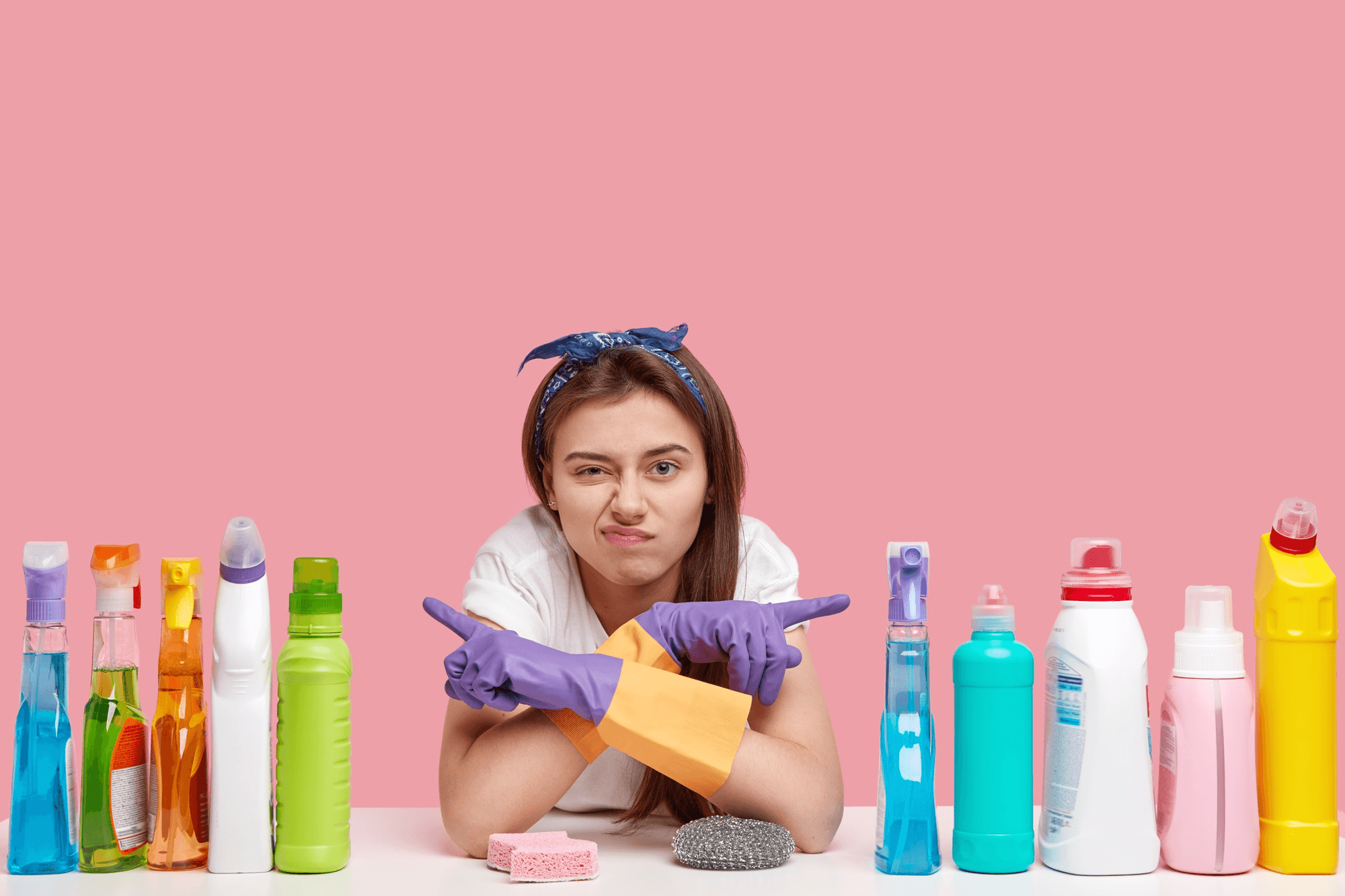
Woman gestures away from scented products, highlighting the need to avoid harsh chemicals for safe, healthy vaginal hygiene.
3. Tight or Synthetic Underwear
When you wear non-breathable fabrics, heat and moisture get trapped. That sets up the perfect environment for yeast infections like Vaginal Candidiasis.
4. Not Changing Menstrual Products Often Enough
If you leave pads or tampons in too long, bacteria can start to grow.
5. Unhygienic Toilet Habits
Not wiping properly after using the bathroom can make it easier to get a Urinary Tract Infection.
Intimate Hygiene: Best Products and Habits
1. Stick with mild, fragrance-free cleansers
- Go for gentle, unscented cleansers meant for the outer area (the vulva).
- Strong soaps, perfumes, and chemicals can really irritate those sensitive tissues and throw off your vagina’s natural balance.
2. Choose Cotton Underwear
- Cotton breathes and soaks up moisture, which helps keep things dry down there.
- This lowers your risk of fungal infections like vaginal yeast infections.
3. Change Menstrual Products Regularly
- Swap out pads, tampons, or menstrual cups every 4 to 6 hours.
- Doing this keeps bacteria from building up and stops irritation before it starts.
4. Keep the Area Dry
- After a shower or workout, gently pat the area dry with a clean towel.
- Extra moisture just gives bacteria a place to grow, so staying dry makes a big difference.
5. Skip Unnecessary Intimate Products
- Most gynecologists say to avoid deodorants, powders, and sprays for your vagina.
- These can mess with the natural protection your body already has.
6. Get Regular Gynecological Check-ups
- Routine visits to your gynecologist help catch infections like bacterial vaginosis early.
- Plus, they’re just good for your overall reproductive health.
Signs of Poor Vaginal Hygiene
1. Strong or Unusual Odor
If you notice a persistent fishy smell, that’s often a sign that something’s off, like a bacterial infection such as Bacterial Vaginosis.
2. Abnormal Discharge
When discharge suddenly changes, maybe it gets thicker, turns white or yellow, or just smells different, it usually means there’s an issue. Vaginal Candida is a common issue here.
3. Ongoing Itching or Irritation
If you keep feeling itchy or you see redness and swelling around your vagina, don’t ignore it. That’s your body telling you there’s irritation or maybe even an infection.
4. Burning When You Pee
A burning feeling during urination isn’t normal. It’s often linked to a urinary tract infection.
5. Redness or Swelling
When the vulva looks red, feels swollen, or just hurts, poor hygiene could be to blame—or it might be an infection.
6. Pain During Sex
If sex suddenly becomes painful or uncomfortable, it can point to problems like infections, dryness, or just poor vaginal health overall.
When to Consult a Gynecologist
- You notice constant itching, burning, or irritation down there that just won’t quit.
- There’s discharge that smells off or looks unusual.
- You’re dealing with signs of an infection like Bacterial Vaginosis or a yeast infection.
- It hurts or burns when you pee, and you’re starting to wonder if it’s a UTI.
- Sex is painful, and that’s not normal for you.
- You have bleeding you can’t explain or pelvic pain that doesn’t go away.

A gynecologist explains vaginal hygiene and reproductive health to a patient, using an anatomical model to help her understand proper care.
Final Thoughts
Taking care of your vaginal health doesn’t have to be complicated. A few simple habits like gentle washing, wearing cotton underwear, and changing pads or tampons regularly go a long way. Skip harsh soaps and douching, since they mess with your body’s natural balance. Pay attention to changes, like itching or odd discharge. If something feels off and doesn’t go away, don’t wait; seeing a gynecologist helps you get answers and feel better fast.
Expert Care with Dr. Shachi Singh
Feeling discomfort, noticing unusual discharge, or worried about an infection? Don’t put your intimate health on the back burner. Dr. Shachi Singh is an expert in obstetrics, gynecology, and laparoscopic care. She listens, understands, and offers the right treatment for your needs.
Book a consultation with her and take charge of your intimate well-being with confidence.