Copper T (IUCD): Insertion, Side Effects and Who Should Avoid It

The Copper T contains no hormones; its copper stops sperm before fertilisation.
Among the many contraceptive options available in India, the Copper T is one of the oldest, most trusted and most misunderstood. Some women love it because it works for years without daily effort. Others are afraid of it because of stories about pain, heavy periods or "the device moving into the stomach." Both the benefits and the worries deserve a straight answer.
This guide explains how the Copper T works, who it suits, how long it lasts, how insertion is done, what side effects to expect, the real risks and who should avoid it. If you want personalised contraception advice from a gynaecologist in Noida, details are at the end.
What is a Copper T?
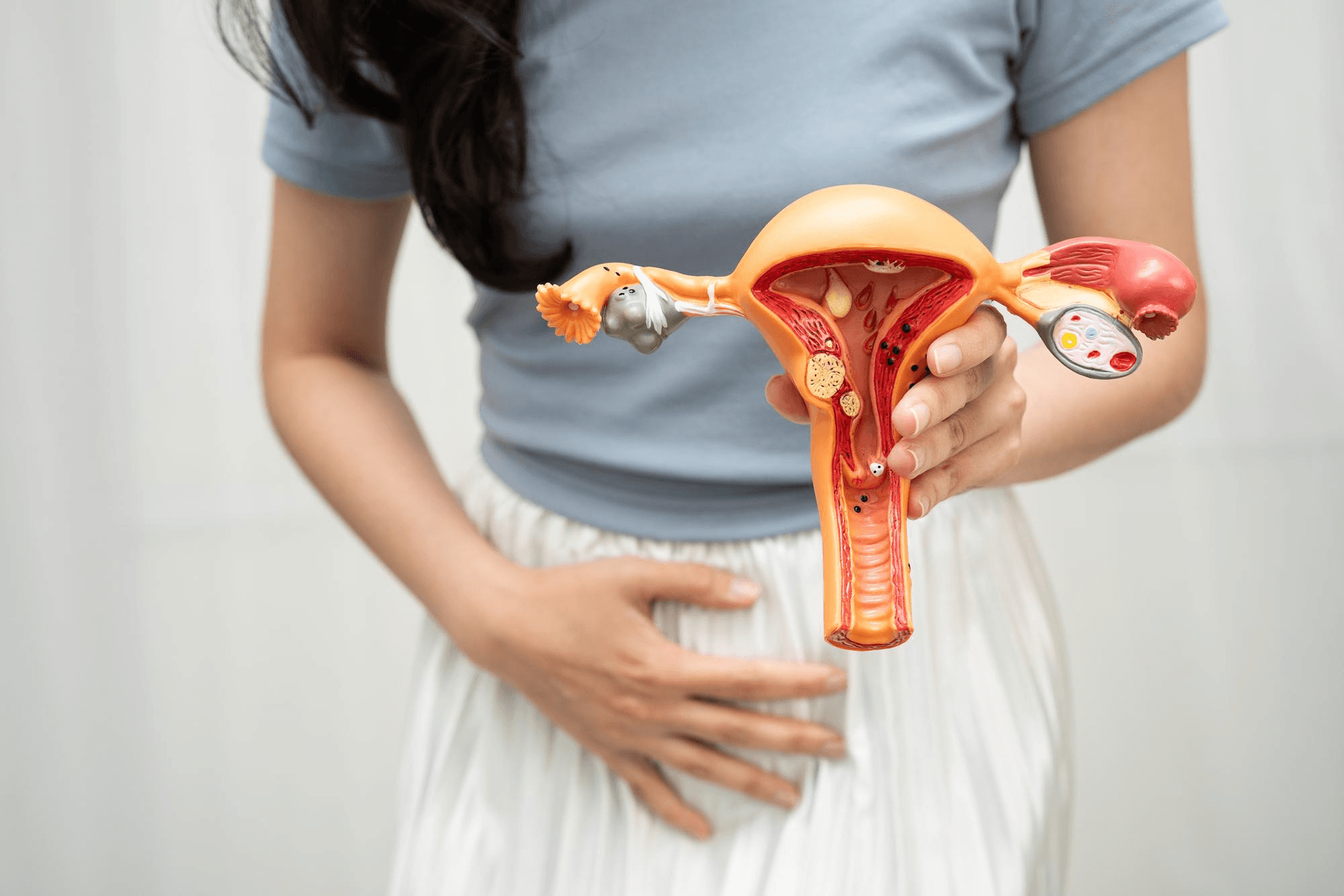
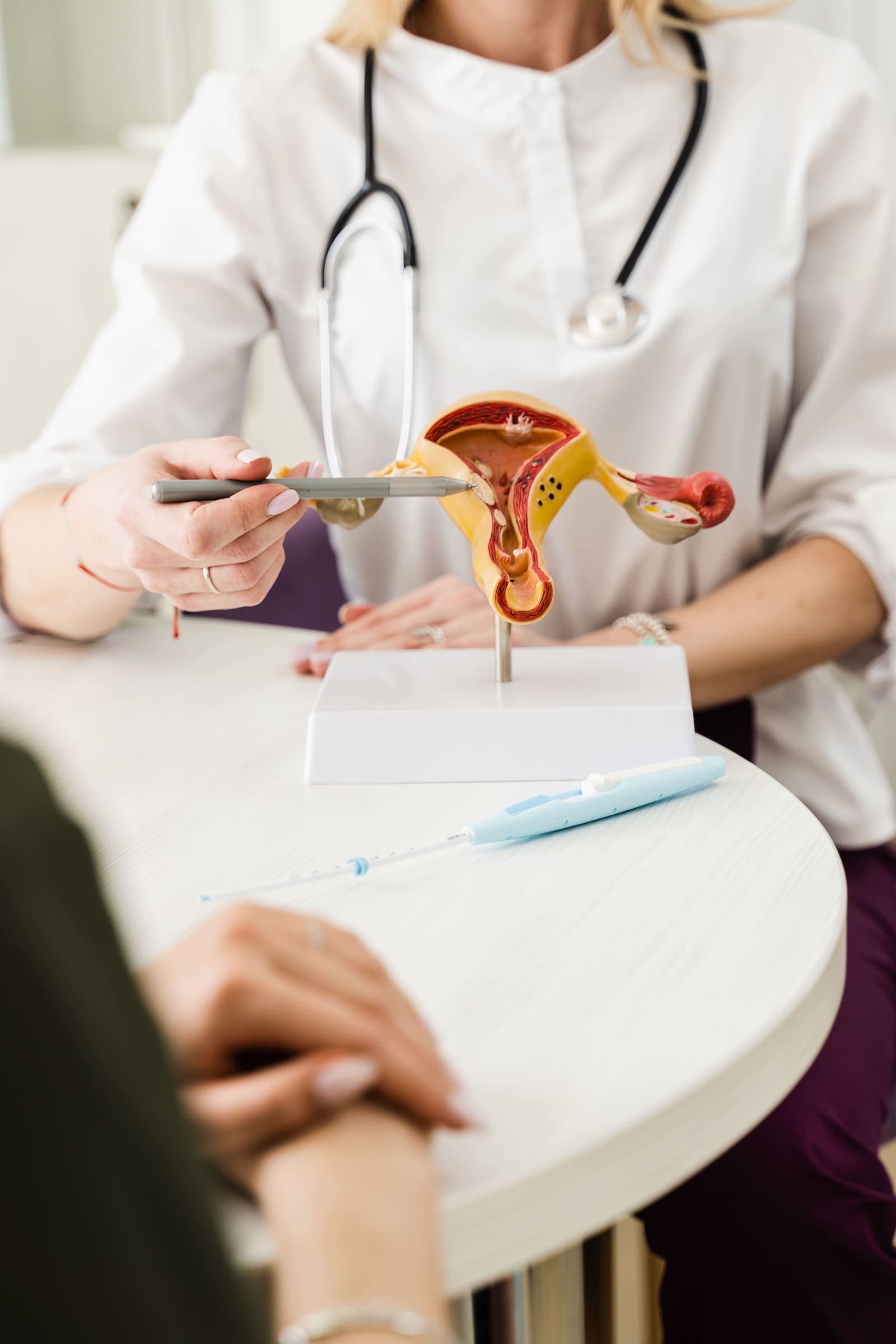
The Copper T is a small, T-shaped device made of flexible plastic with copper wire wound around the stem (and sometimes the arms). It is placed inside the uterus and belongs to a group called IUDs (intrauterine devices) or IUCDs (intrauterine contraceptive devices). Two thin threads hang from the bottom through the cervix into the top of the vagina. These threads allow you and your doctor to check that the device is in place, and make removal easy.
It contains no hormones. Its effect comes from copper.
How does it work?
Copper is toxic to sperm and eggs. Once in the uterus, the copper ions create an inflammatory environment that:
- Damages sperm and reduces their ability to move and survive
- Prevents fertilisation of the egg in most cases
- May also make the lining of the uterus unsuitable for implantation
The key point is that the Copper T works mainly before fertilisation. It is not an abortion method, and it does not disturb an established pregnancy. Ovulation continues normally, so your cycle is not suppressed.
How effective is it?
Very. Copper IUDs are among the most effective reversible methods of contraception, with a failure rate of less than 1 in 100 women per year, and well under that for the best-performing devices, in typical use. Because there's nothing to remember each day, the "user error" that affects pills, condoms and calendar methods is largely removed.
How long does it last?
It depends on the type.
- Copper T 380A is approved for up to 10 years.
- Copper T 375 (used in India's public programme) is effective for about 5 years.
- Some other devices are licensed for 3 to 5 years.
Your doctor will tell you the type inserted and when it is due for replacement. Note the date in your records.
Benefits
- Highly effective and long-lasting
- Hormone-free, a good option for women who cannot or do not want to use hormones (for example, with certain migraines, blood clot risk or breastfeeding concerns)
- Immediately reversible. Fertility returns as soon as it is removed, with no delay in most women
- Not affected by other medicines
- No daily routine, private and convenient
- Can be used while breastfeeding
- Can also work as emergency contraception if inserted within 5 days of unprotected sex
- Safe to have an MRI scan
Who is it suitable for?
Most women, including those who have not had children, can use a Copper T. It is particularly useful for:
- Women who want long-term, reliable contraception without hormones
- Women who have completed or want to space their families
- Women with conditions in which oestrogen is not advised
- Women who forget pills easily
- Women seeking emergency contraception with ongoing protection
Who should avoid it?
A Copper T is not suitable if you have:
- Pregnancy or suspected pregnancy
- Active pelvic infection (pelvic inflammatory disease), or a current sexually transmitted infection such as chlamydia or gonorrhoea, until treated
- Unexplained abnormal vaginal bleeding that has not been investigated
- Known or suspected cervical, uterine or ovarian cancer
- A uterine cavity that is badly distorted by fibroids or a congenital anomaly, preventing correct placement
- Allergy to copper or Wilson's disease (a disorder of copper metabolism)
- A recent postpartum or post-abortion infection
- A previous problem with an IUD, depending on the circumstances
Relative cautions, which your doctor will assess:
- Very heavy or painful periods, which a Copper T may worsen. A hormonal IUD might suit better.
- High personal risk of STIs. A Copper T does not protect against infection, and condoms are still needed.
- Fibroids or adenomyosis, depending on size and position.
- Anaemia, which should be treated first.
- Previous ectopic pregnancy, where counselling is needed.
When can it be inserted?
Timing is flexible, as long as pregnancy is excluded.
- Any time in the menstrual cycle, if you are reasonably sure you are not pregnant. Many doctors prefer to insert it during or just after a period, when the cervix is slightly open and pregnancy is unlikely.
- After delivery: within 48 hours of vaginal delivery or at the time of caesarean (immediate postpartum insertion), or after about 4 to 6 weeks, when the uterus has returned to size. The risk of expulsion is higher with immediate insertion, which your doctor can explain.
- After an abortion or miscarriage: immediately, if there is no infection.
- Within 5 days of unprotected sex for emergency contraception.
- When switching from another method.
How is it inserted?
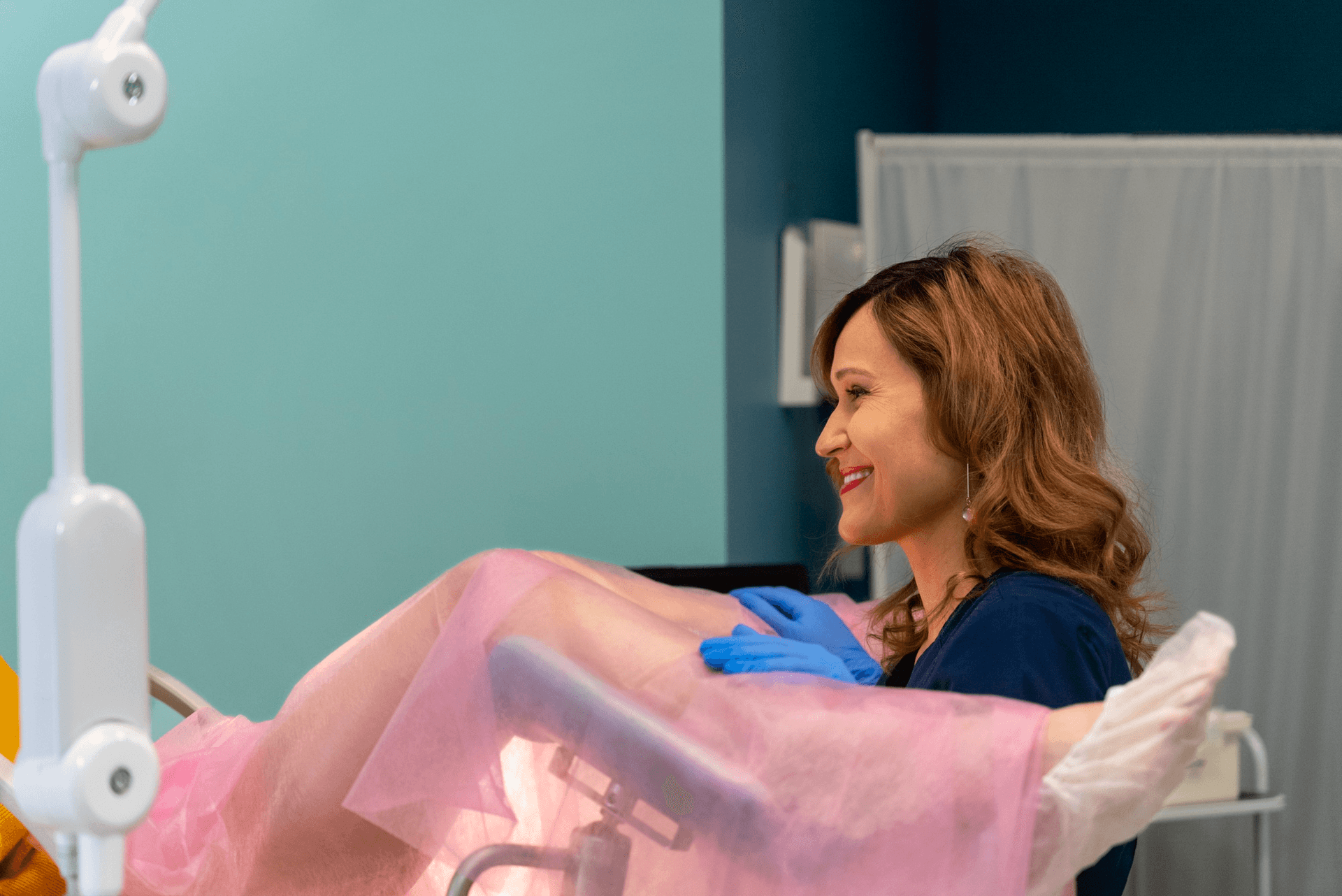
A Copper T is inserted in the clinic, usually without anaesthesia, and takes 5 to 10 minutes.
- Consultation and checks. Your history, a pregnancy test if needed, and an examination to find the position of the uterus. A scan or screening for infection may be done.
- Preparation. You lie on the examination table. A speculum is inserted and the cervix is cleaned with antiseptic.
- Measuring. A thin instrument (a uterine sound) may be used to measure the depth and direction of the uterus.
- Insertion. The device, folded into a thin tube, is passed through the cervix into the uterus. The tube is withdrawn, releasing the arms of the T at the top of the uterus.
- Trimming the threads. The threads are cut to a suitable length.
You may feel cramping, similar to period pain, particularly as the instrument passes through the cervix. Some women also feel dizzy or faint for a moment. Taking a painkiller before the procedure, such as ibuprofen if suitable, and relaxing your pelvic muscles helps. Women who have not delivered vaginally may find it a little more uncomfortable, but it remains manageable for most. Local anaesthetic or other pain relief can be used if needed.
After insertion
- Mild cramps or spotting for a few days
- Resume normal activities the same day, if you feel well
- Avoid sex and tampons for a day or two if advised, to lower infection risk
- Check the threads after your next period, and then monthly. You should be able to feel soft threads at the top of the vagina. If you can't feel them, or you feel the hard plastic end of the device, see your doctor.
- A routine follow-up visit after 4 to 6 weeks to check the position, and then yearly.
Side effects
The commonest side effects relate to periods, and they often improve after the first three to six months.
- Heavier, longer periods. Typically about 20 to 50 percent more blood loss. This is the main reason women choose to have it removed.
- Stronger menstrual cramps.
- Spotting between periods, especially in the first months.
- Mild pelvic discomfort or backache in the first weeks.
- Increased vaginal discharge in some women.
For women with heavy periods, tranexamic acid or anti-inflammatory medicines at the time of periods can help. If heavy bleeding leads to anaemia, a different method may be better.
Risks and complications
Serious problems are uncommon, but you should know about them.
- Expulsion. The device may be pushed out of the uterus, usually in the first months, in about 2 to 10 in 100 women, often more with immediate postpartum insertion. It's more common in young women, in those who have not had children and with heavy periods. Signs include longer threads, a missing device, pain or bleeding. Use backup contraception and see a doctor.
- Infection. There is a small increase in the risk of pelvic infection during the first 20 days after insertion, mostly in women who already have an unrecognised infection. Screening before insertion lowers this risk. Later infections are not caused by the device itself.
- Perforation. Rarely (about 1 in 1000 or less), the device can pass through the uterine wall during insertion. This is more likely just after delivery, during breastfeeding or with an experienced operator's absence. It may require removal, sometimes by laparoscopy. This is the real basis of the "device in the stomach" stories.
- Pregnancy with the device in place. Failure is rare. If it happens, the chance of an ectopic pregnancy is higher than with an ordinary pregnancy, although IUDs reduce the absolute number of ectopic pregnancies overall because they prevent most pregnancies. Seek urgent care if you have a missed period, lower abdominal pain or bleeding with the Copper T in place.
- Lost threads. Usually the threads have curled up into the cervix or the device has expelled. An ultrasound can locate it.
Common myths
"It causes abortion." It prevents fertilisation in most cases and does not terminate an existing pregnancy.
"It causes infertility." Fertility returns promptly after removal. Pelvic infection from an untreated STI, not the device, is what threatens fertility.
"It cannot be used if you haven't had a baby." It can, although insertion may be a little more uncomfortable and the expulsion rate somewhat higher.
"It can get lost inside the body." It stays within the uterus, unless there is perforation, which is rare and can be treated.
"My husband will feel it." Usually not. If the threads are long, they can sometimes be felt and trimmed.
"It causes cancer." There is no evidence that it causes cancer, and some research suggests it may lower the risk of cervical and endometrial cancer.
"It interferes with exercise." No. You can work, exercise, swim and use the toilet as normal.
Copper T vs hormonal IUD (Mirena)
| Copper T | Hormonal IUD (levonorgestrel) | |
|---|---|---|
| Hormones | None | Local progestogen |
| Periods | Often heavier, more painful | Usually lighter, often much lighter or absent |
| Duration | 5 to 10 years | Around 5 to 8 years depending on type |
| Best for | Hormone-free, emergency contraception | Heavy periods, adenomyosis, pelvic pain |
| Common side effects | Heavy periods, cramps | Spotting at first, hormonal effects (rare) |
Our separate article on the Mirena IUD explains it further.
Removal
Removal is simple and quick. The doctor grasps the threads with a forceps and gently pulls the device out. You may feel a short cramp. You can have it removed at any time, whether because you want a baby, want to change methods or the device has expired. If you do not want a pregnancy, do not remove it until you have the next method in place.
How to decide
Ask yourself:
- Do I want long-term, hormone-free contraception?
- Are my periods already very heavy or very painful?
- Do I have any risk for infection?
- Do I plan a pregnancy soon?
- How do I feel about a procedure in the clinic?
A conversation with your doctor will help you weigh these.
Common questions
Does insertion hurt? Most women feel cramping for a short time. It's usually tolerable.
Can I get pregnant right after removal? Yes, fertility returns right away.
Can my partner and I feel it during sex? Usually not.
Is it safe while breastfeeding? Yes.
Can I use tampons or a menstrual cup? Tampons are fine. For menstrual cups, ask your doctor, as there's a small risk of dislodging the threads when removing the cup. Breaking the seal before removal helps.
When should I see a doctor after insertion? If you have fever, severe pain, foul-smelling discharge, heavy bleeding, missed period or you cannot feel the threads.
Choose with confidence
Contraception should fit your body, your health and your plans. I discuss all options, with no pressure, and help you choose a method you can use comfortably. I see women from Noida, Greater Noida, Ghaziabad and Delhi NCR at Prakash Hospital, Sector 33. To book a consultation, call +91 97023 46853.
Related reading
- Mirena IUD: benefits and side effects
- Birth control options: how to choose
- Contraception after delivery
- Emergency contraception: how it works
- Heavy periods: causes and treatment
This article is for general education. Contraceptive advice should be personalised by your doctor.