Clots in Period Blood: What Is Normal and When to Worry
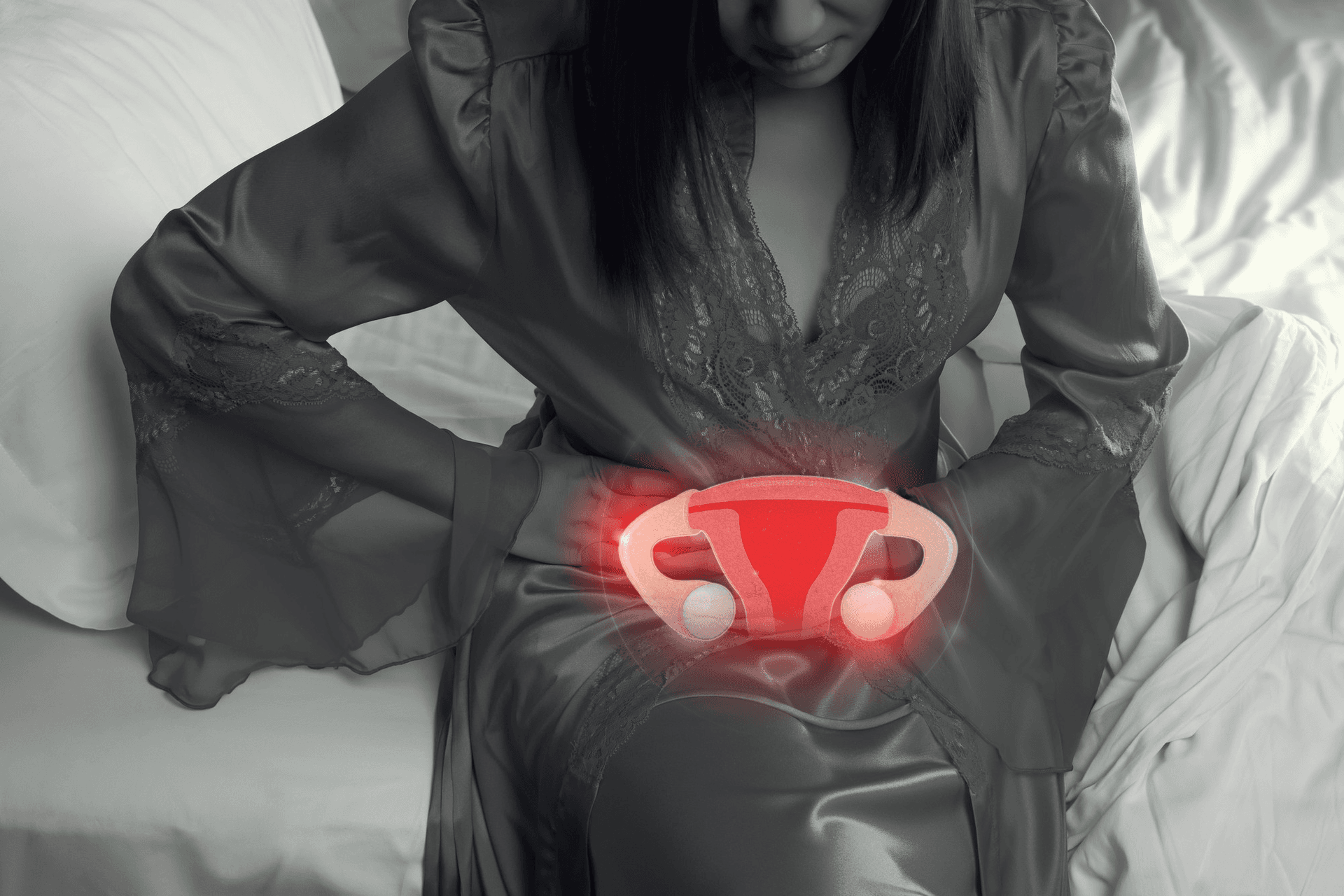
Occasional small clots on heavy days are common; large or frequent clots deserve a check-up.
You head to the bathroom on day two of your period, and there it is: a dark, jelly-like clot in the pad or toilet. Your first thought is probably, "Is this normal?"
Most of the time, yes. Small clots are very common and usually harmless. But sometimes clots point to a heavy flow that needs attention, and many women live with it for years because "periods are supposed to be painful and messy." They are not supposed to leave you anaemic, tired and afraid to leave the house.
I see women in my clinic every week who have waited far too long to ask about this. In this guide, I will explain why clots form, how to tell normal from not normal, what can cause heavy clotting, and which tests and treatments help. If you live in Noida, Greater Noida or nearby and want to speak to a gynaecologist for heavy periods, you will find details at the end.
Why do clots form in period blood?
Menstrual blood is not the same as the blood you see from a cut. It is a mix of blood, tissue from the uterine lining, mucus and fluids. Normally, your uterus releases natural anticoagulants (substances that stop clotting) so that blood leaves smoothly as liquid.
When the flow is heavy or fast, those anticoagulants cannot keep up. Blood pools in the uterus or vagina for a while, begins to thicken and leaves in clumps. Clots tend to appear on the heaviest days, usually days 1 to 3, after lying down for a while (blood collects overnight) or after standing up in the morning.
So a clot does not mean something is wrong by itself. It means that blood spent enough time in the uterus to clump, or that the flow was too heavy for the natural anticoagulants. The question is how big the clots are and how often they appear.
What colour and size are normal?
Colour. Bright red, dark red, brownish or even a deep maroon can all be normal. Old blood turns darker. A dark clot at the start or end of a period is generally just older blood.
Size. As a rough guide, small clots up to about 2.5 cm across (the size of an Indian one-rupee coin) that appear occasionally on heavy days are usually fine.
Frequency. An occasional clot on a heavy day is common. Clots on every day of your period, or many clots at once, deserve a closer look.
When clots are a warning sign
Contact a gynaecologist if you notice any of the following:
- Clots larger than a one-rupee coin (about 2.5 cm), especially if they are frequent
- Needing to change a pad or tampon every hour for two or more hours in a row
- Using double protection (a pad and a cloth, or a pad and a tampon) to avoid leaks
- Getting up at night to change protection
- Periods that last longer than 7 days
- Blood soaking through clothes or bedding
- Feeling weak, breathless, dizzy or having palpitations
- Pale skin, hair fall, brittle nails or extreme tiredness (signs of iron deficiency)
- Pain that stops you from working or studying
- Clots that come with a fever or foul-smelling discharge
Doctors define heavy menstrual bleeding as more than about 80 ml of blood in one cycle. Nobody measures that at home, so the symptoms above are a better guide. If your period interferes with your daily life, it is heavy enough to investigate.
Common causes of clots and heavy periods
There is no single cause. Here are the ones I find most often.
Uterine fibroids
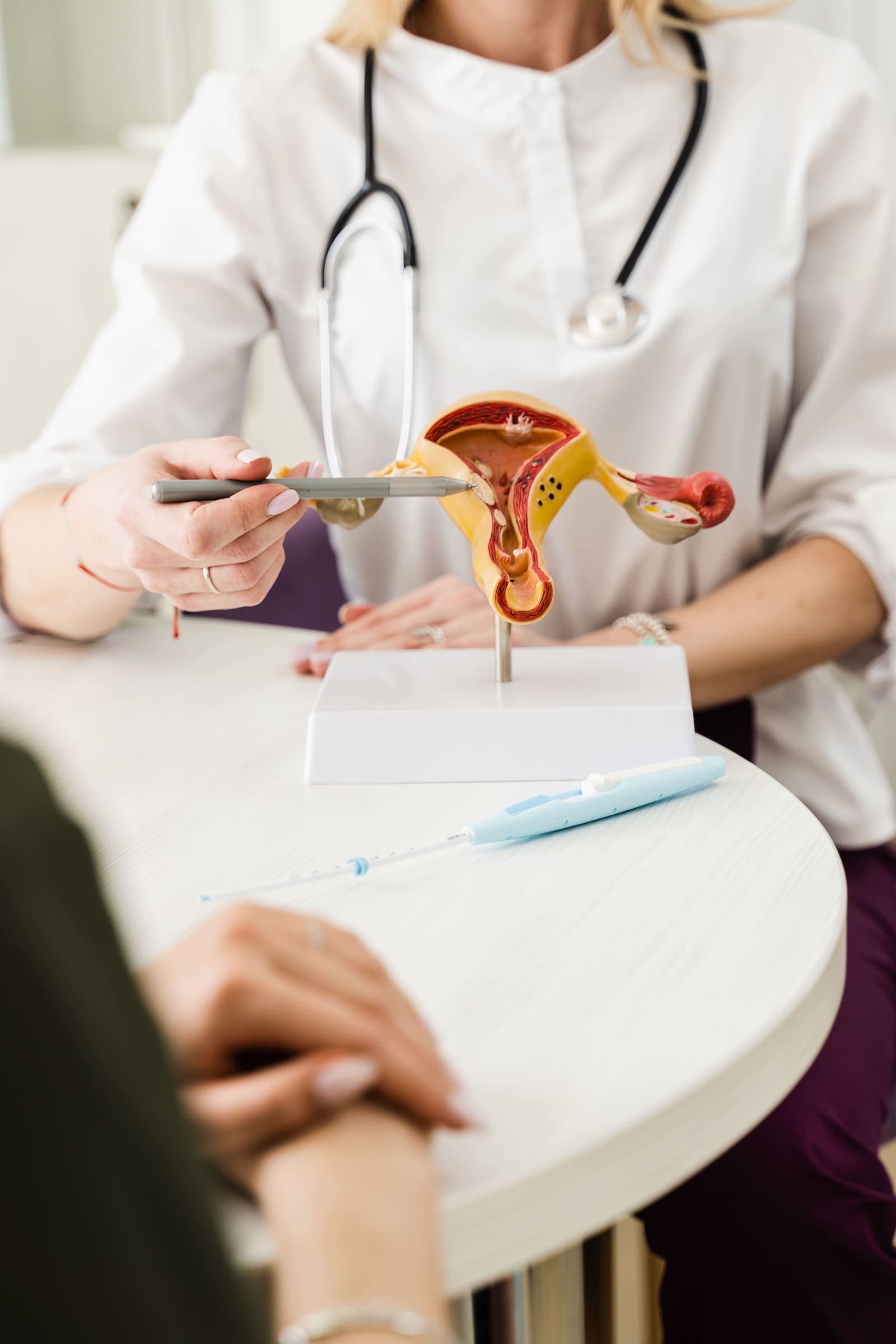
Fibroids are non-cancerous muscle growths in or around the uterus. Those growing into the uterine cavity (submucosal fibroids) are especially likely to cause heavy bleeding with clots. They also cause pressure symptoms, a feeling of fullness or frequent urination.
Adenomyosis
In adenomyosis, the uterine lining grows into the muscle wall. The uterus becomes enlarged and tender, and periods become heavy, painful and clotty. It often shows up in women in their 30s and 40s who have had children.
Endometrial polyps
These are small growths on the lining of the uterus that cause heavy periods, spotting between periods or bleeding after intercourse.
Hormonal imbalance and PCOS
When you do not ovulate regularly, the uterine lining keeps building up without the usual monthly shedding. When it finally sheds, the flow can be very heavy with clots. This happens commonly in PCOS, thyroid disorders and in teenagers and women approaching menopause.
Thyroid problems
An underactive thyroid in particular can lead to heavy, prolonged periods.
Bleeding disorders
Conditions such as von Willebrand disease affect how blood clots. Women who have had heavy periods since the first period, who bruise easily, have frequent nosebleeds or bleed a lot after dental work should be checked. It is more common than many people think and often missed.
Intrauterine devices
A copper IUD can make periods heavier and crampier for the first few months.
Pregnancy-related causes
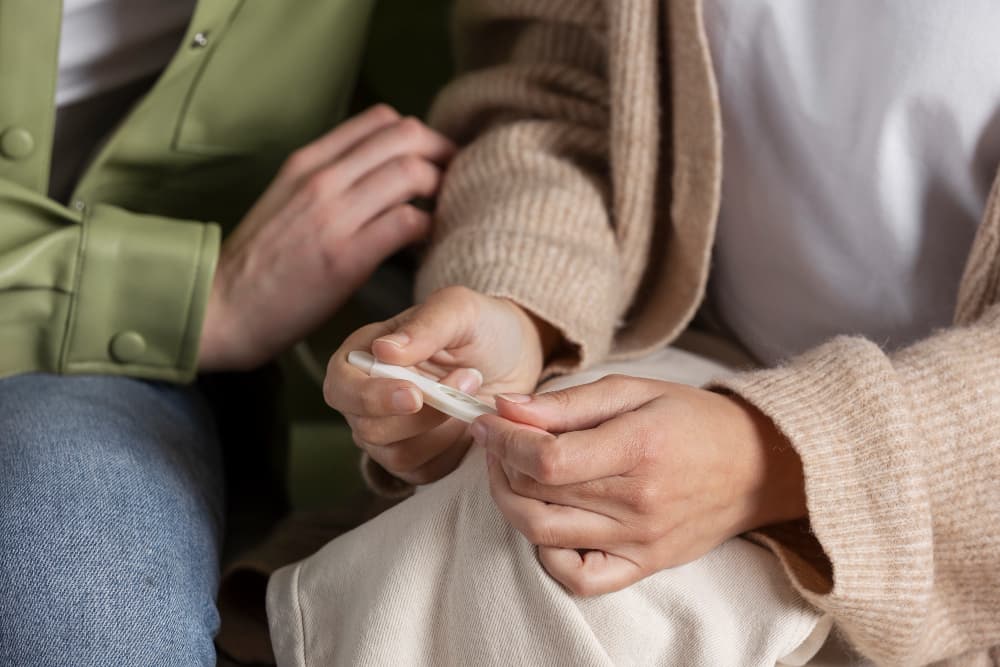
A miscarriage can look like a heavy period with large clots and tissue. If your period is late, heavy, painful and you passed large clots or grey tissue, take a pregnancy test and contact a doctor urgently. An ectopic pregnancy is also a possibility if there is one-sided pain or dizziness.
Cervical or uterine cancers (rare)
These are uncommon, but they are one reason that persistent heavy or irregular bleeding, especially after 40 or after menopause, should always be examined and never ignored.
Medicines
Blood thinners and some supplements raise bleeding. Tell your doctor about everything you take.
What is the difference between a clot and tissue?
Women often ask about grey, stringy or fleshy pieces. Menstrual clots feel soft and jelly-like and usually fall apart if you press them. Pieces of tissue can look greyish or pinkish with a more solid texture. If you could be pregnant, or if you see grey-white tissue with heavy bleeding, call your doctor promptly.
How doctors find the cause
At your appointment, I will ask about your cycle length, how many days you bleed, how many pads you use, clot size, pain, family history and any medicine you take. A tick-box chart or a period tracking app helps enormously. Then comes an examination, and often the following.
- Blood tests: A complete blood count and ferritin show if you are anaemic or iron deficient. A thyroid test (TSH) and, if needed, hormone levels and clotting studies.
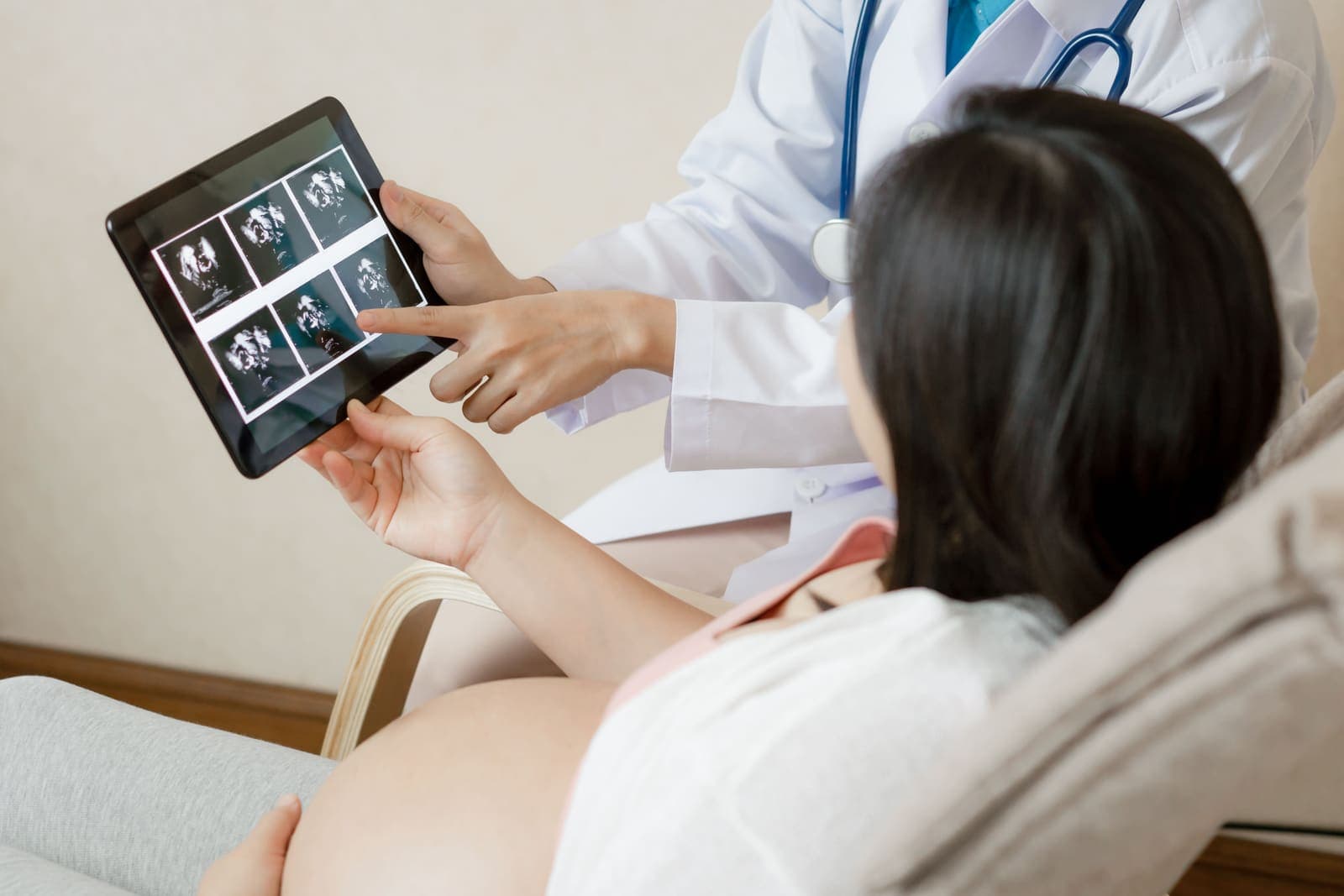
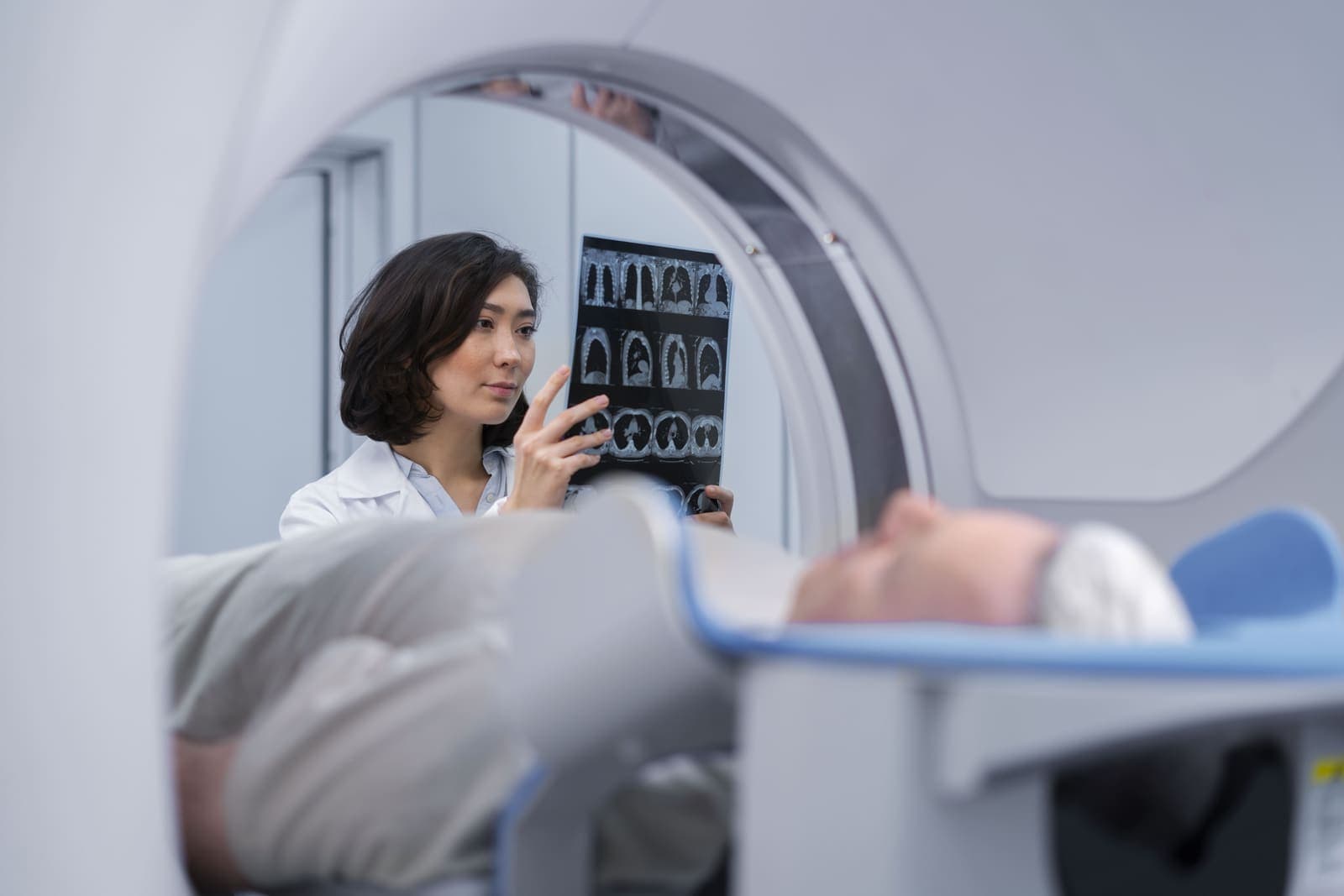
- Pelvic ultrasound: Usually a transvaginal scan if appropriate. It shows fibroids, adenomyosis, polyps, ovarian cysts and endometrial thickness.
- Hysteroscopy: A thin camera is passed through the cervix to look at the inside of the uterus and remove polyps if needed.
- Endometrial biopsy: Recommended for women over 40 or with persistent irregular bleeding, to rule out abnormal cells.
- Pap smear and pregnancy test: As needed.
Treatment: what actually helps
Treatment depends on the cause, your age, whether you want to have a baby soon and how severe your bleeding is.
Treat iron deficiency first. Iron tablets or, when needed, intravenous iron, can restore energy within weeks. Many women feel dramatically better once their haemoglobin recovers.
Non-hormonal medicines. Tranexamic acid, taken only during the heavy days, reduces bleeding by working on clot breakdown. Anti-inflammatory pain relievers such as mefenamic acid or ibuprofen can reduce both flow and cramps. Your doctor will tell you which suits you, because some medicines are not safe in every condition.
Hormonal options. These include combined pills, progesterone tablets and the levonorgestrel intrauterine system (Mirena), which can reduce flow dramatically for years. Hormonal treatment works well for PCOS-related bleeding too.
Treat the underlying problem. Polyps are removed with hysteroscopy. Fibroids may be treated with medicines or removed by laparoscopic or hysteroscopic surgery depending on size and location. Adenomyosis has its own medical and surgical options.
Endometrial ablation or hysterectomy. Reserved for women who have completed their family and not responded to other treatment. A laparoscopic hysterectomy has a faster recovery than open surgery.
Self-care that supports your treatment
While you work out the cause with your doctor, a few things can help.
- Eat iron-rich foods: green leafy vegetables, dal, rajma, chana, jaggery, dates, eggs, and meat or fish if you eat them. Combine them with a source of vitamin C like lemon or amla to improve absorption.
- Track your cycle for two or three months and note the days, number of pads, clot size and pain.
- Stay hydrated and rest on the heavy days.
- Avoid skipping meals, which can worsen fatigue.
- Do not self-medicate with hormonal pills or period-delaying tablets bought over the counter. They can make irregular bleeding worse.
Questions I hear often
Are clots a sign of cancer? Rarely. Most clots are from benign causes. But persistent heavy or irregular bleeding after 40 should always be investigated.
Do clots mean I cannot get pregnant? Not at all. Many conditions behind clotting, such as small fibroids or PCOS, are manageable and do not stop you from conceiving. Some, such as large cavity-distorting fibroids, can affect fertility and are worth treating.
Can stress cause clots? Stress can disrupt ovulation and make periods irregular or heavier. It is rarely the only cause.
Why did I start having clots suddenly? A change from your usual pattern is a good reason to get examined. Causes include a new fibroid or polyp, a hormonal shift, a new IUD, thyroid changes or pregnancy loss.
Are clots after delivery normal? Passing some clots in the first couple of weeks after delivery is common. If you soak a pad in an hour, pass clots bigger than a lemon or feel faint, seek urgent care.
When to book an appointment
If any of the warning signs above sound familiar, please do not wait for it to get worse. Heavy periods are among the most treatable problems in gynaecology, and the earlier we start the faster your energy comes back.
I see women from Noida, Greater Noida, Ghaziabad and East Delhi at Prakash Hospital, Sector 33. To book a consultation, call +91 97023 46853.
Related reading
- Heavy periods: causes and treatment
- Fibroids versus adenomyosis
- PCOS vs PCOD: what is the difference?
- Intermenstrual bleeding and spotting
- Anaemia in women: signs and diet
This article is for general information. It does not replace an examination by a doctor.