Having Laparoscopy: What to Expect Before, During, and After

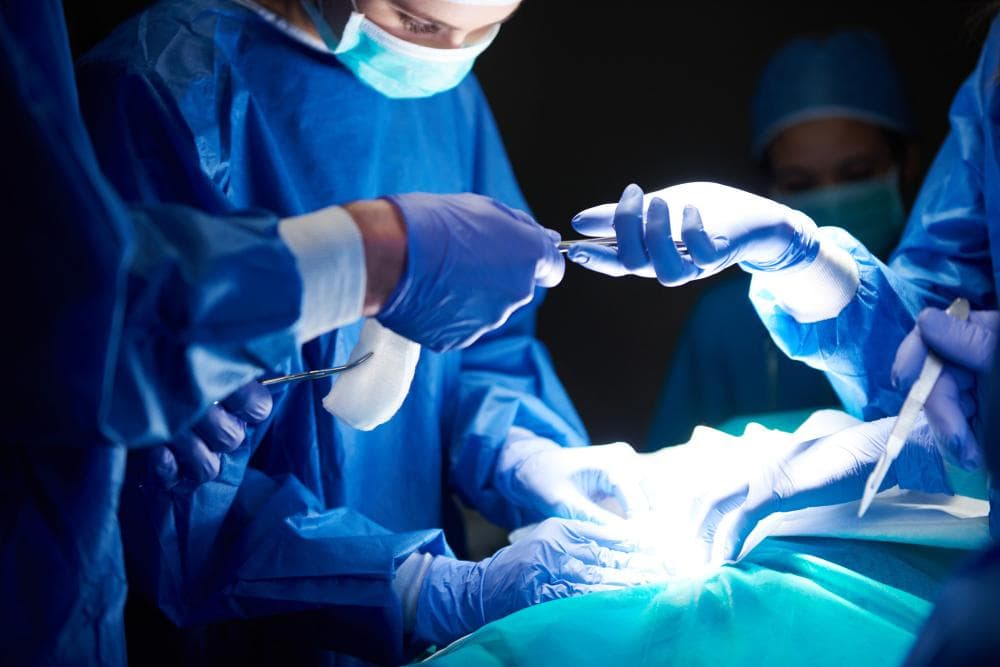
Surgeons use slim tools and a camera to perform surgery.
Laparoscopy is one of the most commonly performed gynaecological operations — but also one of the most anxiety-provoking for women who have never had surgery before. The word "surgery" triggers fear. "Keyhole surgery" sounds less scary but raises its own questions. What actually happens? Will I be awake? Will it hurt? When can I go home?
The answers are straightforward. Knowing them ahead of time makes the entire experience much less frightening.
Dr. Shachi Singh, laparoscopic gynaecological surgeon at Prakash Hospital, Sector 33, Noida, explains.
What Is Gynaecological Laparoscopy
Laparoscopy is surgery performed through small incisions in the abdomen — typically three to four incisions of less than 1 cm each. A thin telescope with a camera (the laparoscope) is inserted through one incision, allowing the surgeon to view the pelvic organs on a monitor. Surgical instruments are inserted through the other incisions to perform the procedure.
The abdomen is inflated with carbon dioxide gas (CO2) to create space for the camera to see and instruments to move.
Advantages over open surgery: No large incision, less pain, faster recovery, shorter hospital stay, smaller scars, lower infection risk.
Before the Procedure
Fasting: You will be asked to fast (nothing to eat or drink) for 6 to 8 hours before your procedure. This is essential for safe general anaesthesia. Specific instructions will be given — follow them exactly.
Medications: Your surgeon and anaesthetist will advise which of your regular medications to take on the morning of surgery with a small sip of water, and which to stop beforehand.
Bowel preparation: Not routinely required for most gynaecological laparoscopies. Your surgeon will advise if specific preparation is needed.
Shaving: Not necessary. Any clipping of hair at the incision sites is done in the operating theatre if needed.
What to bring: Loose comfortable clothes for wearing home. Leave jewellery at home. Remove nail polish (anaesthetists use the fingernails to monitor oxygen levels).
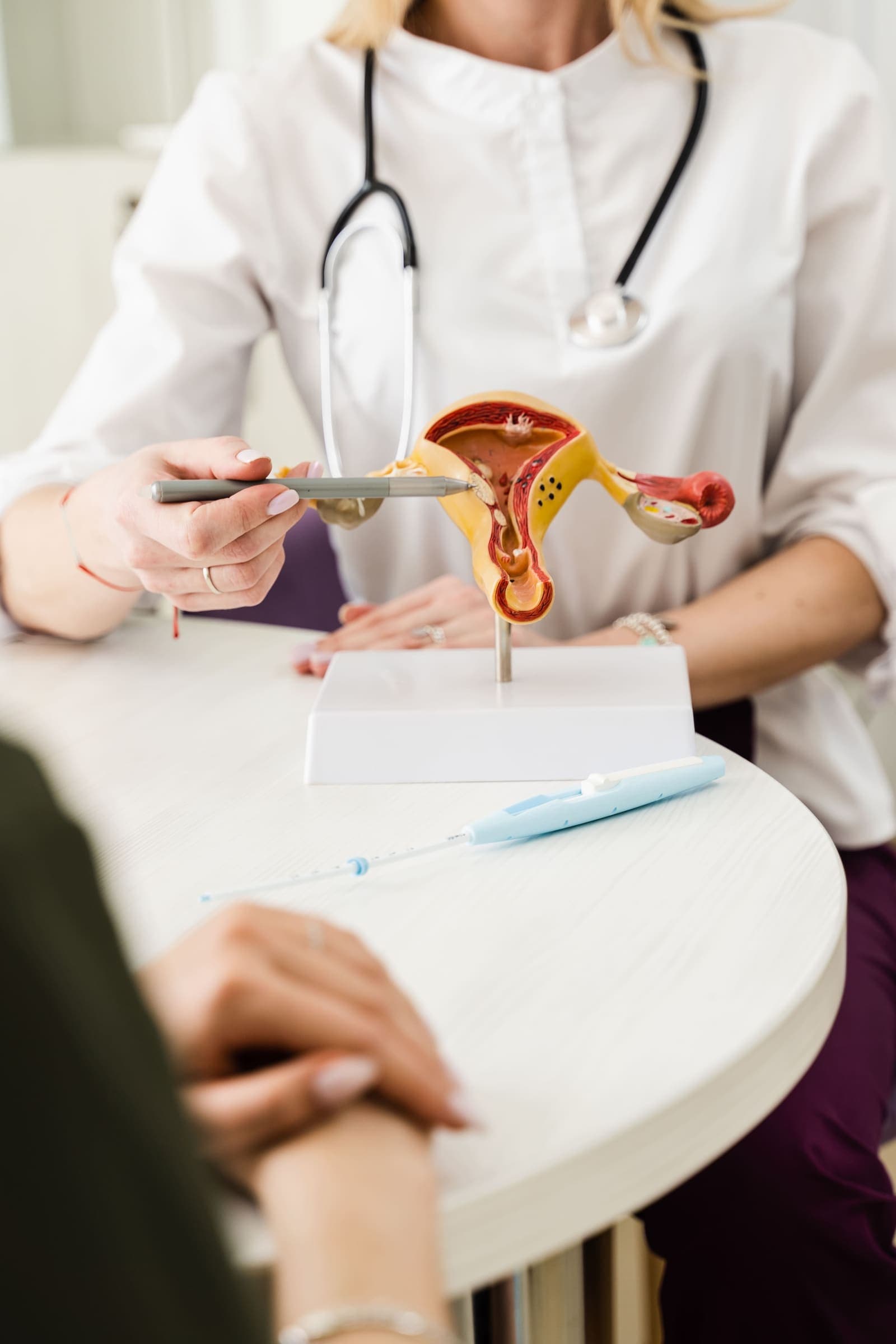
Signing consent: You will have a consent discussion with your surgeon before the procedure — this is the time to ask any remaining questions.
The Day of Surgery: What Happens
Admission: You arrive at the hospital at the time specified — typically 1 to 2 hours before the scheduled procedure time.
Pre-op nursing assessment: Blood pressure, pulse, blood tests if not already done, any routine observations.
Anaesthetic assessment: A brief meeting with the anaesthetist to review your health, allergies, and medications.
Changing: You change into a hospital gown. A cannula (small IV line) is inserted into your hand or arm for medications.
Theatre: You are taken to the operating theatre — either walking or on a trolley. The theatre is cool and busy-seeming. You will be asked to confirm your name and procedure again (standard protocol).
Anaesthesia: General anaesthesia for laparoscopy — you will be completely asleep. An injection through the IV cannula puts you to sleep quickly and comfortably. You will not be aware of anything during the operation.
The procedure: Depending on what is being done (diagnostic laparoscopy, cystectomy, myomectomy, TLH, etc.), the procedure takes 30 minutes to 2 to 3 hours. You are completely unaware during this time.
Waking up: You wake up in the recovery room, feeling groggy and occasionally nauseated (from the anaesthetic). The nurses monitor you closely. Pain relief is given as needed.
After the Procedure: What to Expect
Pain: Most women describe port site pain (at the incision points) rather than internal pain. Pain is typically mild to moderate — well managed with paracetamol and ibuprofen. The shoulder-tip pain from residual CO2 gas under the diaphragm is common and usually resolves within 24 to 48 hours. It feels like a cramp under the shoulder blades or at the shoulder — disconcerting but harmless.
Bloating: CO2 gas in the abdomen causes bloating and a feeling of distension for 1 to 2 days. Walking — even gently around the ward or home — helps the gas disperse.
Vaginal bleeding: After procedures involving the uterus (TLH, diagnostic laparoscopy with chromopertubation, hysteroscopy), light vaginal bleeding or discharge for a few days is expected.
Nausea: Common for the first few hours — from the anaesthetic. Usually resolves by the evening of surgery.
Going home: Most diagnostic and simple operative laparoscopies are day surgery or overnight stay. More complex procedures (TLH, extensive endometriosis excision) typically require 1 to 2 nights.
Driving: Do not drive for 24 to 48 hours after general anaesthesia — your reaction time is impaired. Arrange transport for the day of surgery.
Recovery at Home
First 24 to 48 hours: Rest. Light activity only. Accept help with cooking and household tasks.
Days 3 to 7: Gradual increase in activity. Short gentle walks. Most women feel significantly better by day 4 to 5 after a diagnostic or simple operative laparoscopy.
Return to desk work: 5 to 7 days for most laparoscopies. 10 to 14 days after TLH or more complex procedures.
Return to physical work / heavy lifting: 2 to 4 weeks depending on the procedure.
Return to intercourse: Usually after 2 to 4 weeks — your surgeon will advise specifically.
When to Contact Your Doctor After Laparoscopy
- Fever above 38°C
- Worsening rather than improving pain after 48 hours
- Redness, swelling, or discharge from any incision site
- Heavy vaginal bleeding (more than a normal period)
- Difficulty passing urine
Laparoscopic Surgery in Noida and Greater Noida
Dr. Shachi Singh at Prakash Hospital, Sector 33, Noida, performs gynaecological laparoscopy — diagnostic and operative — for women across Noida and Greater Noida.
To book a surgical consultation, call: +91 97023 46853
Clinic Hours: Monday to Saturday, 9 AM – 6 PM | Sunday, 10 AM – 2 PM
Address: D-12A, 12B, Sector-33, G.B. Nagar, Noida, UP 201301
This blog is for educational purposes only. Specific advice for your procedure will be provided by Dr. Shachi Singh at your consultation.