Yoga And Meditation: Their Role In Prenatal Health And Well-Being

Pregnant woman in yoga poses, meditation posture, in the lotus position, on and inside on the mat for comfort, balance, and a good state of mind.
Pregnancy is an incredible time that transforms a woman both physically, emotionally, and psychologically. Integrating yoga and meditation into a woman's prenatal care is a wonderfully beneficial practice that will promote not only a sense of emotional and psychological wellness but also physical health.
Yoga postures increase the flexibility in the body and maintain good posture, reducing physical pain often associated with pregnancy, such as back pain and fatigue. Meditation enhances a woman's emotional stability and stress, and aids in bonding with the developing baby.
Combined, these two practices form an encompassing prenatal program that will strengthen and relax a woman's body and mind: ultimately enhancing the experience of both the remainder of the pregnancy and the process of childbirth.
What Is Prenatal Yoga?
Prenatal yoga is a yoga class specifically formulated to suit the changing needs of pregnant women, both physical and emotional. The classes include modified stretches, breathing techniques, and relaxation exercises suitable for mother and baby.
The more strenuous, dynamic, and intensive yoga postures typically found in traditional yoga classes are substituted for movements that are considered safe, stable, and comfortable in prenatal yoga. This style of yoga will enhance flexibility and strengthen the muscles required during labor.
It can help alleviate the normal aches, pains, and discomforts associated with pregnancy, like fatigue and swollen extremities, and can also help with lower back pain. The breathing exercises included in prenatal yoga can help women prepare for childbirth through the promotion of better oxygen distribution. The relaxed state encouraged through prenatal yoga also promotes a sense of mental calm and reduces anxiety. This kind of activity between mother and child creates a powerful bond during pregnancy.
Best Yoga Poses For Prenatal Health
Yoga can also provide support to the body and mind during pregnancy if practiced correctly and safely. Here are 6 beneficial poses to practice:
1. Cat-Cow Pose (Marjariasana-Bitilasana)
A mild flow pose that increases the spinal mobility and reduces any discomfort experienced as your body adjusts and the belly grows. Also works on posture.
2. Butterfly Pose (Baddha Konasana)
Helps open the hips and improves circulation while readying the body for delivery by enhancing hip mobility.
3. Child's Pose (Balasana)
Provides great relaxation, decreases stress, and alleviates pain in the back and hip regions. This pose is good when experiencing fatigue.
4. Mountain Pose (Tadasana)
The posture works on your spine and legs while strengthening them. It also greatly enhances your body balance, which is quite important with your body's shifting center of gravity.
5. Warrior II (Virabhadrasana II)
Strengthens both the legs and the arms. It builds your stamina and works on balancing and promoting an overall confidence during pregnancy.
6. Legs Up The Wall Pose (Viparita Karani)
Helps ease swollen legs and feet while benefiting circulation and calming your nervous system.
By practicing these yoga poses carefully and attentively, one can enhance flexibility, relieve pain, and foster emotional balance. Before practicing any prenatal yoga, always seek the opinion of your healthcare provider.
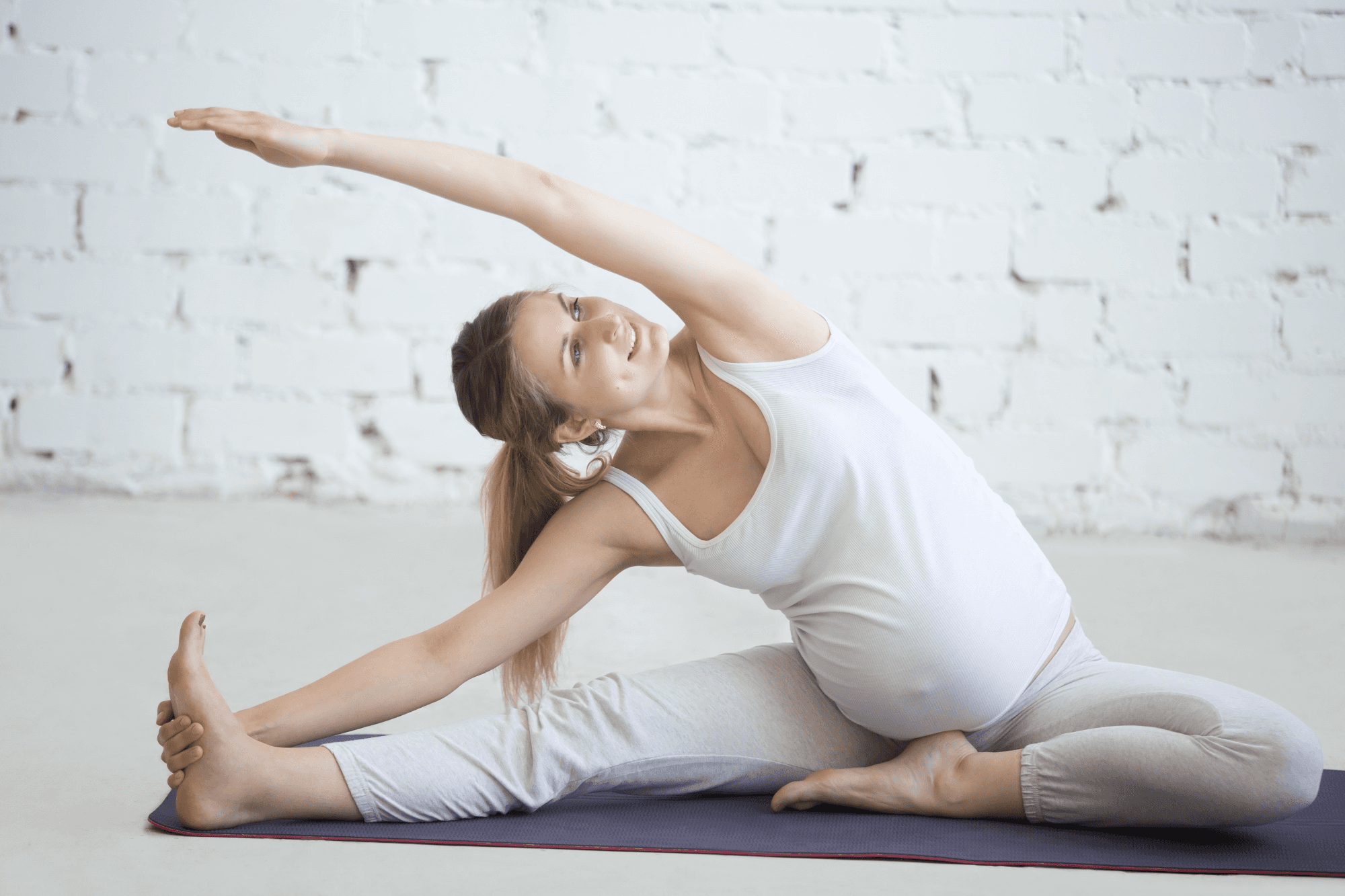
Pregnant woman in a stretch yoga posture while seated, designed for stretching her body for more comfort and flexibility, and for stability within the body while she remains stable and secure indoors,s while in the pregnant phase.
Advantages Of Meditation For Pregnant Women
Meditation is extremely beneficial for expectant mothers to maintain mental and physical health during pregnancy. Consistent meditation reduces stress levels and hence lowers the cortisol in the body, which can be detrimental to the fetus.
Meditation can regulate emotions so that pregnant women are more emotionally balanced and are not disturbed by anxiety, mood swings, and emotional fluctuations, which are inevitable during pregnancy. Meditation also helps to improve sleep patterns, which are often adversely affected due to hormonal changes.
Meditation helps women to become more attuned to their breath, which can be a tool used during labour and delivery to combat pain. The positive changes that it brings about are better control of blood pressure and, hence, improved cardiovascular function, which helps develop a stronger mother-child bond.
Best Breathworks Techniques For Pregnancy
1. The Deep Belly Breath
This is where you take long, deep inhalations through your nose, allowing your belly to swell out like a balloon, and then release them gently through your mouth. Deep belly breathing provides increased oxygen to you and the baby, and it aids in relaxation, releasing the stress held in your muscles.
2. Alternate Nostril Breathing (Nadi Shodhana)
This exercise involves alternate breathing in and out of each nostril. It will help soothe the nervous system and clear your mind, alleviating anxiety during pregnancy.
3. The Ocean Breath (Ujjayi Breathing)
This breath is drawn slowly and silently in and out of the nose, creating a light constriction in the back of your throat that produces an oceanic-sounding whisper. This breath can improve concentration and also regulate your respiratory rhythm to control pain.
Practicing this regularly can:
- Provide optimal oxygen levels to you and your baby
- Lower the level of stress hormones in your body
- Creates better emotional regulation and prepares you for labor.
Consistent use of breathwork throughout your pregnancy can boost oxygen uptake, decrease the production of stress hormones, improve emotional stability,y and create the ability to breathe well during childbirth.
How To Create A Safe And Customised Prenatal Yoga Routine
1. Start Gently
Begin with basic and soft poses if you are a beginner. It will make your body adapt progressively to the physical effort of yoga.
2. Be Consistent
The effects of yoga are boosted by consistency. Pick an easy-to-follow plan and make it a consistent part of your day and your pregnancy journey.
3. Be Responsive To Changes
Your body will transform during pregnancy. Each phase of gestation is different,t and the poses or exercises may need to be adapted according to your level of flexibility, balance, and comfort at the time.
4. Listen To Your Body
Your comfort is paramount when you're expecting. Abort from any exercise that does not feel appropriate for your body; adapt the moves and poses according to what you feel comfortable with.
5. Establish A Relaxing Schedule
Breathing exercises and relaxation can be part of the plan, making your workouts supportive, safe, and advantageous for you.
Final Thoughts
Yoga and meditation offer immense benefits in nurturing a healthy and balanced pregnancy. By improving physical health and addressing emotional well-being, these practices provide a unique set of advantages for mothers-to-be. Increasing flexibility, boosting posture, and encouraging stress reduction are just some of the physical benefits that both forms of exercise can contribute to an expectant woman's overall wellness.
As they promote greater relaxation and comfort, yoga and meditation can assist in preparing a woman for labor and delivery by alleviating aches and pains, while also strengthening her mind-body connection. Consistency in practices, customized and safely executed, will yield maximum positive outcomes for both mother and baby.
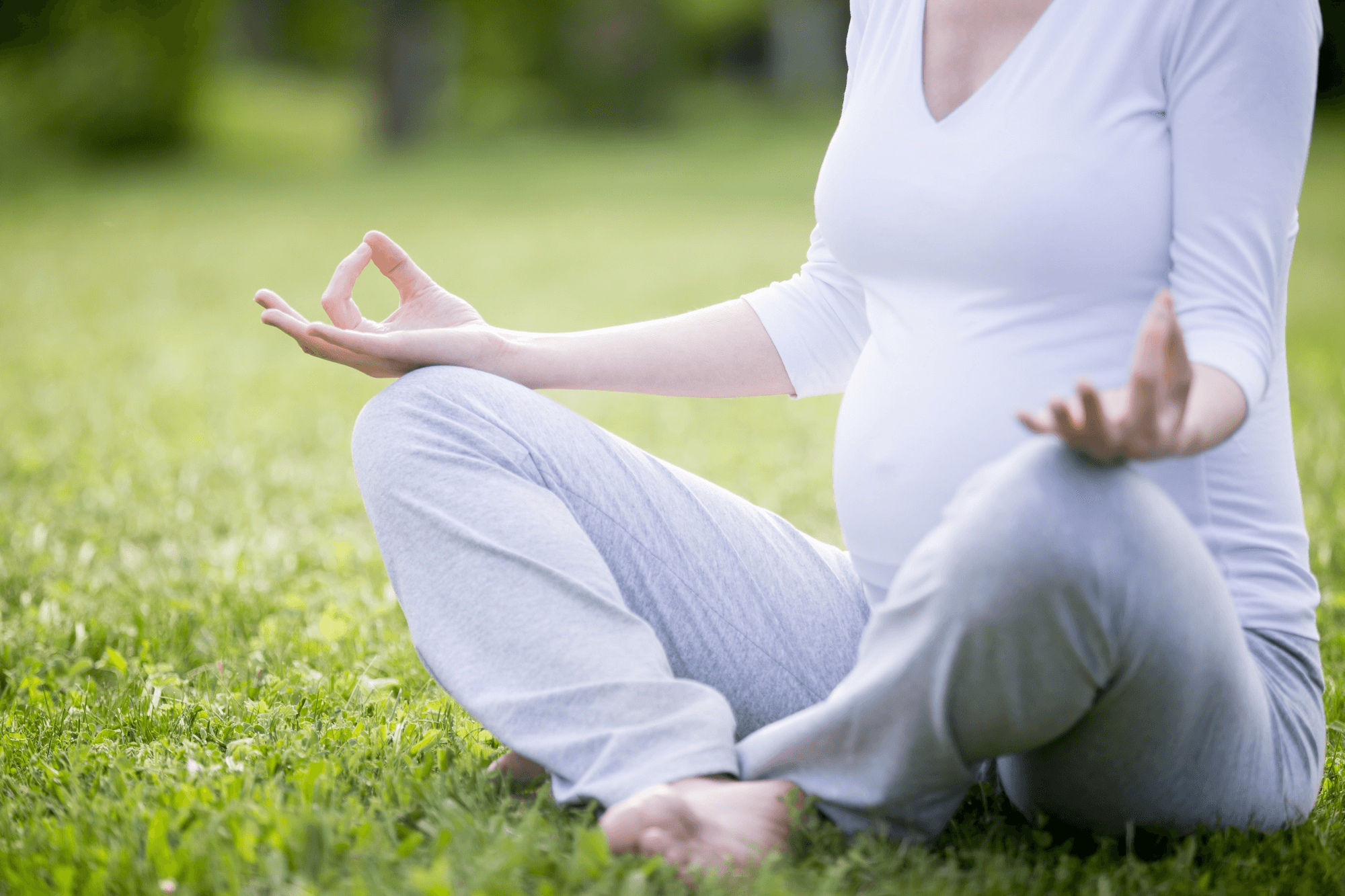
Pregnant woman doing a yoga posture of meditation outdoors within a nature-filled landscape with green scenery in the background, in a state of prayer and a sense of balance, serenity, and peace of mind.
Expert Care With Dr. Shachi Singh
It's vital to prioritize your health during pregnancy, for both your sake and that of your baby, and having the right guidance can be an absolute game-changer. You will find just what you need from Dr. Shachi Singh. The senior consultant gynecologist, who practices in Noida, has 15+ years of experience and ensures the best level of care for you through every step of your pregnancy. From taking care of your prenatal wellness to ensuring a safe delivery. She guides you on every aspect by blending expertise and empathy for you.
Being a well-renowned practitioner across Noida and Delhi NCR, patients find comfort under her expert guidance, receiving information on aspects like yoga, lifestyle, and maternal care. Consult her today for a more composed, calmer, and confident pregnancy.
Frequently Asked Questions(FAQs)
1. Which yoga poses should a pregnant woman avoid?
The following poses can cause reduced blood flow: deep twists, backbends, inversions, hot yoga, and lying flat on your back after the first trimester.
2. Is it okay to do plank poses while pregnant?
Plank poses are generally okay to practice during the first trimester, if executed correctly; they should be modified or avoided after.
3. Does yoga ease labor pain?
Certain yoga positions might relieve labor pains. The flexibility, breath control, and relaxation benefits from prenatal yoga could lead to relief during labor pains, better endurance, and the delivery process if practiced in a safe environment with proper guidance.
4. Is meditation okay during pregnancy?
Meditation during pregnancy is considered a safe practice and can be beneficial. It may help to reduce stress and anxiety, sleep better, and regulate emotions during pregnancy.