Laparoscopic Ovarian Drilling for PCOS: What It Is, Who Needs It, and What to Expect
Patient consults gynecologist about post-laparoscopic surgery recovery, diet, and healing process in the office
Most women with PCOS who are trying to conceive have heard of letrozole and clomiphene. Many have heard of IUI and IVF. Far fewer have heard of laparoscopic ovarian drilling — and yet for a specific group of women, it is one of the most effective and underutilised interventions in the fertility treatment pathway.
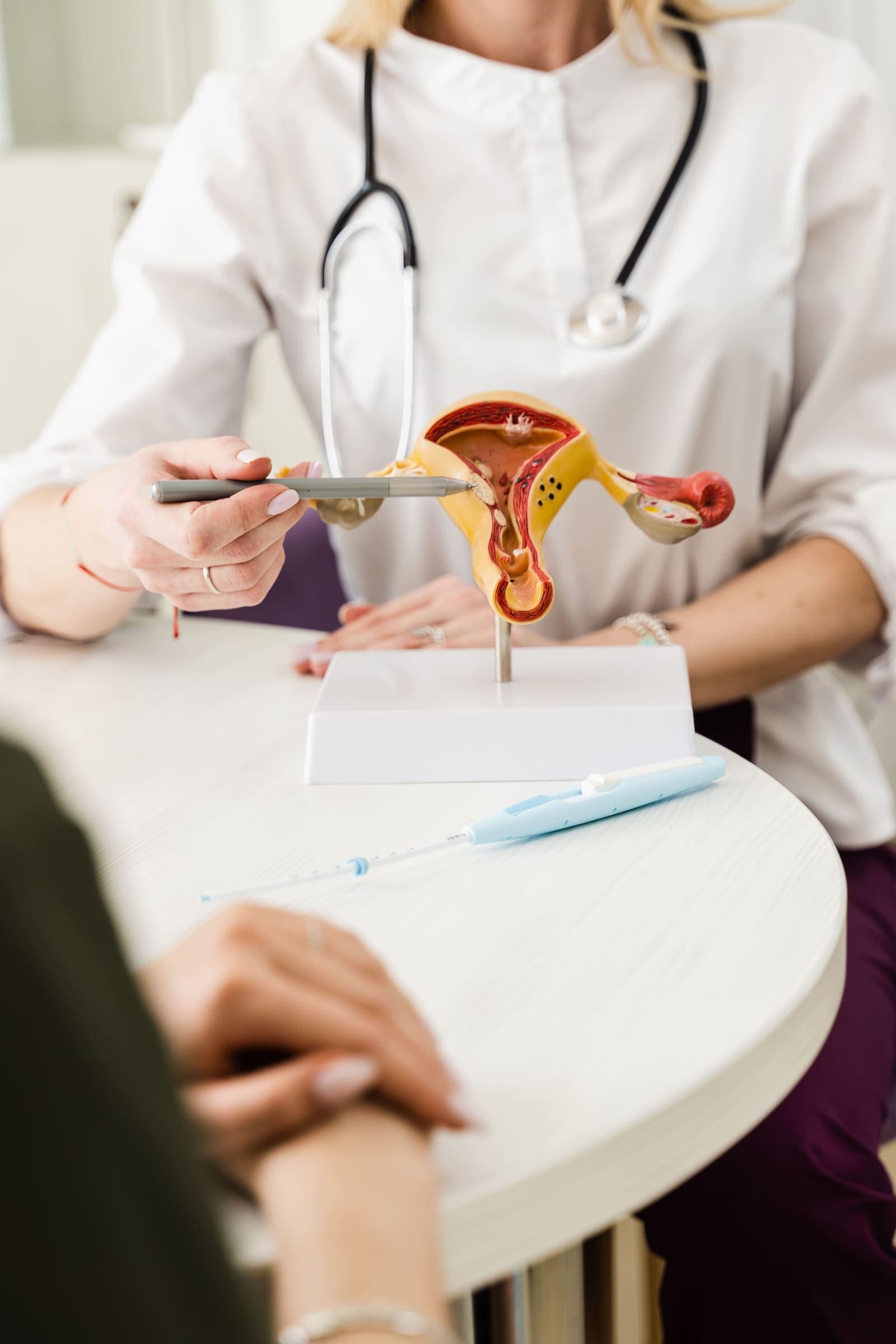
Laparoscopic ovarian drilling (LOD) is a surgical procedure specifically designed for women with PCOS who do not respond to oral ovulation induction medication. It uses a laparoscope and an electrical or laser instrument to make small punctures in the ovarian surface — reducing androgen-producing tissue in the ovary and often restoring spontaneous ovulation for an extended period.
It is not the first step in PCOS fertility treatment. It is not appropriate for everyone. But for the right candidate, it can restore years of natural ovulation cycles without the ongoing cost, physical demands, or multiple-pregnancy risk of medicated fertility treatment.
Dr. Shachi Singh, consultant gynaecologist and laparoscopic surgeon at Prakash Hospital, Sector 33, Noida, explains exactly who benefits from LOD, how the procedure works, what success rates look like, and what recovery involves.
Understanding Why PCOS Disrupts Ovulation
In PCOS, the ovaries produce excess androgens (testosterone and related hormones). This androgen excess disrupts the hormonal cascade that drives follicle maturation and ovulation. The pituitary produces too much LH (luteinising hormone) relative to FSH (follicle-stimulating hormone), and this abnormal ratio prevents the normal ovulatory signal from completing.
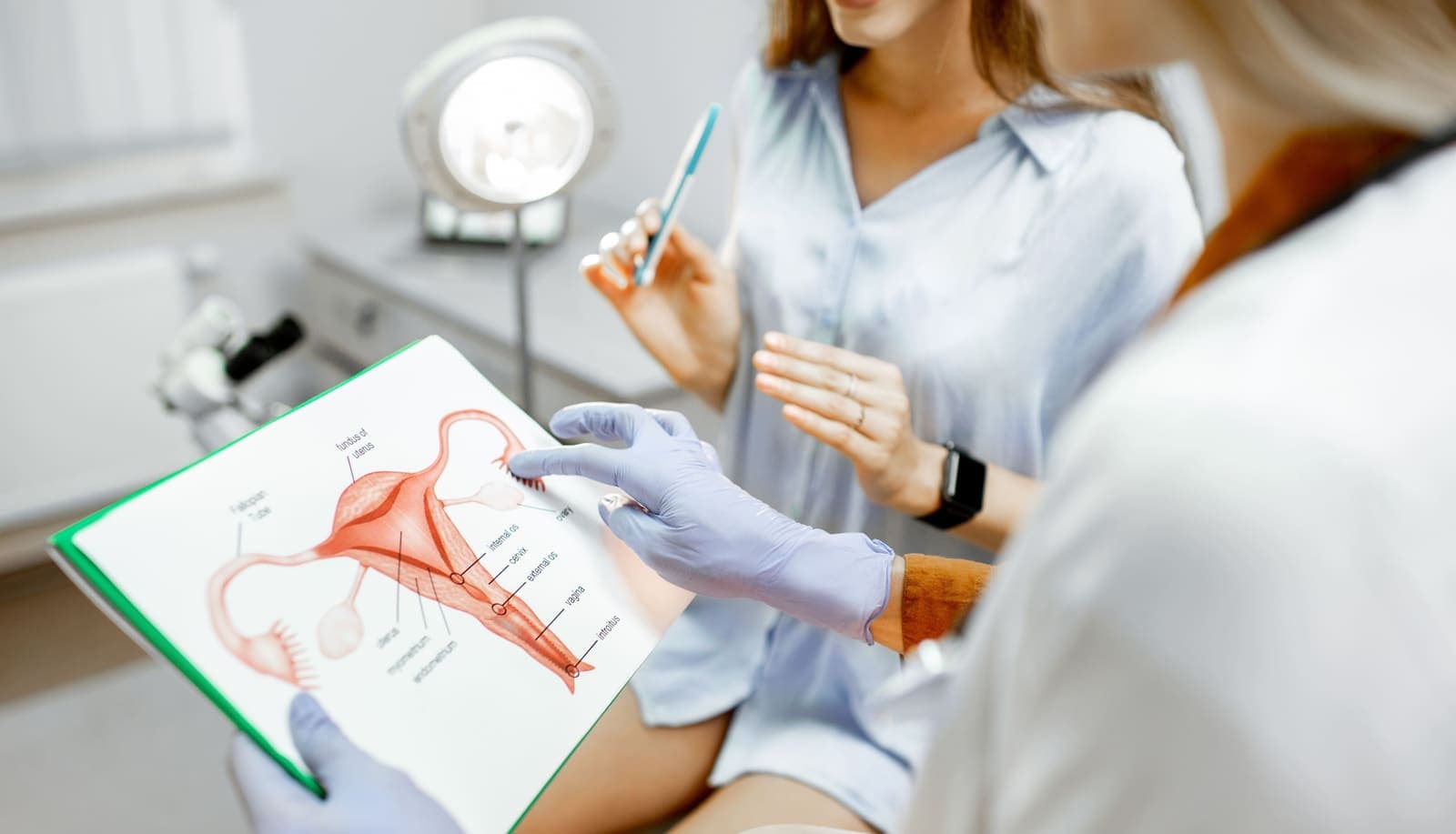
The ovaries in PCOS typically contain many small follicles — the "cysts" that give the condition its name — representing eggs that started developing but never ovulated. The ovarian cortex (outer layer) is often thickened, and the high androgen environment maintains the disrupted hormonal cycle.
Oral ovulation induction medications — letrozole, clomiphene — work by stimulating the pituitary to produce more FSH, overriding the disrupted LH/FSH ratio. This works in most women with PCOS. But in some women, the ovaries do not respond — possibly because the androgen environment within the ovary itself is too dominant, or because the LH levels are so elevated that oral medications cannot overcome them. These are the women for whom LOD is most relevant.
What Laparoscopic Ovarian Drilling Actually Does
LOD is performed through standard laparoscopic access — small abdominal incisions, a camera, insufflation with CO2 gas. Once the ovaries are visualised, a fine electrosurgical needle or laser probe is used to make multiple small punctures in the outer surface (cortex) of each ovary. Typically 4 to 10 punctures per ovary are made, each penetrating to a depth of a few millimetres.
The mechanism by which this restores ovulation is not fully understood, but the leading explanation involves:lap
Reduction of androgen-producing tissue: Each puncture destroys a small amount of theca cells — the cells in the ovary that produce androgens. Destroying some of this tissue reduces the overall androgen production of the ovary, lowering testosterone and related hormone levels.
Correction of the LH/FSH imbalance: The resulting reduction in androgens and the local hormonal changes at the ovarian surface appear to normalise the LH/FSH ratio over subsequent weeks, restoring the hormonal environment needed for ovulation.
Restoration of follicle sensitivity: The reduced androgen environment makes the remaining follicles more responsive to FSH stimulation — either natural or medication-induced.
The effect is not permanent — ovarian androgen production gradually recovers over months to years — but the window of restored ovulation is typically long enough for many women to conceive naturally or with minimal additional support.
Who Is a Candidate for LOD?
LOD is not appropriate for all PCOS women. It is specifically indicated for a defined subgroup:
Women with clomiphene-resistant or letrozole-resistant PCOS: The clearest indication. If 3 to 4 cycles of letrozole or clomiphene at adequate doses have failed to produce ovulation, the ovaries are considered medication-resistant. LOD directly addresses the ovarian androgen excess that underlies this resistance.
Women with markedly elevated LH: A high LH/FSH ratio (LH more than 2 to 3 times FSH) is associated with better response to LOD. This group is the most likely to benefit.
Women who want to avoid injectable gonadotropins or have had poor responses to them: Injectable gonadotropins (FSH injections) are an alternative to LOD for medication-resistant PCOS, but they carry a significant risk of ovarian hyperstimulation syndrome (OHSS) in PCOS — the ovaries are so sensitive that they can over-respond dangerously. LOD avoids this risk entirely.
Women who need diagnostic laparoscopy for another reason: If diagnostic laparoscopy is being performed for pelvic pain assessment, unexplained infertility, or tubal assessment, LOD can be added to the same procedure without significant additional operating time in appropriate candidates.
Women who prefer to avoid or delay IVF: LOD offers a potential pathway to conception that does not involve the financial, physical, and emotional demands of IVF. For women who are not yet ready or willing to pursue IVF, LOD provides an intermediate option.
LOD is NOT appropriate for:
- Women with very low AMH (diminished ovarian reserve) — LOD reduces the ovarian cortex slightly, which can further reduce already limited egg reserves
- Women with PCOS due to causes other than ovarian androgen excess (e.g., hypothalamic PCOS)
- Women whose infertility has a significant additional cause (severe male factor, bilateral tubal blockage) — treating ovulation alone will not address these
- Women with PCOS who are responding normally to oral medication
Success Rates — What the Evidence Shows
The evidence on LOD is substantial and positive for appropriately selected patients:
Ovulation restoration: Approximately 50 to 70% of women with medication-resistant PCOS achieve spontaneous ovulation after LOD. The effect typically begins within 6 to 8 weeks of the procedure and can last for 12 to 24 months or longer in many women.
Pregnancy rates: Cumulative pregnancy rates in the 12 months after LOD are comparable to 6 cycles of gonadotropin injection treatment — approximately 40 to 60% in well-selected candidates — but without the OHSS risk of gonadotropins.
Multiple pregnancy rate: Significantly lower than gonadotropin treatment. Because LOD tends to restore single-follicle ovulation rather than multi-follicle stimulation, the twin rate is close to that of natural conception. This is a meaningful advantage for women who want to avoid twins.
Hormonal normalisation: Most women show improvement in LH levels, testosterone levels, and LH/FSH ratio within weeks of LOD. This hormonal normalisation underlies the restoration of ovulation.
Long-term benefit: Some women who do not conceive naturally after LOD find that their ovaries subsequently respond better to oral medication — making them medication-sensitive after a period of being medication-resistant. LOD may effectively "reset" ovarian sensitivity.
What the Procedure Involves
LOD is performed as part of a laparoscopic procedure under general anaesthesia. It is typically combined with a full diagnostic laparoscopy (examining the fallopian tubes, uterus, and pelvic anatomy at the same time) and chromopertubation (tubal dye test).
Operating time: LOD combined with diagnostic laparoscopy and chromopertubation typically takes 30 to 60 minutes.
Hospital stay: Day procedure or one overnight admission.
The procedure itself: After standard laparoscopic access, the ovary is gently stabilised. A fine needle electrode (or laser) is used to make 4 to 10 punctures in the ovarian cortex, each delivering a brief, measured electrical current at a standardised depth and duration. Both ovaries are treated in most cases. The pelvis is irrigated at the end of the procedure to reduce adhesion risk from the thermal effect.
Adhesion risk: One consideration specific to LOD is the risk of forming adhesions on the ovarian surface after the thermal injury. This is reduced by thorough pelvic washout at the end of the procedure, and the current evidence does not show significant adhesion-related fertility reduction from LOD when performed correctly.
Recovery After LOD
Recovery is similar to any standard diagnostic laparoscopic procedure:
- Day of surgery: Discharge same day or after one night. Mild incision soreness, temporary CO2 shoulder discomfort.
- Days 1 to 3: Light activity at home. Soreness improving.
- Week 1 to 2: Return to desk work, light normal activity.
- Full recovery: 2 to 4 weeks for complete physical recovery.
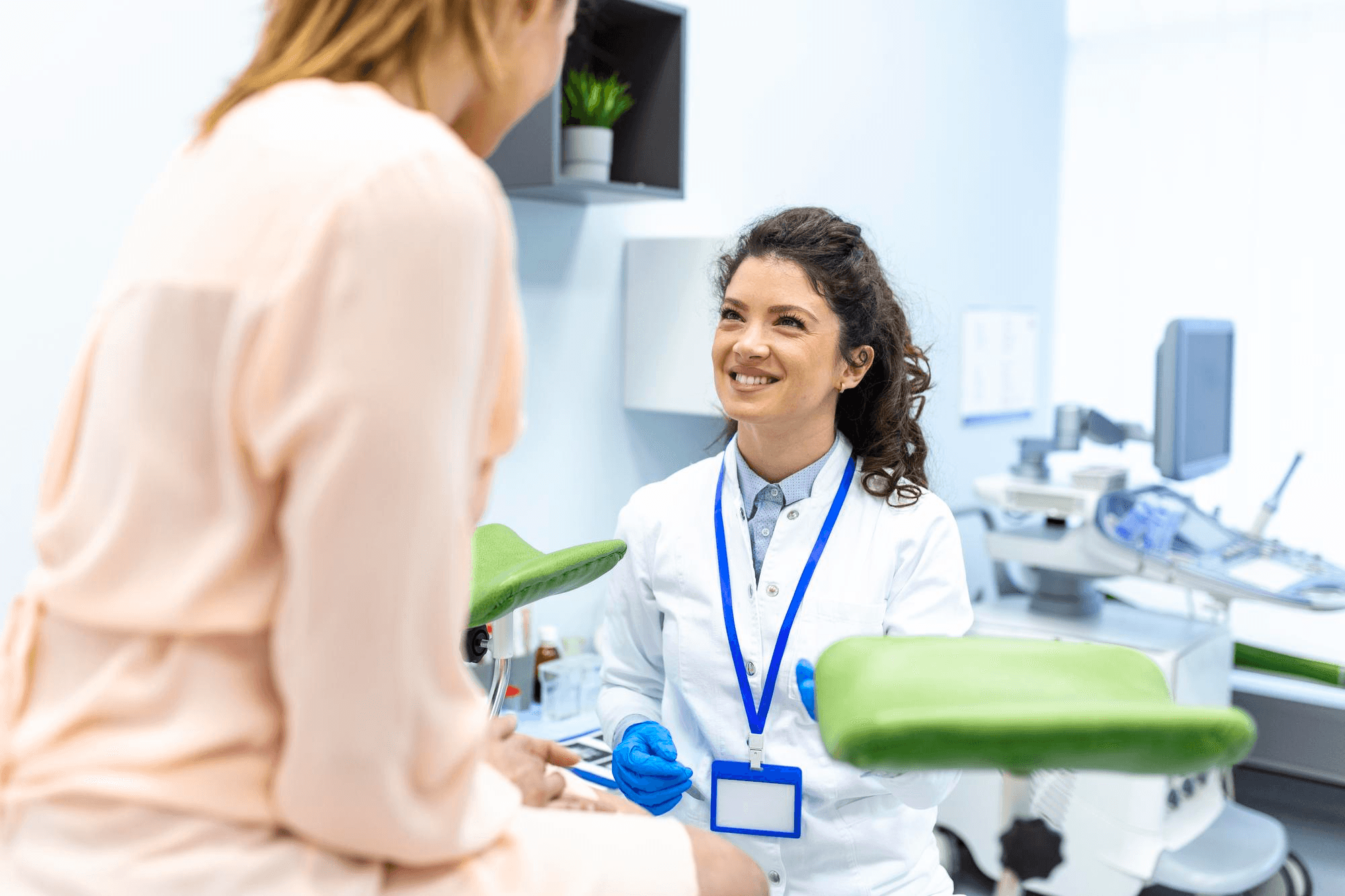
A woman doctor has a private conversation with her female patient inside a clinic as they talk about health related issues.
When will ovulation resume? Typically 4 to 8 weeks after the procedure. Ultrasound monitoring from 4 weeks post-operatively helps confirm whether ovulation is occurring. If spontaneous ovulation has not resumed by 8 to 12 weeks, low-dose oral ovulation induction (letrozole) is often added — and at this point, ovaries that previously were medication-resistant frequently respond well.
LOD vs IVF: How to Think About the Choice
For women with medication-resistant PCOS who are considering their options:
Choose LOD when: You are younger (better ovarian reserve), have good AMH, no other significant infertility factor, and prefer to explore the possibility of natural conception before IVF. LOD offers 12 to 24 months of potential natural conception attempts after a single procedure.
Choose IVF when: LOD has failed, age or AMH makes time critical, there are additional infertility factors (tubal, male), or you prefer the higher per-cycle success rate and defined timeline of IVF.
The two are not mutually exclusive — some women do LOD, conceive naturally, and never need IVF. Others do LOD, fail to conceive, and proceed to IVF with the benefit that their improved ovarian response makes IVF safer (lower OHSS risk) than it would have been before.
PCOS Fertility Care in Noida and Greater Noida
Dr. Shachi Singh at Prakash Hospital, Sector 33, Noida, provides the complete PCOS fertility treatment pathway — from ovulation induction and monitoring through IUI and LOD surgery to coordination of IVF — for women across Noida and Greater Noida.
If you have PCOS, have not responded to letrozole or clomiphene, and want to explore your options before IVF, a surgical fertility consultation is the right next step.
To book a consultation with Dr. Shachi Singh, call: +91 97023 46853
Clinic Hours: Monday to Saturday, 9 AM – 6 PM | Sunday, 10 AM – 2 PM
Clinic Address: D-12A, 12B, Sector-33, G.B. Nagar, Noida, Uttar Pradesh 201301
Frequently Asked Questions
1. Is laparoscopic ovarian drilling the same as ovarian stimulation?
No. Ovarian drilling is a surgical procedure that permanently alters the ovarian surface to reduce androgen production and restore spontaneous ovulation. Ovarian stimulation uses medications to encourage egg development and ovulation in a specific cycle. LOD can make the ovaries more responsive to stimulation medication in subsequent cycles.
2. Will LOD reduce my egg reserve?
LOD does remove a small amount of ovarian cortex, which theoretically could slightly reduce ovarian reserve. This risk is real but clinically small in women who have normal or good ovarian reserve (normal AMH). In women with already low AMH, LOD is generally avoided for this reason. Your AMH should be checked before considering LOD.
3. How long after LOD should I wait before trying to conceive?
No specific waiting period is required — you can start trying as soon as ovulation is confirmed, typically from 4 to 6 weeks post-procedure. Ultrasound monitoring from 4 to 6 weeks helps confirm when ovulation is occurring.
4. What if LOD does not work?
If spontaneous ovulation has not resumed after 8 to 12 weeks, low-dose letrozole is often added. If pregnancy has not occurred after 6 to 12 months of ovulation following LOD, IVF is the appropriate next step.
This blog is written for educational and informational purposes only. Please consult Dr. Shachi Singh or a qualified infertility specialist for an assessment of whether laparoscopic ovarian drilling is appropriate for your specific PCOS situation.