Hysteroscopy vs Laparoscopy: Understanding the Difference
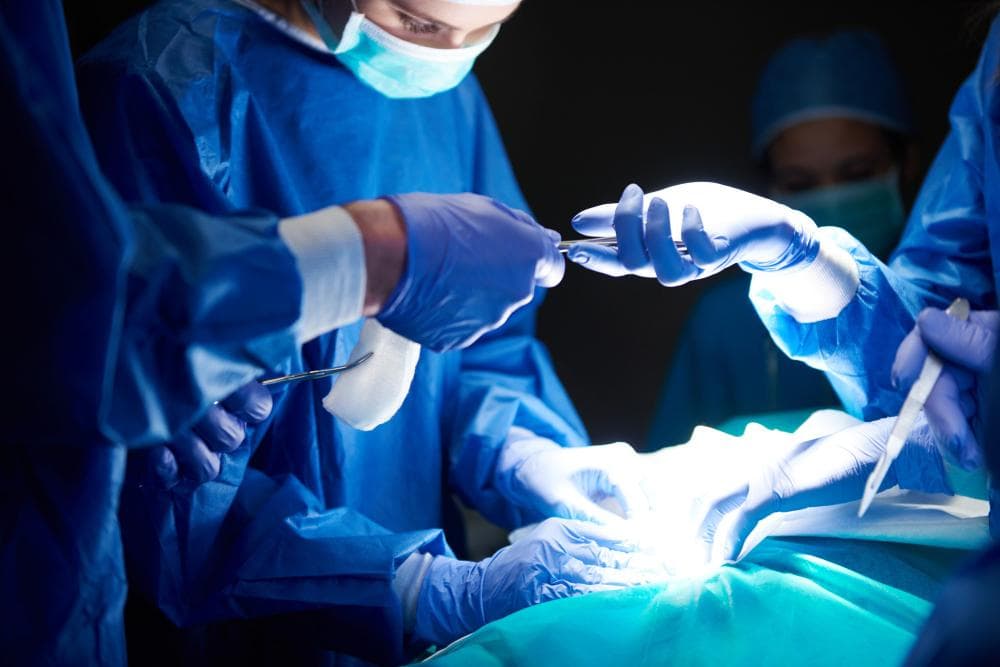
Surgeons conducting a laparoscopic hysterectomy operation on a patient.
Two minimally invasive gynaecological procedures — hysteroscopy and laparoscopy — are frequently mentioned in the same conversation, sometimes confused with each other, and occasionally recommended together. Many women are unsure what distinguishes them, which one they are having, and why one was chosen over the other.
The distinction is fundamental: they look at completely different spaces within the female reproductive anatomy.
Dr. Shachi Singh, consultant gynaecological surgeon at Prakash Hospital, Sector 33, Noida, explains both procedures clearly.
The Core Difference: Where Each Procedure Looks
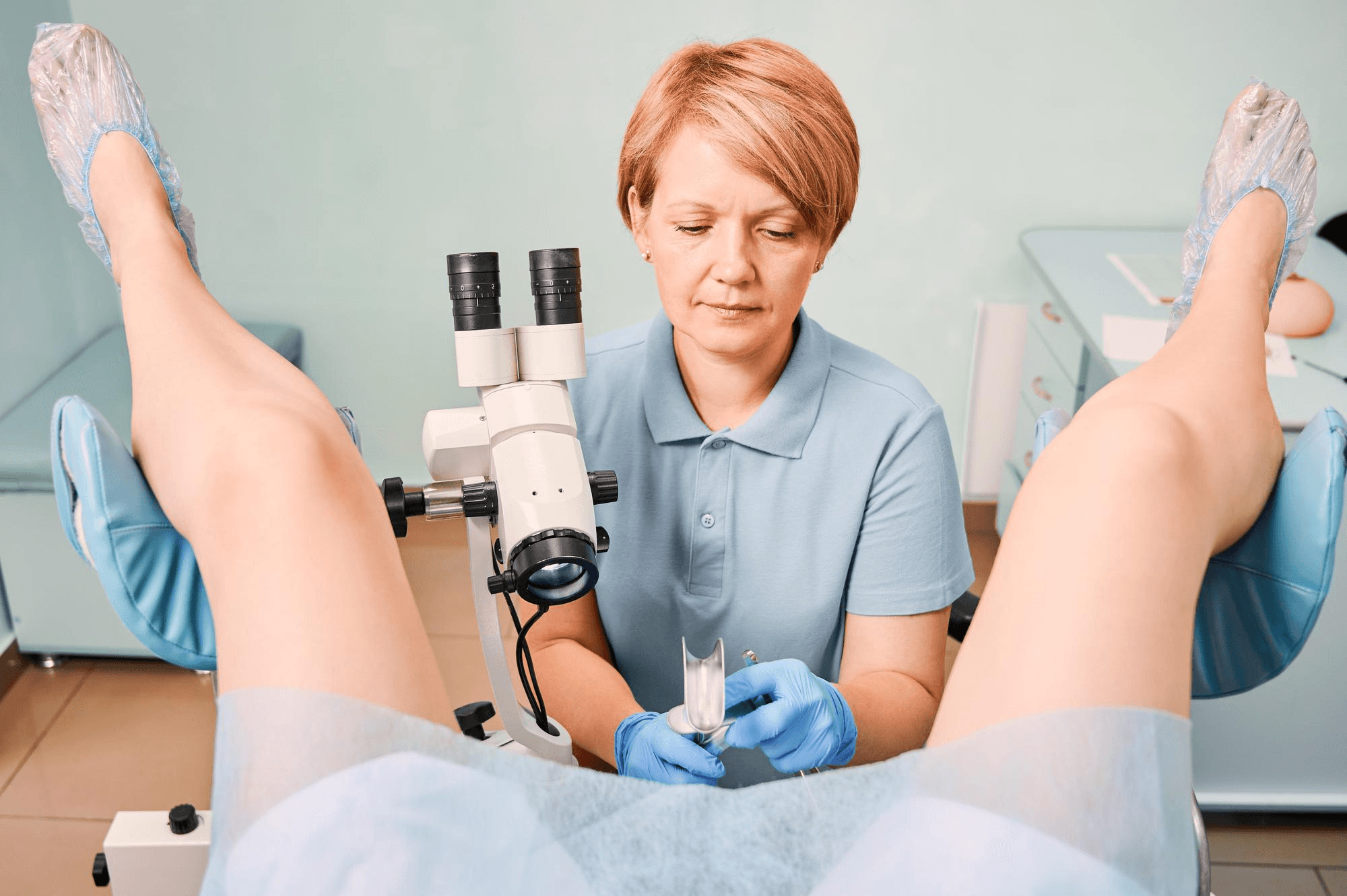
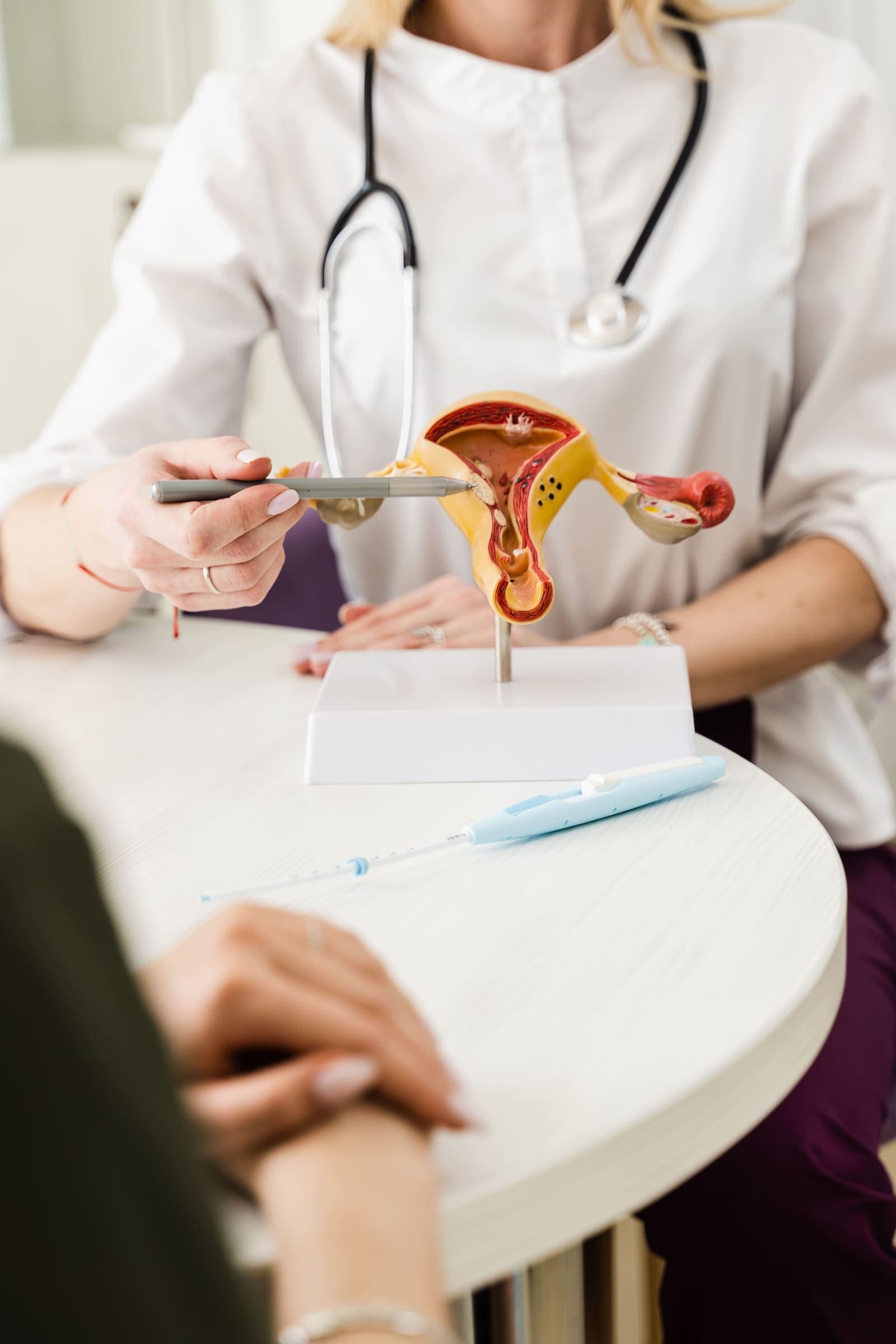
Hysteroscopy examines the inside of the uterus — the uterine cavity. A thin camera (hysteroscope, typically 3 to 5 mm in diameter) is passed through the vagina and cervix into the uterine cavity without any abdominal incisions. It visualises the inner surface of the uterine lining (endometrium), the uterine walls, and the openings of the fallopian tubes into the uterine cavity.
Laparoscopy examines the outside of the pelvic organs and the pelvic cavity. A camera is inserted through small abdominal incisions, and the surgeon views the outer surface of the uterus, the fallopian tubes (their course and fimbriae), the ovaries, the pelvic peritoneum, the Pouch of Douglas, and surrounding structures.
The two procedures are anatomically complementary — hysteroscopy sees inside the uterus, laparoscopy sees the external pelvic anatomy. Neither procedure can substitute for the other.
What Hysteroscopy Is Used For
1. Diagnostic Hysteroscopy
- Investigating abnormal uterine bleeding (heavy periods, bleeding between periods, postmenopausal bleeding)
- Evaluating the uterine cavity in fertility investigation (looking for polyps, fibroids, adhesions, or congenital anomalies that affect implantation)
- Assessing an abnormal endometrial appearance on ultrasound
- Investigating recurrent miscarriage — looking for a uterine septum, adhesions, or other structural causes
2. Operative Hysteroscopy
- Polypectomy — removing endometrial or cervical polyps
- Removal of submucosal fibroids (those projecting into the uterine cavity)
- Septum resection — cutting through a uterine septum to improve the uterine cavity for pregnancy
- Adhesiolysis — breaking down intrauterine adhesions (Asherman's syndrome)
- Endometrial ablation — destroying the uterine lining to treat heavy periods in women who have completed their family
- Foreign body retrieval (e.g. embedded IUCD)
- Targeted endometrial biopsy
Recovery after hysteroscopy: Most women go home the same day. Mild cramping and light spotting for 1 to 3 days. Return to normal activities within 1 to 2 days. No abdominal incisions — recovery is significantly faster than laparoscopy.
What Laparoscopy Is Used For
1. Diagnostic Laparoscopy
- Investigation of unexplained pelvic pain
- Infertility investigation when other tests have not identified a cause
- Suspected endometriosis (which cannot be reliably diagnosed on ultrasound)
- Tubal assessment with chromopertubation (dye test to confirm tubal patency)
2. Operative Laparoscopy
- Endometriosis excision or ablation
- Ovarian cystectomy (ovarian cyst removal)
- Myomectomy (fibroid removal) — for intramural and subserosal fibroids
- Salpingectomy or salpingotomy (for ectopic pregnancy or hydrosalpinx)
- Adhesiolysis (releasing pelvic adhesions)
- Laparoscopic ovarian drilling (LOD) for PCOS
- Total laparoscopic hysterectomy (TLH)
- Pelvic floor procedures
Recovery after laparoscopy: Day surgery to 1 to 3 days in hospital depending on the procedure. Return to desk work 5 to 14 days. Return to full activity 2 to 4 weeks.
When Both Are Done Together
Hysteroscopy and laparoscopy are performed simultaneously more commonly than many patients realise — often called "combined hysteroscopy and laparoscopy" or "diagnostic hysterolaparoscopy."
Common combined indications:
1. Infertility investigation: A complete assessment requires both — laparoscopy assesses the tubes, ovaries, and pelvic anatomy (external), while hysteroscopy evaluates the uterine cavity (internal). Performing both in one anaesthetic is more efficient than two separate procedures.
2. Uterine anomalies: A bicornuate uterus looks very different from the outside (laparoscopy) versus the inside (hysteroscopy) — both perspectives together allow accurate classification. A uterine septum is visible hysteroscopically but the uterine outer surface on laparoscopy helps distinguish septum from bicornuate uterus.
3. Unexplained heavy periods: When both an intrauterine cause (polyps, submucosal fibroid) and an external cause (adenomyosis, endometriosis) are possible, combined assessment is more complete.
4. Pre-IVF assessment: Some specialists perform combined hysteroscopy and laparoscopy before IVF in women with unexplained failed cycles.
Anaesthesia: A Key Difference
1. Diagnostic hysteroscopy: Can be performed under local anaesthesia or light sedation in an outpatient setting, or under general anaesthesia. Many simple office hysteroscopies are done awake with a thin camera and minimal discomfort.
2. Laparoscopy: Always requires general anaesthesia — the abdomen must be inflated with CO2 gas and the instruments require a relaxed, anaesthetised patient.
3. Combined procedure: General anaesthesia is required.
Which Do You Need? A Quick Guide
| Your situation | More likely needed |
|---|---|
| Heavy periods, abnormal bleeding | Hysteroscopy (looks inside the uterus) |
| Polyp found on ultrasound | Hysteroscopy |
| Severe period pain, suspected endometriosis | Laparoscopy |
| Unexplained pelvic pain | Laparoscopy |
| Fertility investigation — tubes and ovaries | Laparoscopy + chromopertubation |
| Fertility investigation — uterine cavity | Hysteroscopy |
| Recurrent miscarriage — complete assessment | Both |
| Infertility — complete assessment | Both |
| PCOS not responding to medication | Laparoscopy (LOD) |
| Ovarian cyst removal | Laparoscopy |
| Fibroid — submucosal (in cavity) | Hysteroscopy |
| Fibroid — intramural/subserosal (in wall/outside) | Laparoscopy |
Gynaecological Surgery in Noida and Greater Noida
Dr. Shachi Singh at Prakash Hospital, Sector 33, Noida, performs both hysteroscopy and laparoscopy — individually and combined — for women across Noida and Greater Noida.
To book a consultation with Dr. Shachi Singh, call: +91 97023 46853
Clinic Hours: Monday to Saturday, 9 AM – 6 PM | Sunday, 10 AM – 2 PM
Clinic Address: D-12A, 12B, Sector-33, G.B. Nagar, Noida, Uttar Pradesh 201301
Frequently Asked Questions
1. Is hysteroscopy more or less painful than laparoscopy?
Hysteroscopy, particularly in outpatient settings under local anaesthesia, causes mild to moderate cramping similar to period pain. Laparoscopy is always under general anaesthesia — you feel nothing during it. Post-procedure, hysteroscopy recovery is faster and less uncomfortable than laparoscopy.
2. Can hysteroscopy diagnose endometriosis?
No. Endometriosis is deposits on the outside of the pelvic organs — hysteroscopy sees only the inside of the uterus. Laparoscopy is required to diagnose endometriosis.
3. Can laparoscopy see inside the uterus?
No. Laparoscopy sees the external surface of the uterus, not the uterine cavity. To see inside the uterine cavity, hysteroscopy is needed.
This blog is written for educational and informational purposes only. Please consult Dr. Shachi Singh or a qualified gynaecological surgeon for advice specific to your condition.