IVF Step by Step: What Actually Happens During the Process

fertility
IVF is simultaneously one of the most discussed and most misunderstood fertility treatments. Many couples enter an IVF cycle with only a vague idea of what each stage involves, which makes the process more anxious than it needs to be. Understanding what is happening at each step — and why — makes the experience significantly more manageable.
Dr. Shachi Singh, consultant gynaecologist and fertility specialist at Prakash Hospital, Sector 33, Noida, walks through the complete IVF process.
Before IVF Begins: The Baseline Assessment
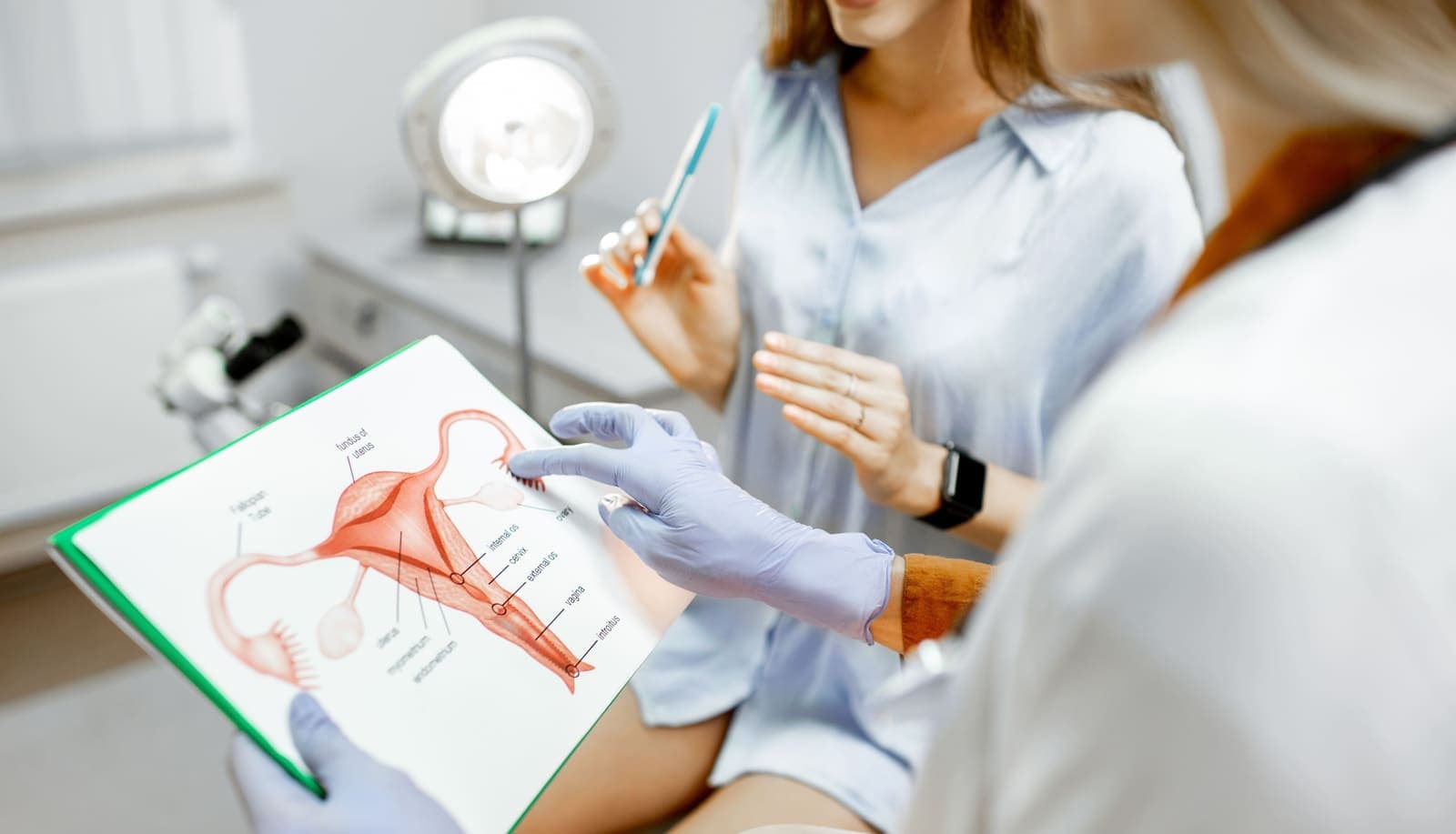
A complete assessment before starting IVF includes: AMH and antral follicle count (AFC) to predict ovarian response, semen analysis and sperm DNA fragmentation, uterine assessment (hysteroscopy to confirm a normal cavity), infectious disease screening (HIV, hepatitis B and C, syphilis), blood group and hormonal baseline.
This assessment guides the stimulation protocol — the type and dose of medications used — and identifies any issues to address before beginning.
Stage 1: Ovarian Stimulation (Days 1 to 12 approximately)
The goal of stimulation is to develop multiple mature follicles (each containing one egg) in a single cycle. Normally, one follicle develops and releases one egg per cycle. In IVF, the goal is typically 8 to 15 mature eggs.
How: Daily hormone injections (recombinant FSH, sometimes combined with LH) begin from Day 2 to 3 of the menstrual period. The woman or her partner administers these subcutaneous injections at home. Most women find them manageable after the first day.
Monitoring: Transvaginal ultrasound every 2 to 3 days measures follicle growth. Blood tests measure oestradiol levels. The stimulation dose is adjusted based on response.
Duration: Typically 10 to 14 days.
Side effects: Bloating, mild abdominal discomfort, breast tenderness, mood changes — from the elevated hormone levels. Ovarian hyperstimulation syndrome (OHSS) — excessive ovarian response causing abdominal swelling and discomfort — is the most significant risk, particularly in PCOS. Modern protocols using GnRH antagonist downregulation (rather than agonist) significantly reduce OHSS risk.
Stage 2: Trigger Injection and Egg Retrieval (Day 12 to 14 approximately)
Trigger injection: When the leading follicles reach 17 to 20 mm, a trigger injection (hCG or GnRH agonist) is given. This initiates the final maturation of the eggs. Egg retrieval is scheduled exactly 36 hours later.
Egg retrieval (OPU — Ovum Pick-Up): Done under sedation (light general anaesthesia) or anaesthesia. A transvaginal ultrasound-guided needle passes through the vaginal wall into each follicle, aspirating the follicular fluid containing the egg. The embryologist identifies eggs under the microscope in the adjacent laboratory. The procedure takes 20 to 30 minutes. Recovery same day. Mild cramping for 1 to 2 days.
Stage 3: Fertilisation (Day 1 to 3 of embryo development)
Conventional IVF: 50,000 to 100,000 prepared sperm are placed with each egg in a culture dish. Fertilisation occurs naturally within the dish.
ICSI (Intracytoplasmic Sperm Injection): A single sperm is injected directly into each egg using a fine glass needle. Used for male factor infertility, poor fertilisation in previous IVF cycles, or when few eggs are available.
Fertilisation check: 16 to 18 hours after insemination, eggs are examined for signs of fertilisation (two pronuclei — one from the egg, one from the sperm). Fertilisation rates are typically 60 to 80%.
Stage 4: Embryo Culture (Days 1 to 5)
Fertilised eggs (now called embryos) are cultured in the laboratory in precisely controlled conditions — temperature, CO2 concentration, humidity — mimicking the fallopian tube environment.
Day 3 embryos: 6 to 8 cells. Can be transferred at Day 3, but Day 5 is generally preferred.
Day 5 blastocysts: The embryo has reached the blastocyst stage — 100+ cells, with a distinct inner cell mass (becomes the baby) and trophoblast (becomes the placenta). Blastocyst culture allows selection of the most viable embryos — not all fertilised eggs reach blastocyst stage. Blastocyst transfer has higher implantation rates per embryo than Day 3 transfer.
Embryo grading: Embryos are assessed by their appearance — cell number, symmetry, fragmentation for Day 3; expansion, inner cell mass quality, and trophectoderm quality for blastocysts. The best-graded embryo is selected for transfer.
Stage 5: Embryo Transfer
A thin, soft catheter is passed through the cervix into the uterine cavity, and 1 to 2 embryos are placed at the optimal position in the endometrium. No anaesthesia is needed — the procedure is generally painless or produces only mild cramping. The woman is typically asked to rest for 30 to 60 minutes after the transfer.
Fresh vs frozen transfer: A fresh embryo transfer places the embryo in the same cycle as stimulation. A frozen embryo transfer (FET) uses cryopreserved blastocysts from a previous cycle in a subsequent, less stimulated cycle. FET is increasingly favoured because the endometrium is not compromised by the elevated oestrogen of a stimulated cycle.
Stage 6: The Two-Week Wait
The most difficult part for most couples — the 14 days between embryo transfer and the pregnancy test. Progesterone pessaries (or injections) support the endometrial lining during this period.
The pregnancy blood test (serum beta-hCG) is performed 12 to 14 days after transfer. A positive result prompts an ultrasound 2 weeks later to confirm a heartbeat. A negative result is the devastating end of that cycle — and the beginning of conversations about what to do next.
Success Rates: Setting Realistic Expectations
Live birth rates per IVF cycle (not per transfer — per complete cycle) in India for women under 35: approximately 35 to 40%. These rates decline with age — approximately 20 to 25% at 38 to 40, and below 10% at 42 to 43 with own eggs. Multiple cycles improve cumulative success rates significantly.
Fertility Care in Noida and Greater Noida
Dr. Shachi Singh at Prakash Hospital, Sector 33, Noida, provides IVF counselling, workup, and coordination for couples across Noida and Greater Noida.
To book a consultation with Dr. Shachi Singh, call: +91 97023 46853
This blog is for informational purposes only.