Early Signs of Pregnancy Before a Missed Period
By Dr. Shachi SinghUpdated

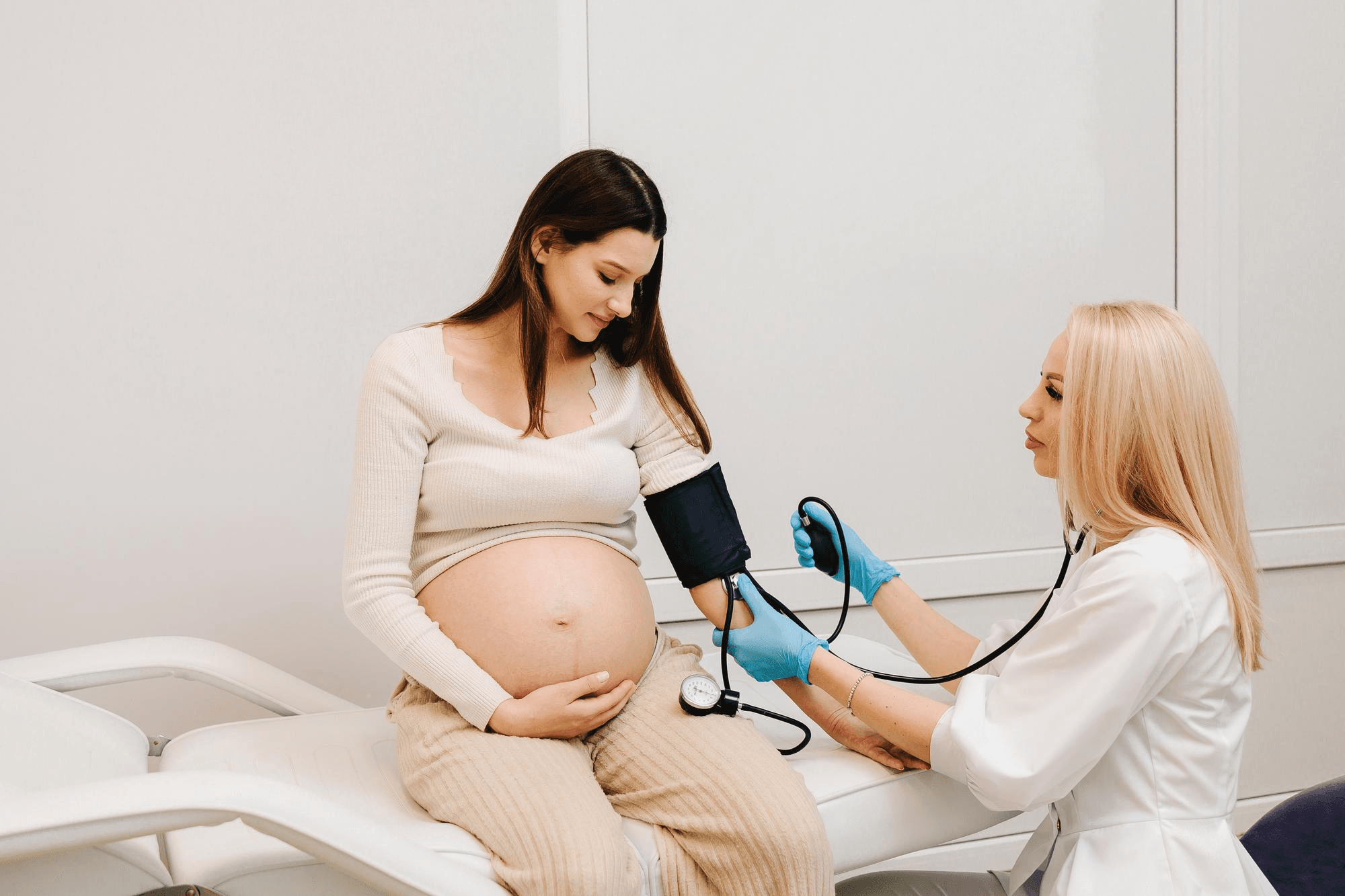
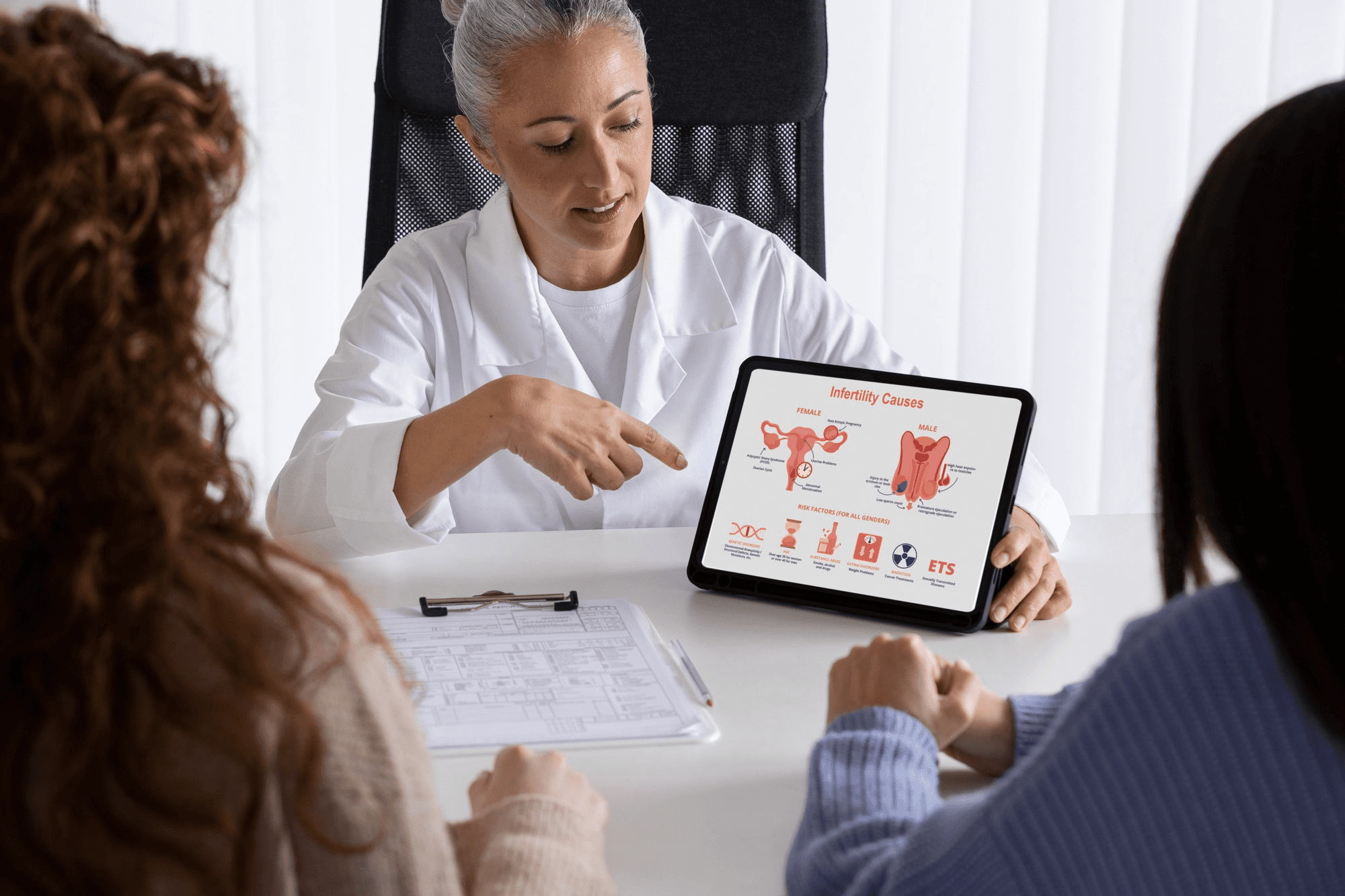
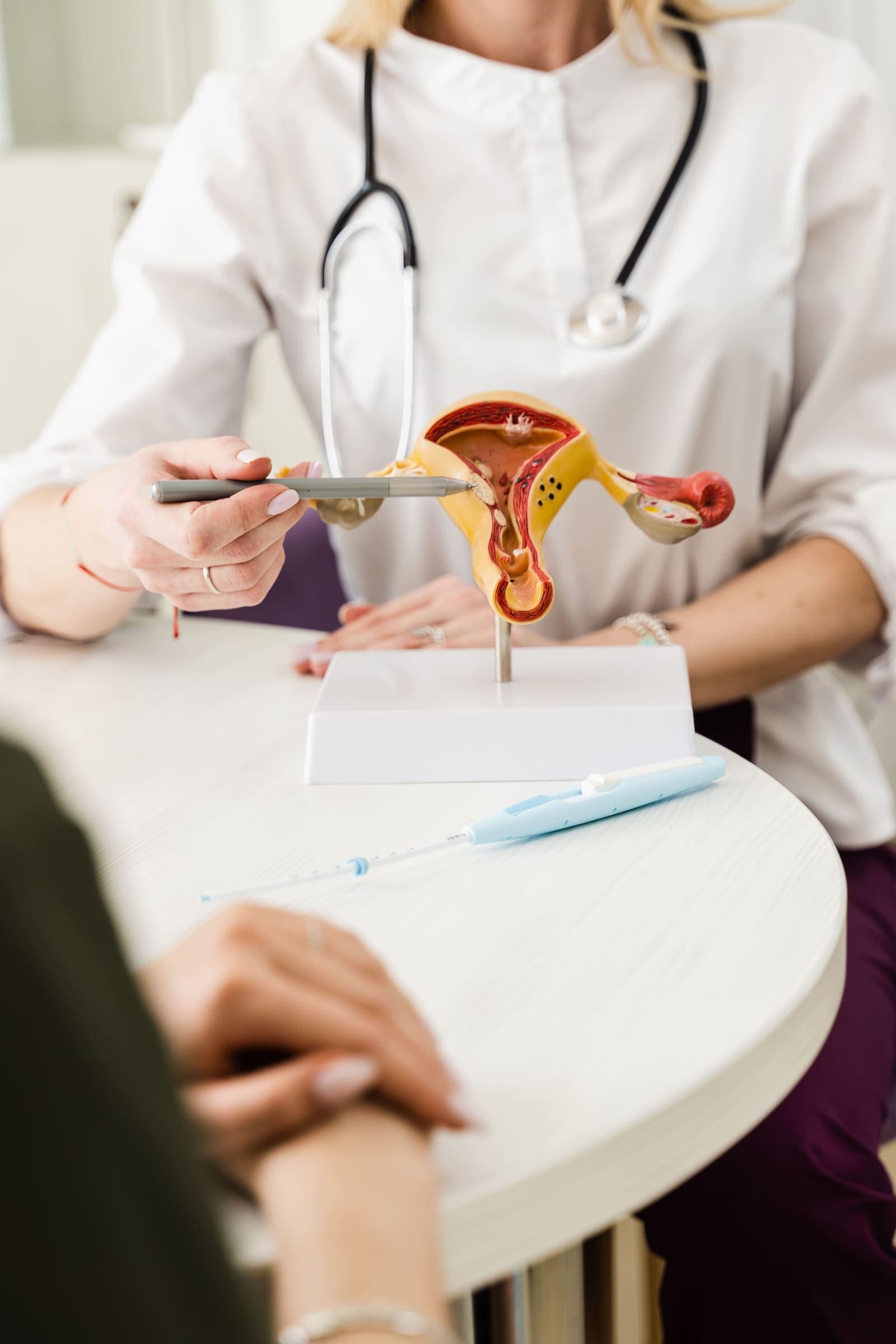
A gynecologist looks for early pregnancy symptoms before a missed period during a routine prenatal appointment.
You might notice your body changing before you even miss a period. Pregnancy has a way of sneaking up on people. Maybe you feel a little more tired than usual, your breasts get sore, or you spot a bit of blood when you weren’t expecting it. Sometimes there’s a wave of nausea that just won’t quit. These things can feel just like PMS, which makes it all the more confusing. Not everyone feels the same symptoms, and for some, they’re barely there. But if you pay attention to these early changes, you might catch on sooner and know when it’s time to take a test or check in with your doctor.
When Do the First Pregnancy Symptoms Show Up?
- Pregnancy symptoms usually show up about 7 to 14 days after conception, right after implantation.
- Implantation typically occurs 6 to 10 days after ovulation. If you have a 28-day cycle, you might notice early changes between days 21 and 28.
- This is when HCG (Human Chorionic Gonadotropin) begins to rise, triggering the first symptoms.
- Progesterone and estrogen kick in too, making you feel tired, bloated, maybe a little nauseous, and your breasts might get sore.
- Some women notice these symptoms even before they miss a period, but others don’t feel anything at all in the beginning.
Can You Feel Pregnancy Symptoms Before You Miss Your Period?
Absolutely, you can notice pregnancy symptoms even before your period is late. A lot of the changes kick in early, thanks to rising hormones like HCG, progesterone, and estrogen, which ramp up soon after the embryo settles in. Everyone’s different, but plenty of women catch little signs in the first couple of weeks after conception.
1. Implantation Bleeding
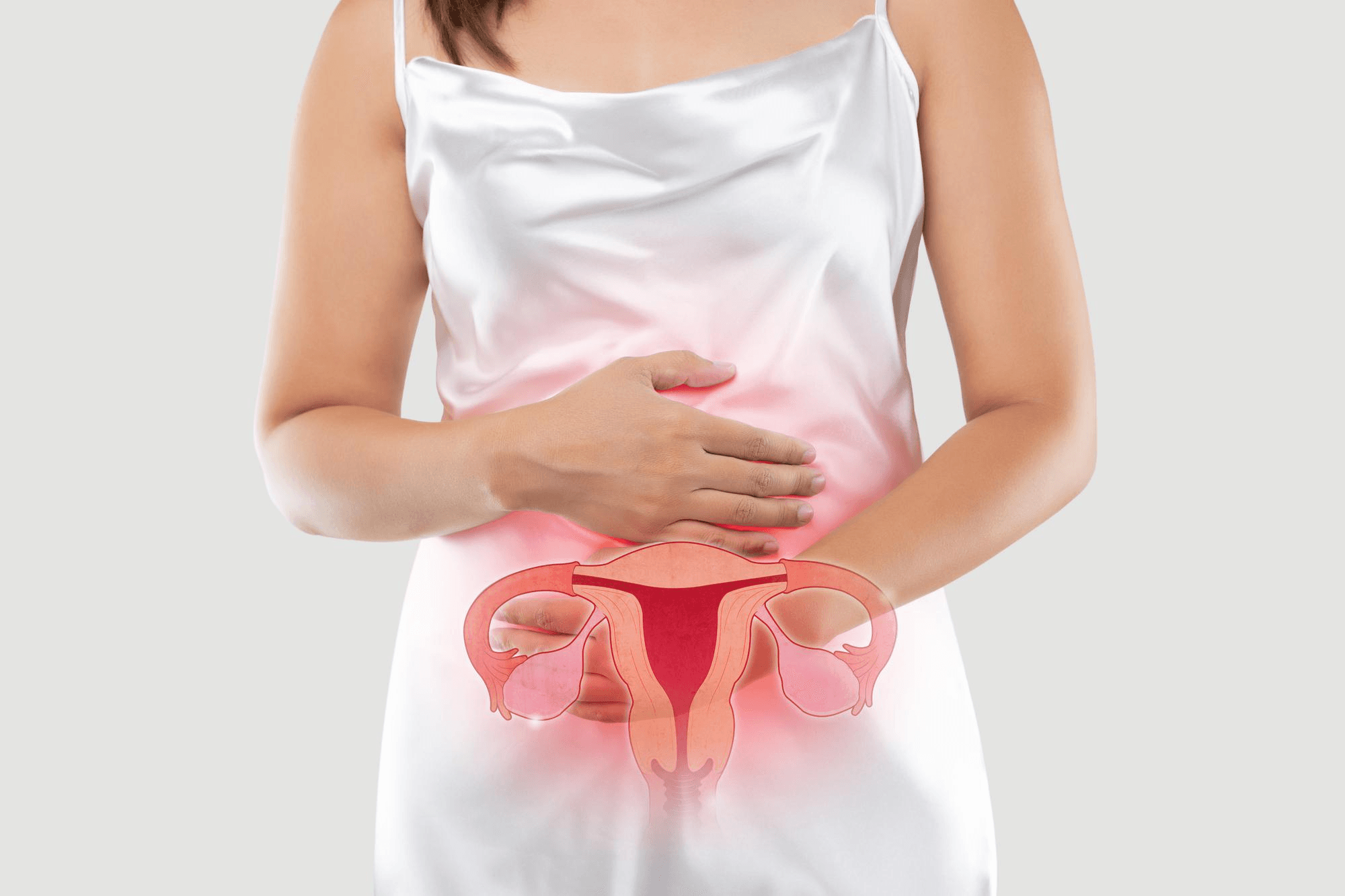
You might spot a bit of blood when the fertilized egg attaches to your uterus. It’s not like a regular period; it’s lighter, usually pink or brown, and only lasts a day or two.
2. Mild Lower Belly Cramps
These cramps don’t hit like your usual period pain. They’re lighter, more on-and-off, and happen because your uterus is getting used to what’s going on or from implantation. It’s not that heavy, constant ache you might get right before your period.
3. Sore or Swollen Breasts
Hormones crank things up and send extra blood to your breasts so that they can feel sore, swollen, or just weirdly sensitive. Sometimes your nipples get more tender than usual, and you might notice your areolas looking a bit darker.
4. Feeling Extra Tired
That early pregnancy tiredness? It’s real. Progesterone can make you feel completely wiped out, no matter how much you sleep. Your body’s working harder than usual, and you can really tell.
5. Nausea or Morning Sickness
Nausea can appear quickly, sometimes just weeks after conception. It’s not just in the morning; queasiness, occasional vomiting, or a weird stomach can hit any time, all thanks to those hormones.
6. Sensitive to Smells
Suddenly, certain smells might seem way stronger or just unbearable. Perfume, food, even smoke might set off your stomach, and it’s all because your sense of smell is on high alert.
7. Peeing More Often
You might find yourself running to the bathroom more than usual, even before your belly starts to grow. Hormones boost blood flow to your kidneys, so your body’s making more urine early on.
8. Mood Swings
Those hormone surges mess with your brain chemicals, too. You might feel tearful one minute, cranky the next, or just extra sensitive for no clear reason.
9. Bloating
Your digestive system slows down a bit due to progesterone. That leads to bloating, gassiness, and your jeans feeling a little tighter than usual.
10. Headaches and Dizziness
You might get a headache or feel a bit lightheaded early on. Hormones, rising blood volume, and changes in blood pressure all play a part.
11. Food Cravings or Weird Tastes

Woman reacts to strange food cravings brought on by early pregnancy hormones before her period is late.
Sudden cravings or aversions to certain foods can occur early. Your taste buds are along for the ride, and it can get weird fast.
12. More Vaginal Discharge
You might notice more thin, white, or milky discharge, which is normal. Higher estrogen and extra blood flow to the area cause this, and as long as there’s no odor or discomfort, it’s just your body’s way of protecting itself.
13. Higher Basal Body Temperature
If you’re tracking your temperature, you might see it stays higher after ovulation. If it’s up for more than two weeks, that’s another hint you could be pregnant.
If you’re noticing any of these signs before your period’s due, it’s not your imagination. Your body starts changing early, and sometimes it tells you before the test even begins.
Difference Between Early Pregnancy and PMS
- Early pregnancy and PMS can feel a lot alike. Both mess with your hormones, so it’s easy to get confused. Still, there are some clear differences. When you’re pregnant, your hCG and progesterone levels stay high after implantation, and that’s what causes a lot of the typical symptoms, such as implantation bleeding, nonstop tiredness, running to the bathroom all the time, a super-sensitive nose, and breasts that stay sore.
- With PMS, it’s the drop in progesterone before your period that triggers symptoms. You get cramps, mood swings, bloating, and breast tenderness, but those usually disappear once your period starts. One big giveaway: PMS symptoms fade when your period arrives, but if you’re pregnant, the symptoms don’t let up; they just keep building.
When Should You Take a Pregnancy Test?

Close-up of a woman checking a pregnancy test to confirm early symptoms before her period is late
- Honestly, the best time is after you miss your period. That’s when you’ll get the most accurate result. Your body starts making a hormone called HCG about 10 to 14 days after conception, and that’s what the test looks for in your urine.
- If you test too soon, you might get a negative result even if you’re pregnant. First thing in the morning is your best bet for testing, since your urine is most concentrated then.
- If you want to know even earlier, a gynecologist can check your blood for HCG. Blood tests detect pregnancy earlier and are more sensitive than urine tests.
When Should You See a Gynecologist?
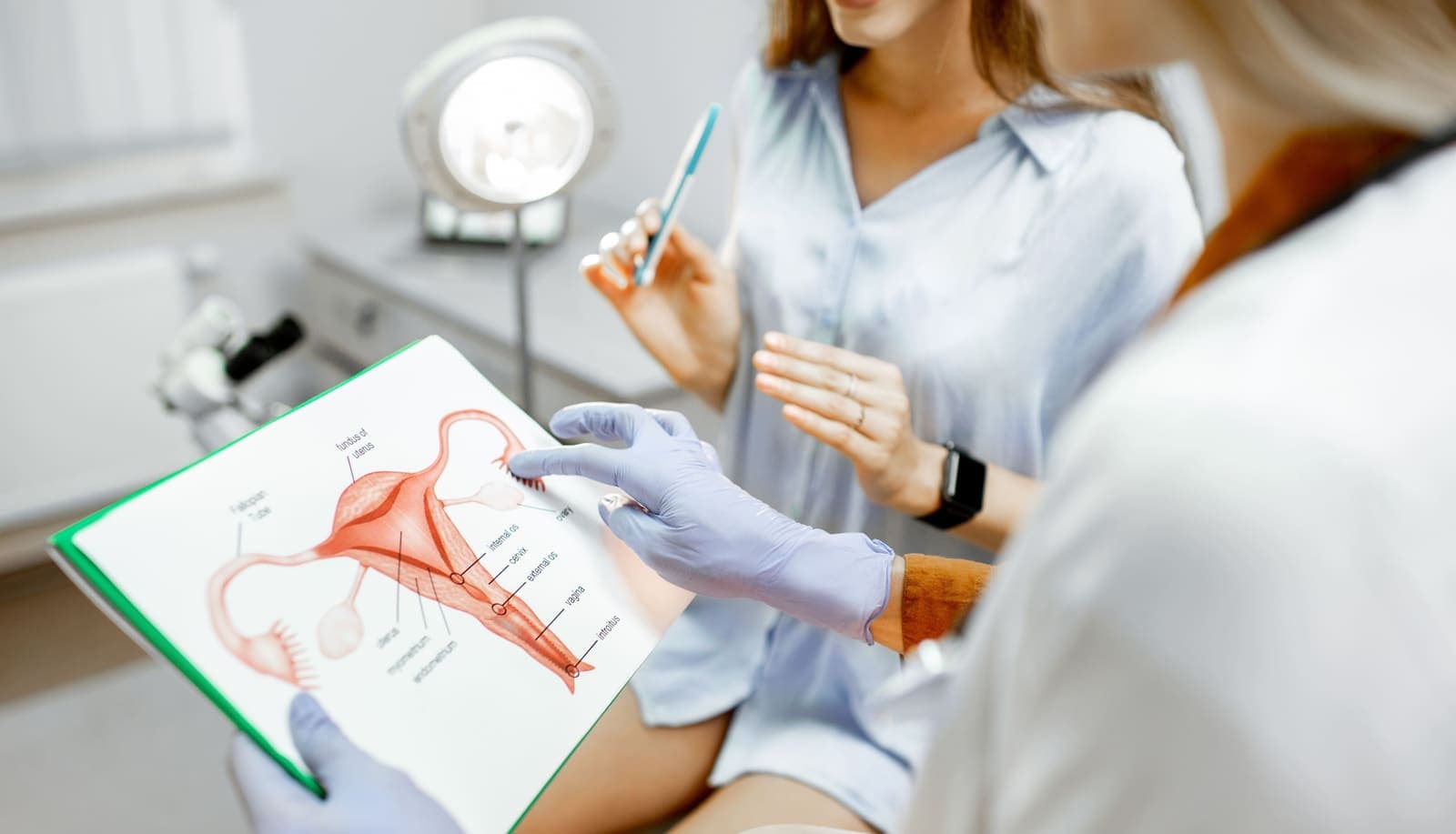
Visit a gynecologist if your pregnancy test comes back positive, you’ve missed a period, and you're feeling off, or you’re dealing with irregular bleeding. Don’t wait if you have bad abdominal pain, can’t stop vomiting, feel dizzy, or if your pelvis hurts.
If you’ve had a high-risk pregnancy before, or you have a history of ectopic pregnancy, PCOS, or thyroid problems, get checked early. Seeing a gynecologist sooner helps confirm your pregnancy, determine how far along you are, and start prenatal care right away.
Final Thought
Sometimes, you pick up on early pregnancy symptoms before your period’s even late. Hormones start shifting right after implantation, so you might feel things that seem a lot like PMS. If those feelings stick around or get stronger, it’s a good idea to think about pregnancy. Pay attention to what your body’s telling you; those small changes can actually mean something.
If something feels off or different, go ahead and take a test or talk to your doctor. The sooner you know, the sooner you can start prenatal care, which really sets you and your baby up for the best possible start.
Expert Care With Dr. Shachi Singh
If you’re wondering whether you’re pregnant or just have questions about those first signs, don’t try to figure it all out alone. Dr. Shachi Singh has spent years working in Obstetrics, Gynecology, and Laparoscopic Surgery, and she genuinely cares about her patients.
Book a consultation with her to get real answers, authentic advice, and prenatal care that fits you. You deserve to feel supported and confident from the very beginning.