Hot Flashes: Causes, Triggers and Treatment Options

Most hot flashes last one to five minutes, and around 70 to 80 percent of women have them around menopause.
It starts with a sudden wave of heat, usually in the chest, neck and face. Your skin flushes, your heart pounds, sweat breaks out, and within a few minutes it is gone, leaving you damp and chilled. It may happen in a meeting, on a crowded metro, in the middle of a conversation or, worst of all, at 3 am, soaking the sheets and wrecking your sleep.
If this sounds familiar, you are in very large company. Hot flashes (or hot flushes) are the most common symptom of the menopausal transition, and for many women they are the first sign that their hormones are changing. They are also one of the most treatable. Yet many women suffer for years in silence, assuming that nothing can be done, or that it is "just something women have to bear."
This guide explains what hot flashes are, why they happen, what triggers them, how long they last and the options that work, from simple lifestyle changes to hormone therapy and non-hormonal medicines. If you would like to speak to a gynaecologist in Noida about menopause, details are at the end.
What exactly is a hot flash?
A hot flash is a sudden feeling of intense heat that spreads through the upper body, often with:
- Reddening of the face, neck and chest
- Sweating, sometimes heavy
- A rapid heartbeat or palpitations
- A feeling of anxiety or panic
- Chills afterwards, as the sweat cools
- Sometimes, dizziness
Each episode usually lasts one to five minutes (though some last longer), and the frequency varies enormously from a few a week to many in a day. When they occur during sleep, they are called night sweats, and they disrupt sleep, leaving you tired, irritable and unable to concentrate the next day.
Doctors call these symptoms vasomotor symptoms (VMS), because they involve the blood vessels dilating.
Why do hot flashes happen?
The exact mechanism is still being studied, but the broad picture is clear. The brain's temperature control centre, the hypothalamus, keeps your core temperature within a narrow comfortable range, called the thermoneutral zone. Oestrogen helps to keep that zone wide. As oestrogen levels fall and fluctuate in perimenopause and menopause, the zone narrows. A small rise in body temperature that would not have bothered you before now crosses the threshold, and the brain responds as if you are overheating. It triggers dilation of blood vessels in the skin (flushing) and sweating to cool you down.
Recent research suggests that changes in a group of brain cells (KNDy neurons) that respond to oestrogen and use a chemical messenger called neurokinin B play a central role. This discovery has led to a new class of non-hormonal medicines.
Who gets hot flashes, and for how long?
- Around 70 to 80 percent of women experience hot flashes around menopause, although the proportion varies between populations. Women in some Asian studies report fewer, or different, symptoms than those in Western studies, but a large number of Indian women are affected and many do not speak about it.
- They typically begin in perimenopause, the years before the final period, and peak around the last period and the year after.
- The average duration is about 7 years, and for some women, over a decade. A minority have them into their 60s and beyond.
- They are more common and more severe in women who:
- Have a higher body mass index
- Smoke
- Are physically inactive
- Have higher levels of stress or anxiety
- Have had a surgical menopause (both ovaries removed) or chemotherapy, in which symptoms can be sudden and intense
Hot flashes can also happen outside natural menopause, for example during treatment for breast or prostate cancer.
Common triggers
Triggers vary from person to person, and keeping a diary for a couple of weeks helps identify yours. Common ones include:
- Spicy food and hot drinks
- Caffeine
- Alcohol
- Stress, anxiety and strong emotions
- Warm rooms, heavy blankets and tight clothing
- Hot weather and humidity (a particular challenge in an Indian summer)
- Smoking
- Large meals and sugary foods
- Hot showers or baths
- Some medicines
Avoiding triggers does not eliminate hot flashes, but it can reduce their number and severity.
Is it always menopause?
Not always. Hot flushes and sweating can be caused by other conditions, and it is important to rule them out if the picture is unusual.
- Overactive thyroid (hyperthyroidism): weight loss, palpitations, tremor, heat intolerance
- Infections such as tuberculosis, which can cause night sweats with fever and weight loss
- Anxiety disorders
- Medicines: antidepressants, some blood pressure drugs, tamoxifen and others
- Diabetes (low blood sugar episodes)
- Premature ovarian insufficiency if symptoms appear under 40
- Rare tumours or other hormonal conditions
- Lymphoma and other serious illnesses, rarely
See your doctor if you have night sweats with fever, unexplained weight loss, swollen glands, persistent cough or if your symptoms begin before the age of 40. A blood test for thyroid function and others may be needed.
What helps: lifestyle measures
For mild symptoms, simple changes can help.
- Dress in layers of light cotton that you can remove easily. Keep a small fan or cooling spray at hand.
- Keep the bedroom cool, with a fan or air conditioner. Choose breathable bedding and nightwear.
- Cool drinks and cold water sipped at the first sign of a flash.
- Reduce triggers: limit caffeine, alcohol and spicy food if you notice a link.
- Maintain a healthy weight. Losing weight, if overweight, can reduce symptoms.
- Exercise regularly. Moderate activity improves mood and sleep, though exercise itself does not reliably reduce hot flashes. Avoid vigorous exercise late in the evening if it worsens night sweats.
- Stop smoking.
- Manage stress: slow, deep breathing (paced respiration) at the start of a flash, yoga, meditation and mindfulness help many women cope.
- Sleep hygiene: regular hours and a cool, dark room.
Hormone therapy: the most effective treatment
For moderate to severe hot flashes, menopausal hormone therapy (MHT or HRT) is the most effective treatment available. It typically reduces the frequency and severity of hot flashes by around 75 to 90 percent.
HRT replaces the oestrogen that the ovaries no longer make.
- Oestrogen is given as tablets, skin patches, gel or spray.
- Women with a uterus also need a progestogen (as tablets, or via a hormonal IUD) to protect the lining from overgrowth.
- Women who have had a hysterectomy can use oestrogen alone.
- A combination called tibolone is also used in some countries.
- Low-dose vaginal oestrogen treats vaginal dryness but does not treat hot flashes.
Benefits
Besides relief from hot flashes and night sweats, HRT improves sleep, mood in some women, vaginal dryness, and helps prevent bone loss and fractures.
Risks
HRT carries some risks, and the risks depend on age, time since menopause, the type of hormone, dose, route and your personal and family history.
- Starting HRT before age 60 or within 10 years of menopause is generally associated with a favourable balance of benefits and risks in healthy women.
- Combined oestrogen-progestogen therapy is associated with a small increase in the risk of breast cancer with longer use (typically beyond 3 to 5 years).
- Oral oestrogen increases the risk of blood clots, a risk that appears lower with skin (transdermal) preparations.
- Risks of stroke and heart disease are small when started in the early years of menopause, and higher when started much later.
HRT is not suitable for women with a history of certain breast cancers, unexplained vaginal bleeding, active liver disease, blood clots or some types of heart and stroke disease, and decisions should be individualised. A frank conversation about your risk factors, preferences and options is important. Treatment is usually reviewed every year, using the lowest effective dose for as long as needed.
Non-hormonal options
If you cannot or prefer not to take hormones, there are alternatives. All should be prescribed by a doctor.
- Low-dose antidepressants such as paroxetine, venlafaxine and escitalopram (SSRIs and SNRIs) can reduce hot flashes by about 40 to 60 percent. They are often used in women with a history of breast cancer, and may also help mood. Side effects can include nausea, dry mouth and sleep changes. Some drugs interact with tamoxifen, so your doctor will choose carefully.
- Gabapentin can help, especially for night sweats, and may cause drowsiness or dizziness.
- Clonidine, a blood pressure medicine, gives modest benefit with side effects of dry mouth and low blood pressure.
- Neurokinin receptor antagonists (such as fezolinetant, available in some countries) are a newer non-hormonal class that targets the brain pathway involved. Ask your doctor about availability and suitability, as access varies.
- Cognitive behavioural therapy (CBT) and clinical hypnosis: evidence shows they reduce how much hot flashes bother you, and improve sleep, even if the number of flashes does not change much.
- Stellate ganglion block is an experimental option in specialist settings.
What about herbal and "natural" remedies?
Many women ask about soy, isoflavones, black cohosh, evening primrose oil, red clover, ashwagandha, shatavari and other herbal products. The honest summary is that evidence for most of them is weak or inconsistent. Some studies show a small benefit, others show none. Quality and dose vary widely between products, and "natural" doesn't mean safe. Some herbs can affect the liver, interact with medicines or stimulate hormone-sensitive tissue. If you wish to try one, tell your doctor, and avoid it if you have a history of breast or uterine cancer without medical advice. Acupuncture and yoga have mixed evidence, though yoga often helps with sleep and wellbeing.
When to see a doctor
Please see a doctor if:
- Hot flashes or night sweats disturb your sleep, work or relationships
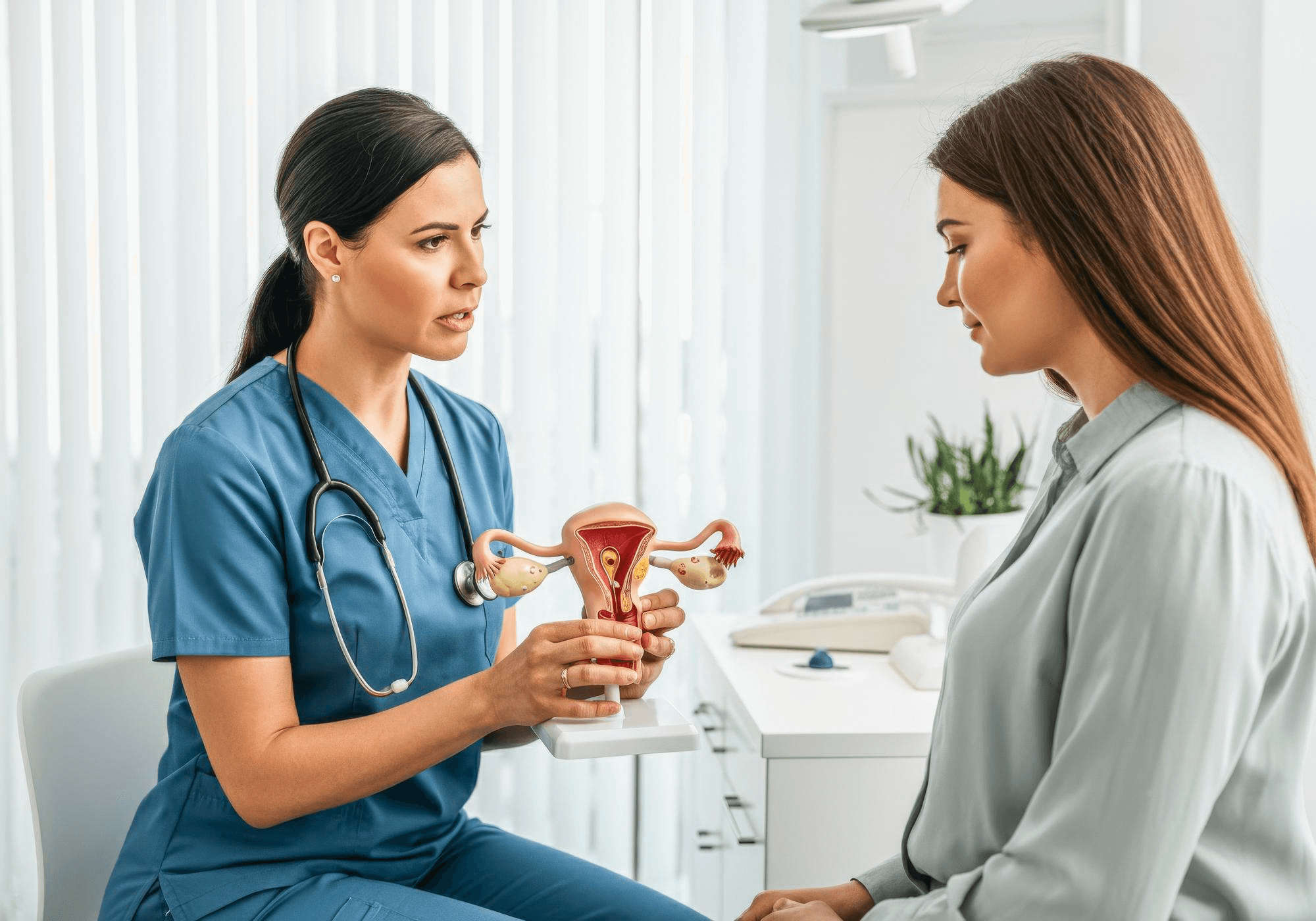
- You want to discuss HRT or other treatment
- Your symptoms begin before the age of 40 or 45
- You have night sweats with fever, weight loss, a persistent cough or lumps
- You have heavy, prolonged or irregular bleeding in perimenopause
- You have a history of breast cancer or other conditions and need safe options
- You are feeling low, anxious or struggling to cope
Menopause care should not be a last resort. It can be a proactive part of looking after your health in midlife.
Looking after your health at midlife
Menopause also brings changes you can't see. Falling oestrogen affects bones, the heart and cholesterol. This is a good time to check:
- Blood pressure, cholesterol and blood sugar
- Bone health, calcium and vitamin D
- Weight and waist measurement
- Breast and cervical screening
- Mood and sleep
Common questions
Do hot flashes mean my periods are about to stop? They are often a sign of perimenopause, and periods may continue for some time.
Will hot flashes ever stop? Yes, in most women they gradually fade, though the timing varies.
Is it okay to take HRT for hot flashes? For many healthy women, yes, with a proper assessment.
Can men get hot flashes? Yes, for example with hormone treatment for prostate cancer.
Can hot flashes happen without menopause? Yes, with medicines, thyroid disease and other conditions.
Will losing weight help? In overweight women, it can reduce symptoms.
You don't have to put up with it
Hot flashes are common and treatable, and the right treatment depends on you. I see women from Noida, Greater Noida, Ghaziabad and Delhi NCR for menopause care at Prakash Hospital, Sector 33. To book a consultation, call +91 97023 46853.
Related reading
- Menopause: symptoms and management
- Hormone replacement therapy: benefits and risks
- Perimenopause symptoms
- Vitamin D deficiency in Indian women
- Women's health after 40
This article is for general education. Menopause treatment should be personalised by your doctor.