Pelvic Adhesions: Causes, Symptoms, and Laparoscopic Treatment

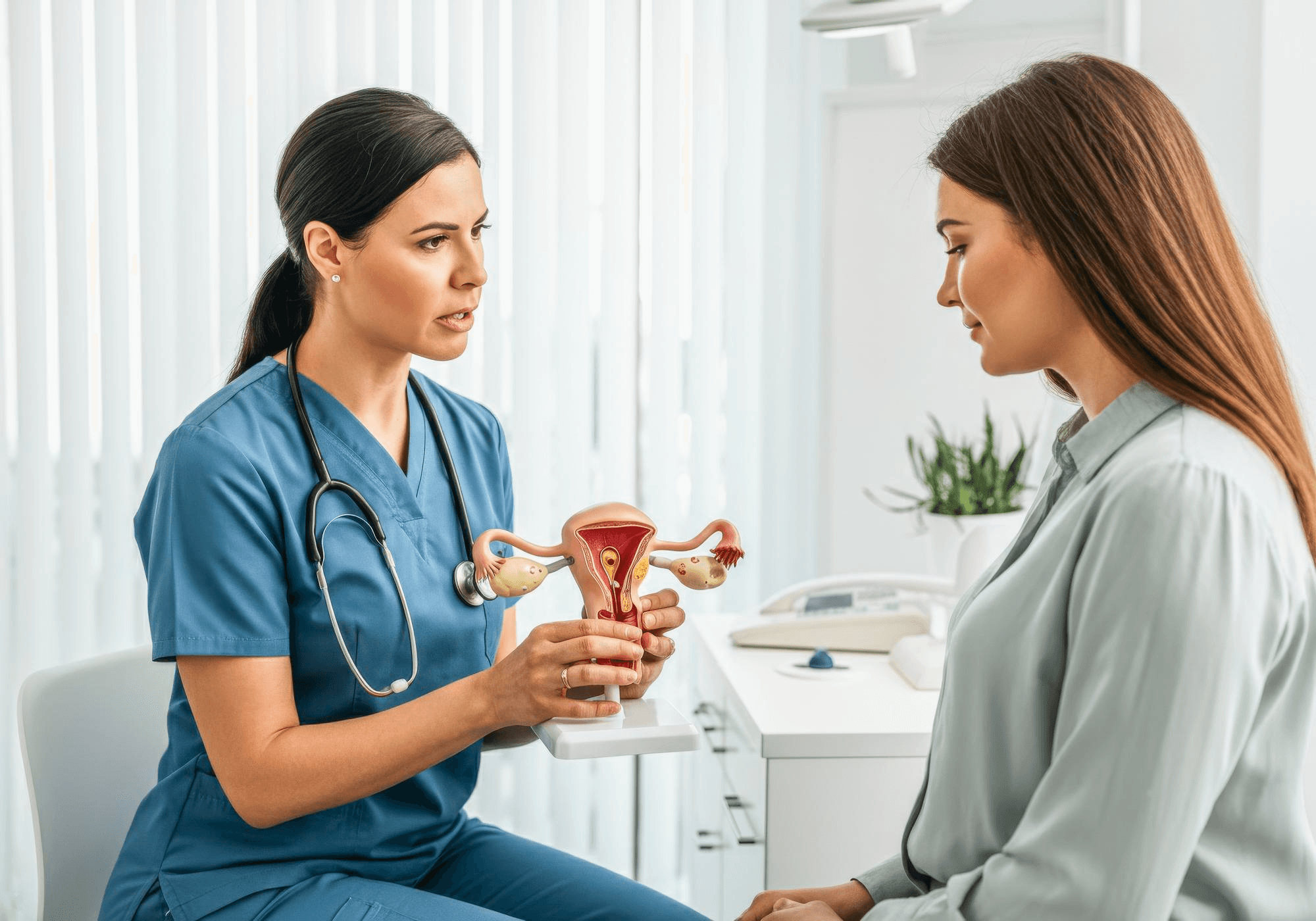
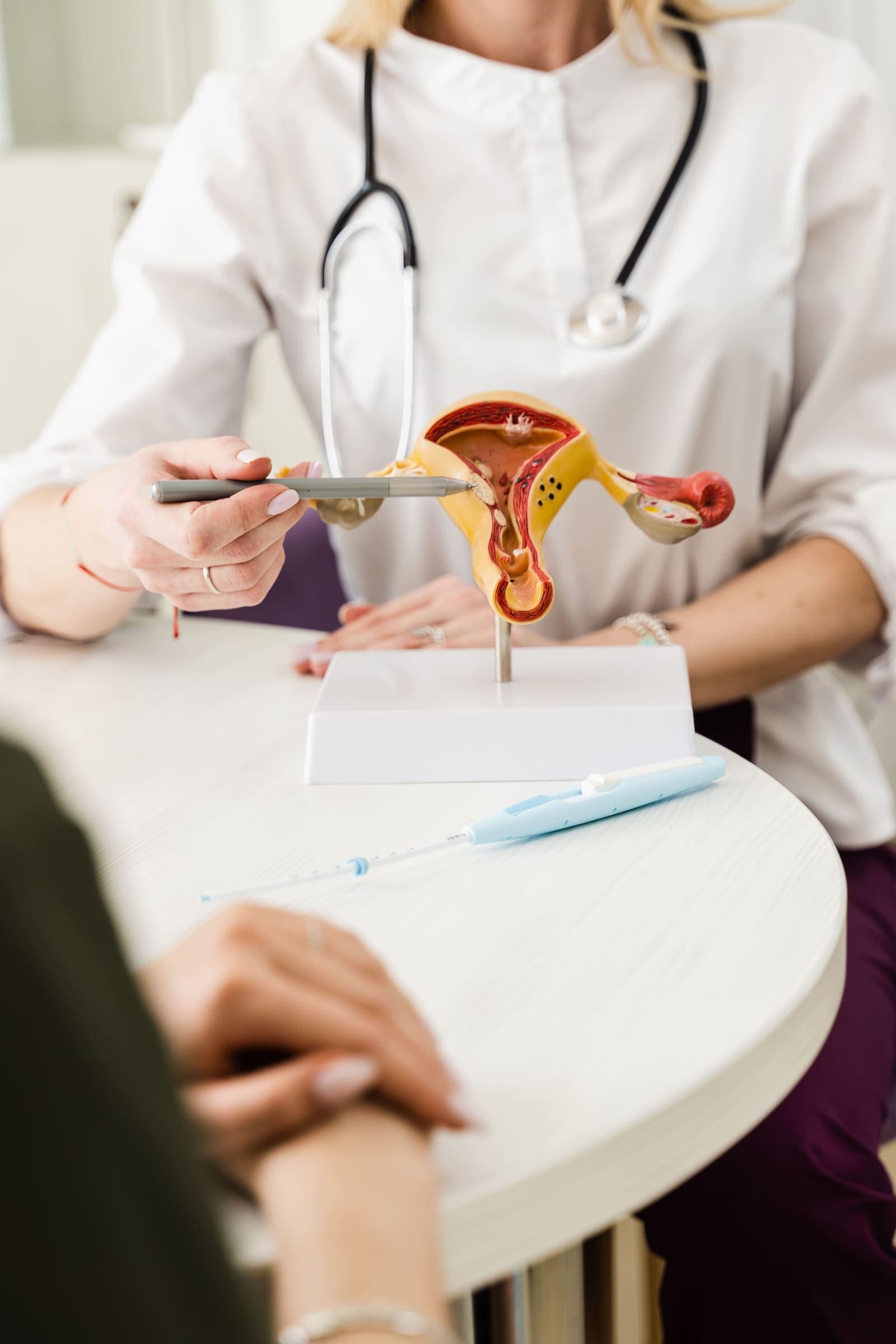
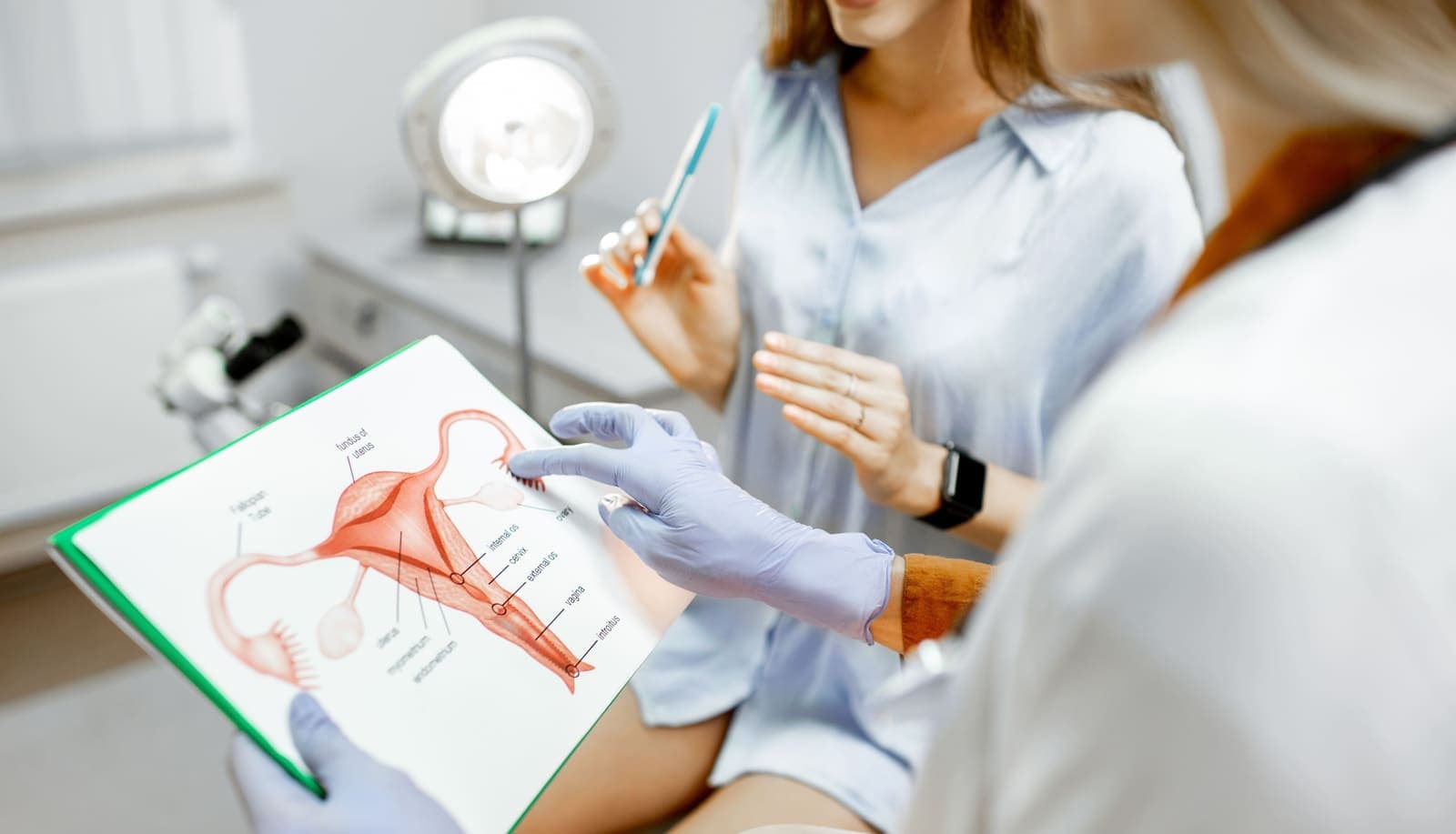
A gynecologist is explaining explaining pelvic adhesions, their symptoms, and laparoscopic treatment for effective diagnosis and management.
Pelvic adhesions are one of the most commonly found conditions during gynaecological laparoscopy — and one of the least discussed. Many women have never heard of them before they are found during a diagnostic procedure. Others have lived with the consequences of adhesions for years without knowing that the scar tissue binding their pelvic organs together was the cause.
Dr. Shachi Singh, consultant laparoscopic surgeon at Prakash Hospital, Sector 33, Noida, explains what pelvic adhesions are, how they form, what problems they cause, and how laparoscopic adhesiolysis addresses them.
What Pelvic Adhesions Are
Adhesions are bands or sheets of scar tissue that form abnormal connections between structures that should be separate. In the pelvis, adhesions bind together surfaces that are normally free to move independently — the uterus, ovaries, fallopian tubes, bowel, bladder, and the pelvic peritoneum (the lining of the pelvic cavity).
Normal pelvic organs are coated with a smooth, slippery surface (the peritoneum) that allows them to slide freely against each other. When this surface is damaged — by inflammation, infection, surgery, or endometriosis — the healing response produces fibrin (the material of blood clots) that bridges the damaged surfaces. If this fibrin is not reabsorbed quickly enough, fibroblasts invade and lay down collagen. The result is a permanent band of scar tissue connecting structures that should not be connected.
What Causes Pelvic Adhesions
1. Previous pelvic or abdominal surgery: The most common cause. Every abdominal or pelvic surgical procedure — laparotomy, caesarean section, appendicectomy, gynaecological surgery of any kind — has the potential to produce adhesions during the healing process. Studies show that approximately 50 to 90% of patients who have had abdominal surgery have some degree of adhesion formation. Laparoscopic surgery produces fewer and less severe adhesions than open surgery — the smaller incisions, reduced tissue drying, and less tissue handling reduce the inflammatory stimulus.
2. Pelvic inflammatory disease (PID): Infection ascending from the cervix and uterus to the fallopian tubes and pelvic cavity causes peritoneal inflammation and subsequent adhesion formation. Chlamydia and gonorrhoea are particularly associated with tubal and peritubal adhesions. Severe PID can produce a "frozen pelvis" — dense adhesions involving all pelvic structures.
3. Endometriosis: The inflammatory process of endometriosis — with implants bleeding monthly and producing local inflammation — is a major cause of pelvic adhesions, particularly involving the ovaries, the Pouch of Douglas, and the uterosacral ligaments.
4. Ruptured appendix or other intra-abdominal infections: Peritonitis from any source can produce widespread pelvic and abdominal adhesions.
5. Pelvic tuberculosis: TB involving the pelvic peritoneum and fallopian tubes — a significant cause in India — produces severe adhesions and is one of the leading infectious causes of tubal factor infertility in the Indian context.
What Problems Pelvic Adhesions Cause
1. Chronic Pelvic Pain
Adhesions tether normally mobile organs to fixed structures. The normal movements of daily life — walking, changing position, bowel filling, bladder filling — pull on these tethered structures and produce a chronic aching pain or sharp pain with movement. The ovaries are particularly sensitive — an ovary tethered to the pelvic side wall by adhesions produces significant pain with movement and ovulation.
2. Infertility
Adhesions affecting the fallopian tubes and ovaries are a significant cause of tubal factor infertility:
- Peritubal adhesions distort the tube's ability to capture a released egg from the ovary
- Dense adhesions can completely block the fallopian tube
- Adhesions involving the ovary can prevent egg release or prevent the tube from reaching the egg at ovulation
- Adhesions in the Pouch of Douglas can alter the pelvic environment affecting egg and sperm transport
3. Bowel-Related Symptoms
Adhesions involving the bowel — particularly the sigmoid colon, which lies close to the left ovary, or the bowel surface — cause cyclical bowel symptoms (worse at menstruation in women with endometriosis-related adhesions), constipation, diarrhoea, and pain with defecation.
4. Bladder Symptoms
Adhesions between the uterus and the bladder (common after caesarean sections) can cause urinary frequency, urgency, and pain — the bladder cannot fill and empty freely.
Diagnosis
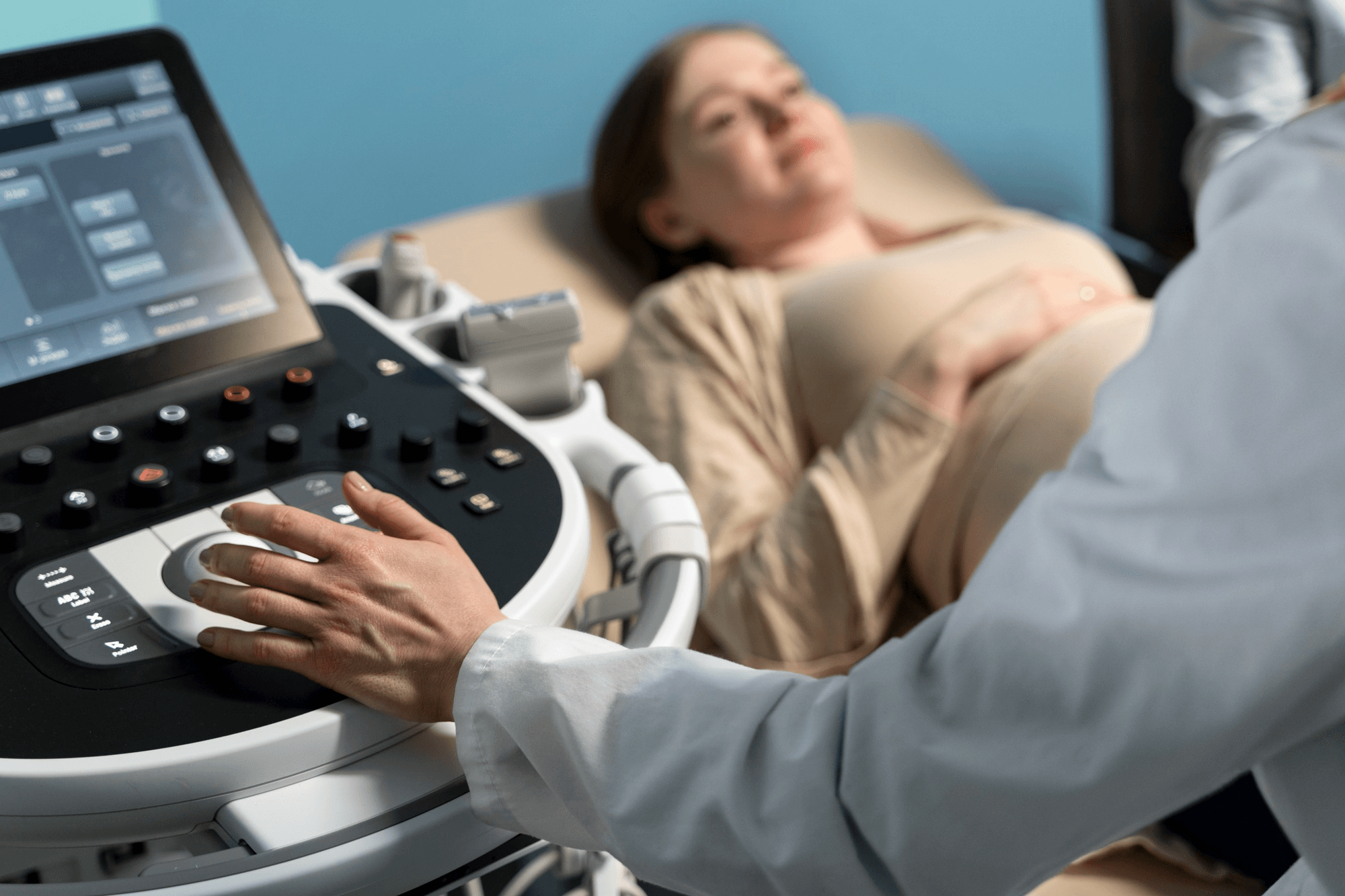
Pelvic adhesions cannot be reliably diagnosed on standard imaging. Ultrasound occasionally shows ovaries that do not move freely when pressure is applied (a "sliding sign" — ovaries that slide freely are less likely to have adhesions; those that do not slide are more likely to have adhesions — but this is operator-dependent and not definitive). MRI can sometimes identify dense adhesion complexes.
The definitive diagnosis of pelvic adhesions requires direct visualisation at laparoscopy.
Laparoscopic Adhesiolysis: The Treatment
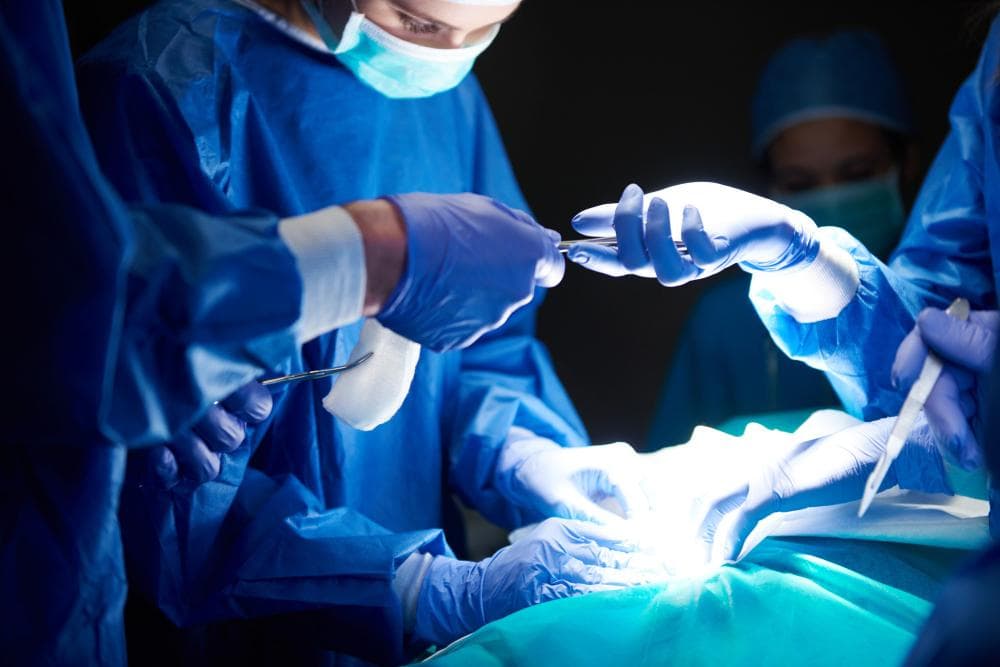
Adhesiolysis — the surgical cutting and release of adhesions — is performed laparoscopically. It is one of the most commonly performed operative laparoscopic procedures in gynaecology.
1. The procedure: The adhesions are identified visually. Using scissors, electrosurgical instruments, or laser, the adhesion bands are carefully divided — freeing the bound organs and restoring their normal anatomical relationships. The adjacent normal structures (bowel, ureter, bladder) must be precisely identified before any adhesion is cut to avoid inadvertent injury.
2. Complexity varies enormously: A single thin adhesion band between the ovary and the pelvic sidewall may take minutes to release. A frozen pelvis with dense, vascular adhesions involving bowel, bladder, and all pelvic organs may require hours of careful dissection by an experienced surgeon.
3. What happens next: The pelvic cavity is irrigated thoroughly after adhesiolysis. Anti-adhesion barriers (hyaluronic acid-based gels or sheets applied to raw surfaces) may be used to reduce re-adhesion risk — particularly after extensive adhesiolysis.
Does Adhesiolysis Work?
1. For pain: Studies consistently show significant improvement in pelvic pain after laparoscopic adhesiolysis — most women experience substantial relief. However, adhesions can reform. The re-adhesion rate after adhesiolysis is not trivial — approximately 20 to 40% of patients form new adhesions at the treated sites. The use of anti-adhesion barriers reduces but does not eliminate this risk.
2. For infertility: The evidence is more nuanced. For mild to moderate peritubal and periovarian adhesions, laparoscopic adhesiolysis significantly improves pregnancy rates. For severe adhesions — particularly post-PID or post-TB frozen pelvis — IVF may achieve better pregnancy rates than attempting tubal reconstruction through adhesiolysis alone.
Pelvic Adhesion Management in Noida and Greater Noida
Dr. Shachi Singh at Prakash Hospital, Sector 33, Noida, performs laparoscopic adhesiolysis for women with adhesion-related pelvic pain and infertility across Noida and Greater Noida.
To book a consultation with Dr. Shachi Singh, call: +91 97023 46853
Clinic Hours: Monday to Saturday, 9 AM – 6 PM | Sunday, 10 AM – 2 PM
Clinic Address: D-12A, 12B, Sector-33, G.B. Nagar, Noida, Uttar Pradesh 201301
This blog is written for educational and informational purposes only. Please consult Dr. Shachi Singh or a qualified laparoscopic surgeon for assessment specific to your symptoms and history.