Medicines During Pregnancy: What's Safe, What to Avoid, and What to Do When You're Unwell

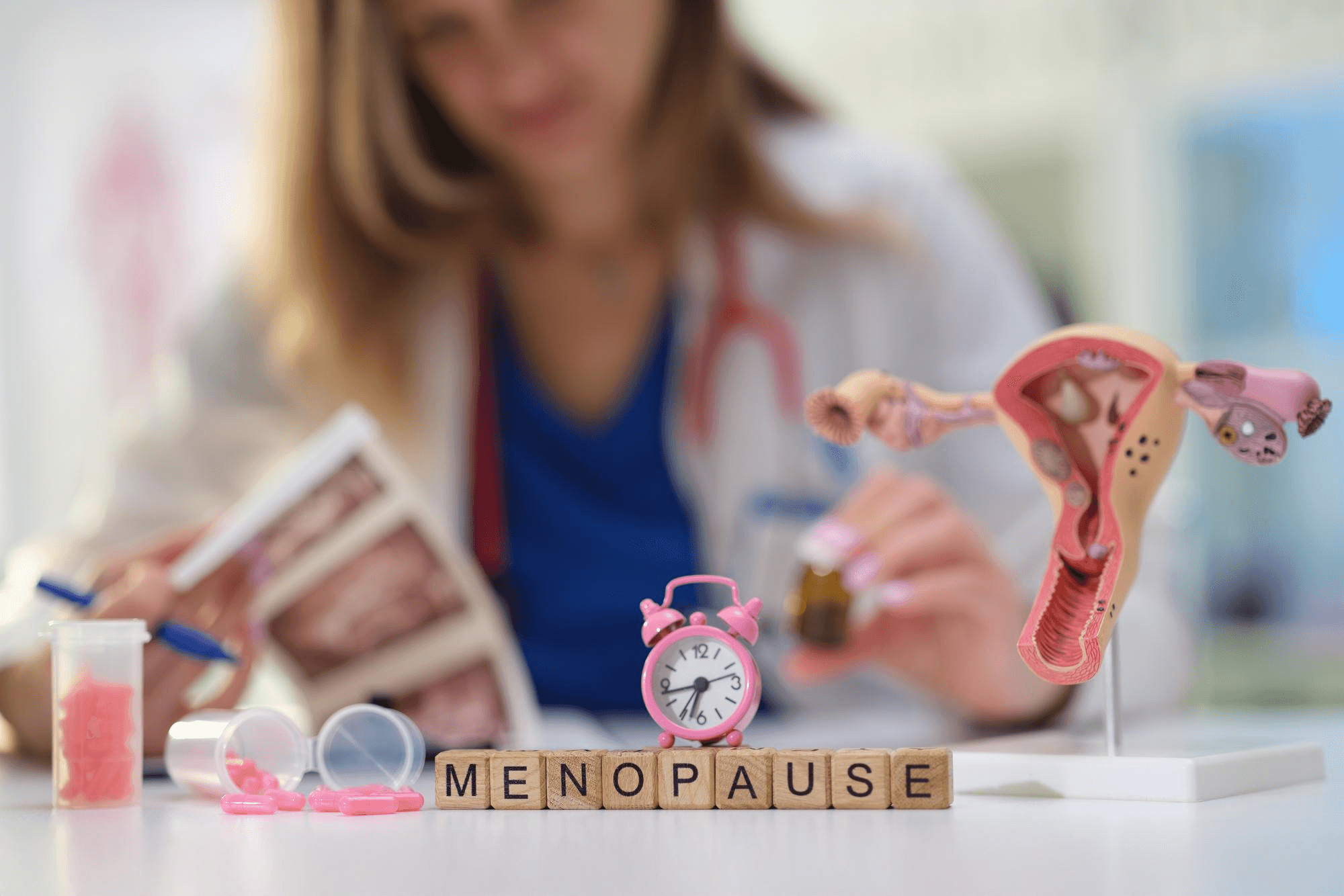
Pregnancy medications, prenatal vitamins, and healthcare essentials displayed together, highlighting the importance of taking only doctor-approved medicines during pregnancy for the health of both mother and baby.
One of the most common fears in pregnancy is taking medication — any medication. The concern is natural: the developing baby is vulnerable, and the worry about accidentally harming it with a tablet is real and understandable. But the overcorrection — avoiding all medication regardless of clinical need — is also a problem. Untreated fever, untreated infection, untreated hypertension, and uncontrolled pain all carry risks of their own.
The practical answer is nuanced: some medicines are safe throughout pregnancy, some are safe in specific trimesters, some should be avoided entirely, and some require careful medical weighing of benefit against risk. The golden rule: never self-medicate beyond the most basic safe preparations, and always inform your obstetrician about anything you take.
Dr. Shachi Singh, consultant obstetrician at Prakash Hospital, Sector 33, Noida, provides a practical guide to medicines in pregnancy.
Safe Medicines: Generally Acceptable Throughout Pregnancy
1. Paracetamol (Acetaminophen / Crocin / Dolo)
The safest and most widely recommended analgesic (pain reliever) and antipyretic (fever reducer) in pregnancy. Used at the standard adult dose (500 mg to 1000 mg, up to three to four times daily as needed), paracetamol is safe throughout all three trimesters.
Use for: Fever, headache, back pain, joint pain, toothache, general pain.
Important: Take the minimum effective dose for the shortest time needed. Paracetamol at recommended doses has an excellent pregnancy safety record. There has been some recent discussion about prolonged, high-dose paracetamol use and fetal effects — but this does not apply to normal short-course use at standard doses for symptom management.
2. Antacids (Calcium Carbonate, Magnesium Hydroxide)
Calcium carbonate-based antacids (Digene, Gelusil, Tums) are safe throughout pregnancy and effective for heartburn. Aluminium-magnesium combinations are also generally safe.
Avoid: Sodium bicarbonate preparations (Eno regularly — causes excessive sodium intake in pregnancy).
3. Antihistamines (for Allergies and Nausea)
Cetirizine, loratadine, and chlorphenamine are considered safe in pregnancy for allergic symptoms. Diphenhydramine (the sedating antihistamine) is used short-term in pregnancy.
Doxylamine (an antihistamine) combined with pyridoxine (B6) is specifically licensed for pregnancy nausea in many countries and considered safe.
4. Oral Rehydration Salts (ORS)
Completely safe throughout pregnancy. Essential during gastroenteritis, vomiting, or significant dehydration from any cause.
5. Vitamin and Mineral Supplements
As prescribed by the obstetrician — iron, folic acid, calcium, Vitamin D, DHA. All safe and important.
Medicines to Use With Caution (Only Under Medical Supervision)
1. Antibiotics
Many antibiotics are safe in pregnancy; some are not. The choice depends on the specific infection, the organism, and the trimester.
Generally safe:
- Penicillins (amoxicillin, ampicillin — though resistance is high for UTIs)
- Cephalosporins (cephalexin, cefuroxime, ceftriaxone)
- Azithromycin (for chlamydia, respiratory infections)
- Nitrofurantoin (for UTI — safe in second trimester; use with caution first and third trimesters)
- Metronidazole (for BV, dental infections — generally safe from second trimester)
- Clindamycin
Avoid:
- Fluoroquinolones (ciprofloxacin, norfloxacin, ofloxacin) — avoid in pregnancy
- Tetracyclines (doxycycline, tetracycline) — causes fetal tooth discolouration and bone effects; avoid after first trimester
- Aminoglycosides (gentamicin) — potential fetal ototoxicity; used only when essential, in hospital
- Co-trimoxazole (Septran, trimethoprim-sulfamethoxazole) — avoid in first trimester and near term
The key principle: Never self-prescribe antibiotics in pregnancy. Always get a proper diagnosis and prescription from your doctor.
2. Antifungals
Topical clotrimazole (cream or pessary for thrush) — safe in pregnancy, though pessaries should be inserted gently without the applicator in later pregnancy.
Oral fluconazole: Generally avoided in the first trimester (some data suggest association with cardiac defects at high doses); used cautiously in the second and third trimester when needed for significant thrush.
3. Antihistamines for Motion Sickness
Promethazine (Phenergan) — used for nausea and motion sickness; safe in pregnancy but causes significant drowsiness.
4. Laxatives
Isabgol, lactulose, polyethylene glycol — safe. Glycerine suppositories — safe occasionally. Senna — generally safe short-term.
Medicines to Avoid in Pregnancy
1. NSAIDs: Ibuprofen, Diclofenac, Aspirin (high dose), Naproxen
The most important class to avoid, particularly in the third trimester. NSAIDs:
- Can cause premature closure of the ductus arteriosus (a fetal blood vessel that should only close after birth) in the third trimester — this is a serious cardiac complication
- Are associated with reduced amniotic fluid (oligohydramnios) in the third trimester
- May impair fetal kidney function
Low-dose aspirin (75 to 150 mg/day) is specifically prescribed for preeclampsia prevention in high-risk women — this is a different clinical context and is doctor-prescribed, not self-medicated.
Bottom line: Never take ibuprofen or diclofenac in pregnancy without specific medical advice. Paracetamol is the safe alternative for pain.
2. Retinoids (Vitamin A derivatives)
Tretinoin, isotretinoin, adapalene, retinol — all absolutely contraindicated. Isotretinoin (Roaccutane) causes severe, predictable birth defects affecting the face, ears, heart, and brain (retinoic acid embryopathy). Topical retinoids also carry risk.
3. ACE Inhibitors and ARBs
Enalapril, ramipril, losartan, telmisartan — used for hypertension and kidney disease outside pregnancy. Cause fetal kidney malformation and neonatal renal failure. Absolutely contraindicated from the second trimester. Blood pressure in pregnancy is managed with methyldopa, labetalol, or nifedipine instead.
4. Warfarin
Causes warfarin embryopathy in the first trimester and fetal bleeding. Replaced with low molecular weight heparin (LMWH) during pregnancy for women with clotting conditions requiring anticoagulation.
5. Methotrexate
Used for rheumatoid arthritis and some skin conditions. Folic acid antagonist — causes fetal abnormalities and is also used medically to terminate ectopic pregnancy. Absolutely contraindicated in ongoing pregnancy.
6. Misoprostol and Mifepristone
Prostaglandin and antiprogestogen used medically for termination of pregnancy and induction of labour. Should not be self-administered outside a medically supervised setting.
7. Herbal Supplements — Caution Required
Many herbal and Ayurvedic preparations are used in India during pregnancy without being assessed for pregnancy safety. Some herbal preparations contain compounds with uterotonic, hepatotoxic, or teratogenic effects. Never assume "herbal" means safe in pregnancy. Always disclose herbal preparations to your obstetrician.
What to Do When You Are Ill During Pregnancy
1. Fever above 38°C: Take paracetamol. Fever in pregnancy — particularly in the first trimester — is a concern because sustained high body temperature has been associated with neural tube defects. Treat fever promptly. If it does not respond to paracetamol or is associated with other symptoms (rash, severe headache, vomiting), contact your doctor.
2. Cold and throat infection: Steam inhalation, warm saline gargling, honey and ginger in warm water — all safe. Paracetamol for fever and pain. Most viral upper respiratory infections resolve without antibiotics. If infection is bacterial or if you are not improving after 5 to 7 days, contact your doctor for appropriate antibiotic prescription.
3. Diarrhoea and vomiting: ORS for rehydration. Small sips of fluid frequently. Contact your doctor if severe, if you cannot keep any fluid down, or if fever accompanies the gastroenteritis.
4. Always tell your doctor before taking anything new. And always tell any doctor — including a dentist, dermatologist, or pharmacist — that you are pregnant before they prescribe or recommend any medication.
Antenatal Care in Noida and Greater Noida
Dr. Shachi Singh at Prakash Hospital, Sector 33, Noida, is available to advise on medication safety during pregnancy for women across Noida and Greater Noida. When in doubt about any medicine — ask before taking it.
To book a consultation with Dr. Shachi Singh, call: +91 97023 46853
Clinic Hours: Monday to Saturday, 9 AM – 6 PM | Sunday, 10 AM – 2 PM
Clinic Address: D-12A, 12B, Sector-33, G.B. Nagar, Noida, Uttar Pradesh 201301
Frequently Asked Questions
1. Is paracetamol safe throughout pregnancy?
Yes — paracetamol (Crocin, Dolo) at standard adult doses is the safest pain and fever medicine in pregnancy. Take the minimum effective dose for the shortest time needed.
2. Can I take ibuprofen for pain in pregnancy?
No — avoid ibuprofen and other NSAIDs in pregnancy, particularly in the third trimester where they can cause serious cardiac and kidney effects in the baby. Use paracetamol instead. If paracetamol does not control the pain, contact your doctor.
3. Is it safe to take antihistamines for allergies in pregnancy?
Cetirizine and loratadine are generally considered safe in pregnancy for allergic symptoms. Always confirm with your obstetrician before starting any new medication.
4. I accidentally took ibuprofen before knowing I was pregnant. Should I be worried?
One or two doses early in pregnancy are very unlikely to cause harm. Once you know you are pregnant, stop NSAIDs. Discuss your specific situation with your obstetrician for reassurance.
This blog is written for educational and informational purposes only. Medication decisions in pregnancy should always involve your obstetrician. Please consult Dr. Shachi Singh for advice specific to your pregnancy and health situation.