Is Laparoscopic Surgery Safe? Risks, Complications, and What the Evidence Actually Shows
By Dr. Shachi SinghUpdated

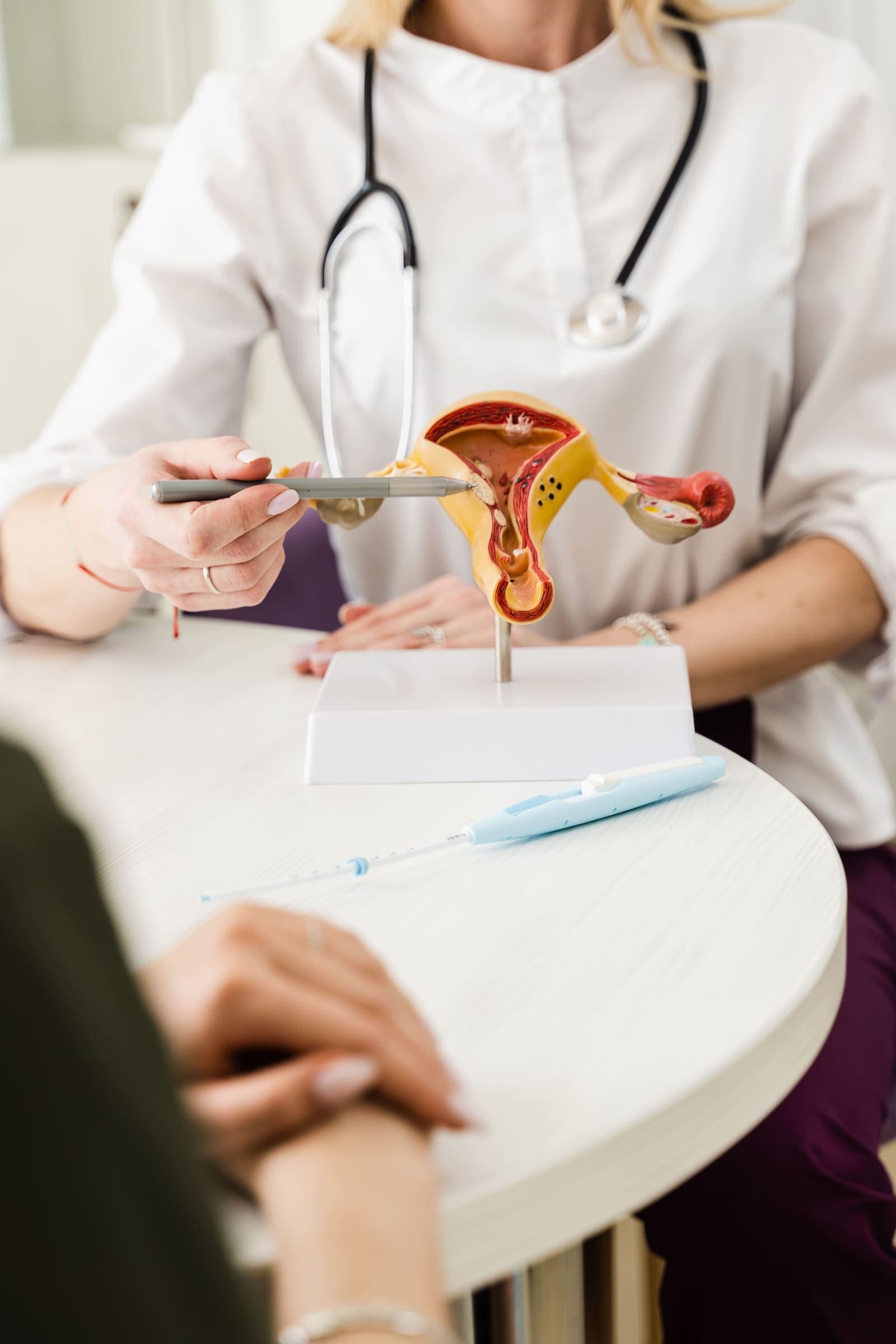
A gynecologist is explaining laparoscopic surgery to a distressed patient during consultation.
When a surgeon recommends laparoscopic surgery, the most common question that follows — said aloud or silently — is: is it safe?
It is the right question to ask. And it deserves a direct answer rather than the kind of reassurance that acknowledges nothing.
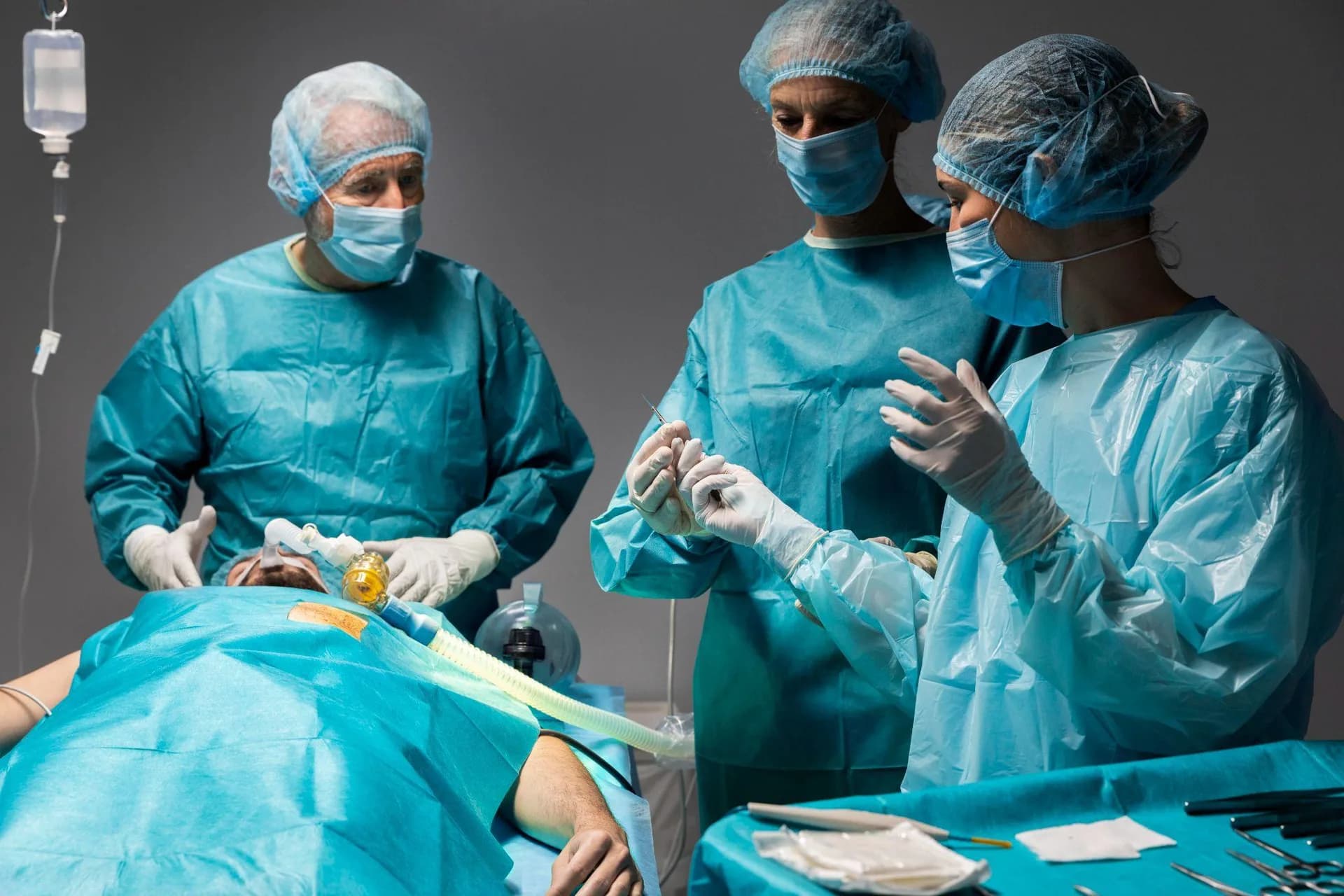
Laparoscopic surgery is safe. The overall complication rate is low. Its safety profile for gynaecological procedures is well-established over decades of clinical data. And for most gynaecological conditions, it is demonstrably safer than open surgery — lower infection rates, less blood loss, fewer wound complications.
At the same time, laparoscopy is surgery. Every surgical procedure carries risk. Those risks are real, worth knowing about, and worth discussing with your surgeon before you consent to any procedure.
Dr. Shachi Singh, consultant gynaecologist and laparoscopic surgeon at Prakash Hospital, Sector 33, Noida, gives an honest, evidence-based account of laparoscopic surgery safety — what the real risks are, how common each one is, what the warning signs are post-operatively, and how the risk profile compares to open surgery for the same conditions.
The Overall Safety Picture
Large-scale clinical evidence consistently shows that:
- The overall major complication rate of laparoscopic gynaecological surgery is approximately 1 to 2 per 1,000 procedures — meaning 998 to 999 out of every 1,000 women who undergo laparoscopic gynaecological surgery do not experience a major complication
- Surgical site infection rates are approximately half those seen with comparable open surgery
- Blood loss is significantly lower than open surgery for the same procedure
- Anaesthesia-related complications are the same regardless of surgical approach — they depend on patient health and anaesthesia management, not on laparoscopy specifically
- The most commonly cited risk that is specific to laparoscopy — entry-related injury — occurs in approximately 1 to 4 per 10,000 procedures
These are population-level statistics. Your individual risk depends on your specific health status, the specific procedure being performed, and the experience of your surgeon.
The Real Risks — Specific and Honest
1. Anaesthesia Risks
General anaesthesia is required for laparoscopic gynaecological surgery. Anaesthesia risks are not specific to laparoscopy — they are the same for any procedure under general anaesthesia.
Common and minor: Nausea and vomiting post-anaesthesia (very common, managed with anti-emetics), sore throat from the breathing tube, temporary confusion on waking.
Uncommon and significant: Allergic reaction to anaesthetic agents (rare but managed immediately in theatre), respiratory complications (more relevant in women with pre-existing lung conditions).
Serious and rare: Anaesthesia-related mortality is estimated at approximately 1 in 100,000 to 1 in 200,000 in low-risk patients in well-equipped hospitals. Your anaesthesiologist assesses your individual risk and optimises your care accordingly.
2. Carbon Dioxide Gas Insufflation Risks
The gas used to inflate the abdomen creates working space but also carries specific considerations:
Shoulder and collarbone pain post-operatively: Very common (not a complication — an expected post-operative experience). The CO2 irritates the diaphragm and is felt as referred pain in the shoulder. Resolves within 24 to 48 hours.
Gas embolism: A rare but serious complication where gas enters a blood vessel rather than the peritoneal cavity. Occurs in less than 1 in 10,000 laparoscopic procedures. Detected and managed intraoperatively by the anaesthesia team.
Effects of pneumoperitoneum on circulation: The raised intraabdominal pressure from insufflation can affect venous return to the heart. This is routinely managed by the anaesthesia team. More relevant in patients with pre-existing heart or lung conditions.
3. Entry-Related Injuries
The most discussed risk specific to laparoscopy is the potential for injury to abdominal structures during the initial entry — insertion of the Veress needle (used to insufflate gas) or the primary trocar (the cannula through which the laparoscope is inserted).
What can be injured: The bowel, large blood vessels (aorta, inferior vena cava), bladder, or other structures underlying the entry point.
How common: Reported in approximately 1 to 4 per 10,000 laparoscopic procedures — significantly less common than many patients imagine when they hear about it.
How it is managed: Most entry injuries are identified immediately during the procedure and repaired. The outcome depends on what was injured, how quickly it is identified, and how the repair is performed. Major vascular injury — the rarest but most serious — requires immediate open conversion and vascular repair.
How risk is reduced: Experienced laparoscopic surgeons use established entry techniques that minimise this risk. Women with previous abdominal surgery — which may have created adhesions near entry points — represent a higher-risk group where modified entry techniques are used.
4. Intraoperative Bleeding
Significant intraoperative bleeding is uncommon in laparoscopic gynaecological surgery. The laparoscopic view magnifies the operative field, allowing precise identification and control of bleeding vessels. Blood loss with laparoscopy is significantly less than open surgery for equivalent procedures.
When significant bleeding does occur intraoperatively, the management options are:
- Laparoscopic control with coagulation or suture
- Conversion to open surgery (laparotomy) to control the bleeding directly
Conversion to open surgery is not a surgical failure — it is an intraoperative decision made in the patient's best interest when the laparoscopic approach cannot safely manage a developing situation. It happens in approximately 1 to 3% of laparoscopic gynaecological procedures. Women should be aware of the possibility and understand that it represents clinical good judgement, not a problem.
5. Injury to Adjacent Organs
During dissection and tissue manipulation, adjacent structures — bladder, ureters (tubes carrying urine from kidneys to bladder), bowel — can be inadvertently injured.
Bladder injury: More common during laparoscopic hysterectomy because the bladder attaches to the lower uterus and must be dissected free. Recognised intraoperatively in most cases and repaired laparoscopically or with open conversion. Incidence approximately 1 in 100 to 200 in hysterectomy.
Ureteric injury: Less common than bladder injury. When unrecognised at the time of surgery, it presents in the days after surgery with fever, flank pain, and changes in urine output. Managed with urological intervention when identified.
Bowel injury: Risk is higher in women with adhesions from previous surgery, endometriosis involving the bowel, or pelvic inflammatory disease. Recognised bowel injury during laparoscopy is repaired at the time; a delayed presentation (fever, severe abdominal pain, and distension 2 to 5 days post-surgery) suggests an injury missed intraoperatively and requires urgent evaluation.
6. Infection
Post-operative infection after laparoscopic surgery is less common than after open surgery — because the incisions are smaller and the operative wound is less extensive. Wound infection at the small incision sites occurs in approximately 1 to 2% of laparoscopic procedures. Internal infection (peritonitis) is rare.
Signs of infection: Increasing redness, swelling, warmth, or discharge at an incision site; fever above 38°C; worsening rather than improving abdominal pain.
7. Blood Clots (Deep Vein Thrombosis / Pulmonary Embolism)
Any surgery carries a risk of blood clot formation in the deep veins of the legs (DVT) or, if the clot travels, in the lungs (pulmonary embolism). Laparoscopic surgery carries lower DVT risk than open surgery because recovery is faster, mobility returns sooner, and the surgical trauma is less.
Risk is minimised through: walking within hours of surgery, compression stockings, and anticoagulant medication (usually low-molecular-weight heparin) for higher-risk patients.
DVT symptoms to watch for: pain, swelling, or redness in one calf. Pulmonary embolism symptoms: sudden chest pain, difficulty breathing, rapid heart rate. These require emergency evaluation.
8. Hernia at Port Sites
The small incisions used for trocar insertion, particularly 10 to 12 mm incisions, can occasionally be the site of hernias if the fascial layers are not properly closed. This is uncommon with good surgical technique. Presents as a persistent bulge or discomfort at an incision site weeks to months after surgery.
Reducing Your Individual Risk
Risk is not fixed — it is modifiable by preparation and surgeon selection.
Your health before surgery: Well-controlled blood pressure, blood sugar, and haemoglobin before elective surgery reduce operative risk. If you smoke, stopping before surgery significantly reduces respiratory and wound healing risk. Your surgeon may recommend an optimisation window before elective procedures.
Your surgeon's experience: Laparoscopic surgery is skill-dependent. A surgeon who performs high volumes of the specific procedure you need will have lower complication rates than one who performs it infrequently. Asking your surgeon how many of the specific procedure they perform annually is a completely reasonable and appropriate question before consenting to surgery.
Informed consent: A proper consent discussion covers the real risks — not just the common minor ones — and gives you the information to make a genuine decision. If you leave a pre-operative appointment not knowing what the risks are, ask again.
When to Seek Urgent Help After Laparoscopy
Most recoveries are smooth. These symptoms require prompt action:
Call your surgeon: Fever above 38°C, increasing abdominal pain after initial improvement, redness or discharge from an incision site, inability to urinate, heavy vaginal bleeding.
Go to emergency immediately: Sudden severe abdominal pain, fever above 39°C, chest pain or difficulty breathing, leg swelling with pain, heavy uncontrolled bleeding.
Do not wait and see if these symptoms settle. If they are serious, time matters. If they turn out to be nothing significant, no harm is done by being seen.
Laparoscopic Surgery in Noida and Greater Noida
Dr. Shachi Singh at Prakash Hospital, Sector 33, Noida, performs laparoscopic gynaecological surgery for women across Noida and Greater Noida. Pre-operative consent discussions are a standard part of care — you will know the real risks, the alternatives, and what to expect before you agree to any procedure.
To book a consultation with Dr. Shachi Singh, call: +91 97023 46853
Clinic Hours: Monday to Saturday, 9 AM – 6 PM | Sunday, 10 AM – 2 PM
Clinic Address: D-12A, 12B, Sector-33, G.B. Nagar, Noida, Uttar Pradesh 201301
Frequently Asked Questions
1. What is the most serious risk of laparoscopic surgery?
Entry-related injury to a major blood vessel is the most immediately life-threatening potential complication, but it occurs in less than 1 in 10,000 procedures. Organ injury (bladder, ureter, bowel) is more common but still rare and usually manageable when identified promptly.
2. Is laparoscopy safer than open surgery?
For most gynaecological conditions, yes. Laparoscopy has significantly lower infection rates, less blood loss, fewer wound complications, and faster recovery than open surgery for equivalent procedures. The risks specific to laparoscopy (entry injury, gas complications) are uncommon and generally outweighed by its advantages.
3. What happens if a complication occurs during laparoscopy?
Complications identified during the procedure are managed immediately — either laparoscopically or, if necessary, by converting to open surgery. Delayed complications (signs of infection, organ injury missed intraoperatively) are managed when identified. Most complications have good outcomes when caught and treated promptly.
4. Can I refuse laparoscopy and have open surgery instead?
Yes. You have the right to be informed about surgical options and to make a decision. Your surgeon will explain which approach they recommend and why, and will inform you of the alternatives. For most gynaecological conditions, laparoscopy is both the standard and the safer choice, but your preference and medical circumstances are both part of the decision.
This blog is written for educational and informational purposes only. Please consult Dr. Shachi Singh or a qualified gynaecological surgeon for a full assessment of surgical risks and benefits specific to your condition and health status.