Labiaplasty in India: What It Is, Who It Helps, and What to Expect

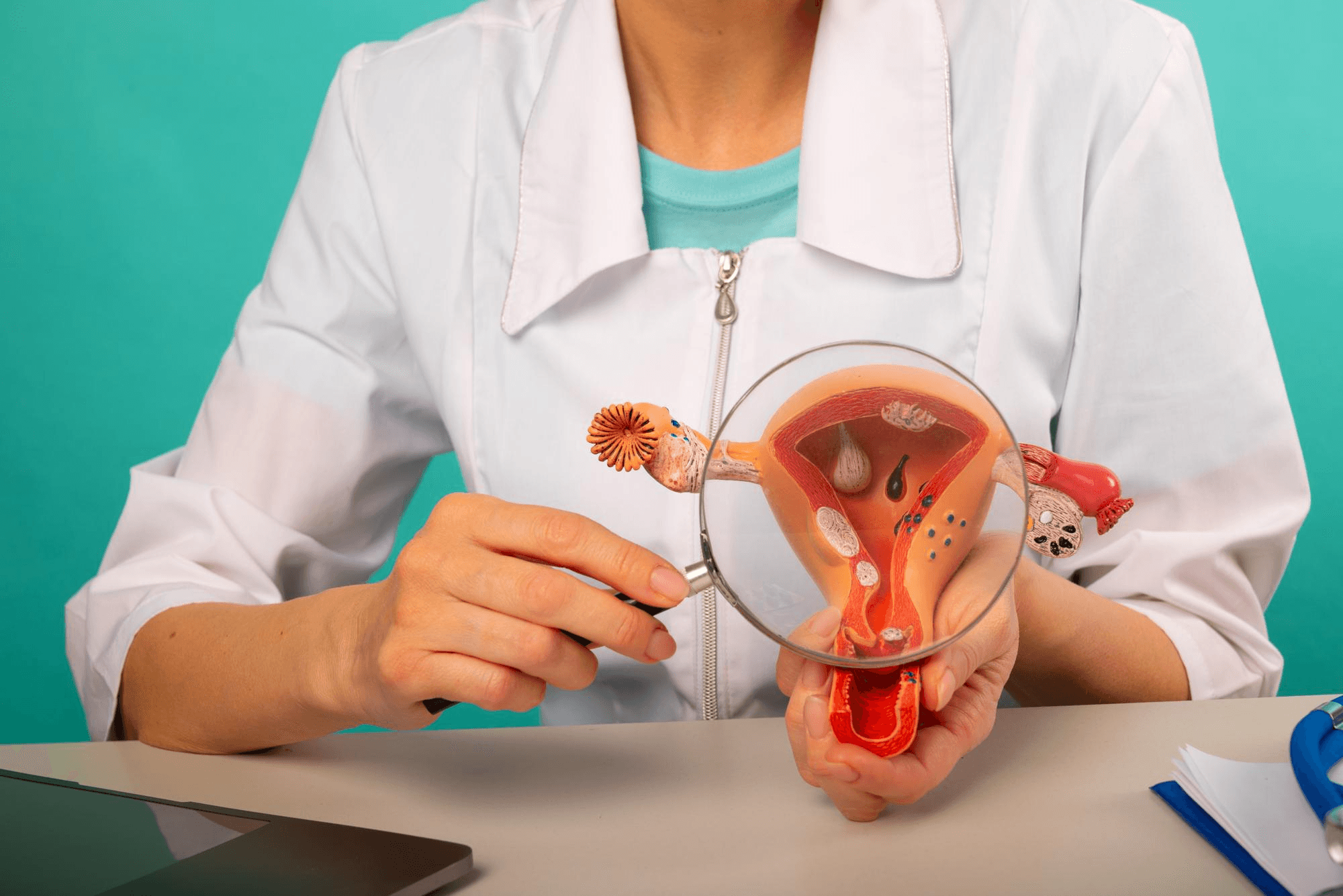
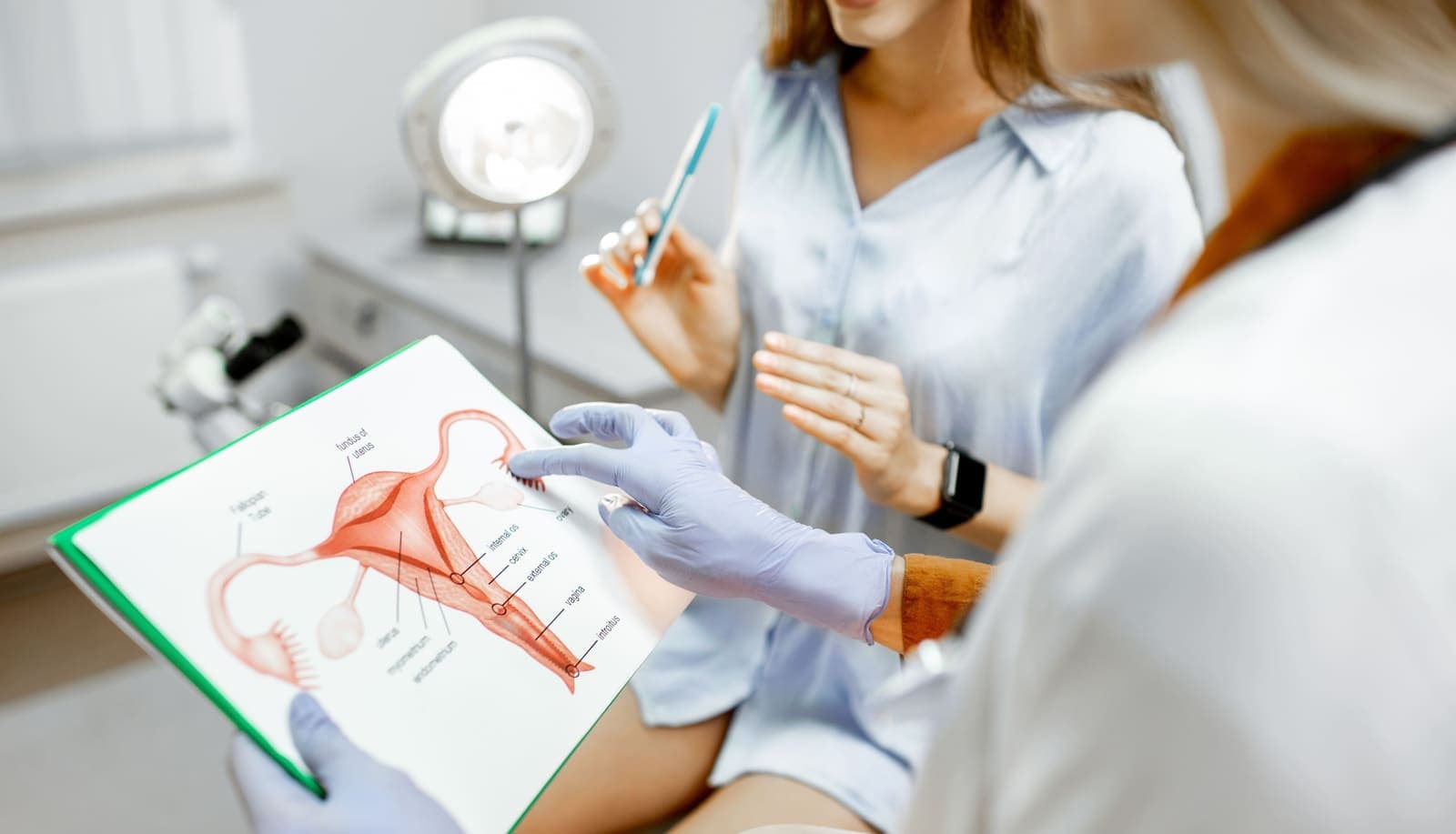
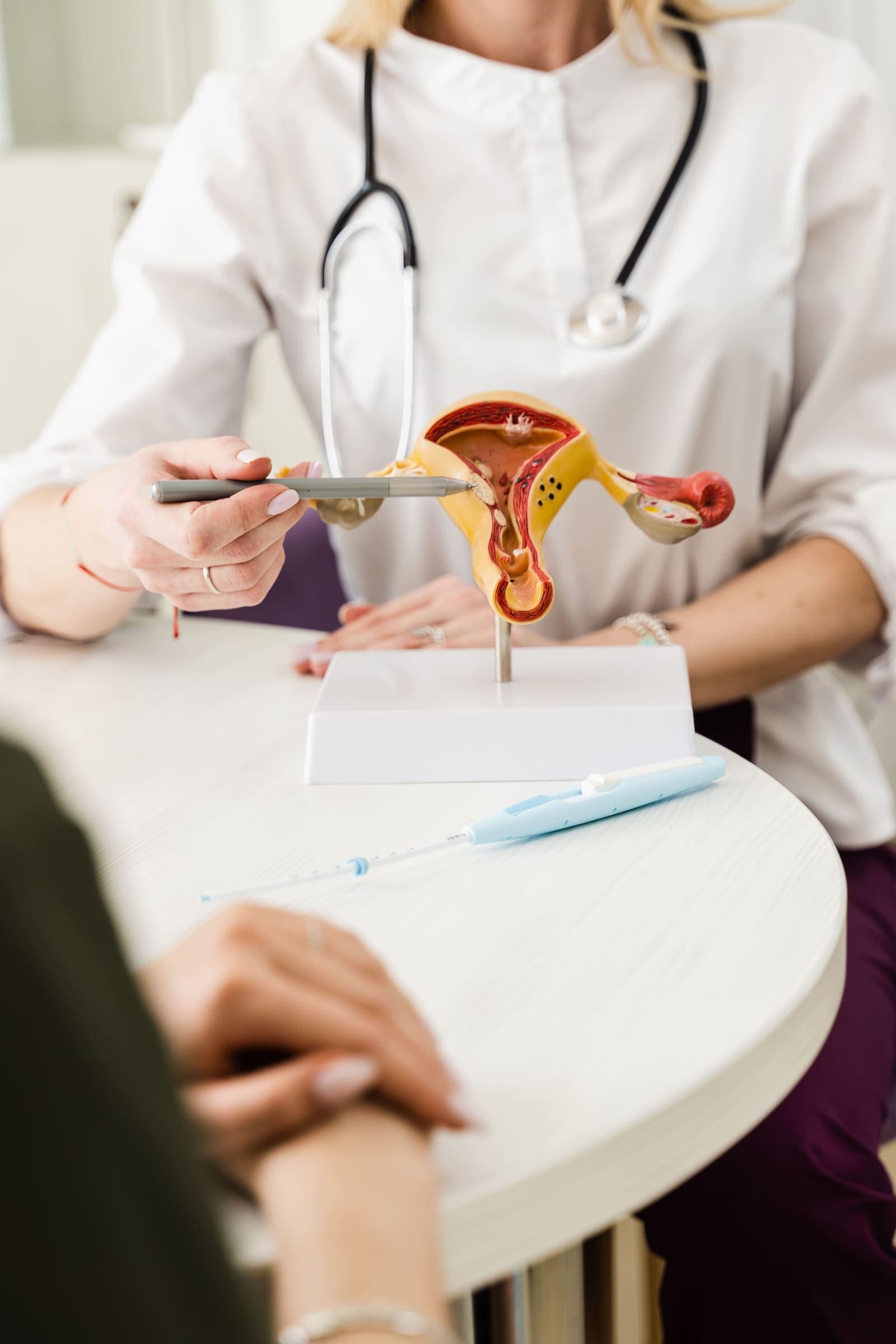
Consultation for a labiaplasty in a pleasant and well-lit clinic setting
Labiaplasty — surgical reshaping or reduction of the labia minora (the inner lips of the vulva) — is the most commonly requested cosmetic gynaecological procedure globally, and its uptake in India has grown significantly in the past decade. It is also one of the most complex procedures to counsel about, because the motivations, the realistic outcomes, and the risk-benefit balance vary substantially between individual women.
Dr. Shachi Singh, consultant gynaecologist at Prakash Hospital, Sector 33, Noida, provides a balanced, honest overview.
Who Seeks Labiaplasty — and Why
Women who seek labiaplasty fall into two broad groups, with significant overlap:
Functional reasons: Enlarged or asymmetrical labia minora that cause physical discomfort — chronic irritation from tight clothing, discomfort during exercise (cycling, running, yoga), pain during sexual intercourse, difficulty inserting tampons or menstrual cups, recurrent friction and skin breakdown. These are legitimate physical complaints with identifiable anatomy as the cause.
Aesthetic reasons: Dissatisfaction with the appearance of the labia, influenced by unrealistic media representations, peer comparison, partner comments, or internalised standards about what female genitalia "should" look like. This is the more complex motivation — labiaplasty for purely aesthetic reasons requires careful psychological assessment, realistic expectation-setting, and an understanding of the enormous natural variation in normal labial anatomy.
Both functional and aesthetic motivations are valid if the woman's request is autonomous, informed, and not driven by coercion or body dysmorphic disorder.
What Is Normal Labial Anatomy
This is the most important context for any labiaplasty conversation. The labia minora vary enormously between women in size, shape, colour, symmetry, and texture. Studies of normal labial anatomy show ranges from 7 mm to over 50 mm in labial width — all within the spectrum of normal. Neither protruding labia minora (labia that extend beyond the labia majora) nor any particular shape or symmetry defines "abnormal."
Pornography and some mainstream media present a homogenised and unrealistic representation of vulval anatomy. Women comparing themselves to these representations and requesting labiaplasty based on this comparison deserve a conversation about the diversity of normal anatomy before any surgical decision.
The Procedure
Labiaplasty is performed under general or local anaesthesia with sedation, typically as a day-case procedure.
Trim technique: The simplest approach — excess tissue is removed along the free edge of the labia minora, reducing protruding tissue. Produces a straight or slightly curved edge.
Wedge technique: A V-shaped wedge of tissue is removed from the middle of the labia, and the remaining tissue is sutured together. Preserves the natural labial edge and allows more aesthetic contouring. Technically more demanding.
Excess prepuce reduction: Some women additionally request reduction of the clitoral hood. This is approached with particular caution given the proximity to the clitoris and the risk of affecting sensation.
Operating time: 45 minutes to 1.5 hours. Dissolvable sutures are used.
Recovery
Week 1: Significant swelling and bruising. Mild to moderate pain managed with paracetamol and ice packs. Wearing loose clothing. Rest is important. Brief, gentle showers from Day 2.
Weeks 2 to 4: Swelling reducing. Sutures dissolving. Continue avoiding tight clothing and friction. Sexual intercourse must be avoided for 6 to 8 weeks.
6 to 8 weeks: Most women have returned to normal activities. Intercourse can resume after surgeon review confirms healing. Final aesthetic result takes 3 to 6 months to be fully apparent as swelling fully resolves.
Realistic Outcomes and Risk
Outcomes: Most women who have labiaplasty for functional reasons report significant improvement in comfort. Satisfaction rates in well-selected patients are high — approximately 90 to 95% in published series.
Risks: Haematoma (bleeding under the skin), infection, wound breakdown (particularly with tight sutures under tension), altered sensation (numbness or hypersensitivity — typically temporary), asymmetry, scarring, and the need for revision surgery. Under-resection (not enough removed) and over-resection (too much removed, causing tightness and scarring) are both possible.
Who Should Not Have Labiaplasty
Women whose primary motivation is to match a media-constructed ideal of how the genitals "should" look, without any functional complaint, should be carefully counselled. Women with body dysmorphic disorder — where the perceived deformity is not objectively present — should be referred for psychological assessment rather than surgery.
Cosmetic Gynaecological Care in Noida and Greater Noida
Dr. Shachi Singh at Prakash Hospital, Sector 33, Noida, provides consultation and assessment for labiaplasty and cosmetic gynaecological procedures for women across Noida and Greater Noida.
To book a consultation with Dr. Shachi Singh, call: +91 97023 46853
Clinic Hours: Monday to Saturday, 9 AM – 6 PM | Sunday, 10 AM – 2 PM
Clinic Address: D-12A, 12B, Sector-33, G.B. Nagar, Noida, Uttar Pradesh 201301
This blog is written for educational and informational purposes only. Please consult Dr. Shachi Singh for a personalised assessment before considering any cosmetic gynaecological procedure.