Hydrosalpinx: What It Is and Why It Matters for Fertility

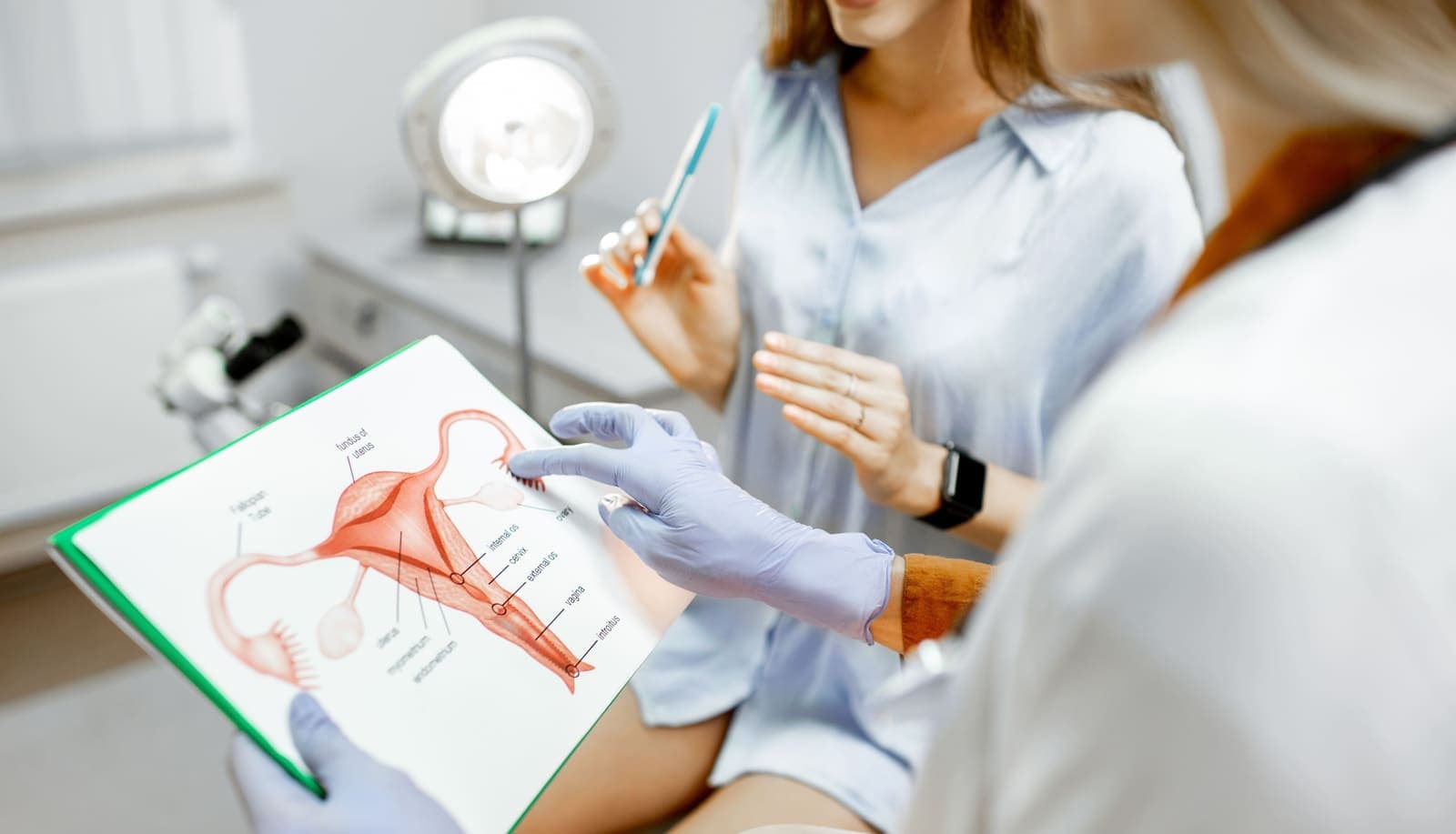
A woman explaining her problems to a gynecologist about her infertility in a clinic, seeking help from medical experts for help.
A hydrosalpinx — a fallopian tube that is blocked at its far end and filled with fluid — is one of the most fertility-damaging conditions a gynaecologist can find on ultrasound or during laparoscopy. It is also one of the most important to address before attempting IVF, because the evidence is clear that an untreated hydrosalpinx significantly reduces IVF success rates.
Dr. Shachi Singh, consultant gynaecologist and fertility specialist at Prakash Hospital, Sector 33, Noida, explains.
How a Hydrosalpinx Forms
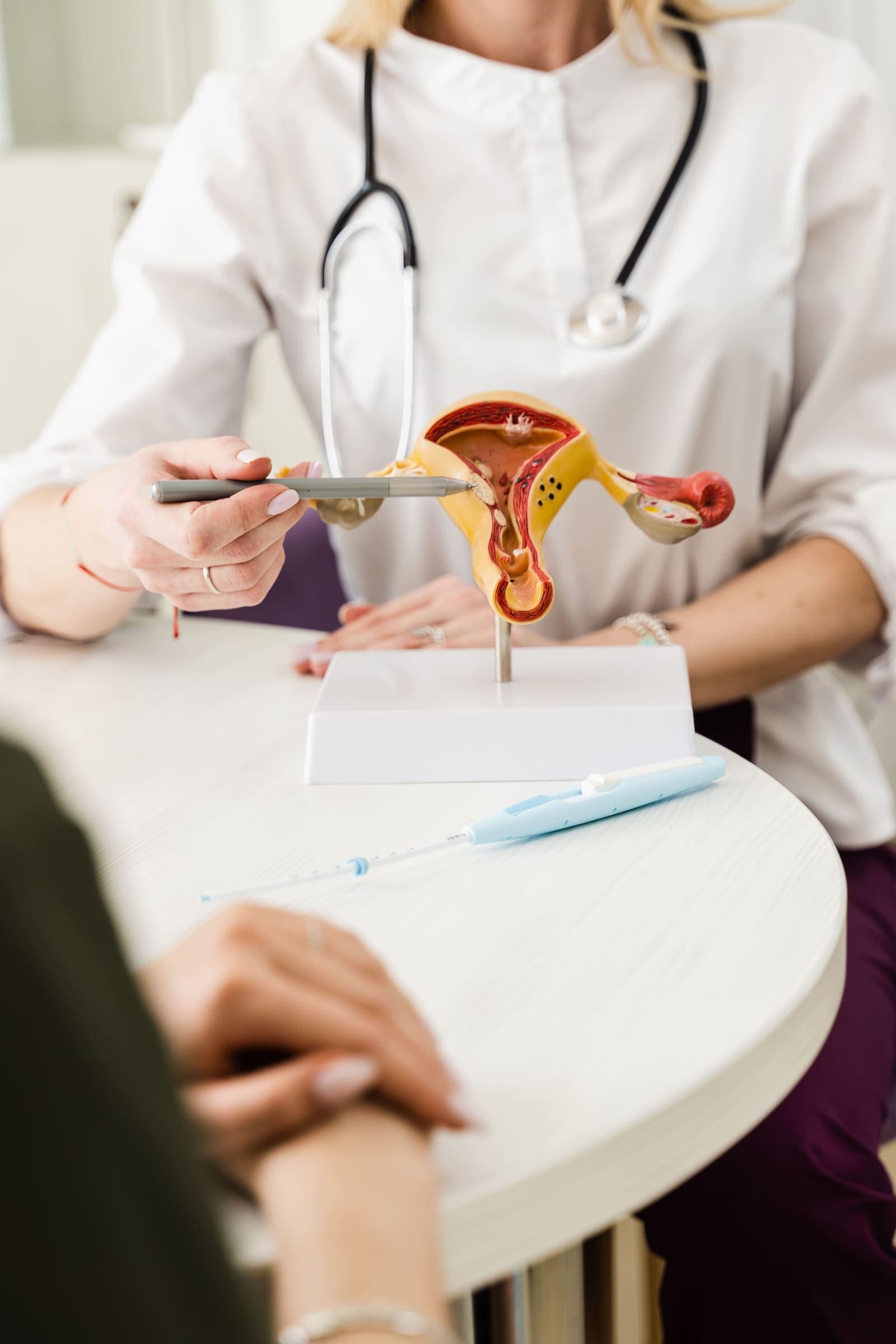
The fallopian tube is normally a delicate, open structure — open at the fimbriated end to capture the released egg, and open at the uterine end to allow fertilised eggs and sperm to pass. When the fimbriated end becomes scarred and sealed — most commonly from a previous pelvic infection (PID from chlamydia or gonorrhoea being the most common cause) — fluid produced by the tubal lining cannot drain. It accumulates, distending the tube into a sausage-shaped, fluid-filled structure visible on ultrasound.
Other causes: Previous pelvic surgery, endometriosis, tuberculosis (a significant cause in India), or previous ectopic pregnancy treatment.
How Hydrosalpinx Impairs Fertility
Mechanical obstruction: A tube blocked at its distal end cannot capture eggs at ovulation or transport sperm. If both tubes are hydrosalpingeal, natural conception is impossible. If only one is affected, fertility is reduced.
The toxic fluid effect on IVF: This is the most clinically critical aspect. The fluid within a hydrosalpinx is not simply water — it contains inflammatory cytokines, endotoxins, and other compounds toxic to embryos. This fluid can reflux back into the uterine cavity, where it:
- Is directly toxic to the developing embryo
- Impairs endometrial receptivity (reduces the ability of the lining to support implantation)
- Physically washes out embryos placed during IVF transfer
The evidence is unambiguous: Multiple randomised controlled trials show that women with hydrosalpinges have IVF success rates approximately 50% lower than women without — and that treating the hydrosalpinx (by laparoscopic salpingectomy) before IVF restores success rates close to those of women without hydrosalpinges.
Diagnosis
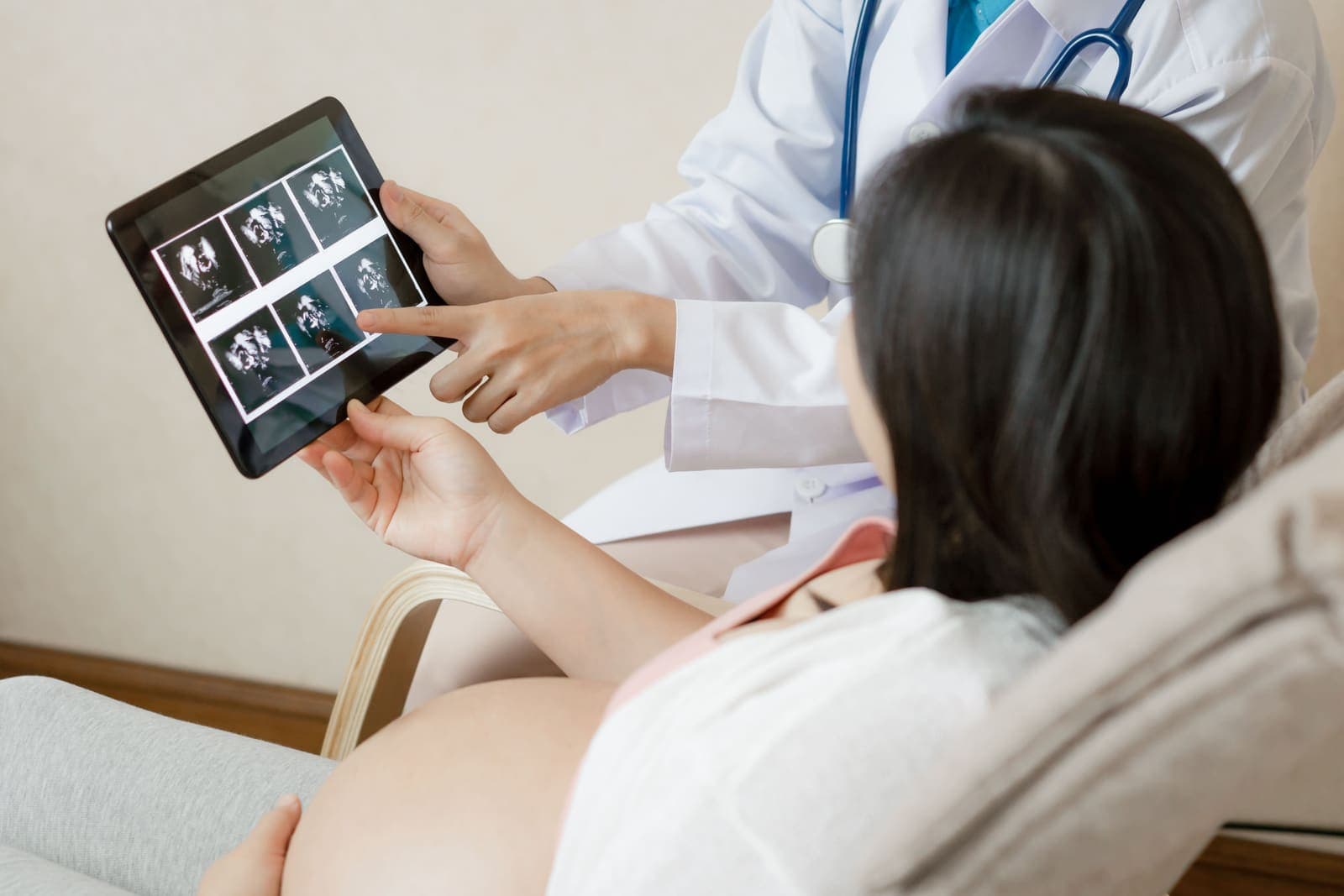
Ultrasound: A hydrosalpinx is often visible on transvaginal ultrasound as a tubular, fluid-filled, elongated structure adjacent to the ovary. The characteristic appearance — longitudinal folds visible inside the tube on ultrasound — helps confirm the diagnosis. Small hydrosalpinges can be missed on routine ultrasound.
Hysterosalpingography (HSG): Dye injected through the cervix into the uterus and tubes under X-ray fluoroscopy — shows the tube filling with contrast and the absence of spill at the fimbriated end in a hydrosalpinx.
Laparoscopy with chromopertubation: The definitive investigation — direct visualisation of the tubes and the absence of dye spill through the blocked fimbriated end.
Treatment Options
Laparoscopic salpingectomy: Surgical removal of the affected tube(s). The definitive and most effective treatment before IVF. Removes the source of toxic fluid entirely. Recommended for women planning IVF with a visible hydrosalpinx. Preserves the ovary.
Laparoscopic salpingostomy (opening the tube): Creating a new opening at the fimbriated end — an attempt to restore tubal function. Success depends on the degree of tubal damage. Appropriate for women wanting to try natural conception; less commonly performed before IVF where salpingectomy is preferred.
Tubal occlusion (clipping or coagulating the proximal tube): Blocking the tube at the uterine end — preventing reflux of hydrosalpinx fluid into the uterine cavity without removing the tube. An alternative to salpingectomy when the tube is very adherent and full salpingectomy is technically difficult.
Ultrasound-guided aspiration: Draining the hydrosalpinx fluid under ultrasound guidance just before IVF egg retrieval — reduces the fluid burden temporarily. Less effective than surgical treatment but an option when surgery is not possible.
After Treatment: Fertility Outcomes
After laparoscopic salpingectomy of a hydrosalpinx, IVF success rates improve significantly — to levels close to those of women without tubal disease. Natural conception through the remaining tube (if the other side is open) is also possible in some women after unilateral salpingectomy.
Fertility Care in Noida and Greater Noida
Dr. Shachi Singh at Prakash Hospital, Sector 33, Noida, diagnoses and manages hydrosalpinx — including laparoscopic salpingectomy before IVF — for women across Noida and Greater Noida.
To book a consultation with Dr. Shachi Singh, call: +91 97023 46853
Clinic Hours: Monday to Saturday, 9 AM – 6 PM | Sunday, 10 AM – 2 PM
Clinic Address: D-12A, 12B, Sector-33, G.B. Nagar, Noida, Uttar Pradesh 201301
This blog is written for educational purposes only.