Ovulation Symptoms: How To Know When You Are Fertile
By Dr. Shachi SinghUpdated

A pregnancy test rests on a calendar with the ovulation days marked, showing how people track their cycles for fertility awareness.
Ovulation marks the time when a woman’s body is at its most fertile. It happens roughly halfway through the menstrual cycle, right when an ovary releases an egg that’s ready for fertilization. If you want to get pregnant, noticing ovulation signs makes a big difference.
You might see your cervical mucus become clearer and more slippery, feel a small bump in your basal body temperature, or notice some mild aches in your lower abdomen. Sometimes your sex drive goes up, too. Keeping tabs on these changes lets you pinpoint your best chance for conception and approach your fertility with more clarity and confidence.
10 Ovulation Signs and Symptoms To Know You Are Fertile
Figuring out when you’re ovulating can really help if you’re trying to get pregnant or just want to track your cycle naturally. Ovulation happens once each cycle, usually right in the middle, when your ovary releases an egg. Some women barely notice a thing, but others get all sorts of signs and signals from their bodies.
1. Changes in Cervical Mucus
Probably the clearest sign is your cervical mucus. As ovulation gets closer, it turns clear, slippery, and stretchy; think raw egg whites. This kind of mucus is perfect for helping sperm reach the egg.
2. Slight Rise in Basal Body Temperature
If you’re tracking your basal body temperature (BBT), you’ll spot a small bump, about 0.3–0.5°C, after ovulation. This is due to progesterone, and while the temperature jump means ovulation already happened, keeping track can help you predict your fertile days next time.
3. Mild Pelvic or Abdominal Pain (Mittelschmerz)
Some feel a dull ache or sharp pain on one side of their lower belly when ovulation kicks in (it’s called mittelschmerz). It doesn’t last long, sometimes just a few minutes or hours, and usually happens when the egg is released.
4. Increased Libido
You might notice your sex drive shoots up around ovulation. It’s your body’s way of boosting the odds of pregnancy when you are most fertile.
5. Breast Tenderness
Hormones are busy after ovulation, especially progesterone, and your breasts can feel sore or more sensitive. It’s pretty similar to the tenderness you can get before your period.
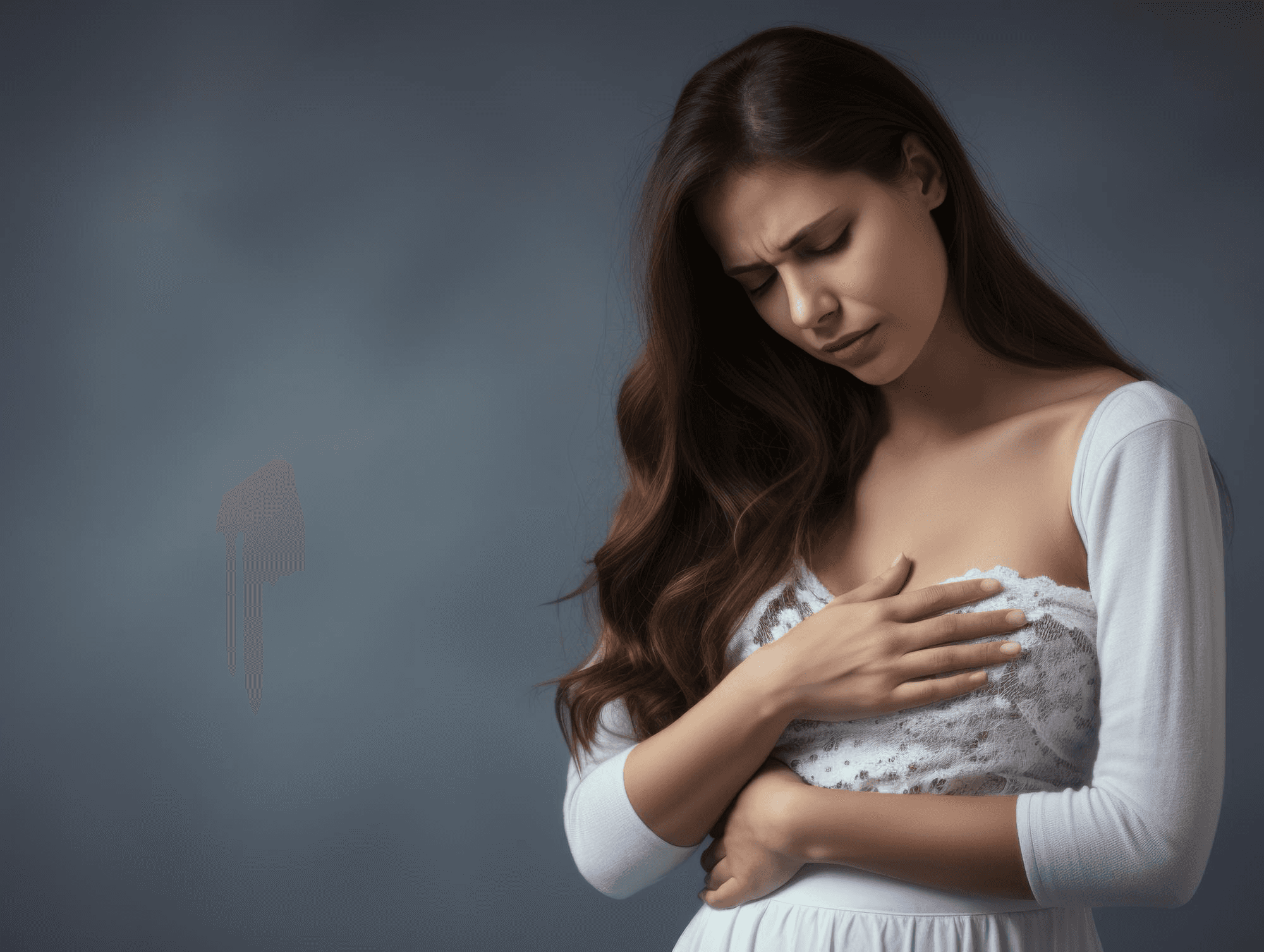
A woman stands with her hand on her chest, showing how hormonal changes during ovulation can cause breast tenderness.
6. Changes in Cervical Position
When you’re ovulating, your cervix will move up, become softer, and even more open. This makes it easier for a sperm cell to enter. This one’s a bit hard to spot unless you get a little practice, but some women claim this works.
7. Light Spotting or Discharge
A little bit of spotting or pinkish-brown discharge can show up around ovulation, often because of hormonal shifts or the egg bursting free from the follicle.
8. Heightened Sense of Smell or Taste
Some women find that their sense of smell or taste gets stronger. It is subtle and tied to rising estrogen levels, but it is one of those curious symptoms you might notice.
9. Bloating or Abdominal Fullness
You might feel a bit bloated or just kind of full in your abdomen around ovulation. It’s not super common, but it’s another hint that your body is in the fertile phase.
10. Positive Ovulation Predictor Kit Result
Nothing beats an ovulation predictor kit for accuracy; they check for a surge in luteinizing hormone (LH) about 24–36 hours before ovulation. Get a positive result, and you know those fertile days are right around the corner.
Paying attention to these signs gives you a good shot at figuring out your most fertile days, whether you’re planning, preventing, or just curious about your cycle.
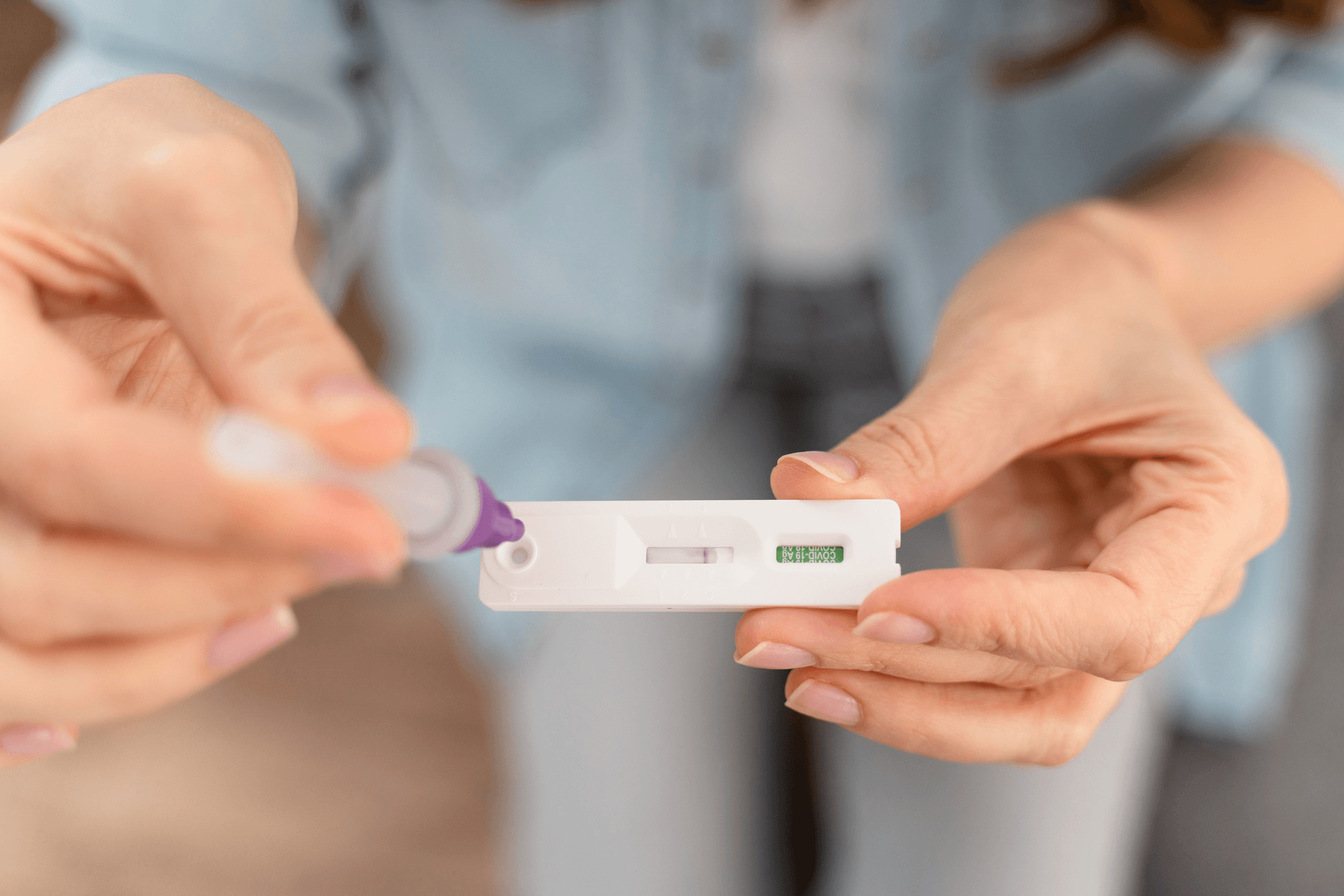
A woman uses an ovulation kit, making it clear how to spot fertile days at home.
Final Thoughts
Monitoring your ovulation symptoms can really put you in touch with your body and your fertility. Though everybody's symptoms can be unique, being aware of signs like cervical mucus, temperature, and hormonal shifts can offer reliable evidence. You'll be empowered to make confident choices for pregnancy planning or general wellness when you can recognize and interpret your cycle's indicators.
Expert Care With Dr. Shachi Singh
Struggling with tracking your ovulation or other fertility concerns? Dr. Shachi Singh is an experienced gynecologist, obstetrician, and laparoscopic surgeon who will provide care personalized to your specific circumstances, whether you need assistance with ovulation tracking or infertility treatment. Do not leave such a critical part of your life to luck alone.
Book your appointment today and take charge of your reproductive health.
Frequently Asked Questions (FAQs)
1. What are the signs of ovulation in women?
The signs of ovulation in women include mittelschmerz, which is a minor pain in the lower abdomen, increased amounts of clear and stretchy fluid with an egg-white consistency, a minor increase in basal body temperature, increased sex drive, breast tenderness, and increased sensitivity to smells.
2. Does ovulation ensure pregnancy with 100% certainty?
No, pregnancy is not ensured with 100% certainty during ovulation, despite there being the greatest possibility of pregnancy. There are many elements that contribute to whether a pregnancy will occur. The health of the sperm, the quality of the eggs, the quality of intercourse, as well as other factors, contribute. With perfect timing, only a 20-30% chance of pregnancy is ensured, not 100%.
3. How many days does it take to become pregnant after ovulation?
It does not take just one day to get pregnant after ovulation. Fertilization happens 12 to 24 hours after ovulation, given that there is sperm present. However, because sperm can survive inside the female reproductive system for as many as 3 to 5 days, it is possible to get pregnant even before ovulation. After fertilization, implantation happens after 6 to 10 days, and that is when pregnancy actually begins.
4. How can I determine if I am ovulating?
You can determine that you are ovulating by checking for the increased amounts of clear and stretchy fluid, mittelschmerz, and increased basal body temperatures. Other signs may include increased sex drive and breast tenderness. You can also use special kits to determine when your luteinizing hormone is surging, indicating that you are ovulating.