High-Risk Pregnancy Doctor in Noida: When You Need One and What Care Involves
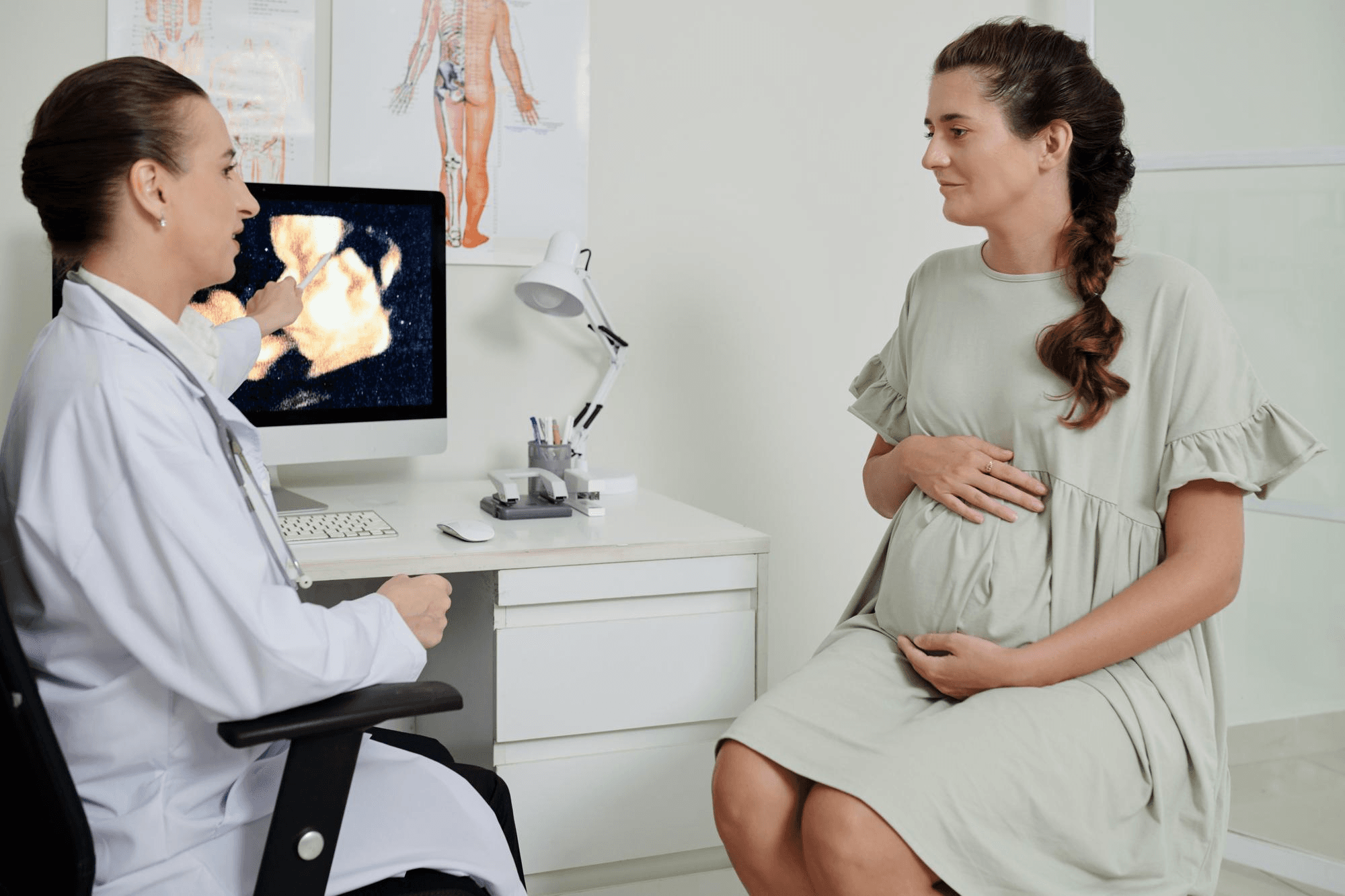
High-risk care often means visits every two to four weeks and regular growth scans.
"Your pregnancy is high risk." For many women, those are among the most frightening words they hear during pregnancy. Immediately the mind jumps to the worst: Is my baby in danger? Did I cause this? Will I be able to deliver normally?
Let me explain what the phrase actually means. A high-risk pregnancy is one in which the mother or baby has a higher than average chance of complications. It does not mean that something will go wrong, and it does not mean that the pregnancy will end badly. It means that you need closer monitoring, extra tests and a clear plan, so that if a problem develops it is caught early and handled well. Most women with high-risk pregnancies go on to have healthy babies, especially with good care.
If you are searching for a high-risk pregnancy doctor in Noida, this page explains what makes a pregnancy high risk, the conditions involved, what care involves and how to choose the right setting. I am Dr. Shachi Singh, a Consultant Gynaecologist and Laparoscopic Surgeon at Prakash Hospital, Sector 33, Noida.
What makes a pregnancy high risk?
A pregnancy can be high risk from the start (because of the mother's health or history) or become high risk later. Common factors include the following.
Related to the mother's health
- Age: under 18, or 35 and above
- High blood pressure (chronic hypertension) or a history of preeclampsia
- Diabetes, pre-existing or gestational
- Thyroid disease
- Heart, kidney or liver disease
- Autoimmune conditions such as lupus or antiphospholipid syndrome
- Epilepsy and other conditions needing regular medicines
- Asthma that is poorly controlled
- Severe anaemia
- Obesity or being significantly underweight
- Infections such as HIV, hepatitis B or C, syphilis
- Blood clotting disorders
- Rh-negative blood group with antibodies
- Smoking, alcohol or substance use
- Mental health conditions needing care
Related to previous pregnancies
- Previous miscarriages (recurrent pregnancy loss) or stillbirth
- Previous preterm birth
- Previous caesarean or uterine surgery
- Previous baby with a birth defect or growth problem
- Previous preeclampsia, HELLP or placental abruption
- Previous large baby or birth injury
Related to the current pregnancy
- Twins or multiple pregnancy
- Pregnancy after IVF or fertility treatment
- Low-lying placenta (placenta previa)
- Preeclampsia or gestational hypertension
- Gestational diabetes
- Fetal growth restriction (small baby) or a very large baby
- Too much or too little amniotic fluid
- Abnormal screening results or a baby with a structural problem
- Cervical weakness or a short cervix
- Bleeding in pregnancy
- Preterm labour or ruptured membranes before term
- Intrahepatic cholestasis of pregnancy (severe itching with raised bile acids)
- Reduced fetal movements
- Uterine anomalies such as bicornuate or septate uterus, or large fibroids
- Breech or transverse position near term
You may have one risk factor or several, and the level of risk varies. Many risk factors are manageable with simple measures, while some need more intensive care.
Why early planning matters
If you know you have a medical condition, the best time to see your doctor is before you become pregnant. A preconception visit allows:
- Optimising control of diabetes, blood pressure, thyroid and epilepsy
- Adjusting medicines that are unsafe in pregnancy
- Starting higher-dose folic acid where needed
- Checking vaccination status
- Planning the timing of pregnancy
- Setting up the right team
If you are already pregnant, early registration (ideally in the first trimester) is the best step. Do not stop any medicines on your own, though. Call your doctor first.
What care involves
Care is individualised, but typically includes the following.
More frequent visits
Instead of monthly visits until 28 weeks, you may be seen every two to four weeks from early on, and weekly or even more often later. Blood pressure, weight, urine protein, fetal growth and wellbeing are checked each time.
Additional tests and scans
- Early dating scan to confirm location and gestation
- First trimester screening (NT scan, double marker, ± NIPT)
- Detailed anomaly scan and fetal echocardiography where indicated
- Cervical length measurement in women at risk of preterm birth
- Growth scans at intervals (often every 3 to 4 weeks from the late second trimester)
- Doppler studies of the umbilical artery and other vessels to check blood flow in growth restriction or hypertension
- Amniotic fluid assessment
- Non-stress tests (CTG) and biophysical profile near term
- Blood tests: repeated haemoglobin, glucose monitoring, liver and kidney function, platelets, and thyroid levels as relevant
- Home monitoring: blood pressure and blood glucose readings, and fetal kick counts
Medicines and treatments
Depending on the problem:
- Low-dose aspirin in women at risk of preeclampsia (started early in pregnancy, as advised)
- Calcium, iron, vitamin D and other supplements
- Insulin or oral medicines for diabetes
- Antihypertensives that are safe in pregnancy
- Progesterone or cervical stitch (cerclage) for those at risk of preterm birth
- Blood thinners (heparin) in certain clotting conditions
- Antenatal steroid injections if preterm birth seems likely, to help baby's lungs mature
- Magnesium sulphate to prevent seizures in severe preeclampsia, and to protect the baby's brain in very preterm delivery
- Anti-D immunoglobulin for Rh-negative women
Planning the delivery
Timing and mode of delivery are individualised. Some high-risk pregnancies can be delivered vaginally, with or without induction. Others need a planned caesarean. Delivery may be planned earlier than 40 weeks for conditions such as preeclampsia, growth restriction, diabetes with complications or twin pregnancies. Delivery should happen in a hospital with the facilities to handle emergencies, including blood availability, anaesthesia support and appropriate neonatal care. Ask about neonatal (NICU) facilities at your delivery hospital, especially if there's a risk of preterm birth.
Emotional support
Being labelled "high risk" is stressful. Anxiety, guilt and fear are normal, and your partner and family may share them. Please tell me how you feel. Understanding the plan reduces anxiety.
Common high-risk situations in more detail
Preeclampsia. High blood pressure with protein in urine or other organ effects, usually after 20 weeks. Warning signs include severe headache, blurred vision, upper abdominal pain, sudden swelling and reduced fetal movement. It is monitored closely and treated, and delivery is the definitive treatment when needed.
Gestational diabetes. High blood sugar first identified in pregnancy. Managed with diet, exercise, monitoring and sometimes insulin. Good control lowers the risk of a large baby and delivery complications.
Twin pregnancy. Higher risk of preterm birth, growth differences and preeclampsia. More frequent scans, and a plan for delivery depending on the type of twins (chorionicity) and positions.
Advanced maternal age. Women 35 and older have higher risks of chromosomal conditions, gestational diabetes, hypertension and caesarean delivery. Screening and monitoring help, and most women have good outcomes.
Previous miscarriages or preterm birth. Investigations for causes, early scans, progesterone or cerclage when indicated, and cervical length surveillance.
Previous caesarean. A plan for VBAC (trial of labour) or repeat caesarean, discussed in the third trimester.
Thyroid, kidney and heart conditions. Coordination with the relevant specialists, medicine adjustments and monitoring.
What you can do to support your pregnancy
- Attend every appointment and scan. Don't skip because you feel well.
- Take medicines exactly as prescribed. Do not stop them without asking.
- Monitor yourself. Record blood pressure, sugar readings and baby movements as advised.
- Know your warning signs and act promptly.
- Eat a balanced diet, keep active within limits your doctor sets, and sleep well.
- Avoid smoking, alcohol and unprescribed medicines or herbal products.
- Keep your records together in one file.
- Plan for the delivery with your family: transport, hospital, who looks after other children.
- Look after your mental health. Ask for help.
Warning signs: call immediately
- Reduced or absent fetal movements
- Vaginal bleeding
- Leaking fluid
- Regular tightening or abdominal pain before 37 weeks
- Severe headache, visual disturbances, sudden swelling of face or hands, upper abdominal pain
- Fever with chills
- Persistent vomiting
- Severe itching, particularly of palms and soles
- Breathlessness or chest pain
- Painful or swollen calf
How to choose a high-risk pregnancy doctor and hospital
Consider:
- Experience in managing complex pregnancies
- Availability for urgent concerns
- A hospital with blood bank, operation theatre, anaesthesia and neonatal care suited to your risk
- Clear communication about your risks and the plan
- Coordination with other specialists (physician, endocrinologist, cardiologist, neonatologist)
- Respect for your questions and preferences
If your pregnancy is very high risk, such as a severe heart condition or very early preterm risk, you may need a tertiary-care centre. I will tell you honestly if that is the case. Please confirm the available facilities when you book.
Common questions
Does high risk mean I will need a caesarean? Not necessarily. Many women deliver vaginally.
Will my baby be unhealthy? Most babies are healthy. Monitoring is meant to keep it that way.
Can I work and travel? It depends on your condition. Ask your doctor.
Can I exercise? Many women can do gentle exercise, but some conditions need restrictions.
Is bed rest necessary? Rarely. Prolonged bed rest isn't shown to prevent most complications and has risks.
Can I have another baby after a high-risk pregnancy? Often yes, with planning.
Care that keeps a close eye
If you have been told that your pregnancy needs extra attention, or you want to plan a pregnancy with a medical condition, a careful, individualised plan can make all the difference. I look after expectant mothers from Noida, Greater Noida, Ghaziabad and Delhi NCR at Prakash Hospital, Sector 33. To book a consultation, call +91 97023 46853.
Related reading
- High-risk pregnancy: causes and care
- Preeclampsia warning signs
- Gestational diabetes
- Twin pregnancy
- Pregnancy scans and tests schedule
This page is for general information and does not replace personal medical advice.