Bleeding After Intercourse: Causes, When to Worry and What to Do

Bleeding after sex that happens more than once, or after menopause, should always be examined.
It usually happens at an awkward moment. You notice blood on the sheet, on tissue or on your underwear after sex, and the mood changes quickly. Is something wrong? Is it an infection? Could it be cancer? Many women say nothing to anyone for weeks, partly out of embarrassment and partly because they hope it will not happen again.
Please do not wait in silence. Bleeding after intercourse, which doctors call postcoital bleeding, is common and in most cases has a simple, treatable cause. But it is also one of the symptoms that should always be checked at least once, because in a small number of women it is the first sign of a cervical problem that is much easier to treat when found early.
This guide covers what causes bleeding after sex, how to tell whether it is likely to be minor, what the examination and tests involve and how it is treated. If you are looking for a discreet, experienced gynaecologist in Noida, details are at the end.
Is it normal?
An occasional, very light spot of blood after particularly vigorous sex or when you are very dry can happen to anyone and may be nothing. But bleeding that happens repeatedly, that is more than a spot, or that occurs for the first time after menopause is not something to ignore. As a rule, if it has happened more than once, or if you are worried, get it examined.
Bleeding can come from the vulva, the vagina, the cervix or the uterus, and the urethra or rectum can be confused for it. Working out the source is the first step in the clinic.
Common causes
1. Cervical ectropion (ectopy)
This is probably the most common cause in women of reproductive age. The cells that line the inside of the cervical canal (soft, red, glandular cells) extend onto the outer surface of the cervix, where they are delicate and bleed easily on contact. It is common in young women, during pregnancy and in women using hormonal contraception, as oestrogen levels favour it. It is not a disease and not cancer. It may also cause increased clear discharge. Treatment is only needed if bleeding or discharge is troublesome. Our separate article on cervical ectropion explains this.
2. Cervicitis and infections
Inflammation of the cervix caused by infections like chlamydia, gonorrhoea, trichomonas, herpes, or by bacterial vaginosis and other vaginal infections makes tissue fragile and prone to bleeding. Symptoms may include yellow or foul-smelling discharge, pain during intercourse, pelvic pain or burning with urination. Many sexually transmitted infections cause no symptoms at all, so a screening test is worthwhile. Untreated infection can spread upward to cause pelvic inflammatory disease, which can damage the tubes and affect fertility.
3. Cervical or endometrial polyps
Polyps are small, soft, finger-like growths on the cervix or inside the uterus. They have a rich blood supply and bleed easily after sex, between periods or after a Pap smear. They are usually benign, are easy to remove and should be sent for examination to confirm that.
4. Vaginal dryness and thinning (atrophy)
Low oestrogen levels, as occurs around and after menopause, while breastfeeding, after childbirth or with certain medicines, makes vaginal tissue thin, dry and easy to tear. This causes pain and light bleeding with intercourse. It is very treatable with vaginal moisturisers, lubricants and, for appropriate women, low-dose vaginal oestrogen.
5. Insufficient arousal or lubrication, and minor trauma
Small tears or abrasions of the vaginal wall or the vaginal opening can occur with intercourse, especially in the first experiences, after a long gap, with vaginismus, or following childbirth stitches. These typically heal by themselves and cause pain more than heavy bleeding.
6. Hormonal contraceptives and IUDs
Pills, injections, implants and intrauterine devices can cause breakthrough bleeding, and a device string or position can occasionally cause bleeding with intercourse. A cervix that is more fragile on hormonal contraception is also more likely to bleed.
7. Pregnancy-related changes
In pregnancy, the cervix has an increased blood supply and bleeds easily after intercourse. It's usually harmless, but any bleeding in pregnancy needs checking, because it can be a sign of a threatened miscarriage, placenta previa or other causes. Postpartum bleeding after sex in the first weeks can also happen as tissues heal.
8. Fibroids and uterine problems
Fibroids close to the cavity or cervix, adenomyosis and other problems can cause abnormal bleeding patterns, sometimes triggered by intercourse.
9. Cervical precancer and cancer
This is the cause everyone worries about, and it is uncommon in women under 30. But postcoital bleeding is one of the classic symptoms of cervical cancer, and in older women, women who have not had regular screening or those with persistent HPV (human papillomavirus) infection, the possibility must be ruled out. The good news is that cervical precancer takes years to develop and can be detected by screening with a Pap smear or HPV test and treated before it becomes cancer. Cervical cancer remains one of the commonest cancers in Indian women, which is exactly why screening is so valuable.
10. Other causes
- Vaginal or vulval conditions like lichen sclerosus or lesions
- Genital warts
- Cancers of the vagina, vulva or uterus (rare)
- Blood-thinning medicines
- Bleeding from the urethra, haemorrhoids or the anus mistaken for vaginal bleeding
- Sexual assault or injury. If this is a concern, please seek medical and support services
Red flags: when to see a doctor soon
Make an appointment promptly if you have:
- Repeated bleeding after intercourse, even if light
- Bleeding after menopause
- Bleeding with foul-smelling or bloody discharge
- Pelvic or lower abdominal pain
- Pain during sex that is new or getting worse
- Bleeding between periods or after periods stopped
- Weight loss, fatigue or loss of appetite
- A history of abnormal Pap smears, HPV infection or lack of regular screening
- Bleeding during pregnancy
Go to an emergency room if you have heavy bleeding that soaks through a pad in an hour, dizziness or fainting, or severe pain, particularly if you might be pregnant.
What will the doctor do?
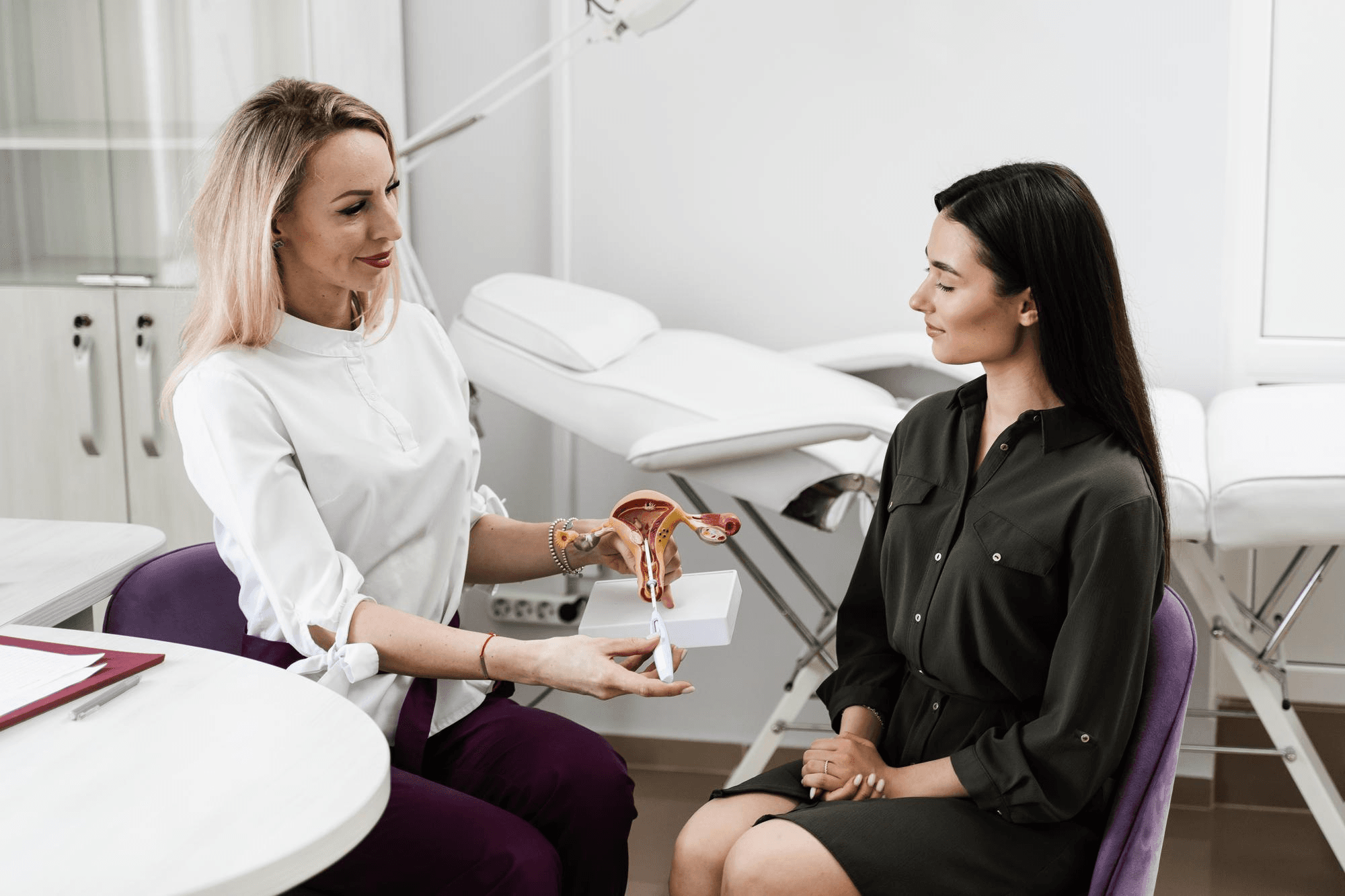
I understand the thought of an examination is uncomfortable. I try to make it as gentle and private as possible, explaining each step, and you can ask to stop at any time.
History. I'll ask when the bleeding occurs, how much, how often, your cycle pattern, contraception, previous Pap smears, any pain or discharge, pregnancy possibility, sexual history and medicines. Please be open. It helps to find the cause faster, and everything stays confidential.
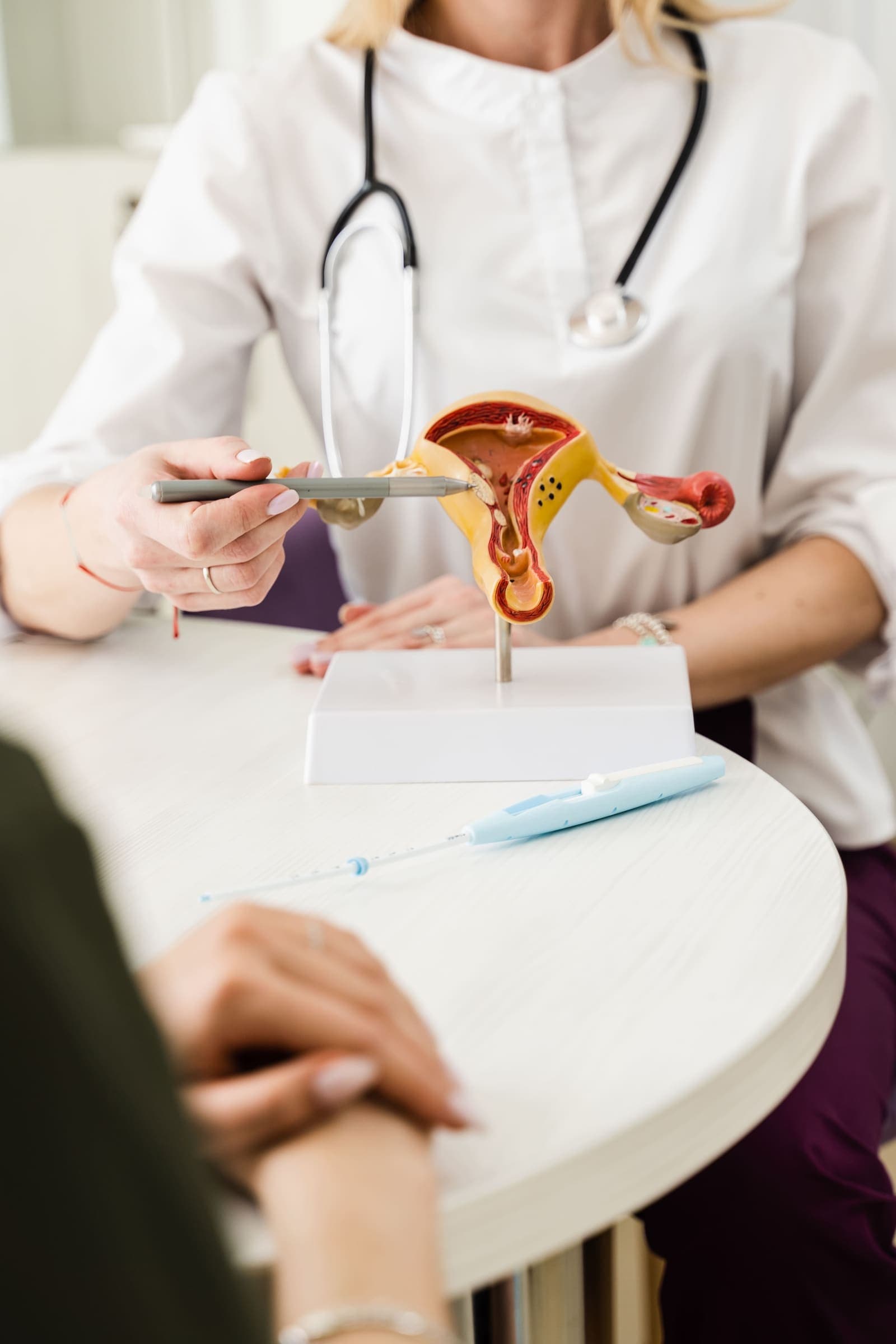
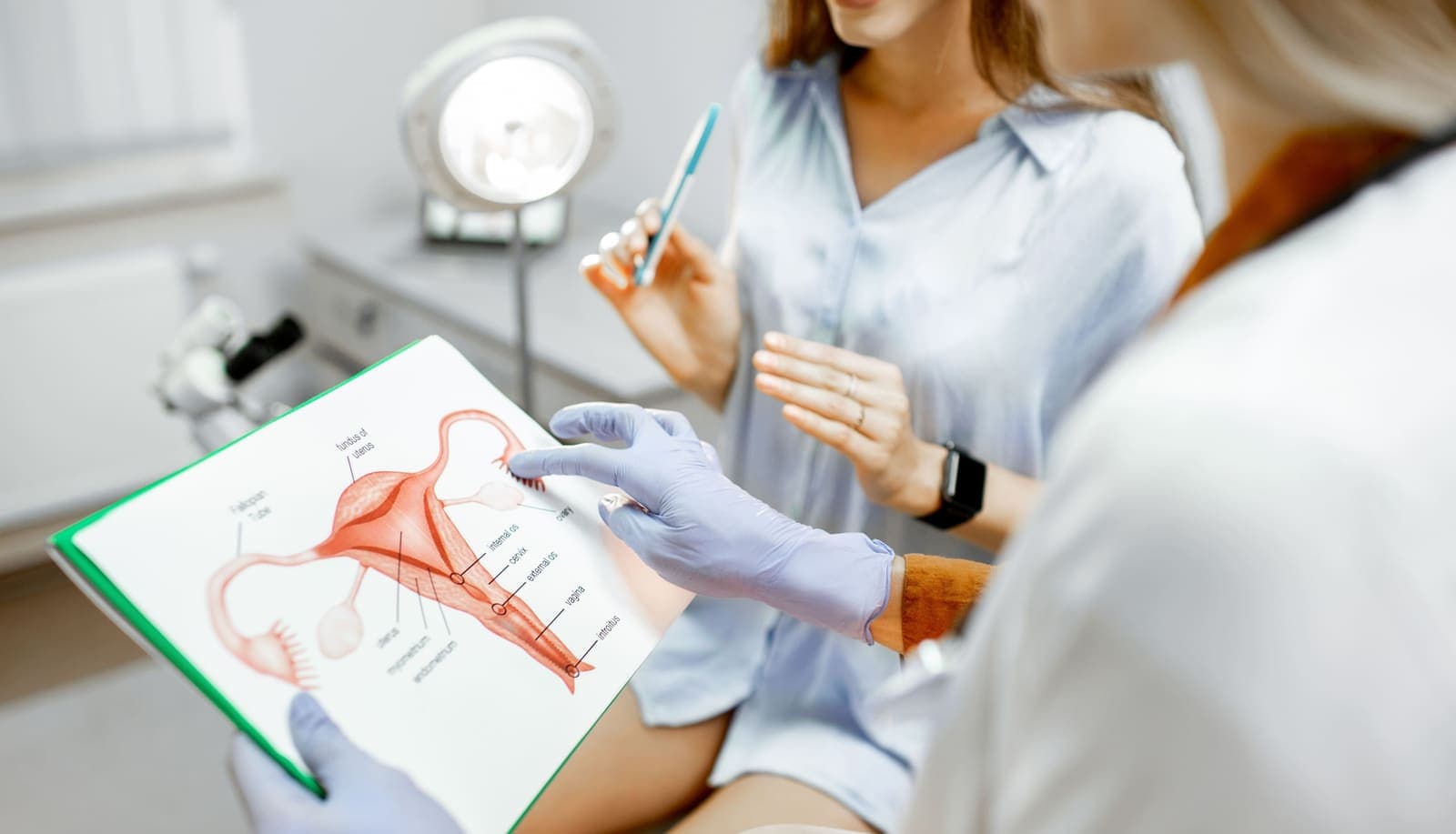
Examination. A pelvic examination with a speculum lets the doctor see the vagina and cervix directly, noting ectropion, polyps, inflammation, ulcers, discharge or growths. A bimanual examination checks the uterus and ovaries.
Tests, depending on findings:
- Pregnancy test
- Pap smear (cervical cytology) and/or HPV test if due or if the cervix looks abnormal
- Swabs for infections such as chlamydia, gonorrhoea, trichomonas and bacterial vaginosis
- Pelvic ultrasound for polyps, fibroids and the endometrium
- Colposcopy. A magnified view of the cervix after applying special solutions, with a small biopsy of any suspicious area. See our article on colposcopy for details.
- Hysteroscopy or endometrial biopsy if uterine bleeding is suspected, especially in older women
- Blood tests for anaemia, thyroid or clotting problems if needed
Treatment depends on the cause
- Cervical ectropion: usually reassurance. If troublesome, treatments like cautery or cryotherapy can seal the area.
- Infections: antibiotics or antivirals for you and, where relevant, your partner, with advice to avoid intercourse until treated.
- Polyps: simple removal, often as a day-care procedure, followed by laboratory examination.
- Vaginal dryness: lubricants, moisturisers and vaginal oestrogen where suitable.
- Contraceptive-related bleeding: adjusting the method.
- Fibroids and adenomyosis: medicines or surgery as needed.
- Precancerous changes: treated with procedures such as LEEP or cone biopsy, which are highly effective when changes are found early.
- Cancer: referral for staging and treatment with the oncology team. Early-stage disease has an excellent outlook.
Things you can do
- Don't ignore it, and don't self-diagnose. Online lists cannot replace an examination.
- Use a good lubricant if dryness is a problem. Choose a water-based or silicone-based one. Avoid anything scented or irritating.
- Avoid douching, which upsets the vaginal balance and can make infection more likely.
- Practise safer sex with condoms to lower infection risk, and get vaccinated against HPV if you are eligible.
- Don't skip screening. In India, women from about 25 to 30 onward should have cervical screening at the intervals their doctor advises.
- Talk to your partner. Open communication about comfort and pain makes a difference.
- Note the pattern and share it with your doctor.
Common questions
Is it normal to bleed the first time I have sex? Slight bleeding is possible, but not everyone bleeds, and not bleeding doesn't say anything about virginity. Persistent bleeding is not expected.
Can stress cause bleeding after sex? Stress doesn't cause it directly, but hormonal disruption can affect cycles.
I'm on the pill. Is that why I'm bleeding? Possibly. Breakthrough bleeding and cervical changes are common on hormonal methods, but it should still be checked if it persists.
I'm over 50 and bleeding after sex. Is this serious? It is usually due to vaginal atrophy, which is easily treated, but bleeding after menopause always needs evaluation to rule out other causes.
Can I have sex while waiting for the appointment? If it is comfortable, you can, but it may be wise to wait until you have been examined, especially if an infection is suspected.
Does bleeding mean I have an STI? Not necessarily, but it's a good reason to test.
Speak up, and get checked
Most causes of bleeding after sex are common and treatable. The sooner you are examined, the sooner you will get an answer. I see women from Noida, Greater Noida, Ghaziabad and Delhi NCR, and I treat every concern with privacy and respect, at Prakash Hospital, Sector 33. To book a consultation, call +91 97023 46853.
Related reading
- Cervical ectropion: causes and treatment
- Pap smear test: when and why
- Colposcopy: what to expect
- Sexually transmitted infections in women
- Cervical cancer prevention and HPV vaccine
This article is for general education and does not replace a medical examination.