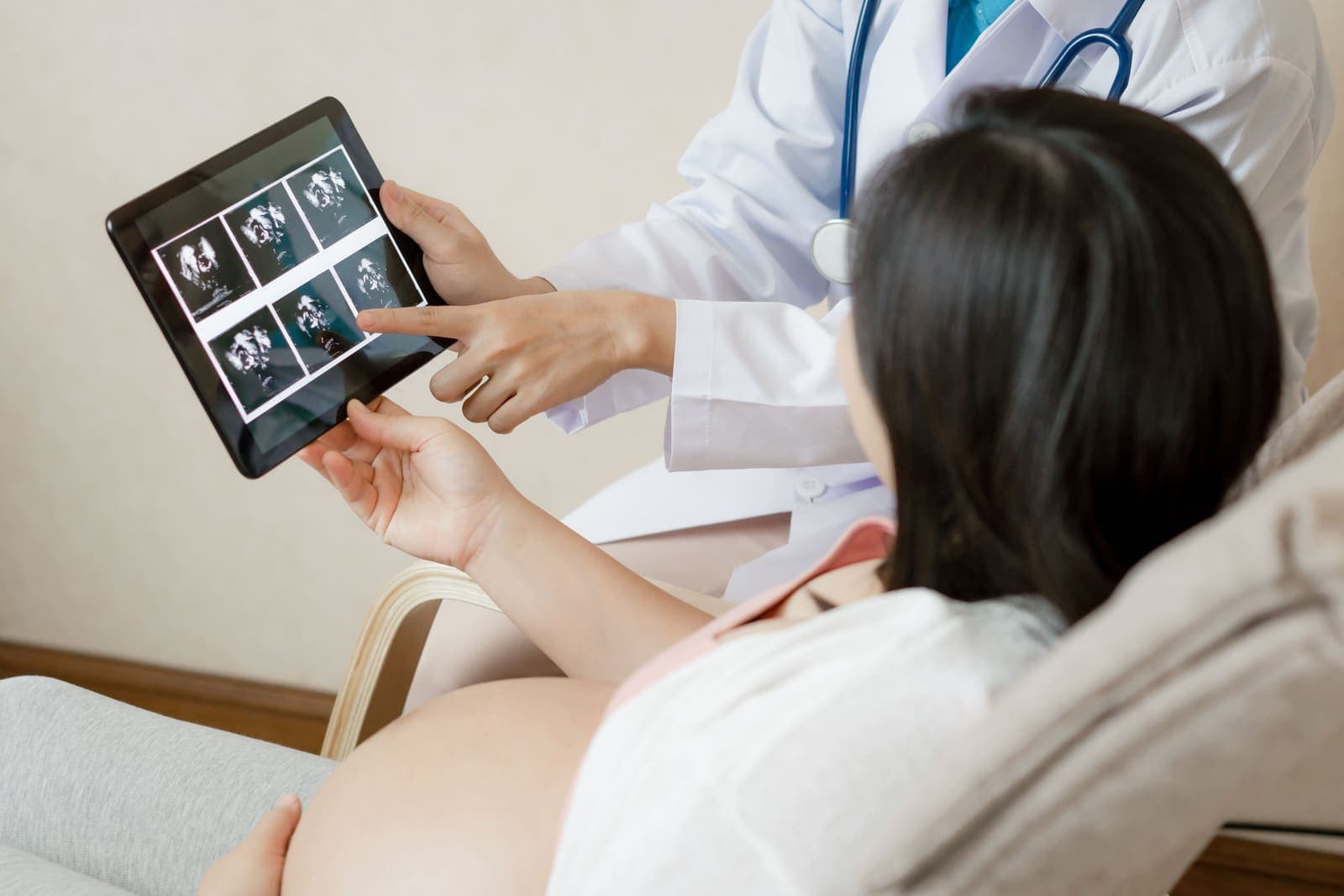
Gynaecologist Near Sector 62 Noida: Women's Healthcare with Dr. Shachi Singh
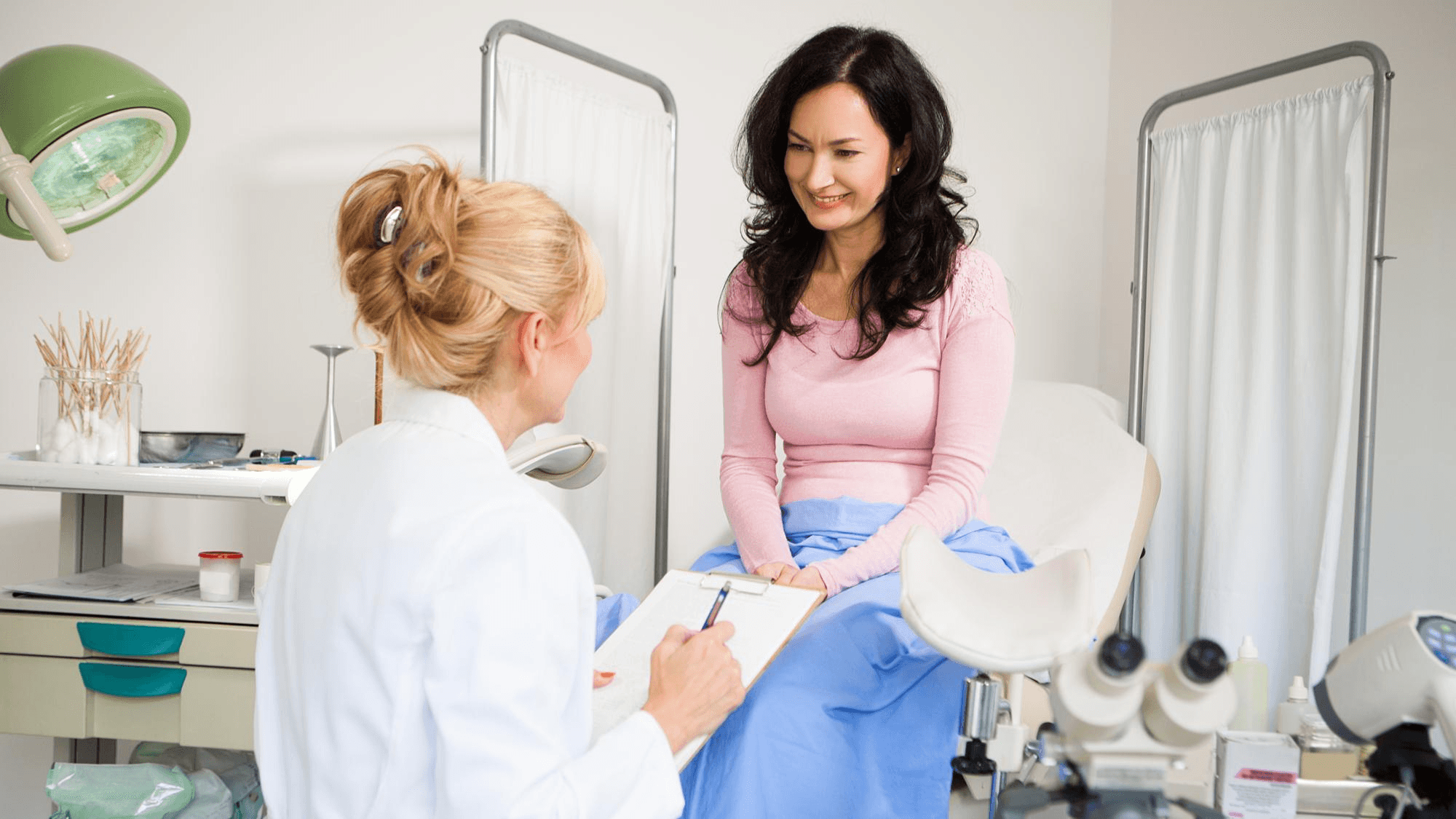
Dr. Shachi Singh sees patients at Prakash Hospital, Sector 33, reachable from Sector 62 by road.
Sector 62 is one of the busiest parts of Noida. Offices, institutes, hospitals and residential societies sit side by side, and thousands of working women and young families live and work here. If you are among them, you probably know the problem: your days are packed, and a visit to a gynaecologist keeps slipping down the list.
That delay is often costly. Irregular periods, pelvic pain, recurrent infections, a missed Pap smear or a pregnancy that needs regular check-ups are all things that go better with early care. If you are searching for a gynaecologist near Sector 62, Noida, or a lady doctor you can trust, this page explains how I can help, what to expect at your first visit, which conditions I commonly treat and how to plan your appointment around a busy schedule.
I am Dr. Shachi Singh, a Consultant Gynaecologist and Laparoscopic Surgeon. I see patients at Prakash Hospital, Sector 33, Noida, and women from Sector 62 and nearby areas regularly visit the clinic.
Why women from Sector 62 choose a clinic in Sector 33
Sector 62 has its own hospitals and clinics, so why look further? Patients tell me they value things like these:
- Continuity. Seeing the same doctor from the first scan to delivery, or through years of treatment for PCOS or fertility problems, builds trust.
- One team for the full journey. Consultation, tests, ultrasound, treatment and, if needed, laparoscopic surgery.
- Time to talk. A visit should not feel rushed.
- Privacy and respect. Many women feel nervous about gynaecology visits, and gentle, clear communication matters.
I would encourage you to choose a doctor you feel comfortable with, whichever sector she practises in. The clinic is reachable from Sector 62 by road, and a taxi or your own vehicle is the easiest option. Please check the route on your map app before you travel, because traffic varies at different times of day.
Common concerns I see from women in Sector 62 and nearby
Periods and hormonal health
- Irregular, heavy, painful or absent periods
- Clots in period blood
- PCOS/PCOD with acne, hair growth, weight gain or difficulty conceiving
- Premenstrual symptoms
- Thyroid-related menstrual problems
- Perimenopause and menopause symptoms
For working professionals, long hours, irregular meals, disturbed sleep and stress can add to hormonal problems. We look at the whole picture, not only the tablets.
Pregnancy care
- Preconception counselling
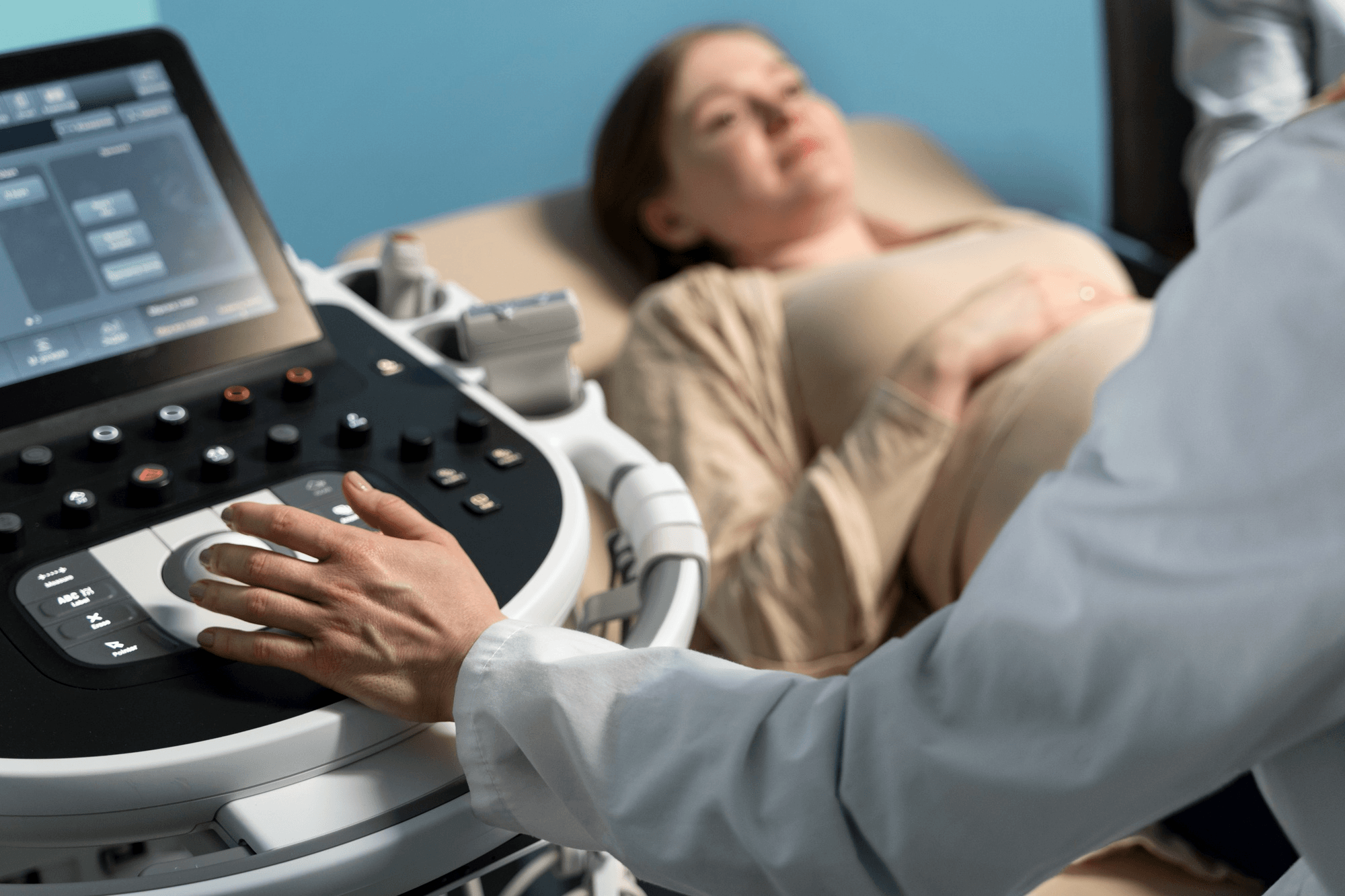
- Confirmation of pregnancy and early scans
- Complete antenatal care: blood tests, NT scan, anomaly scan and growth scans
- Management of gestational diabetes, hypertension and thyroid disease in pregnancy
- Normal delivery guidance and caesarean planning
- High-risk pregnancy monitoring
- Postnatal care and breastfeeding advice
Fertility concerns
- Difficulty conceiving after 6 to 12 months of trying
- Ovulation tracking and induction
- Evaluation of tubes, uterus and hormones
- IUI planning and guidance on assisted reproduction
- Recurrent miscarriage evaluation
- Counselling for couples
Gynaecological conditions
- Fibroids, ovarian cysts, endometriosis and adenomyosis
- White discharge, itching, vaginal and urinary infections
- Pelvic pain
- Pelvic floor problems, including urinary leakage and prolapse
- Cervical screening (Pap smear/HPV) and colposcopy
- Contraception advice
- Sexual health concerns, painful intercourse
Laparoscopic (keyhole) surgery
I perform minimally invasive procedures for conditions such as ovarian cysts, fibroids, endometriosis, ectopic pregnancy and hysterectomy when needed, which means smaller scars, less pain and a faster return to work. Many women can resume light activity in a few days.
What to expect at your first visit
Knowing what happens can calm nerves.
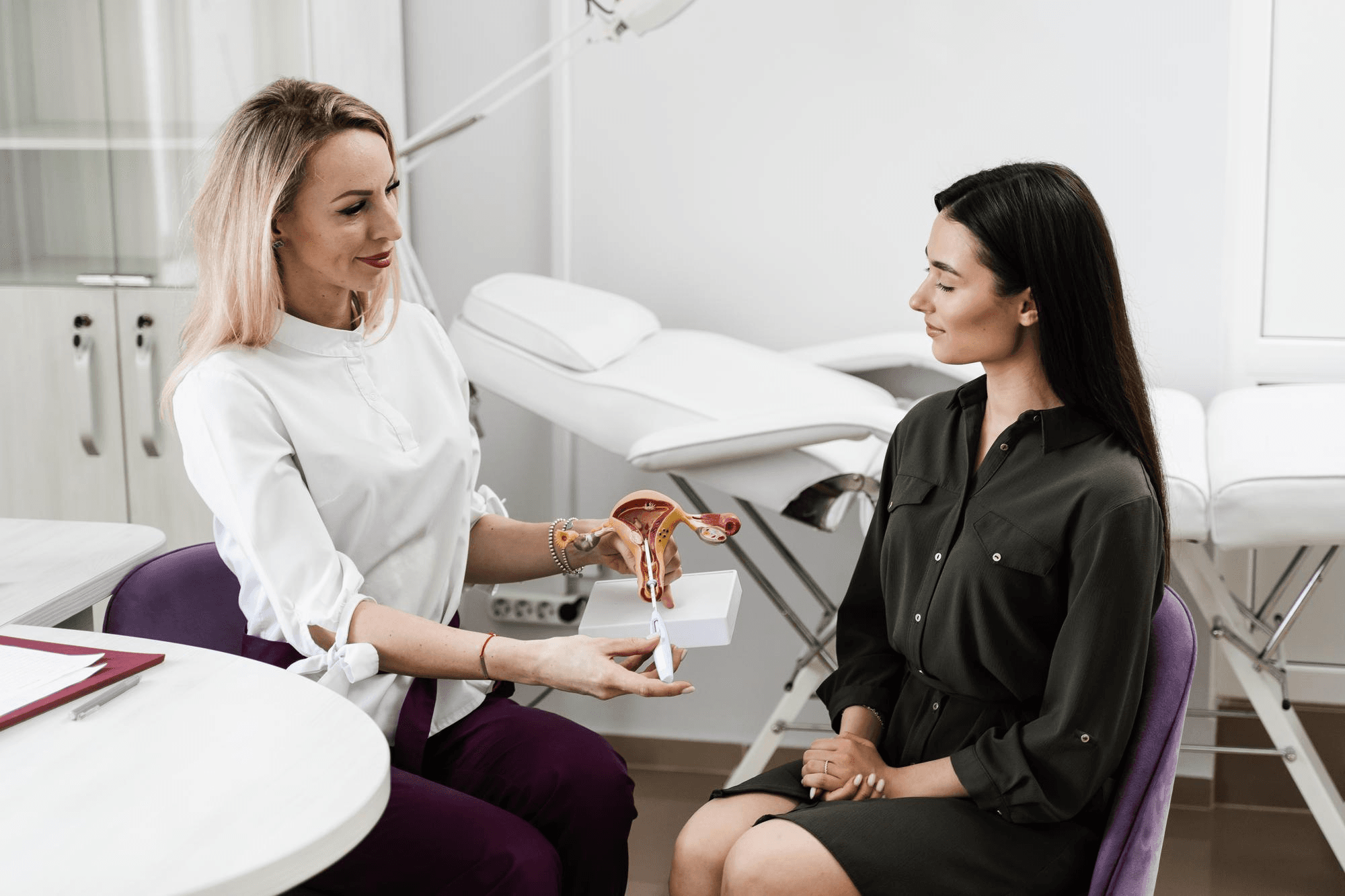
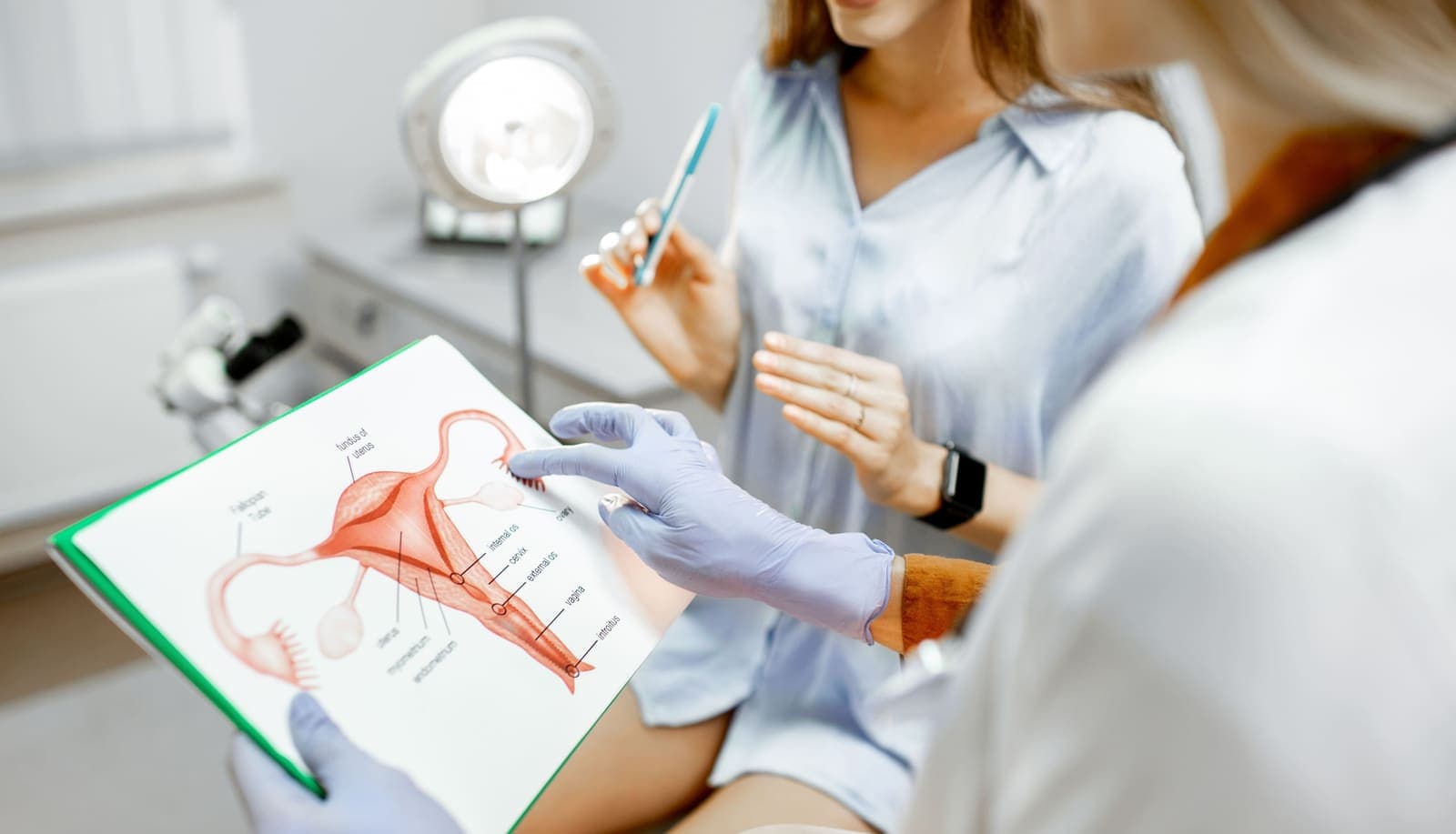
- A conversation. I ask about your symptoms, periods, medical and family history, medicines and what worries you most. Take your time. Nothing you say will shock me.
- Examination, only if needed. Depending on your concern, a breast, abdominal or pelvic examination may be suggested. I explain each step, and you can ask me to stop at any time. Unmarried women or those with concerns about vaginal examination can discuss alternatives, such as an abdominal scan, and the examination is done only with consent.
- Tests. Blood tests, an ultrasound, a Pap smear or swabs, depending on the problem.
- A plan. I explain what I think is happening, what the options are and what each treatment involves. Many problems need only simple measures or medicines. Surgery is advised only when it's the best option.
- Follow-up. A clear plan for review and what to do if symptoms change.
A female relative or friend can accompany you, and you are welcome to ask for a chaperone during any examination.
Preparing for your appointment
- Note the first day of your last period and the usual cycle length
- Bring previous reports, scans and prescriptions
- Make a list of medicines and supplements
- Write down your questions
- For pregnancy, bring your antenatal file
- If you can, avoid scheduling the visit during heavy bleeding, unless it's an urgent concern. If you are unsure, call the clinic first.
Making it fit into a working day
I know that taking time off is not easy. Some suggestions:
- Book ahead for the time that suits you, instead of walking in. Call the clinic to ask about suitable slots.
- Clinic hours are Monday to Saturday, 9 AM to 6 PM, and Sunday, 10 AM to 2 PM. Weekend slots can suit working women.
- Combine tests on one trip where possible.
- Follow-ups for stable conditions can sometimes be simple and quick.
Women's health at different life stages
In your 20s. Establishing regular cycles, treating PCOS early, contraception choices, HPV vaccination and cervical screening, preconception advice.
In your 30s. Fertility planning, pregnancy care, managing weight and thyroid, fibroids and endometriosis, work-life stress.
In your 40s. Perimenopause, heavy periods, fibroids, screening for breast and cervical cancer, bone and heart health.
After menopause. Hormone therapy decisions, bone density, bladder and pelvic floor health, and screening.
Health concerns specific to busy professionals
Many women I see from Sector 62 and similar work hubs describe a pattern. Long sitting hours, skipped meals, late dinners, caffeine to get through the afternoon, little exercise and constant deadlines. None of this makes a woman "unhealthy" in a dramatic way, but over time it can show up in her cycles and her energy.
- Irregular periods and PCOS. Stress, poor sleep and weight gain worsen insulin resistance, which drives PCOS. Small, steady changes in diet and movement help more than crash plans.
- Urinary infections. Holding urine for long meetings, drinking too little water and using unclean public toilets raise the risk of UTIs. Drinking water through the day and not delaying the bathroom makes a real difference.
- Back and pelvic pain. Sitting for hours strains the lower back and pelvic muscles. Short walking breaks every hour help.
- Delayed pregnancy planning. Many women focus on career first, which is a legitimate choice. A fertility check or AMH test in your early thirties gives you information to plan around.
- Anaemia and vitamin D deficiency. Very common, easily missed, and a major cause of tiredness, hair fall and mood changes.
- Skipped screening. Pap smears and breast checks are often postponed because there is "no time." A single morning set aside once every few years can catch problems early.
Pregnancy and work: practical points
If you are pregnant and working, a few simple rules help. Take short walking breaks, keep a water bottle at your desk, eat small frequent meals, and avoid prolonged standing in the later months. Discuss travel, night shifts and maternity leave planning with me early, so that medical advice and your workplace plans line up. Attend all scans and blood tests on time, because many are done in narrow windows.
What to bring and what to ask
At your first visit, bring your previous reports and your questions. It helps to ask: What do you think is causing my problem? What tests do I need, and why? What are my treatment options? What can I do at home? When should I come back, and what should make me call sooner? A good consultation leaves you with answers, not more confusion.
Preventive care checklist
- Cervical screening (Pap smear/HPV test) as advised, typically from age 25 or 30 onward at regular intervals
- Breast awareness and clinical examination; mammography as advised from about 40
- HPV vaccination if eligible
- Annual health check: blood sugar, thyroid, haemoglobin, vitamin D and B12
- Contraception review
- Healthy lifestyle: exercise, balanced diet, sleep, stress management
When to see a doctor without delay
Come in promptly, or go to an emergency department, if you have:
- Heavy bleeding that soaks a pad in an hour
- Severe lower abdominal pain, especially with fever or vomiting
- Bleeding or pain in early pregnancy
- Reduced baby movements in pregnancy
- Bleeding after menopause
- A breast lump
- Fever with foul-smelling discharge
Frequently asked questions
Do I need an appointment? It's best to book, so your wait is short. Call the clinic.
Can unmarried women visit? Of course. Gynaecological care is for all women, and your privacy and comfort are respected.
Is a Pap smear painful? It is brief and mildly uncomfortable. Most women find it easier than expected.
Can I come during my period? For most problems, yes. For a Pap smear, it is better to avoid heavy bleeding days.
Do you offer a second opinion? Yes. Bring your reports and records.
What about emergencies? Contact the hospital emergency services.
Book a visit
If you live or work around Sector 62, Noida, and have been putting off a gynaecology check-up, this is a good time to take that first step. You will find clear answers, a gentle approach and a plan that fits your life. The clinic is at Prakash Hospital, D-12A, 12B, Sector-33, G.B. Nagar, Noida, UP 201301. To book a consultation, call +91 97023 46853.
Related reading
- Best gynaecologist in Noida
- Gynaecologist in Sector 33 Noida
- PCOS vs PCOD: what is the difference?
- Pregnancy week by week
- Laparoscopic surgery as day-care
This page is for general information and does not replace a personal consultation.