Exercise During Pregnancy: Busting the Myths and Understanding What's Actually Safe

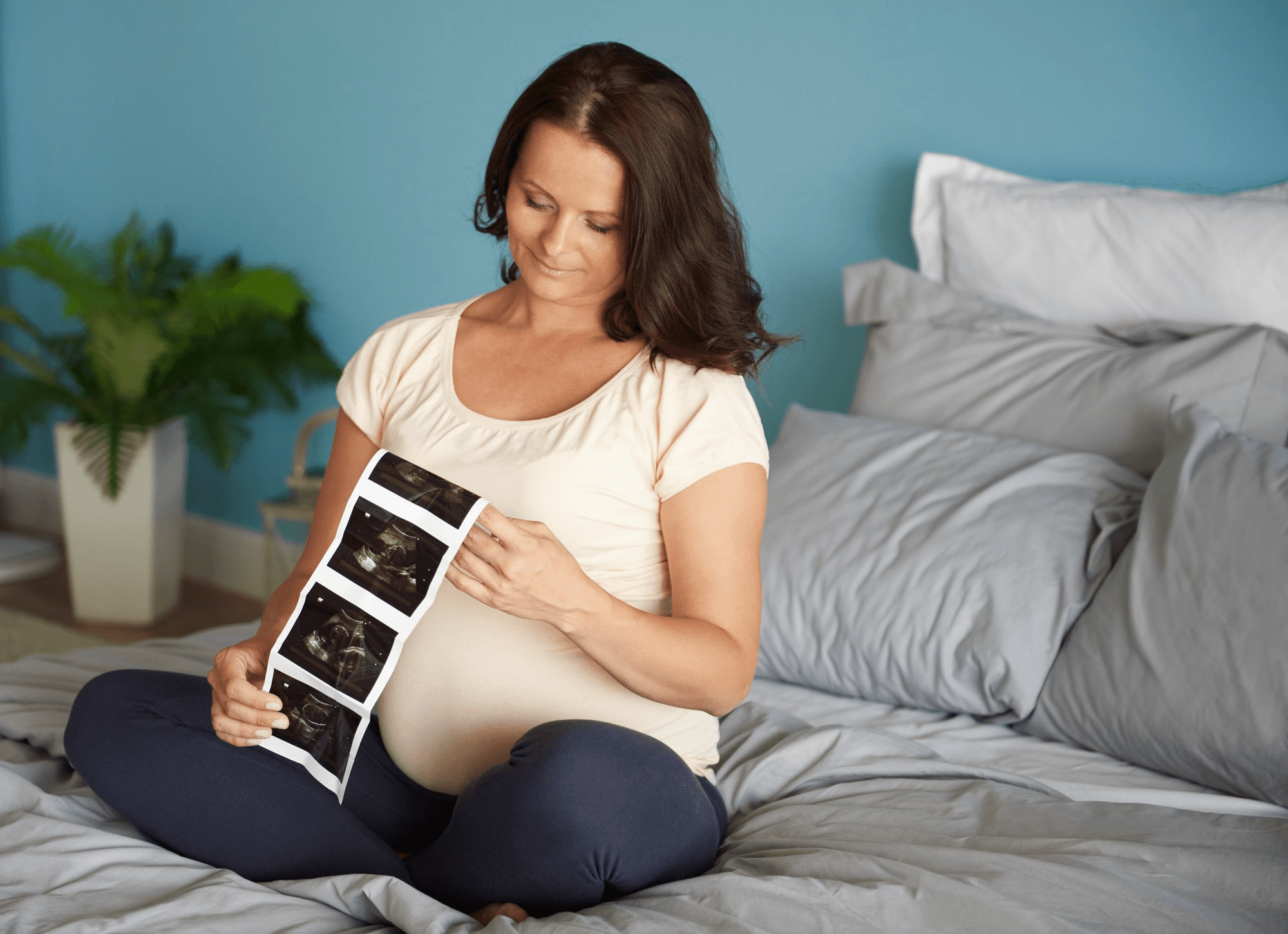
Pregnant woman performing safe prenatal stretching exercises under guidance, smiling confidently in a bright fitness space, representing evidence-based pregnancy exercise and debunking common pregnancy workout myths..
Indian women are often told to rest as much as possible during pregnancy. Stay home. Don't lift anything. Don't exercise. Walk only gently. Don't strain yourself.
Some of this is reasonable caution around specific complications. Most of it is an overcorrection rooted in old beliefs rather than evidence — and it results in women becoming progressively more deconditioned, gaining excessive weight, suffering more back pain, and arriving at delivery less physically prepared than they could be.
The evidence on exercise in pregnancy is clear: for women with uncomplicated pregnancies, regular moderate exercise is safe, beneficial, and recommended. The American College of Obstetricians and Gynecologists recommends at least 150 minutes of moderate-intensity exercise per week during pregnancy. This guidance is echoed by obstetric organizations globally.
Dr. Shachi Singh, consultant obstetrician at Prakash Hospital, Sector 33, Noida, addresses the most common exercise myths and explains what the evidence actually says.
Myth 1: Exercise Can Cause Miscarriage
False. This is the myth that stops most Indian women from exercising in the first trimester. The fear is that physical exertion will disturb the pregnancy — particularly in the vulnerable early weeks.
The evidence does not support this. Studies consistently show that moderate exercise in the first trimester does not increase the risk of miscarriage. The majority of first-trimester miscarriages are caused by chromosomal abnormalities in the embryo — nothing the mother does or does not do can cause or prevent these.
What is appropriate in the first trimester: gentle to moderate exercise as tolerated — walking, swimming, yoga, light cycling. Listening to the body is key: nausea and fatigue often naturally limit intensity in the first trimester, and this is fine.
Myth 2: You Should Avoid All Exercise Until After the First Trimester
False. There is no medical basis for complete exercise restriction in an uncomplicated first trimester. Some caution is appropriate — avoid very high-intensity exercise, avoid contact sports with fall risk, avoid exercises with significant abdominal impact — but gentle to moderate activity is beneficial and safe from the beginning.
Myth 3: Exercising Will Harm the Baby
False. Moderate exercise does not deprive the baby of oxygen or nutrition. Research shows:
- Babies of exercising mothers have healthy growth
- Regular maternal exercise improves placental efficiency and blood flow
- The fetal heart rate increases mildly during maternal exercise but returns to baseline quickly — this is a normal physiological response, not a sign of distress
What can actually harm the baby's environment is maternal obesity, gestational diabetes, and excessive weight gain — all of which moderate exercise helps prevent.
Myth 4: Heart Rate Must Stay Below 140 BPM During Pregnancy
Outdated. The 140 BPM limit was a guideline from the 1980s that has since been removed from clinical recommendations. Current guidance uses the "talk test" — if you can hold a conversation while exercising, the intensity is appropriate. If you cannot speak without gasping, slow down.
Myth 5: Pregnant Women Should Not Lift Weights
Partially true, but largely oversimplified. Heavy powerlifting with maximal loads and breath-holding under load (the Valsalva man oeuvre) is not appropriate in pregnancy — it creates very high intra-abdominal pressure. Light to moderate strength training with controlled breathing is safe and beneficial for most pregnant women.
Benefits of strength training in pregnancy include: maintaining muscle mass, reducing back pain (by strengthening the muscles supporting the spine), improving posture, and assisting with labour and postpartum recovery.
What to avoid: very heavy loads that require breath-holding or straining, exercises that put pressure directly on the abdomen in the second and third trimesters, exercises performed lying flat on the back after the first trimester (compresses the inferior vena cava).
Myth 6: Yoga Is the Only Safe Exercise in Pregnancy
Not true. Yoga is excellent in pregnancy — it improves flexibility, reduces stress, helps with back pain, and is adaptable to every trimester. But it is not the only safe option.
Safe pregnancy exercises include walking, swimming, cycling (stationary bike in later pregnancy for stability), low-impact aerobics and dance, Pilates (modified for pregnancy), light strength training, and water aerobics.
What to avoid regardless of fitness level: Contact sports (football, basketball, martial arts), activities with high fall risk (skiing, horse riding, gymnastics, cycling on roads in late pregnancy), scuba diving (decompression risks for the fetus), exercises at very high altitude (above 3,000 to 4,000 metres in a non-acclimatized woman), high-intensity interval training at very high intensities.
Myth 7: If You Weren't Active Before Pregnancy, You Shouldn't Start Now
False — with a caveat. Pregnancy is not the time to start training for a marathon if you have been completely sedentary. But starting a walking programme, prenatal yoga, or swimming in pregnancy is absolutely safe and actively encouraged for women who have not been exercising regularly.
The caveat: begin gradually, start with lower intensity and duration, and build up over weeks rather than jumping to intense activity immediately.
Myth 8: Exercising in the Third Trimester Is Too Risky
False for uncomplicated pregnancies. Exercise continues to be safe and beneficial throughout the third trimester in women without complications. The type of exercise naturally adapts — by 36 weeks, jogging and high-impact activity may be replaced by walking, swimming, and yoga — but the benefit of staying active continues through to delivery.
Women who exercise regularly until close to their due date have lower rates of excessive weight gain, gestational diabetes, and caesarean section. They report shorter active labour and faster postpartum recovery.
What the Evidence Actually Recommends
1. For uncomplicated pregnancies:
- At least 150 minutes of moderate-intensity aerobic activity per week (30 minutes most days)
- Include muscle-strengthening activities (modified strength training, Pilates, yoga) on 2 or more days per week
- Pelvic floor exercises daily throughout pregnancy
2. Signals to stop exercising and contact your doctor:
- Vaginal bleeding or fluid leakage
- Regular contractions
- Sudden shortness of breath before exertion begins
- Chest pain or palpitations
- Dizziness or feeling faint
- Significant decrease in fetal movement
- Calf pain or swelling (possible DVT)
- Severe headache
3. Conditions where exercise should be discussed specifically with the obstetrician first:
- Multiple pregnancy (twins)
- Placenta previa or low-lying placenta
- Preterm labour risk (history of preterm birth, cervical insufficiency)
- Significant heart or lung disease
- Severe anemia
- Poorly controlled gestational diabetes or hypertension
Antenatal Care in Noida and Greater Noida
Dr. Shachi Singh at Prakash Hospital, Sector 33, Noida, provides evidence-based antenatal guidance including exercise recommendations tailored to each woman's fitness level and pregnancy complications — for women across Noida and Greater Noida.
To book a consultation with Dr. Shachi Singh, call: +91 97023 46853
Clinic Hours: Monday to Saturday, 9 AM – 6 PM | Sunday, 10 AM – 2 PM
Clinic Address: D-12A, 12B, Sector-33, G.B. Nagar, Noida, Uttar Pradesh 201301
Frequently Asked Questions
1. Can I continue running during pregnancy?
Yes, if you were running before pregnancy and have an uncomplicated pregnancy. The intensity and distance naturally reduce as pregnancy progresses. Many women run into the second trimester. By the third trimester, most switch to brisk walking or swimming for comfort.
2. Is it safe to do Surya Namaskar during pregnancy?
Modified Surya Namaskar is safe in the first trimester for women with existing yoga practice. Modifications are needed as pregnancy progresses — postures with deep forward bends, full inversions, and strong abdominal work are adapted. A qualified prenatal yoga instructor can guide safe modifications for each trimester.
3. Can exercise trigger preterm labour?
For women without risk factors for preterm birth, exercise does not trigger preterm labour. Women with a history of preterm birth, cervical insufficiency, or active preterm labour should discuss exercise with their obstetrician before continuing.
This blog is written for educational and informational purposes only. Please consult Dr. Shachi Singh or a qualified obstetrician for exercise guidance specific to your pregnancy and fitness level.