Episiotomy and Perineal Tears: What to Know Before Delivery and How to Heal

Most episiotomy cuts and perineal tears heal fully within about six weeks of birth.
Of all the things expectant mothers worry about before a vaginal delivery, one question comes up again and again, often in a whisper: "Will I need stitches?" Behind it are many others. Will it hurt? How long will it take to heal? Will it affect my intimate life? Is it true that every first-time mother gets cut?
Let me answer the last question first. No. An episiotomy is not routine, and modern guidelines recommend using it only when there is a clear reason. Many women deliver with an intact perineum, or with a small tear that heals quickly. This guide explains what an episiotomy is, when it is advised, how it differs from a natural tear, how it's repaired, how to prepare beforehand and how to recover. If you are looking for a gynaecologist in Noida for normal delivery, details are at the end.
What is the perineum?
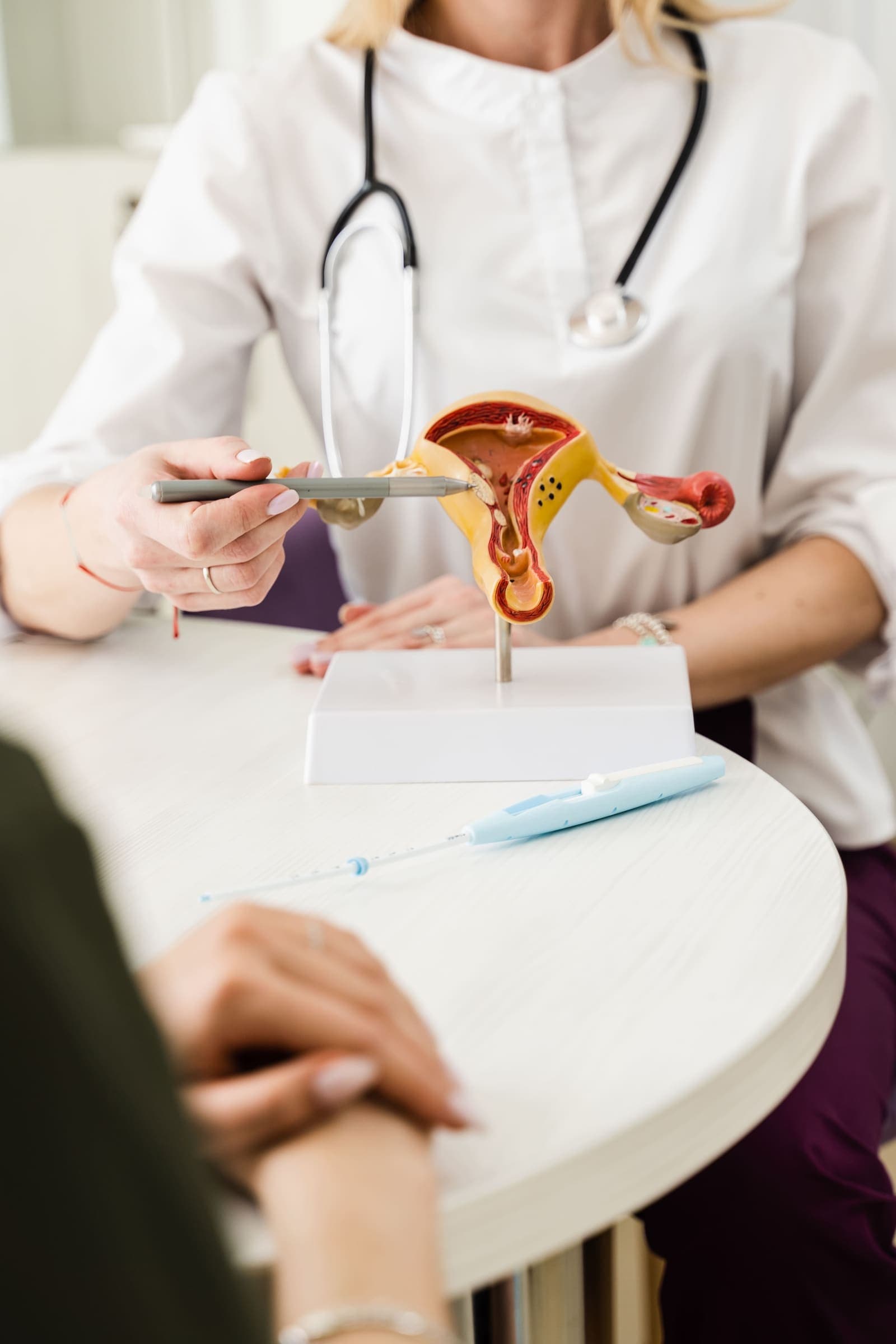
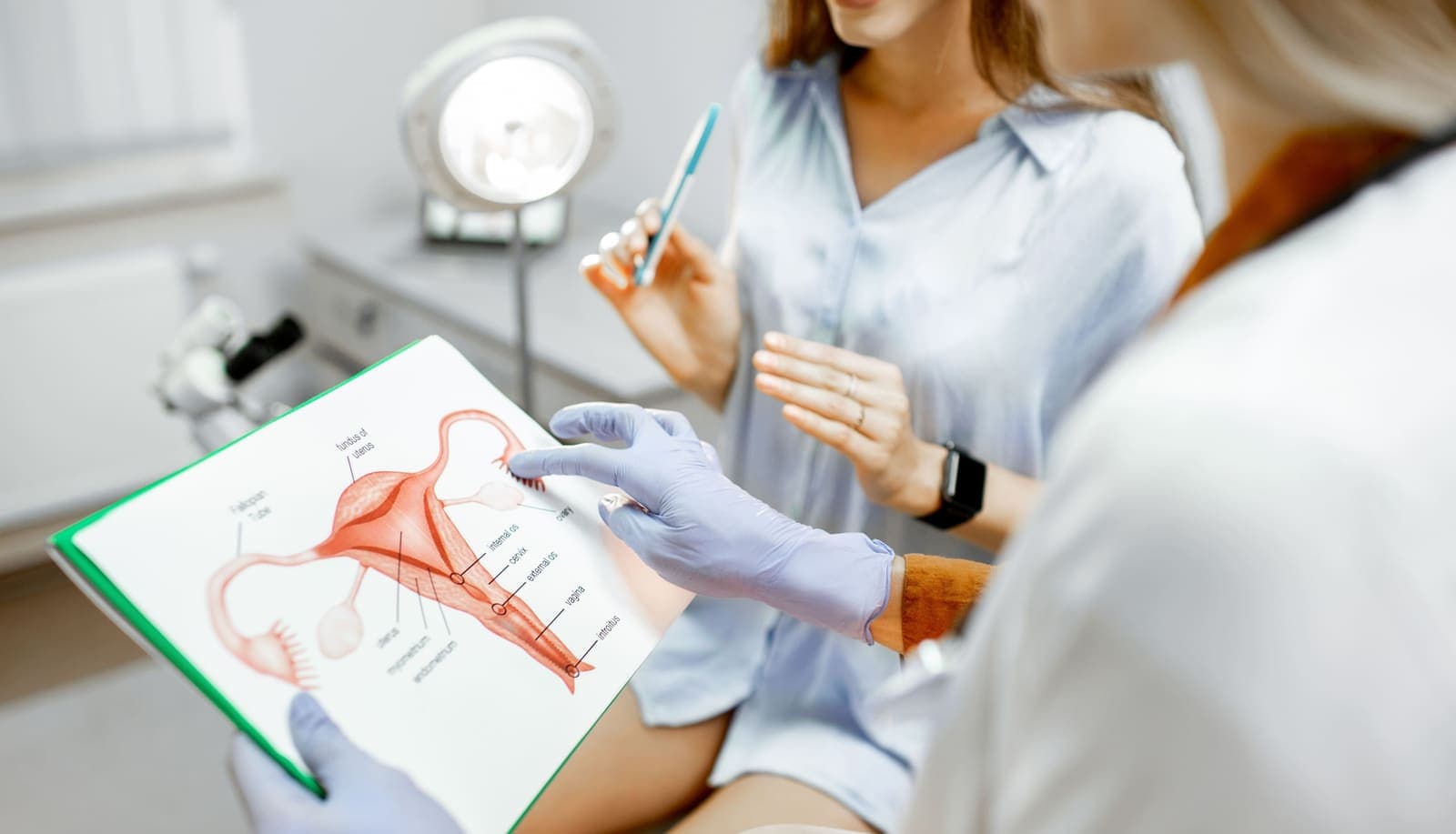
The perineum is the area of skin and muscle between the vaginal opening and the anus. During a vaginal birth, it stretches to let the baby's head pass. Most women's perineal tissue stretches remarkably well, but sometimes it tears, or the doctor decides to make a cut to help the baby out.
What is an episiotomy?
An episiotomy is a surgical cut made in the perineum during the second stage of labour to enlarge the vaginal opening. It is done under local anaesthesia (or an existing epidural) with sterile scissors, usually at the moment when the baby's head is crowning.
There are two common types.
- Mediolateral episiotomy. The cut goes diagonally from the vaginal opening, to the side, away from the anus. This is the most common type in India and in many countries, because it lowers the chance of the cut extending into the anal muscle.
- Midline (median) episiotomy. The cut goes straight down towards the anus. It tends to heal more easily and is less painful, but has a higher risk of extending into the anal sphincter. It is used in some countries, though less often.
Is an episiotomy routine?
It used to be. For decades, many doctors performed episiotomies on most first-time mothers, believing it would protect against severe tears and pelvic floor damage. Research has since shown that routine episiotomy does not give those benefits and may cause more blood loss, more pain and slower healing than a natural tear. The World Health Organization and major obstetric bodies recommend a restrictive approach: use it only when needed.
Where episiotomy rates are lower, outcomes are not worse, and women often recover faster. But a restrictive approach does not mean never. There are good reasons to perform one.
When is an episiotomy advised?
An episiotomy may be considered:
- When the baby needs to be delivered quickly, because of fetal distress (for example, an abnormal heart rate in the last stage)
- During assisted delivery with forceps or vacuum, particularly with forceps
- In shoulder dystocia, where the baby's shoulder is stuck and more room is needed to manoeuvre
- When a severe tear is anticipated, for example if the perineum is tight, rigid or scarred from previous surgery or female genital cutting
- A very large baby or an unusual head position where the tissues would not stretch enough
- A previous severe tear involving the anal muscle in some situations, though practice varies
- Breech delivery in selected cases
The decision is made in the moment, based on the progress of labour and the baby's condition. Wherever possible, your doctor will explain and obtain your agreement. Discussing your preferences before labour helps.
What are perineal tears?
Some tears happen on their own as the baby is born. They are very common, especially in first vaginal births, and are classified by depth.
- First-degree: involves only the skin of the perineum or the vaginal lining. Often needs few or no stitches and heals quickly.
- Second-degree: involves the skin and the perineal muscles, but not the anal sphincter. These need stitches. The cut of an episiotomy is similar in depth to a second-degree tear.
- Third-degree: extends into the muscle that surrounds the anus (the anal sphincter). It needs careful repair, usually in an operating theatre or under good anaesthesia.
- Fourth-degree: extends through the anal sphincter into the lining of the rectum. It requires repair by an experienced doctor.
Third- and fourth-degree tears are called obstetric anal sphincter injuries (OASIS). They occur in a small percentage of vaginal births (around 1 to 5 in 100, depending on the population and practice). They carry a higher risk of long-term problems such as leaking of wind or stool, and need careful follow-up.
How is it repaired?
After the baby and placenta are delivered, the doctor examines the area and repairs any episiotomy or tear.
- Anaesthesia. You should have adequate pain relief. If you had an epidural, it's topped up. If not, local anaesthetic is injected around the area. The needle sting is brief, and the area then goes numb.
- Cleaning and examination. The doctor checks the extent of the injury, including whether the sphincter or rectum is involved.
- Suturing. Layers of muscle and skin are stitched with absorbable (dissolving) sutures, which do not usually need to be removed. The vaginal lining, perineal muscles and skin are each repaired.
- Final check. The doctor may do a rectal examination to be sure no stitches have entered the rectum and that the area is intact.
The repair usually takes 20 to 40 minutes, and longer for complex tears. You are holding your new baby during this time in many cases, and skin-to-skin contact is usually possible.
What does recovery feel like?
Healing is a gradual process.
- First few days: soreness, swelling, bruising and a pulling sensation. Sitting, walking, passing urine and opening the bowels can be uncomfortable. Urine stinging over the wound is common.
- First 1 to 2 weeks: the pain eases steadily. Stitches begin to dissolve, and you may notice small threads on your pad or in the shower. Itching as it heals is normal.
- Weeks 2 to 6: most women feel much better and the wound has largely healed, although the area may feel tender or tight.
- After 6 weeks: healing is usually complete, although scar tissue may feel firm for longer.
Women with third- or fourth-degree tears may need longer, and follow-up is important.
Care tips for healing
These practical measures make a real difference.
Pain relief
- Take the pain relievers your doctor prescribes (usually paracetamol or an anti-inflammatory, if suitable) regularly for the first days, not just when pain is severe.
- Cold packs (wrapped in a cloth) applied for 10 to 20 minutes in the first 24 to 48 hours reduce swelling and pain.
- A doughnut cushion or sitting on a soft pillow, or sitting on one buttock, eases pressure.
Hygiene
- Rinse with warm water after urinating and opening your bowels. Using a squeeze bottle (peri-bottle) helps, especially when passing urine, as it dilutes the urine and eases stinging.
- Pat dry from front to back, with a clean towel. Don't rub.
- Change pads often, every 3 to 4 hours or when soiled.
- Wash your hands before and after.
- Avoid douching, perfumed products and harsh soaps.
- A warm sitz bath (sitting in a few inches of clean warm water) for 10 to 15 minutes, a couple of times a day, can soothe the area after the first day or two, if your doctor agrees.
- Let the area air out when you can.
Bowel habits
- Avoid constipation. Drink plenty of fluids, eat fibre (fruits, vegetables, whole grains, pulses) and use a stool softener if prescribed.
- When you open your bowels, support the wound by pressing a clean pad against the perineum. This reduces the fear of tearing the stitches.
- Don't strain. Straining does not usually open the stitches, but it hurts.
Movement
- Walk gently as soon as you feel able. It helps circulation and healing.
- Avoid heavy lifting and strenuous exercise for several weeks.
- Rest as much as possible while caring for your baby.
Pelvic floor exercises
Start gentle Kegel exercises within the first days or weeks, as comfortable. They improve circulation, reduce swelling and strengthen the muscles. If you have a third- or fourth-degree tear, ask for a pelvic floor physiotherapist referral.
When can you have sex again?
There's no fixed date. Most doctors suggest waiting until after your six-week check-up, or until you feel ready, the bleeding has stopped and you are no longer tender. Many women feel dryness and discomfort initially, particularly while breastfeeding, because of low oestrogen. A water-based lubricant helps. Go slowly, communicate with your partner, and talk to your doctor if pain continues beyond a few weeks.
Warning signs: call your doctor if you have
- Fever or chills
- Increasing pain, redness, swelling or heat around the wound
- Foul-smelling discharge or pus
- The wound seems to be opening
- Heavy bleeding
- Difficulty passing urine or opening your bowels
- Inability to control wind or stool (faecal incontinence)
- Persistent severe pain beyond the first couple of weeks
Infection is the main complication of an episiotomy or tear, and it's treatable if caught early. A wound that opens (breakdown) can be managed with antibiotics and sometimes resuturing.
Can you reduce the chance of needing an episiotomy or tear?
You cannot eliminate the risk, but some measures help.
- Antenatal perineal massage from about 34 to 35 weeks, done daily for a few minutes, may lower the chance of tears needing stitches and the need for episiotomy, especially in first-time mothers. Our guide on perineal massage explains the method.
- Warm compresses on the perineum during the second stage of labour.
- Controlled pushing and a slow delivery of the head. Follow your midwife or doctor's guidance on when to push and when to breathe.
- Upright or side-lying positions in labour. Lying flat on your back with legs in stirrups increases the strain on the perineum.
- Perineal support by an experienced birth attendant ("hands-on" technique).
- Maintain a healthy weight and manage diabetes, which can produce larger babies.
- Choose a team who use episiotomy judiciously. Ask about their approach.
Long-term outlook
Most women heal fully and have no lasting problems. A small number experience:
- Pain during intercourse (dyspareunia), often improved by pelvic floor physiotherapy, topical treatments or minor scar revision
- Scar tenderness
- Urinary or bowel symptoms, especially after third- or fourth-degree tears
- Prolapse or pelvic floor weakness later in life
If you have any ongoing symptoms, do not accept them as "normal after childbirth." Many are treatable.
Subsequent deliveries
After a previous episiotomy or second-degree tear, you can usually have a normal vaginal delivery again. After a severe (third- or fourth-degree) tear, your doctor will discuss the risk of recurrence, your symptoms and tests such as an anal ultrasound or anorectal function tests, and may offer a planned caesarean in selected cases. The decision is individual.
Common questions
Does an episiotomy hurt during the cut? The area is numbed, so you shouldn't feel the cut. You may feel pressure.
Is a tear better than a cut? A small natural tear often heals better than an episiotomy, but a severe tear is worse than a clean cut. That's why the decision depends on the situation.
How long do stitches take to dissolve? Usually around 2 to 4 weeks, sometimes longer.
Can I refuse an episiotomy? You can express your preferences. In an emergency, the doctor may recommend it for safety. Talk about it in advance.
Will I need stitches with a caesarean? There are stitches in the abdomen, not the perineum.
Is the stitching area smaller afterwards? A well-repaired perineum shouldn't affect the size of the vagina in any lasting way.
Prepare now, heal well later
Knowing what to expect takes some of the fear away, and good care makes recovery smoother. I look after expectant mothers from Noida, Greater Noida, Ghaziabad and Delhi NCR at Prakash Hospital, Sector 33, and I like to discuss delivery preferences well before labour. To book a consultation, call +91 97023 46853.
Related reading
- Perineal massage in pregnancy
- Postpartum care: first six weeks
- How to have a normal delivery
- Pelvic floor weakness in women
- Normal delivery vs caesarean section
This article is for general education. Please follow your own doctor's advice about your delivery and recovery.