Premature Ovarian Insufficiency (POI): Signs, Causes, Fertility and Treatment
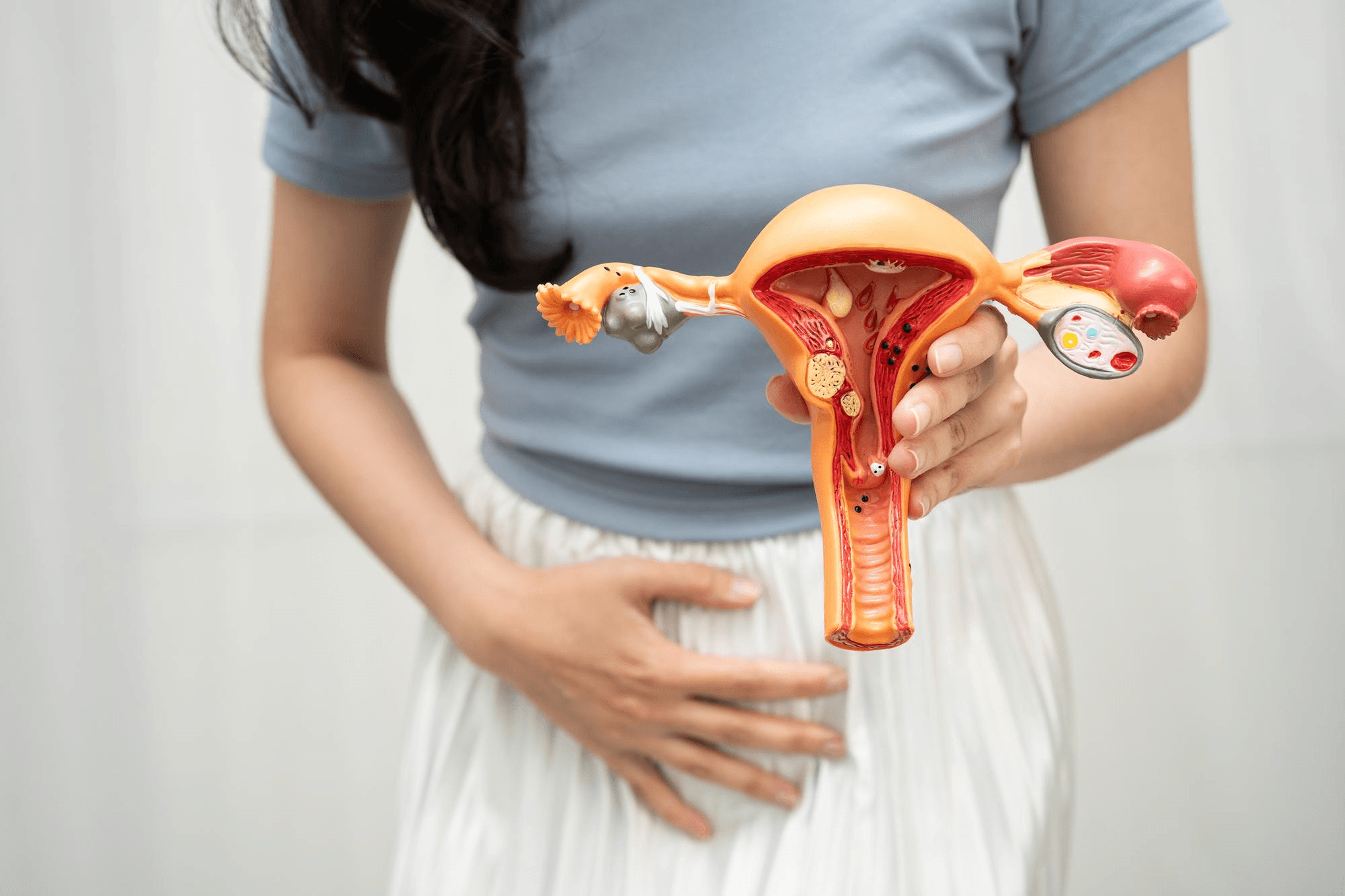
In POI the ovaries stop working normally before 40, though in many women their function still comes and goes.
Most women expect menopause in their late forties or early fifties. So when periods become unpredictable or stop altogether at 28, 33 or 38, the first reaction is often disbelief, followed by fear. "I am too young for this." "Is it stress?" "Does this mean I can never have a baby?"
The condition behind these questions is premature ovarian insufficiency (POI), also called premature ovarian failure or early menopause. It is not rare, it is not your fault, and, importantly, it is not always the end of fertility. It does need proper diagnosis, because the long-term effects of low oestrogen on bones, heart and mood are real and treatable.
This guide explains what POI is, the symptoms to look for, the causes, how it is diagnosed, how it affects fertility and what treatment and support look like. If you want to speak to a gynaecologist in Noida, details are at the end.
What is premature ovarian insufficiency?
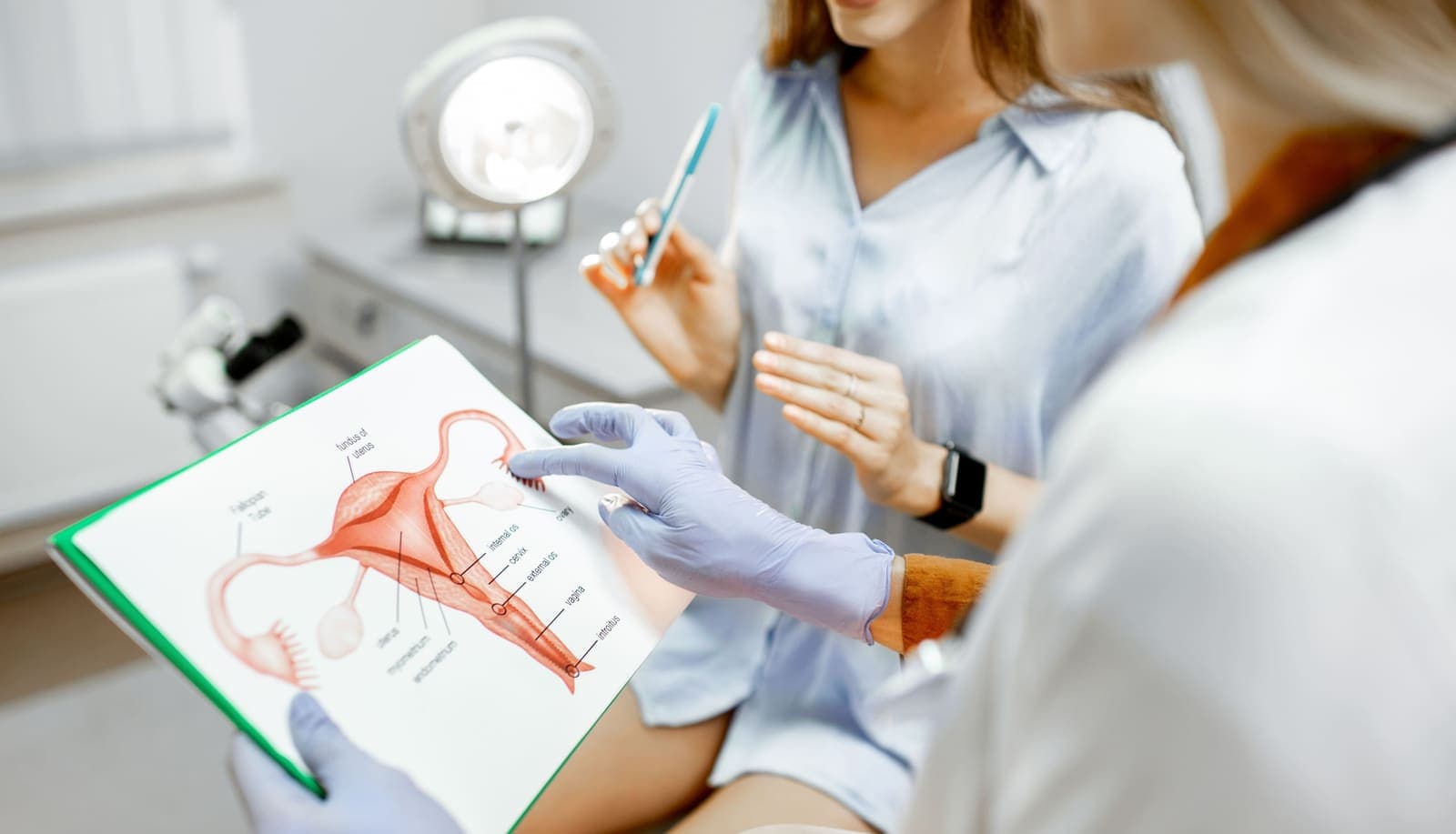
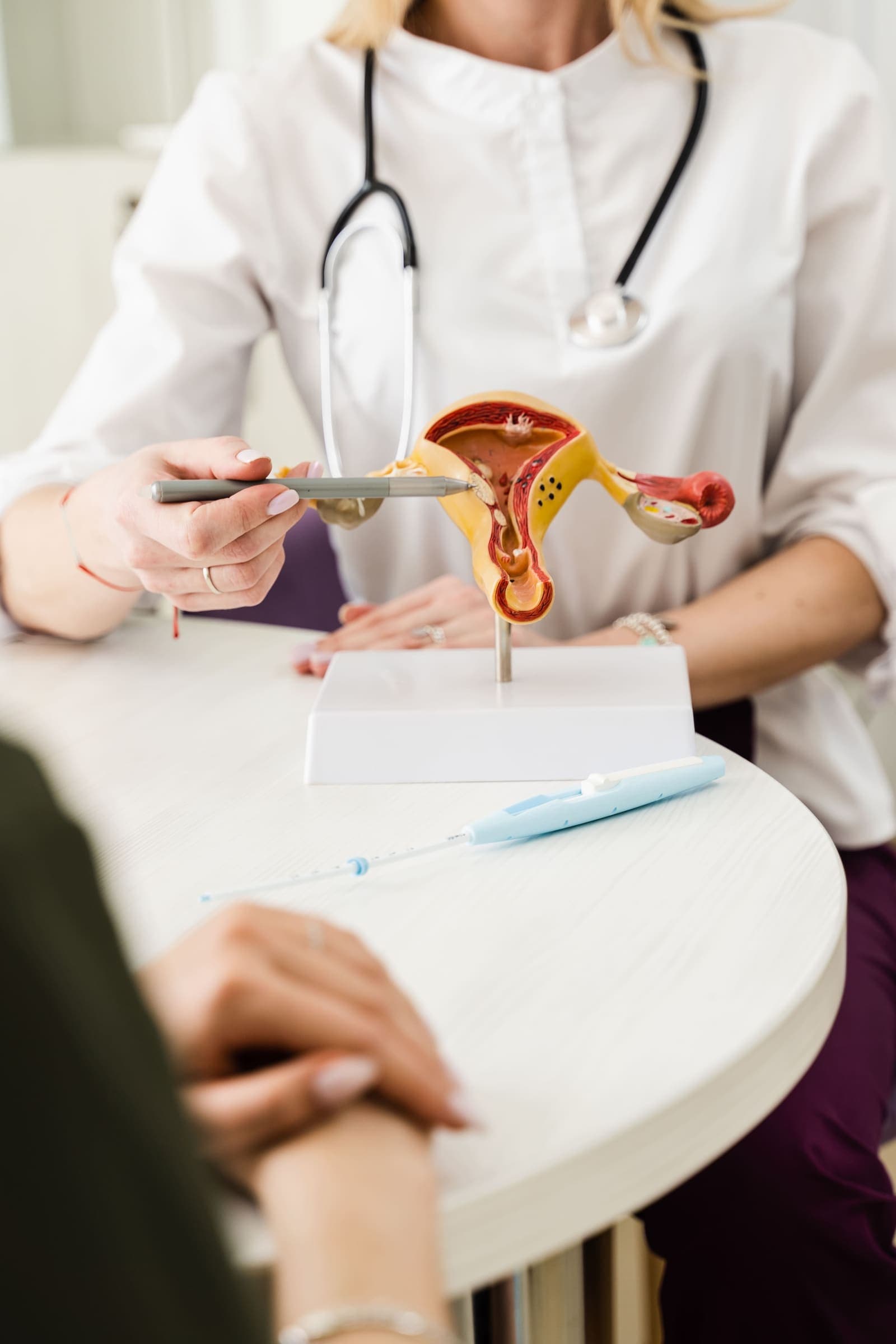
POI means the ovaries stop working normally before the age of 40. Normally, the ovaries release an egg every month and produce oestrogen and progesterone. In POI, the supply of eggs is low or the follicles do not respond properly, so ovulation becomes irregular or stops, and oestrogen levels fall.
The word "insufficiency" is deliberate. In many women with POI, the ovaries do not shut down completely. Ovarian function can flicker on and off, and some women still ovulate occasionally. That distinguishes POI from true menopause, where ovarian function has ended permanently. Roughly 5 to 10 percent of women with POI conceive naturally at some point after diagnosis, although this is unpredictable.
POI affects about 1 in 100 women under 40, and fewer under 30. It is different from the early-stage "diminished ovarian reserve," where egg numbers are low (a low AMH) but periods may still be regular.
Symptoms
Symptoms mirror those of menopause, often with a more sudden onset.
- Irregular or missed periods (the most common first sign), or periods that stop altogether
- Hot flushes and night sweats
- Vaginal dryness and pain with intercourse
- Reduced sex drive
- Difficulty conceiving
- Sleep problems
- Low mood, anxiety, irritability, poor concentration
- Fatigue
- Dry skin and eyes
- Urinary urgency or recurrent urinary infections
Some women have few symptoms at first, especially if they were on the contraceptive pill, which can mask the missed periods. Occasionally, POI is discovered only when a woman has trouble conceiving.
A common mistake is to attribute missed periods to stress, weight change or PCOS and delay testing. If you are under 40 and your periods have been absent or very irregular for three to four months or more, it is worth being checked.
Causes
In many women, the cause is never found (called idiopathic POI, up to around 70 to 90 percent in some series). Known causes include:
Genetic and chromosomal
- Turner syndrome or partial loss of an X chromosome
- Fragile X premutation (FMR1 gene), an important and often inherited cause
- Other gene changes affecting ovarian development
Autoimmune
The immune system may attack ovarian tissue. It often occurs together with other autoimmune conditions, such as autoimmune thyroid disease (Hashimoto's), Addison's disease (adrenal), type 1 diabetes, vitiligo or rheumatoid arthritis.
Medical treatment
- Chemotherapy and pelvic radiotherapy, which can damage the ovaries depending on the type, dose and age
- Surgery, including removal of both ovaries, ovarian cyst or endometriosis surgery that reduces ovarian tissue, or hysterectomy that disturbs blood supply
Infections
Some viral infections such as mumps, as well as pelvic tuberculosis and pelvic infections, have been linked to ovarian damage. Genital TB is a notable cause in India.
Environmental and lifestyle
- Smoking is linked to earlier menopause
- Exposure to certain toxins and chemicals is under study
Metabolic and other
Rare enzyme disorders such as galactosaemia, and conditions with abnormal hormone receptors.
Family history
If your mother or sister had early menopause, your risk is higher.
How is POI diagnosed?
Diagnosis combines symptoms with blood tests. International guidelines suggest the following criteria in women under 40:
- Absent or irregular periods for at least 4 months, and
- FSH levels in the menopausal range (commonly above 25 IU/L) on two tests at least four weeks apart
Tests your doctor may order:
- FSH, LH and oestradiol (the key hormone tests)
- AMH (anti-Müllerian hormone), which reflects ovarian reserve. It is usually very low in POI
- Pregnancy test (always the first step when periods are missed)
- Thyroid function and prolactin, to exclude other causes of missed periods
- Karyotype (a chromosome test), especially in younger women
- FMR1 (Fragile X) testing
- Adrenal and thyroid antibodies to look for autoimmune disease
- Pelvic ultrasound to assess ovarian size and antral follicle count
- Bone density scan (DEXA) to check for bone loss
- Fasting glucose, lipids and other tests as indicated
Because a single FSH value can fluctuate in POI, repeat testing is necessary.
Why treatment matters: the long-term risks
Oestrogen does more than regulate periods. It protects bones, heart, blood vessels, brain and tissues. When it falls years or decades earlier than expected, women face a longer period without that protection. The risks of untreated POI include:
- Osteoporosis and fractures
- Cardiovascular disease
- Cognitive effects and a possible increase in dementia risk later (still being studied)
- Mood disorders: depression and anxiety
- Sexual dysfunction and urinary symptoms
- Reduced quality of life
The upside is that these risks can be greatly reduced by replacing the hormones the ovaries no longer make.
Treatment
Hormone replacement therapy (HRT)
For women with POI, hormone therapy is not just symptom relief but a replacement of something the body should still be producing. Experts recommend that women with POI take HRT, unless there's a specific reason not to, until the average age of natural menopause (around 50 to 51). After that, the decision follows the same principles as for any other menopausal woman.
HRT for POI usually contains oestrogen (as tablets, patches or gel) and, in women with a uterus, a progestogen to protect the lining. Some women choose the combined oral contraceptive pill as an alternative form of replacement, though HRT generally provides more physiological levels and has a better effect on bones. Your doctor will help you choose.
The breast cancer risk concerns that surround HRT in older women do not apply in the same way to women with POI, who are replacing hormones until the normal age of menopause. Individual risk, family history and personal medical history still matter, so this decision should be personalised.
Bone and heart health
- Calcium and vitamin D. Make sure you get adequate dietary calcium (dairy, ragi, sesame, leafy greens) and vitamin D, with supplements if blood levels are low.
- Weight-bearing exercise: walking, jogging, dancing and strength training.
- Avoid smoking and limit alcohol.
- Regular DEXA scans as advised.
- Monitor blood pressure, cholesterol and sugar.
Vaginal symptoms
Vaginal moisturisers, lubricants and local oestrogen help dryness and painful sex.
Emotional support
A POI diagnosis can bring grief, anger, anxiety and a sense of lost identity. Counselling, peer support groups and open conversations with a partner are as important as medication. Please do not minimise how hard it can be.
Screening for related conditions
Because of the association with autoimmune disease, regular thyroid and other checks are advised.
POI and fertility
This is the hardest part for many women, so I want to be both honest and hopeful.
Natural pregnancy. It is uncommon but possible. About 5 to 10 percent of women with POI conceive spontaneously, because follicles can occasionally recover. Because ovulation is unpredictable, contraception is not reliable if you wish to avoid pregnancy, and HRT alone does not prevent pregnancy.
Ovulation induction and IVF with your own eggs. Success rates are generally low when ovarian reserve is very depleted. In some women with residual follicles, IVF with minimal or natural-cycle stimulation can be tried, but expectations should be realistic. Treatments like DHEA, growth hormone or ovarian PRP injections have been tried; evidence of benefit is limited and mostly experimental, so be cautious about clinics promising large benefits.
Donor egg IVF. The most effective option for pregnancy in POI. The uterus usually remains capable of carrying a pregnancy when supported with hormones, so donor egg treatment has good outcomes. It is a big emotional decision and benefits from counselling.
Embryo or egg freezing before treatment. If POI is a risk, for example before chemotherapy or surgery, or if you have a family history of early menopause or a known genetic cause, freezing eggs or embryos earlier preserves options. Women with a family history of early menopause may consider an AMH test and a fertility consultation in their twenties.
Adoption and other paths to parenthood. Many women find fulfilment through adoption or fostering.
Pregnancy risks. A pregnancy in a woman with POI, particularly after donor eggs, is a higher-risk pregnancy that needs careful monitoring. Women with Turner syndrome need specialist cardiac assessment before pregnancy.
Living well with POI
- Start HRT and stay on it until the advised age, unless advised otherwise
- Prioritise sleep, exercise and nutrition
- Keep up with bone density and cardiovascular checks
- Stay connected with your doctor, and reach out for mental health support
- Talk to your family, as some causes may be inherited
- Avoid unproven "ovary rejuvenation" or herbal products promoted online
Common questions
Is POI the same as menopause? Similar in effects, but not always permanent, and in POI there's a small chance of ovulation.
Can POI be reversed? Usually not, though function can come and go.
Can stress cause POI? Stress can disrupt periods temporarily, but it isn't a recognised cause of POI.
Will I age faster? No, but untreated low oestrogen can affect bone, skin and heart health, which is why HRT matters.
Can I still have a healthy sex life? Yes, with treatment for dryness, hormone replacement and good communication.
What if I'm 38 and my periods are irregular? Get checked. It could be PCOS, thyroid disease or POI, and each is managed differently.
You are not alone
POI is a medical condition with clear management. An early, accurate diagnosis protects your long-term health and opens up your options for family. I see women from Noida, Greater Noida, Ghaziabad and Delhi NCR at Prakash Hospital, Sector 33. To book a consultation, call +91 97023 46853.
Related reading
- Menopause: symptoms and management
- AMH test and ovarian reserve
- Egg freezing: who should consider it
- Hormone replacement therapy: benefits and risks
- Absent periods: causes and tests
This article is for general education. Diagnosis and treatment of POI should be directed by your doctor.