Vaginal Laser Treatment: Who It Helps and What to Expect
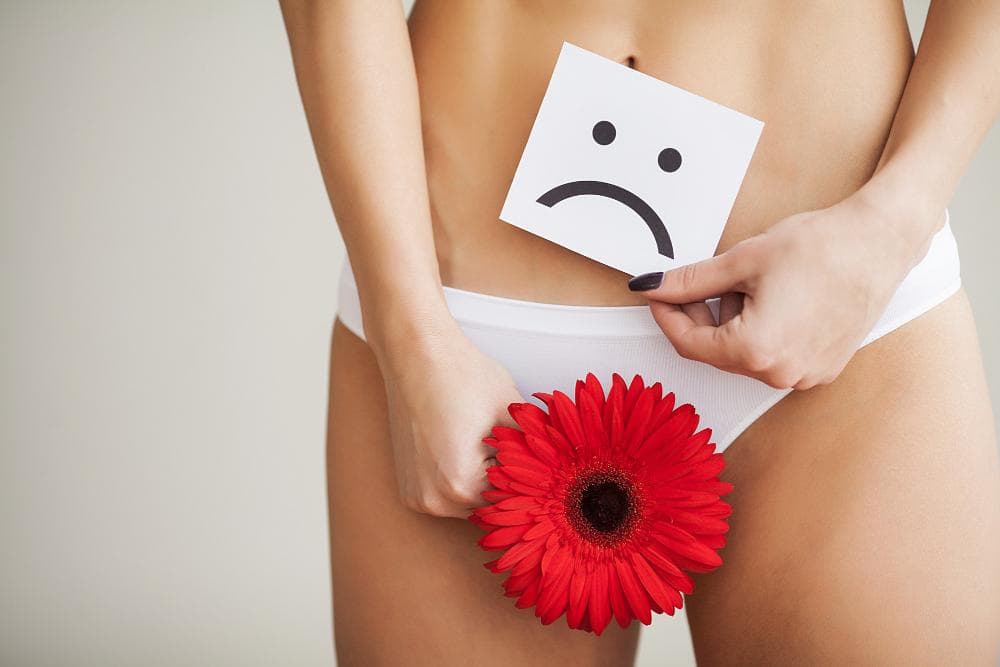
A woman holding a sad face card up in front of her lower abdomen, with red flowers positioned next to her vagina and vulva, and vaginal care is hinted at for and related to feminine hygiene and female health.
Vaginal CO2 fractional laser therapy is a non-surgical outpatient treatment for vaginal atrophy (dryness, thinning, and loss of elasticity) and mild stress urinary incontinence. It has been adopted by gynaecological practices across India over the past 5 to 7 years, driven by women seeking alternatives to hormonal treatment or more invasive procedures for these common complaints.
Dr. Shachi Singh, consultant gynaecologist at Prakash Hospital, Sector 33, Noida, provides a realistic overview.
What the Laser Does
CO2 fractional laser delivers controlled thermal energy to the vaginal mucosa in a precise, fractionated pattern — creating micro-zones of thermal injury surrounded by untreated tissue. This stimulates:
- Collagen synthesis — new collagen fibres thicken and strengthen the vaginal wall
- Revascularisation — improved blood supply to the vaginal mucosa
- Glycogen restoration in vaginal epithelial cells — restoring normal vaginal pH and moisture balance
- Improved elasticity and lubrication
The result is a thicker, better-lubricated vaginal mucosa — addressing the anatomical changes of atrophy.
Who Benefits from Vaginal Laser Treatment
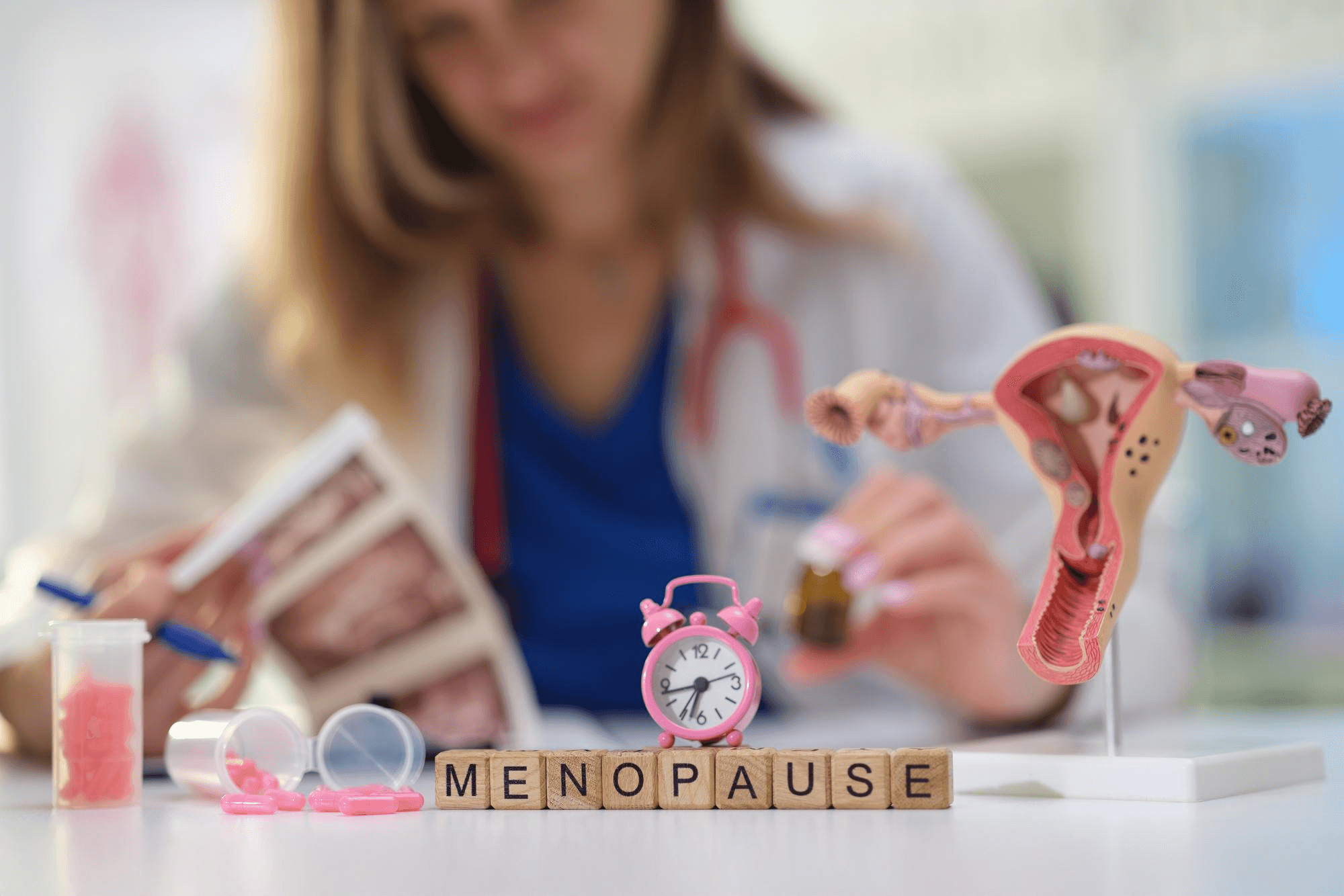
Menopausal and postmenopausal women with vaginal atrophy/GSM (genitourinary syndrome of menopause): The primary indication. Symptoms: dryness, burning, soreness, painful intercourse, urinary urgency and frequency from atrophic changes. Women who cannot or choose not to use vaginal oestrogen (breast cancer survivors on aromatase inhibitors, women with oestrogen-sensitive conditions) are a particularly relevant group.
Breastfeeding women with vaginal dryness: The low oestrogen of breastfeeding causes significant dryness and painful intercourse. Vaginal laser offers a hormonal alternative.
Mild stress urinary incontinence: Laser treatment of the anterior vaginal wall tightens the periurethral tissue and may reduce mild stress incontinence (leaking with coughing, sneezing, exercise). Moderate to severe incontinence is better managed with physiotherapy and surgical options.
Post-cancer treatment vaginal changes: Particularly relevant for women after chemotherapy and pelvic radiotherapy — though radiation-damaged tissue requires specialist assessment before laser treatment.
The Treatment Protocol
Number of sessions: Typically 3 sessions, 4 to 6 weeks apart, for initial treatment.
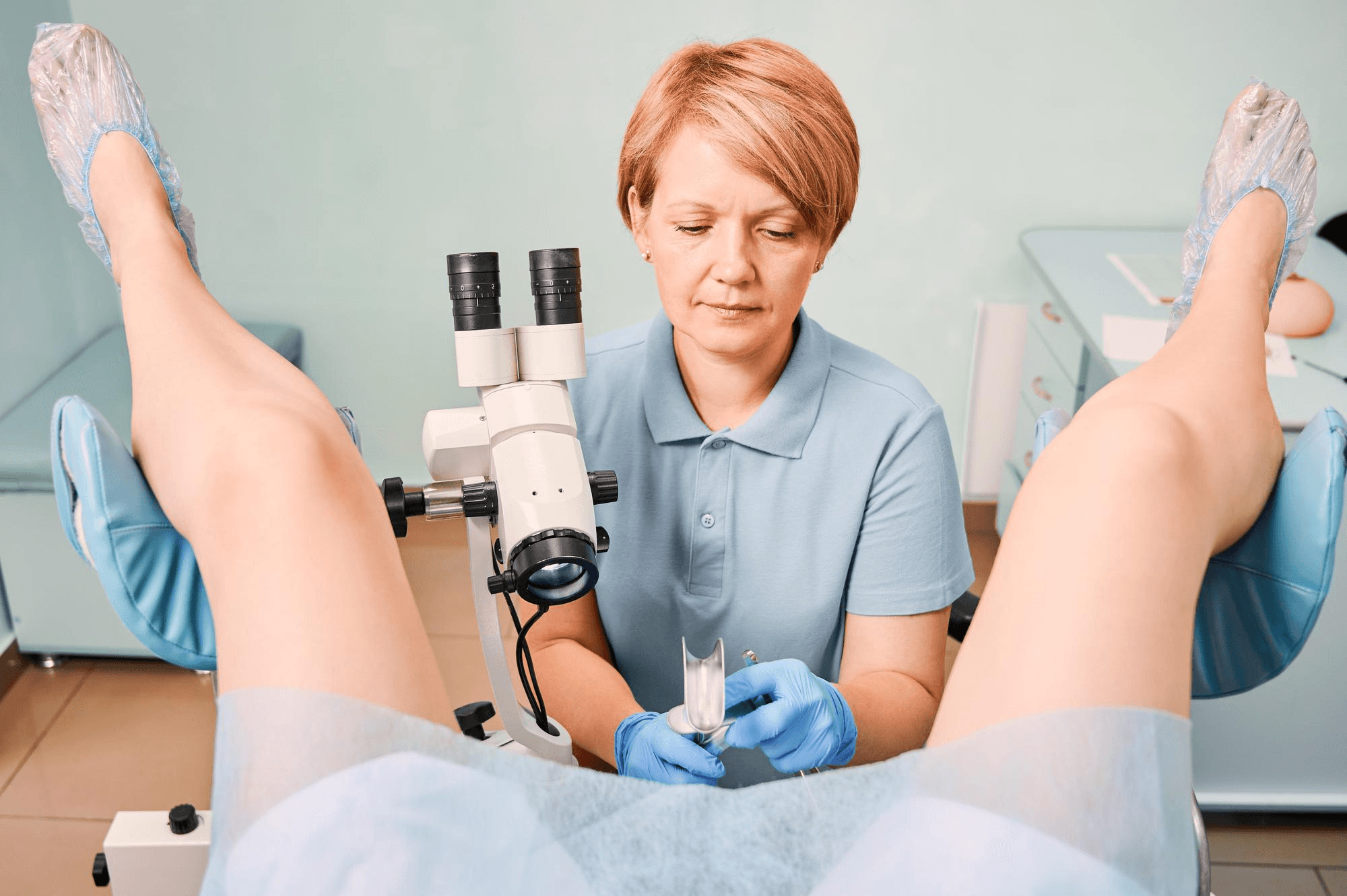
The procedure: A specialised probe is inserted into the vagina. The laser is delivered as the probe rotates and is withdrawn — treating the full circumference of the vaginal walls. Duration: 15 to 20 minutes per session. No anaesthesia required — most women feel warmth and mild pressure.
After each session: Light discharge for 2 to 3 days. Avoid sexual intercourse for 3 to 5 days.
Maintenance: Results last 12 to 18 months typically. An annual or 18-monthly maintenance session sustains benefits.
Realistic Outcomes
Published studies show approximately 70 to 80% of women reporting meaningful improvement in vaginal dryness, painful intercourse, and related symptoms after a 3-session course. Improvement in mild stress incontinence symptoms in approximately 60 to 70%.
Laser treatment is not a permanent cure — it stimulates a biological response that diminishes over time as the tissue ages. Maintenance treatments are part of the long-term plan.
It is not equivalent to oestrogen: Local vaginal oestrogen remains the gold-standard hormonal treatment for GSM with the most robust evidence. Laser is an effective alternative for those who cannot or prefer not to use hormones.
Gynaecological Care in Noida and Greater Noida
Dr. Shachi Singh at Prakash Hospital, Sector 33, Noida, provides CO2 vaginal laser treatment for women across Noida and Greater Noida.
To book a consultation with Dr. Shachi Singh, call: +91 97023 46853
This blog is for informational purposes only.