Pre-Conception Checklist: What to Do Before You Start Trying
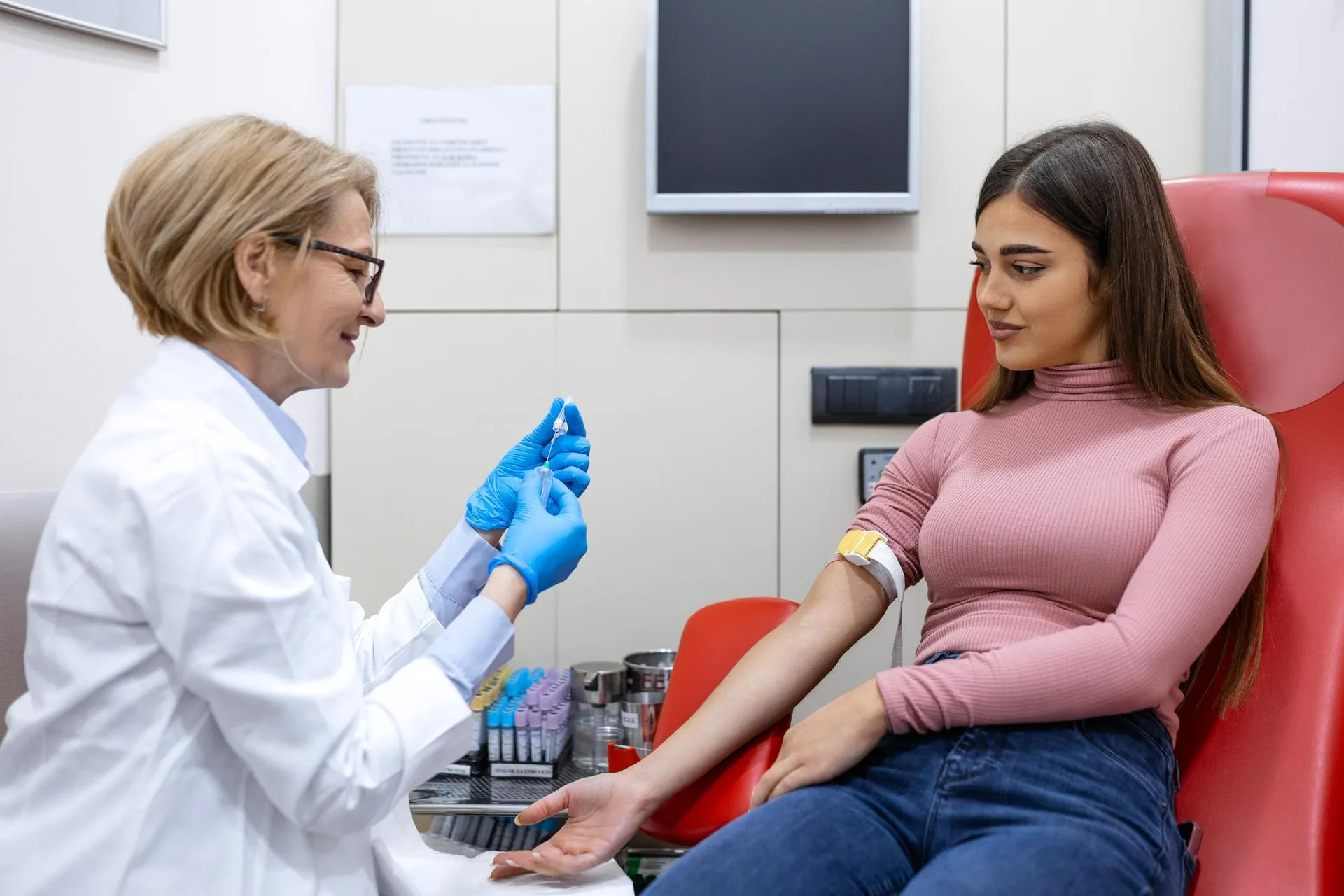
The doctor holds a syringe as the female patient is in the medical chair, having blood extracted.
The 3 months before trying to conceive are among the most impactful on pregnancy outcomes — yet most couples spend this time doing nothing specific because nobody has told them what to do. A focused pre-conception period reduces pregnancy complications, reduces miscarriage risk, and gives the best possible conditions for early fetal development.
Dr. Shachi Singh, consultant obstetrician and gynaecologist at Prakash Hospital, Sector 33, Noida, provides this practical checklist.
See Your Doctor First
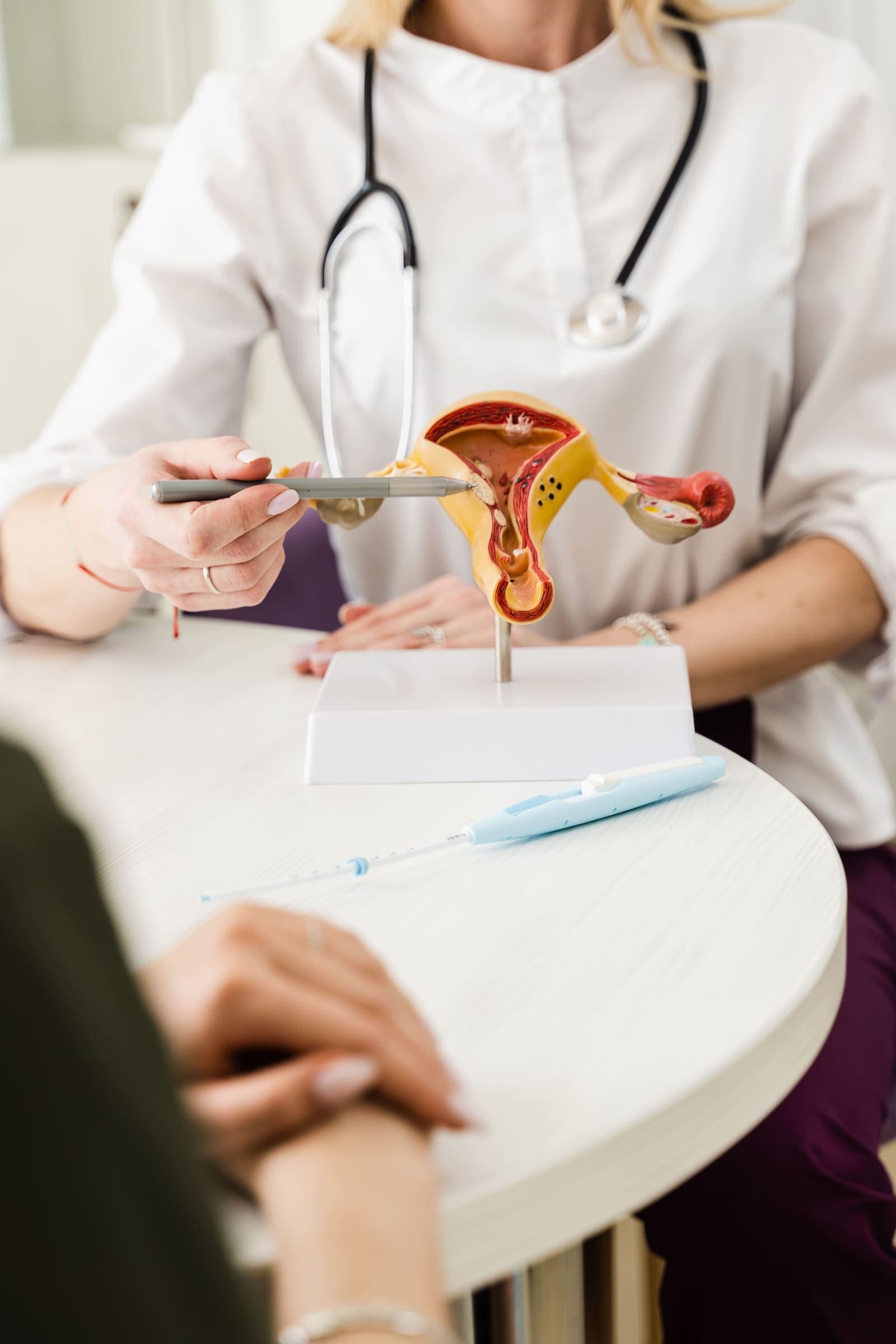
A pre-conception appointment is the most valuable first step. This is the time to:
- Review any chronic medical conditions — diabetes, thyroid disease, hypertension, epilepsy, autoimmune conditions — and ensure they are well-controlled before conception. Many conditions require medication adjustment before pregnancy (some epilepsy medications are teratogenic; poorly controlled diabetes significantly increases fetal malformation risk).
- Review all current medications for pregnancy safety
- Assess BMI and discuss weight optimisation
- Check blood pressure
- Screen for anaemia and nutritional deficiencies
- Review immunisation status
Supplements: What to Start Before Conception
Folic acid — non-negotiable, starts NOW: 400 micrograms daily minimum. Begin at least 1 to 3 months before trying, because the neural tube closes in the first 4 weeks — before most women know they are pregnant. Women with prior neural tube defect pregnancy, on certain epilepsy medications, or with diabetes need 5 mg daily.
Vitamin D: Get tested. High rates of deficiency in Indian women. Supplement 1,000 to 2,000 IU daily if deficient.
Iron: Test haemoglobin and ferritin. Treat any anaemia before pregnancy — entering pregnancy iron-replete significantly reduces pregnancy anaemia risk.
Iodine: Ensure use of iodised salt. Consider a supplement containing 150 mcg potassium iodide if dietary iodine is uncertain.
Lifestyle Changes That Matter
BMI optimisation: Both underweight (BMI below 18.5) and overweight (BMI above 25 for South Asian women) increase pregnancy complications. Even modest weight loss before conception improves ovulation, reduces miscarriage risk, and reduces gestational diabetes and hypertension risk.
Smoking: Stop completely. Smoking reduces fertility, increases miscarriage risk, causes placental complications, and increases the risk of low birth weight and stillbirth. Both partners.
Alcohol: Stop completely or reduce to minimal amounts. The safe level in early pregnancy is unknown — eliminating it removes the uncertainty.
Caffeine: Below 200 mg per day (roughly 1 to 2 cups of chai or 1 cup of coffee). High caffeine intake is associated with increased miscarriage risk.
Exercise: Regular moderate exercise is beneficial for conception and pregnancy. Excessive high-intensity exercise can disrupt ovulation. If your exercise volume is extreme, moderate it.
For Both Partners
Semen analysis: Before months of trying with nothing happening, a semen analysis at the beginning identifies male factor issues early. It is non-invasive and inexpensive. The most practical pre-conception step a man can take.
Lifestyle factors affecting sperm: Stop smoking, reduce alcohol, avoid prolonged heat exposure (hot tubs, tight underwear), avoid anabolic steroids (which suppress sperm production completely), optimise weight.
Medical Checks
- Thyroid function (TSH) — subclinical hypothyroidism reduces fertility and increases miscarriage risk
- Blood glucose — particularly if overweight, family history of diabetes, or PCOS
- Rubella immunity — if not immune, vaccinate before trying (live vaccine, must avoid pregnancy for 1 month after)
- Cervical smear — ensure it is up to date before pregnancy
- STI screening — chlamydia particularly, to exclude asymptomatic infection that affects tubal health
Gynaecological Care in Noida and Greater Noida
Dr. Shachi Singh at Prakash Hospital, Sector 33, Noida, provides pre-conception consultations for women and couples planning pregnancy across Noida and Greater Noida.
To book a consultation with Dr. Shachi Singh, call: +91 97023 46853
This blog is for informational purposes only.