Perineal Massage in Pregnancy: What the Evidence Shows

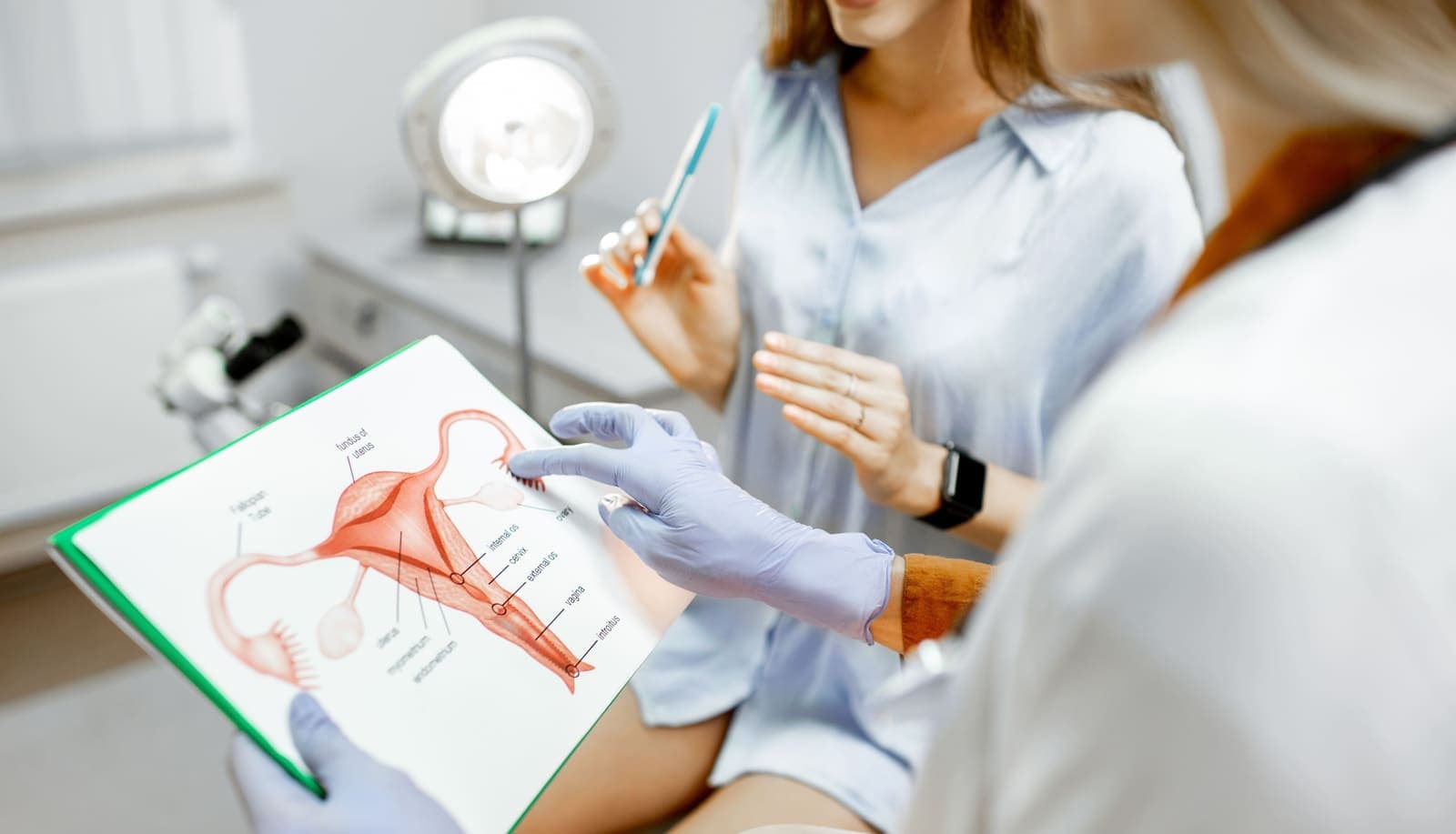
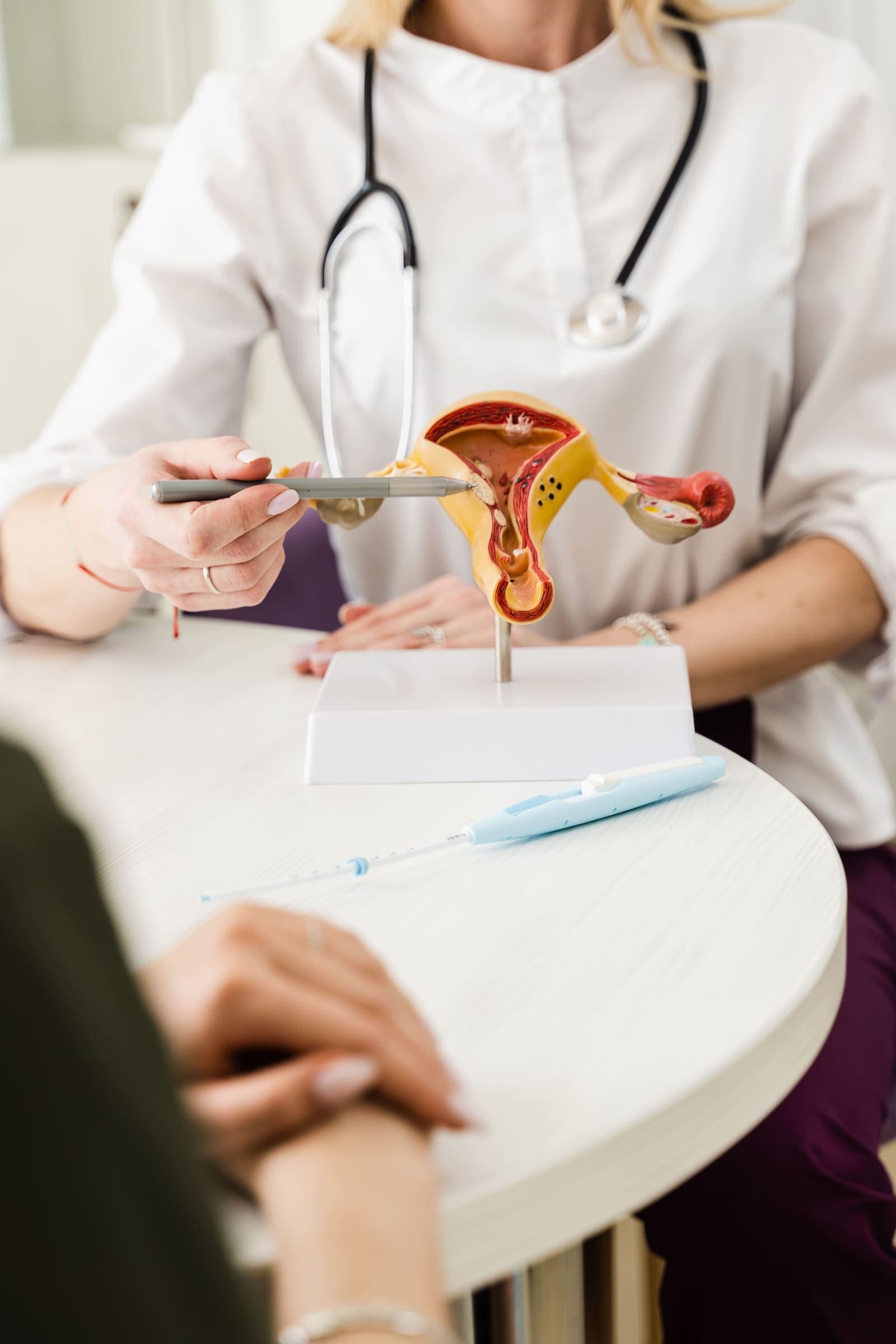
A pregnant woman speaking with a doctor in a clinical setting.
Perineal massage — manually stretching the perineum (the area between the vaginal opening and the anus) in the weeks before delivery — has been recommended by midwives and obstetricians as a way to reduce the incidence and severity of perineal tearing during vaginal birth. It is simple, free, carries no meaningful risk, and the evidence supports it for first-time mothers.
Dr. Shachi Singh, consultant obstetrician at Prakash Hospital, Sector 33, Noida, explains.
The Evidence Base
A Cochrane systematic review (2013, updated) and subsequent trials have examined perineal massage starting from 34 to 36 weeks of pregnancy. The consistent findings:
For first-time mothers (nulliparous women):
- Significant reduction in the rate of episiotomy and perineal tears requiring suturing
- Modest reduction in ongoing perineal pain at 3 months postpartum
- No reduction in severe (3rd and 4th degree) tears — which are less likely to be prevented by massage alone
For women who have had vaginal deliveries before (multiparous women):
- Less clear benefit — the perineum has already stretched once
Bottom line: Perineal massage from 34 to 36 weeks is specifically recommended for women having their first vaginal birth. The evidence does not strongly support it for subsequent vaginal deliveries.
How to Do Perineal Massage Correctly
Start at 34 to 36 weeks of pregnancy. Perform 4 to 5 times per week for best effect (daily is not significantly better than 4 to 5 times weekly in the evidence).
What you need: Clean hands (nails trimmed short). A lubricating oil — natural oils work well: almond oil, coconut oil, vitamin E oil, olive oil. Avoid synthetic oils or petroleum jelly.
Position: Sitting semi-reclined with knees bent and apart, or one foot raised on a stool or bath edge. The partner can perform the massage if the woman finds it difficult to reach in later pregnancy.
Technique:
- Apply oil to the thumbs and perineum
- Insert both thumbs approximately 3 to 4 cm into the vagina
- Apply downward and sideways pressure toward the perineum (toward the rectum) — you should feel a stretching, burning sensation
- Hold this pressure for 1 to 2 minutes
- Gently massage the perineum in a U-shaped motion — pressing downward and out to each side
- Duration: 4 to 5 minutes total per session
What you should feel: Stretching and mild burning — this is the normal sensation of tissue being stretched. It should not be sharply painful. The sensation diminishes as the tissue becomes more flexible over weeks of practice.
Partner massage: Identical technique, using index fingers instead of thumbs if preferred.
What Perineal Massage Does Not Guarantee
Perineal massage reduces the probability of tears and episiotomy — it does not eliminate them. Many factors determine perineal outcome at delivery: baby's size and position, speed of second stage, birth attendant's technique, maternal pushing pattern, and anatomy. Massage is one modifiable factor — a useful one, but not the only one.
Obstetric Care in Noida and Greater Noida
Dr. Shachi Singh at Prakash Hospital, Sector 33, Noida, provides perineal massage guidance as part of antenatal preparation for women across Noida and Greater Noida.
To book a consultation with Dr. Shachi Singh, call: +91 97023 46853
This blog is for informational purposes only.