PCOS Specialist in Noida: Diagnosis, Treatment and Long-Term Care

PCOS is diagnosed when two of three criteria are met and conditions that mimic it are ruled out.
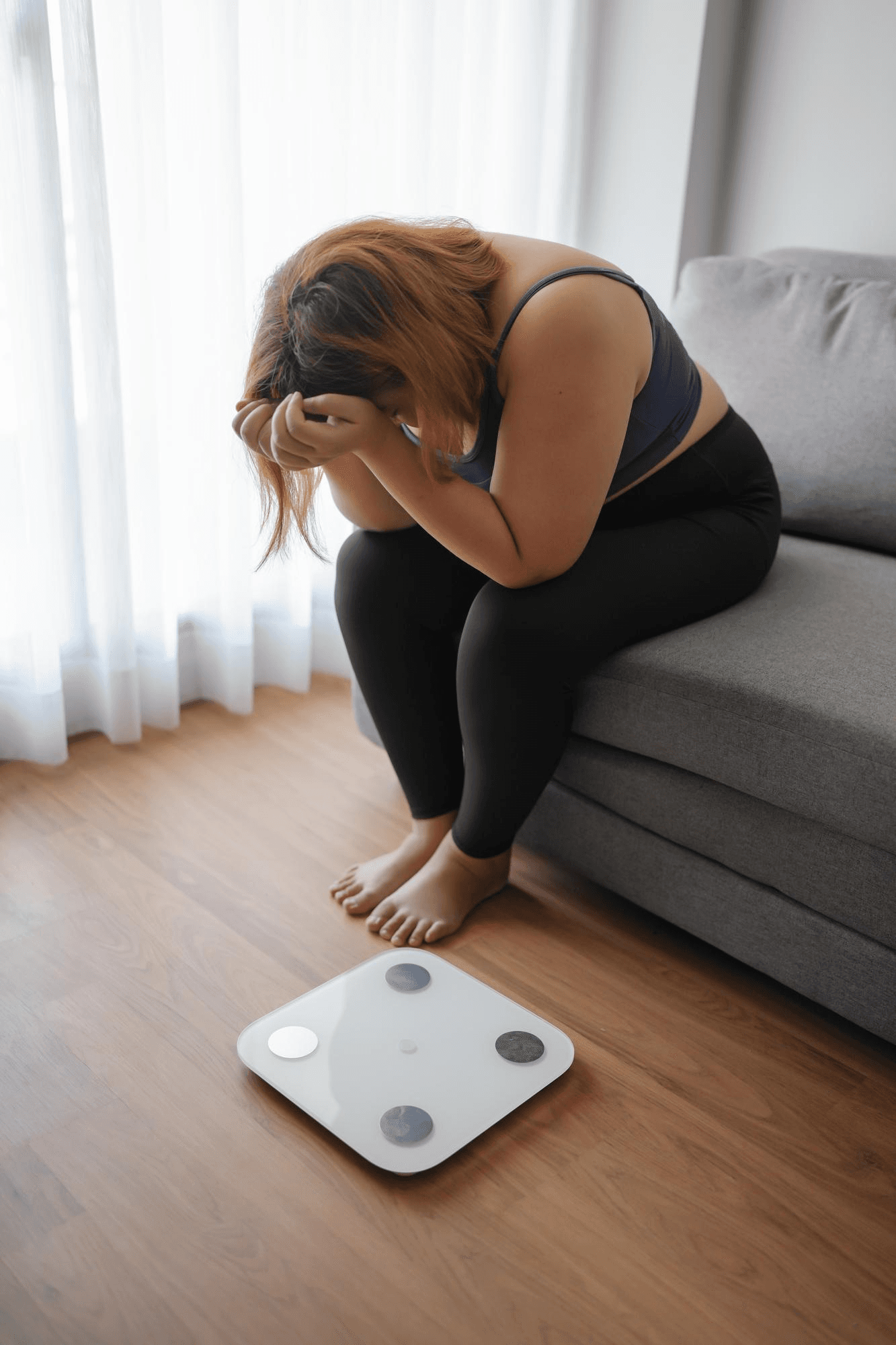
Few diagnoses worry young women as much as PCOS. It often begins with irregular periods or stubborn acne. Then comes a scan report that mentions "polycystic ovaries," a prescription for a pill and a general instruction to lose weight. Many women leave without knowing what PCOS really is, whether it will affect their ability to have children and what they should do for the next ten years.
I see a large number of women with PCOS at my clinic, and my aim is for each one to leave with a clear understanding of her own condition and a practical plan. If you are searching for a PCOS specialist or PCOS doctor in Noida, this page explains what PCOS is, how it is diagnosed properly, what treatment includes and what long-term care looks like. I am Dr. Shachi Singh, a Consultant Gynaecologist and Laparoscopic Surgeon at Prakash Hospital, Sector 33, Noida.
What is PCOS?
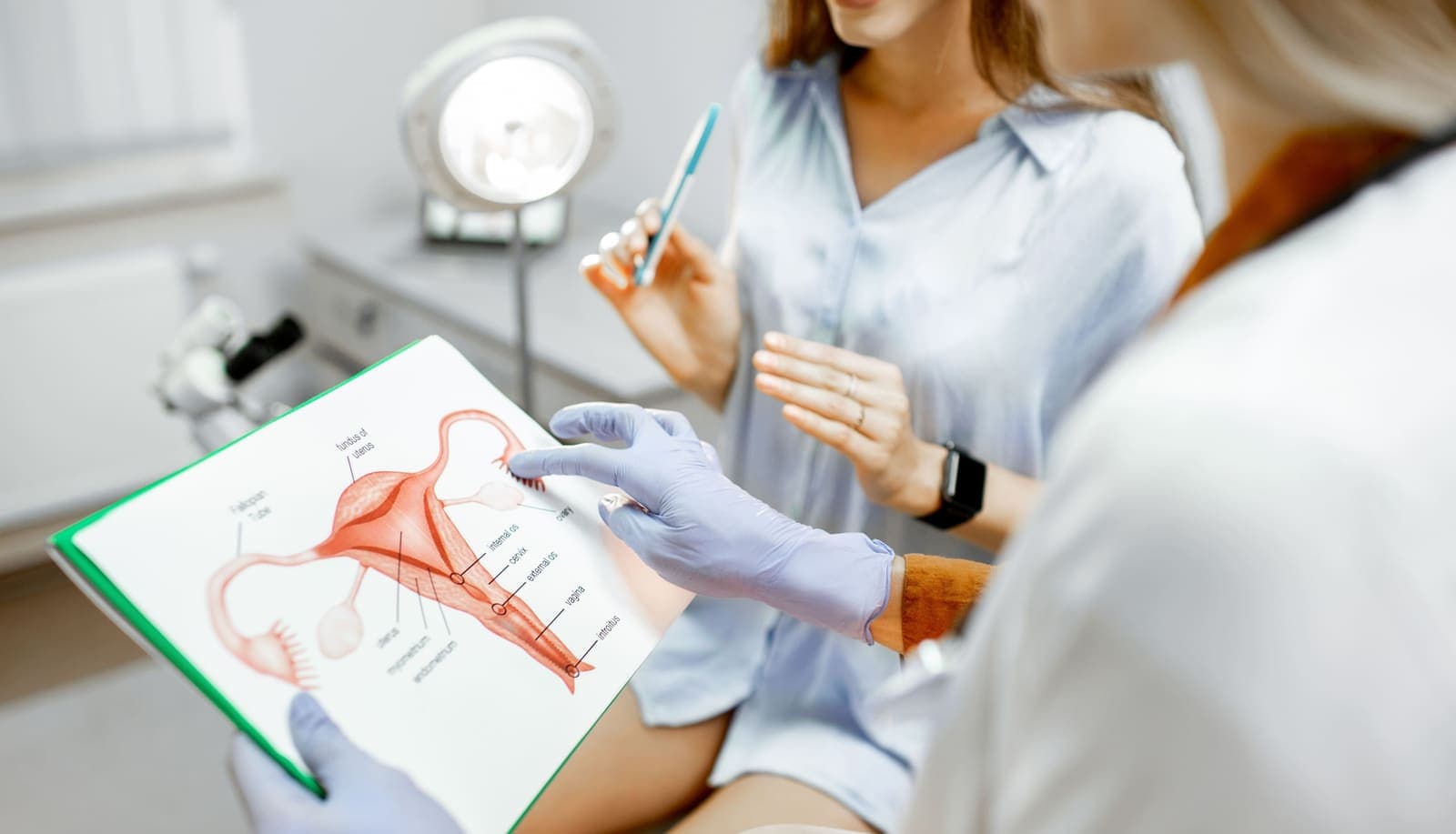
PCOS (polycystic ovary syndrome) is a common hormonal condition affecting roughly 1 in 10 women of reproductive age, with variations by population. It is a syndrome, which means a collection of features, not a single disease. The core problems are:
- Irregular or absent ovulation, causing irregular periods and sometimes difficulty conceiving
- Raised androgens ("male" hormones, present in all women in small amounts), causing acne, excess facial and body hair (hirsutism) and scalp hair thinning
- Ovaries with many small follicles on ultrasound (this is not a true "cyst" in the usual sense)
Many women also have insulin resistance, where the body needs more insulin than normal to control blood sugar. High insulin stimulates the ovaries to produce more androgens, which creates a cycle that disturbs ovulation. This is why weight gain, particularly around the waist, is common in PCOS, although women of normal weight can have PCOS too.
PCOS and PCOD. Many people use the terms interchangeably. Strictly, PCOD refers to ovaries with many follicles, and PCOS to the full syndrome. In everyday practice, the difference matters less than getting the diagnosis and management right. See our separate article on PCOS vs PCOD.
Symptoms
- Irregular periods: fewer than 8 per year, cycles longer than 35 days or periods that stop for months
- Heavy bleeding when periods do come
- Acne, oily skin
- Excess hair on the face, chin, chest or abdomen
- Scalp hair thinning
- Weight gain, difficulty losing weight
- Dark, velvety patches of skin on the neck or underarms (acanthosis nigricans), a sign of insulin resistance
- Difficulty conceiving
- Mood changes, anxiety, low mood, poor sleep
- Fatigue
Not everyone has all of these. Some women with PCOS have regular periods but other features, and some have only irregular cycles.
How is PCOS diagnosed?
PCOS is a diagnosis of exclusion based on a set of criteria, and conditions that mimic it must be ruled out. The commonly used (Rotterdam) criteria require two out of three of the following:
- Irregular or absent ovulation
- Clinical or biochemical signs of excess androgens
- Polycystic ovaries on ultrasound (or, in newer international guidance for adults, a raised AMH level may be used as an alternative marker)
Other conditions must be excluded, for example thyroid disease, high prolactin, non-classical congenital adrenal hyperplasia, Cushing's syndrome and androgen-secreting tumours.
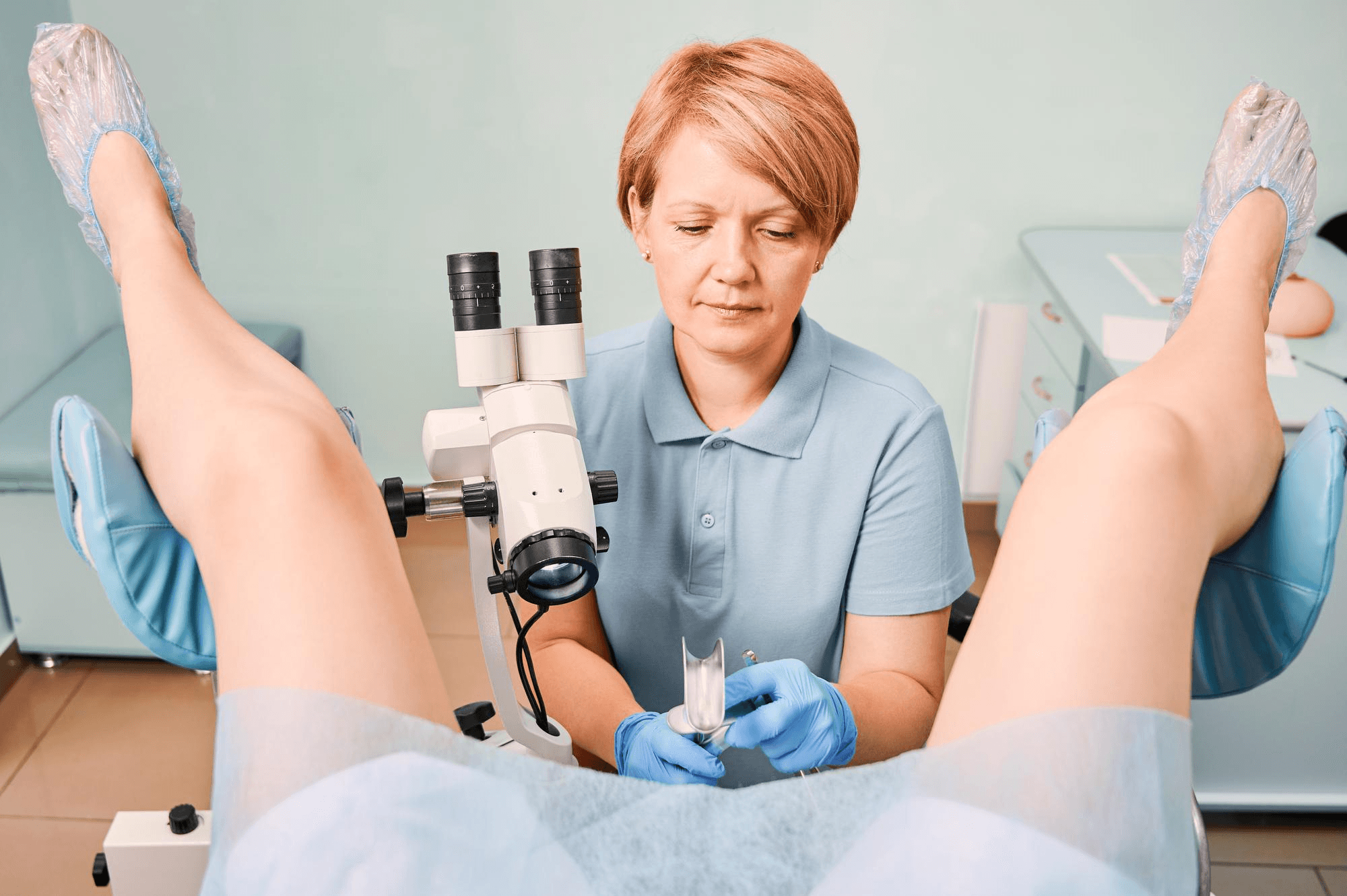
A thorough evaluation usually includes:
- History and examination: menstrual pattern, weight, BMI, waist, blood pressure, acne, hair growth
- Pelvic ultrasound: ovarian size, follicle count and lining
- Blood tests: thyroid function (TSH), prolactin, testosterone and related hormones, 17-hydroxyprogesterone when indicated, sometimes FSH, LH and AMH
- Metabolic screening: fasting glucose or an oral glucose tolerance test, HbA1c, cholesterol and triglycerides, liver enzymes
- Vitamin D and B12 levels, common in Indian women
In teenagers, diagnosis is more cautious, because irregular cycles are common in the first two years after the first period, and ovaries often look polycystic on ultrasound at that age. We focus on symptoms and monitoring.
Why PCOS needs more than a pill
PCOS is a long-term condition. Beyond periods and fertility, it is associated with a higher risk of:
- Type 2 diabetes and gestational diabetes
- High blood pressure and abnormal cholesterol
- Fatty liver (non-alcoholic fatty liver disease)
- Endometrial hyperplasia and cancer if periods are infrequent for long periods, because the uterine lining builds up without shedding
- Sleep apnoea
- Anxiety and depression
- Pregnancy complications such as gestational diabetes, high blood pressure and preterm birth
None of this is meant to alarm you. These risks can be reduced with early attention, and women who understand PCOS can manage it well for life.
Treatment: a plan built around your goals
Treatment depends on what troubles you most: periods, acne and hair, weight, fertility or health risk. Often several goals overlap.
1. Lifestyle changes: the foundation
For women who are overweight, even a 5 to 10 percent loss of body weight can restore ovulation, improve insulin resistance and improve acne and hair growth. But healthy lifestyle benefits women of any weight.
- Food. There's no single "PCOS diet." A pattern that works for most women focuses on whole grains and millets, pulses, vegetables, fruit, nuts, seeds and adequate protein, with fewer refined carbohydrates, sugary drinks and ultra-processed food. Regular meals, not crash diets. A nutritionist can help create a plan that suits your food culture.
- Exercise. Aim for around 150 minutes of moderate activity per week, plus strength training twice a week. Walking, cycling, swimming, yoga and gym work all count.
- Sleep and stress. Seven to eight hours of sleep and stress management matter more than most women realise.
- Quit smoking and limit alcohol.
2. Regulating periods and protecting the uterus
If you are not planning pregnancy, options include:
- Combined oral contraceptive pills, which regulate cycles, reduce androgens, improve acne and protect the uterine lining
- Cyclical progestogen tablets to induce a withdrawal bleed every few months
- A hormonal IUD (levonorgestrel) for lining protection and heavy bleeding
The aim is to have a bleed at least every three months, to prevent build-up of the lining.
3. Acne, hair growth and hair loss
- Topical treatments and dermatology input for acne
- Anti-androgen medicines (such as spironolactone) in suitable women, with contraception, as they are unsafe in pregnancy
- Hair removal methods (laser, electrolysis) for hirsutism, which work with medicines
- Treatment of scalp hair thinning with dermatology guidance
Results take months, and patience is needed.
4. Insulin resistance and metabolic health
Metformin may help women with insulin resistance, impaired glucose tolerance or diabetes, and can improve cycles and weight in some. Other options may be considered by your doctor. Supplements such as inositol are popular, and some studies show benefit for cycles and metabolic markers, but the evidence is limited and inconsistent, so they are not a substitute for core treatment. Please do not buy supplements based on advertising. Discuss them with me.
5. Fertility treatment
Many women with PCOS conceive, but ovulation is the barrier. Options, in a typical order:
- Lifestyle and weight optimisation
- Ovulation induction with letrozole (now widely considered first choice) or clomiphene, with follicle monitoring
- Metformin in selected women, sometimes alongside
- Gonadotropin injections, with careful monitoring because of the risk of multiple follicles
- Laparoscopic ovarian drilling in selected cases
- IUI and IVF when needed, for example when tubes are blocked, male factor is present, or simpler treatments fail
Before treatment, the tubes and your partner's semen should be assessed. Our articles on letrozole, clomiphene, IUI and IVF explain these options.
6. Emotional wellbeing
PCOS affects body image, confidence and mood. Anxiety and depression are more common. Please tell me if you feel low, anxious or overwhelmed. Counselling and support are part of care.
PCOS in pregnancy
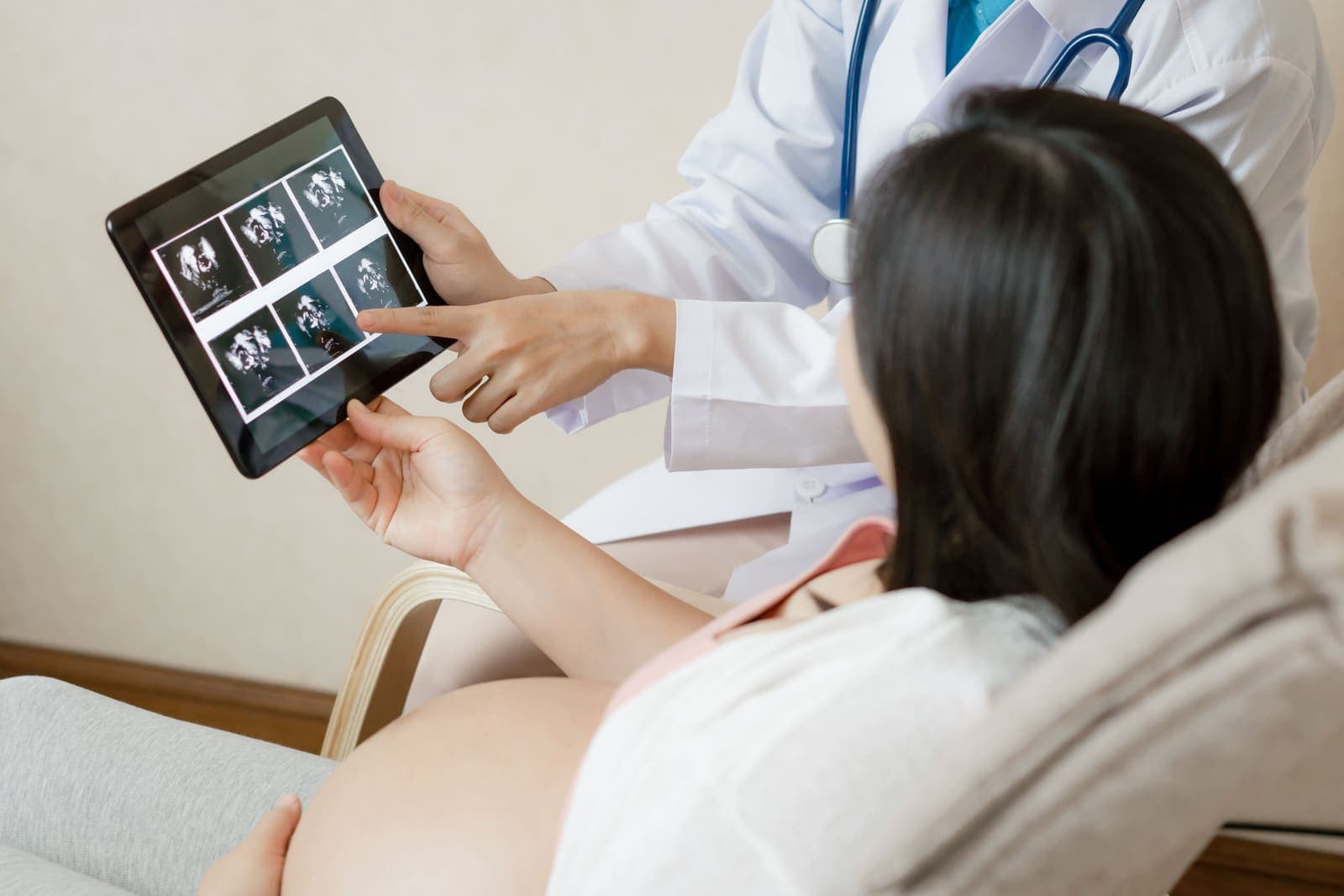
Women with PCOS have a higher risk of gestational diabetes, high blood pressure and preterm birth. With early registration, glucose testing, blood pressure monitoring and healthy lifestyle, most women have healthy pregnancies. Our team offers antenatal care throughout.
PCOS in teenagers and young women
For teenagers, I emphasise healthy habits, support for acne and period problems, and avoiding unnecessary alarm. For young women not ready for pregnancy, regulating cycles and managing symptoms is the focus. A regular check-up (weight, blood pressure, blood sugar) helps to catch metabolic changes early.
Long-term follow-up
PCOS needs ongoing attention, not a one-time fix. A sensible follow-up plan includes:
- Yearly weight, blood pressure, waist measurement
- Blood sugar and cholesterol checks every one to three years (more often if risk is high)
- Review of periods and endometrial protection
- Mental health check-ins
- Pregnancy planning discussions when you are ready
- Perimenopause and menopause planning, since PCOS does not disappear, though cycles often become more regular with age
Myths about PCOS
"PCOS means I can't have children." Many women with PCOS conceive, sometimes with help.
"Only overweight women get PCOS." Lean PCOS exists.
"Birth control pills cure PCOS." They control symptoms and protect the uterus, but don't cure the underlying condition.
"I should avoid all carbohydrates." Not necessary. Quality and quantity matter.
"Cysts need surgical removal." The follicles on the ovaries in PCOS are not cysts requiring surgery.
"PCOS goes away after marriage or childbirth." It may change, but doesn't disappear on its own.
Why choose a gynaecologist for PCOS
PCOS spans hormones, periods, fertility, skin, metabolism and mental health. A gynaecologist can diagnose and begin treatment, coordinate with a dermatologist, endocrinologist and nutritionist where needed, and support you through fertility treatment and pregnancy. I take time to explain the condition and tailor treatment to your goals, whether that is regular periods, clearer skin, weight management or starting a family. Please confirm the exact services available when booking.
Common questions
Do I need to take pills for life? Not necessarily. Treatment depends on your goals and changes with time.
Can PCOS be cured? It can be managed very well, but not cured.
Will my periods become regular? Often yes, with lifestyle changes and treatment.
Is PCOS genetic? It runs in families to some extent.
Do I need a scan every year? Not routinely. Follow-up is based on symptoms and goals.
Is it safe to try for a baby with PCOS? Yes, with preparation and medical support.
Book a PCOS consultation
If you have irregular periods, acne, unwanted hair or difficulty conceiving, or if you have been told you have PCOS and want a clearer plan, I would be glad to help. I see women from Noida, Greater Noida, Ghaziabad and Delhi NCR at Prakash Hospital, Sector 33. To book a consultation, call +91 97023 46853.
Related reading
- PCOS vs PCOD: what is the difference?
- PCOS diet plan
- Insulin resistance and PCOS
- Letrozole for ovulation
- PCOS and pregnancy
This page is for general education and does not replace personal medical advice.