Lady Doctor Near Noida Expressway (Sectors 128 and 137): Gynaecology and Pregnancy Care
Continuity with one doctor, from early scans to delivery planning, matters more than distance from home.
Along the Noida Expressway, from Sector 128 to Sector 137 and the neighbourhoods around them, tall residential societies have become home to a large number of young families. Many of the women who live here are professionals, new mothers, couples starting a family or women juggling work-from-home schedules with children and ageing parents. A good gynaecologist is not a luxury in a life like that. She is the person you can ask about irregular periods at 11 pm, about your first positive pregnancy test or about the symptom you have ignored for six months.
If you are looking for a lady doctor near the Noida Expressway, or a gynaecologist for Sector 128 or Sector 137, this page explains how I can help and how to plan your visits. I am Dr. Shachi Singh, a Consultant Gynaecologist and Laparoscopic Surgeon, practising at Prakash Hospital, Sector 33, Noida.
Why proximity is not the only thing that matters
It's natural to prefer a doctor close to home, especially in pregnancy. But for most gynaecological care, what matters is continuity and trust. Consider these points when choosing:
- Will the same doctor follow you throughout? In pregnancy, you want the person who monitored your early scans to be there for delivery planning.
- Can she explain things clearly? You should leave the consultation knowing what is happening and what comes next.
- Does she offer the full range of care? Consultation, ultrasound, blood tests, medicines and, if needed, surgery.
- Is the clinic realistic about your time? Booking slots, clear instructions and good follow-up make a big difference to busy professionals.
Many of my patients from this belt tell me they travel to Sector 33 for these reasons, and for pregnancy care in particular, a well-planned schedule limits the number of trips. Check the route on your map app beforehand, as traffic varies a lot on the expressway and connecting roads at different times of day. Plan extra time for the days of your scans.
Care that suits young families and working women
Preconception and early marriage
If you are married or planning to be, a preconception visit is one of the most useful appointments you can make. We review:
- Your cycle pattern and any hormonal concerns
- Blood tests: haemoglobin, thyroid, blood sugar, vitamin D and B12
- Vaccination status, including rubella and chickenpox
- Folic acid and healthy habits for both partners
- Contraception, if you wish to delay pregnancy
- Any family or medical history that should be known
Trying to conceive
If you have been trying for a year (or six months if you are over 35) without a pregnancy, evaluation is advised. I look at ovulation, the uterus and tubes, and encourage a semen analysis for your partner. Many couples need only simple steps, such as treating PCOS or thyroid disease, ovulation tracking or medicines to induce ovulation, with monitoring. Where assisted reproduction is needed, we discuss the choices honestly. Please confirm the exact services available when you book.
Pregnancy care
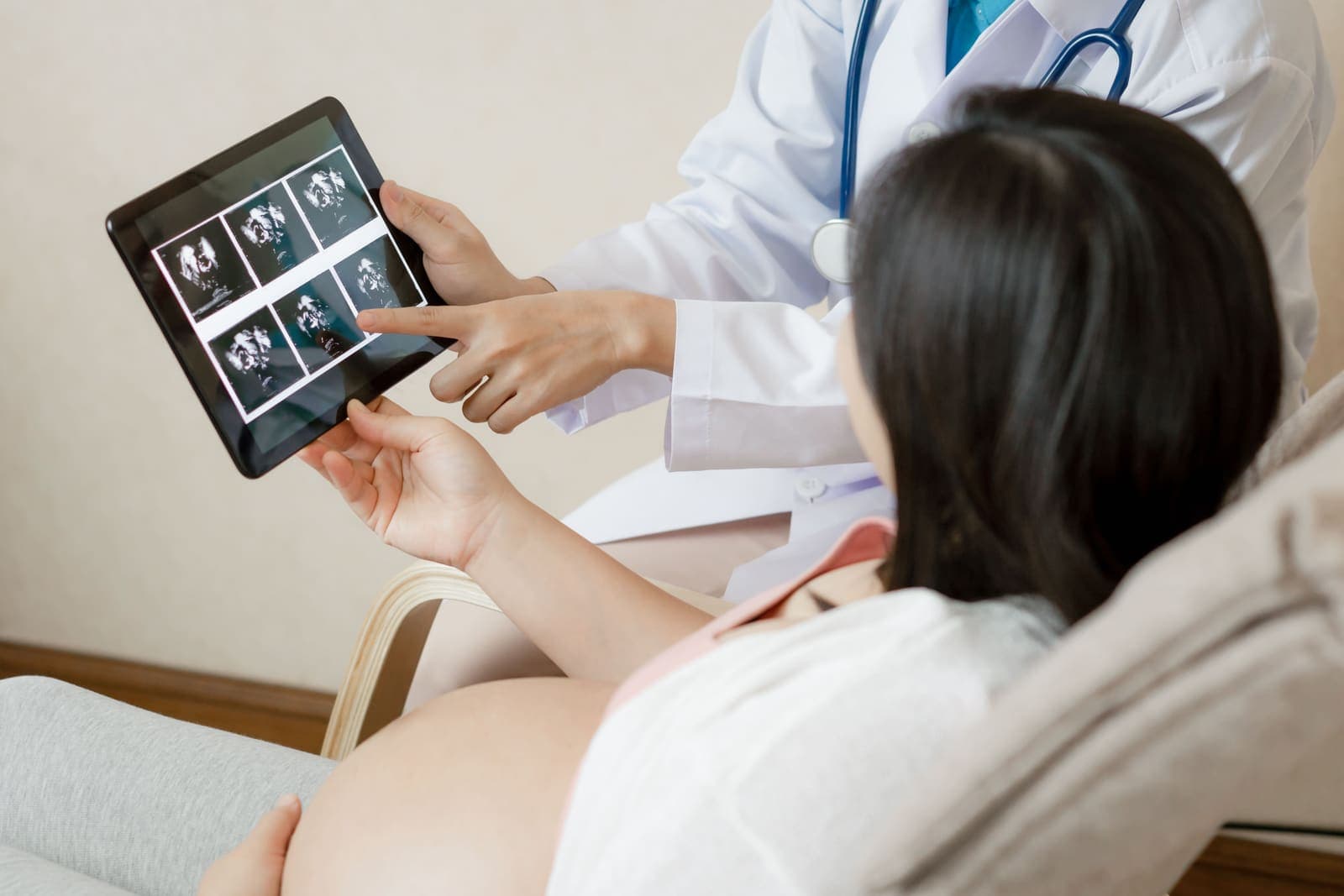
Antenatal care for a healthy pregnancy follows a clear schedule, and I help you plan around work:
- Early scan (6 to 9 weeks) to confirm the pregnancy and dates
- First trimester screening (11 to 13 weeks 6 days): NT scan and double marker
- Anomaly scan (18 to 20 weeks)
- Glucose test (24 to 28 weeks)
- Growth scans in the third trimester, as needed
- Visits: monthly, then every two weeks, then weekly near term
I also help with common pregnancy problems: nausea, heartburn, back pain, swelling, anaemia, thyroid disease, gestational diabetes and high blood pressure.
Working through pregnancy
Many women on the expressway belt work in offices, from home or in demanding hybrid schedules. A few practical suggestions:
- Take short walking breaks and avoid sitting continuously for long hours
- Keep water and healthy snacks at your desk
- Sit with back support and elevate your feet if they swell
- Discuss commuting and long drives with your doctor, especially in the later months
- Plan your maternity leave around your due date, with some flexibility
- Tell your employer early about medical appointments
After the baby
The weeks after delivery can be overwhelming, especially for nuclear families without in-house help. I see new mothers for wound care, bleeding, breastfeeding questions, mood concerns, contraception and pelvic floor recovery. Postpartum depression is more common than people realise, and asking for help is a sign of strength.
Gynaecological problems commonly seen in this age group
PCOS/PCOD. Irregular periods, acne, excess hair, weight gain and difficulty conceiving. Treatment combines lifestyle measures, medicines and, if needed, fertility treatment.
Heavy and painful periods. Causes include fibroids, adenomyosis, endometriosis, hormonal problems and bleeding disorders. A scan and basic tests usually clarify the cause.
Recurrent infections. White discharge, itching, burning urination and recurrent UTIs.
Thyroid-related menstrual problems.
Contraception. Pills, Copper T, hormonal IUD, injectables and permanent options. The right method depends on your health and plans.
Early pregnancy problems. Bleeding, pain and miscarriage need prompt evaluation.
Ovarian cysts and fibroids. Many need only monitoring. When surgery is advised, laparoscopic (keyhole) surgery usually allows a quick return to work.
Laparoscopic surgery for busy women
When surgery is the best option, minimally invasive techniques are usually preferable. Through small cuts of 5 to 10 mm, the surgeon operates using a camera and fine instruments. Compared with open surgery, this generally means less pain, less blood loss, smaller scars and a shorter hospital stay. Many women are home within a day or two and back to desk work within about a week, though recovery depends on the operation. Not every case can be done laparoscopically, and I explain the choice for you.
What to expect at your first appointment
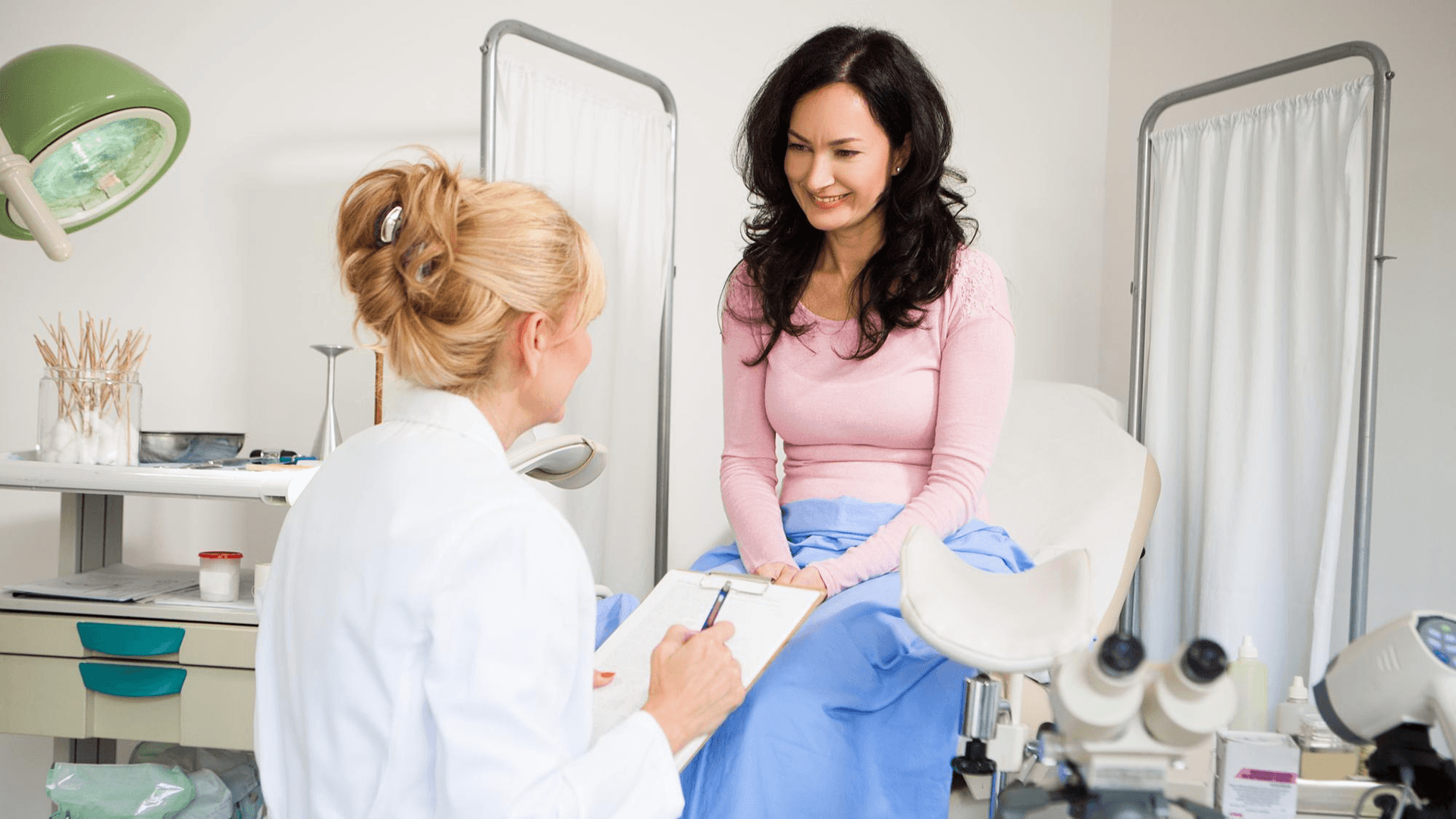
- A relaxed conversation about your symptoms, cycles, medical history and concerns
- A gentle examination if needed, explained step by step, with a chaperone if you wish
- Ultrasound and blood tests where appropriate
- A clear explanation of what is likely happening and your options
- A follow-up plan
Bring previous reports, a list of medicines and the first day of your last period.
Health in high-rise living
Apartment life along the expressway brings its own health patterns. Knowing them helps you plan better.
- Air quality. Winter months can bring poor air across the NCR. If you are pregnant, planning a pregnancy or have asthma, read our guide on air pollution and pregnancy, check the AQI before outdoor activity and keep indoor air as clean as you can.
- Less sunlight, less movement. Many apartment dwellers spend most of the day indoors, moving between a lift, a car and a desk. Vitamin D deficiency is very common as a result, and so is weight gain. A daily walk in the society garden or a few floors of stairs (if your doctor allows in pregnancy) make a difference.
- Sitting for long hours. Whether you work from home or in an office, take a break from sitting every hour. This helps the back, the pelvis and circulation, particularly in pregnancy.
- Screen time and sleep. Late-night work and phone use cut into sleep, which affects hormones, mood and cycles. Aim for regular sleep hours.
- Community support. Many societies have walking groups, yoga classes and parent groups. These are useful for new mothers who can feel isolated when family lives elsewhere.
- Emergency planning. Know the quickest route from your society to the hospital, keep your antenatal file and bag ready in late pregnancy, and make sure a neighbour or family member knows what to do if you go into labour while your partner is away.
Booking around your schedule
Clinic address: Prakash Hospital, D-12A, 12B, Sector-33, G.B. Nagar, Noida, UP 201301.
Timings: Monday to Saturday, 9 AM to 6 PM; Sunday, 10 AM to 2 PM.
Tips for saving time:
- Book a slot by phone, so you do not wait unnecessarily
- Ask which tests can be done on the same visit
- Send or bring old reports before your visit
- Weekend and Sunday slots can suit office-goers
- For urgent problems, do call, and do not wait for your turn in a queue
When to seek urgent care
- Heavy bleeding that soaks a pad within an hour
- Severe abdominal pain or fainting
- Bleeding or pain in early pregnancy
- Fluid leaking or reduced baby movements in pregnancy
- Severe headache, blurred vision or sudden swelling in pregnancy
- Fever with foul-smelling discharge
Common questions
Is it worth travelling from the expressway for antenatal care? Many patients find the continuity and clear planning worth it. Choose the doctor you trust, and organise visits to be as few and efficient as possible.
Can I do any follow-up remotely? Some reviews of reports or minor questions may be handled by phone, depending on the situation. Ask the clinic.
Do you see couples together for fertility issues? Yes, and I encourage it.
Can I bring my husband or family? Yes.
Is everything confidential? Yes.
Take the first step
Whether you are planning a baby, expecting one, managing PCOS or simply overdue for a check-up, a conversation is a good place to start. To book a consultation, call +91 97023 46853.
Related reading
- Best gynaecologist in Noida
- Gynaecologist in Greater Noida
- Noida Extension gynaecologist
- PCOS vs PCOD
- Pregnancy scans and tests schedule
This page is for general information and does not replace a personal medical consultation.