How to Talk to Your Gynaecologist About Sensitive Issues

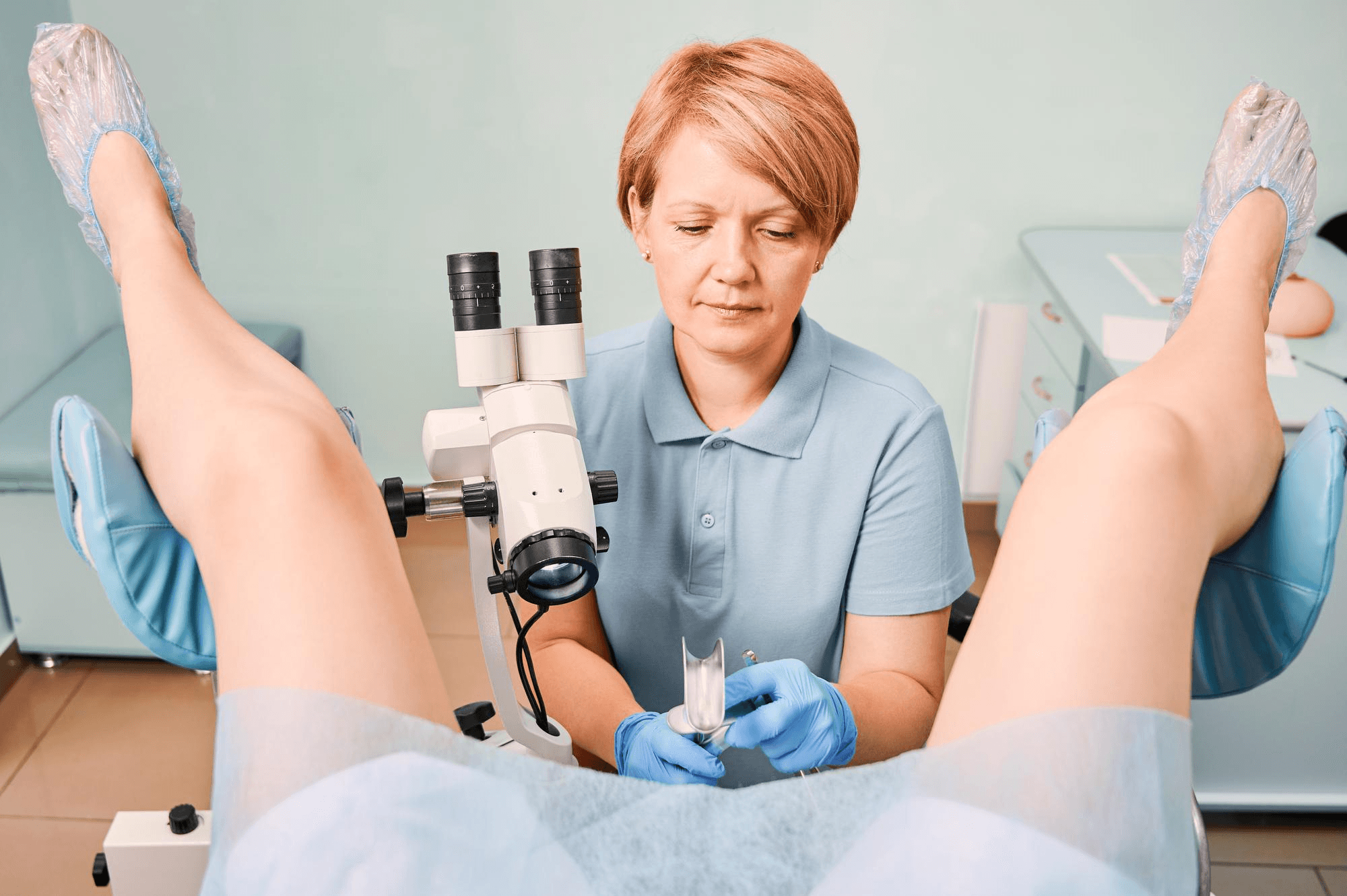
A gynecologist talks with a woman about PCOD and PCOS, going over treatment options, medications, hormone issues, missed periods, fertility questions, and tailoring care for her needs.
The most medically important conversation is often the hardest to start. Women routinely delay — sometimes for years — bringing up symptoms that embarrass them, that feel too personal, or that they worry will be judged. Painful sex. A vaginal odour. Low interest in intimacy. Abnormal discharge. A sexual trauma history. Questions about sexual practices.
Every one of these topics is a normal part of gynaecological practice. A good gynaecologist is not shocked, not judgemental, and is specifically trained to handle these conversations with discretion and clinical focus.
Dr. Shachi Singh, consultant gynaecologist at Prakash Hospital, Sector 33, Noida, explains why silence costs you — and how to start the conversation.
Why Women Don't Raise Sensitive Topics
Fear of judgement: Worry about being judged for sexual history, lifestyle choices, relationship structure, or personal decisions.
Cultural expectation: In Indian families, sexual health is rarely discussed openly. Women internalise the idea that these topics are private to the point of not discussing them with their doctors.
Believing it's normal: "Everyone must feel this way." Many women normalise symptoms that are not normal — vaginal dryness causing painful sex, pelvic pain during intercourse, loss of libido after childbirth — assuming this is just how things are.
Shame about the body: Body shame leads to delayed presentation of vulvar symptoms, breast lumps, and postcoital bleeding — all of which need early evaluation.
Not knowing it's relevant: Many women don't know that painful sex, sexual dysfunction, and recurrent thrush are legitimate gynaecological concerns worth raising.
What a Good Gynaecologist Never Does
A competent, ethical gynaecologist never:
- Judges sexual choices, relationship structure, or sexual history
- Dismisses symptoms as "normal" without investigation
- Makes you feel embarrassed for raising something
- Shares your information with family members without your consent (your information is confidential — your husband, mother-in-law, or parents are not entitled to your medical information without your permission)
Practical Ways to Raise Difficult Topics
Write it down: Before your appointment, write a list of everything you want to discuss — including the things that feel hard to say. Hand the paper to your doctor or read from it. Many women find it easier to write "I have pain during sex" than to say it out loud for the first time.
Start with "There's something I find difficult to bring up...": This framing signals that the topic is sensitive and invites a careful response from the doctor. It removes the need for a running start.
Use clinical language if it helps: "Dyspareunia" instead of "pain during sex," "vaginal dryness," "postcoital bleeding" — clinical terms create some distance that makes topics easier to raise.
Or use your own words: You do not need to know the medical term. "It hurts when I have sex" is exactly as informative as "I have dyspareunia."
Ask for confidentiality if needed: If you are worried about privacy — for example, if a family member accompanies you — you can ask to speak to the doctor alone. You are entitled to a consultation without your husband, mother, or any other person present if you prefer.
Don't wait for the end of the appointment: Start with your most important concern. Many women save the hardest topic for last — "oh, and one more thing" — and then run out of time.
Topics That Are Always Worth Raising
No matter how personal or embarrassing they feel:
- Pain or discomfort during sexual intercourse
- Reduced desire for sex — particularly if it is new or distressing
- Vaginal odour that is new or different
- Postcoital bleeding (bleeding after sex)
- Unusual vaginal discharge
- Itching, burning, or sores anywhere on the vulva
- Previous sexual assault or trauma (relevant to examination approach and certain conditions)
- Questions about sexual practices that affect health
- Difficulty with penetration
- Relationship stress affecting sexual health
- Symptoms you have googled and are worried about
Your Gynaecologist Is on Your Side
The purpose of every question asked and every examination done is to help you — not to assess your choices. Everything disclosed in a medical consultation is subject to strict confidentiality. And everything you describe — however personal — has been heard before.
Raising the difficult topic is almost always the beginning of getting better, not the ordeal it feels like beforehand.
Gynaecological Care in Noida and Greater Noida
Dr. Shachi Singh at Prakash Hospital, Sector 33, Noida, provides a confidential, judgement-free, and thorough consultation environment for women across Noida and Greater Noida.
To book a consultation with Dr. Shachi Singh, call: +91 97023 46853
Clinic Hours: Monday to Saturday, 9 AM – 6 PM | Sunday, 10 AM – 2 PM
Clinic Address: D-12A, 12B, Sector-33, G.B. Nagar, Noida, Uttar Pradesh 201301
This blog is for informational purposes only.