Stretch Marks in Pregnancy: What Causes Them, What Prevents Them, and What Actually Works

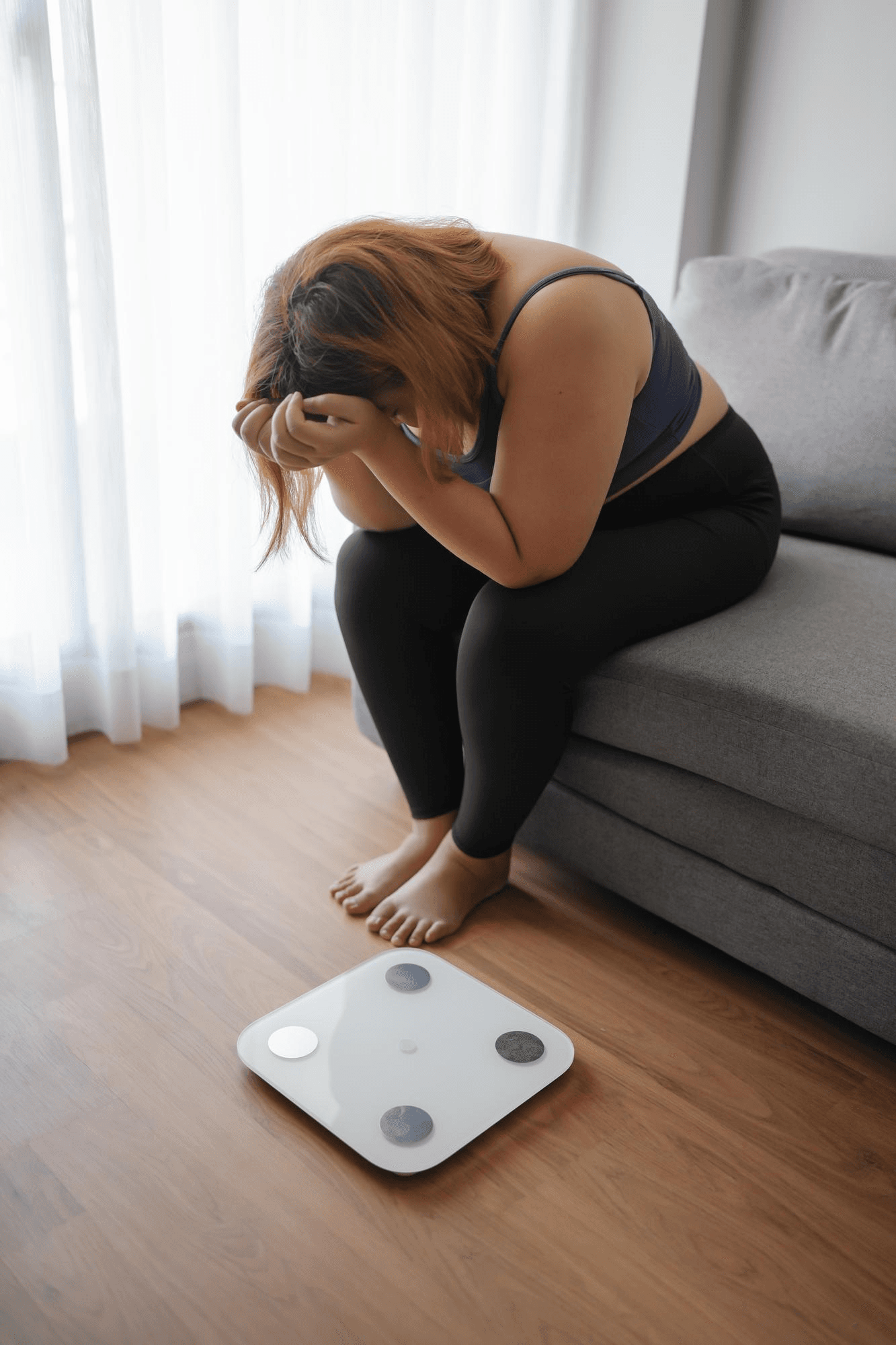
A visibly tired pregnant woman sits on a couch, cradling her abdomen.
Stretch marks in pregnancy are almost universal — approximately 50 to 90% of pregnant women develop them. They appear most commonly on the abdomen, breasts, hips, and thighs, and they provoke a significant amount of anxiety, a large amount of product purchasing, and a significant amount of disappointment when those products do not work as advertised.
The honest answer about stretch marks is this: genetics determines most of your risk, and no product has been proven to completely prevent them. Some interventions reduce their severity. Some improve their appearance after they form. Understanding what is and is not true helps avoid wasted money and unrealistic expectations.
Dr. Shachi Singh, consultant gynaecologist and obstetrician at Prakash Hospital, Sector 33, Noida, gives an evidence-based overview of stretch marks in pregnancy.
What Stretch Marks Are
Stretch marks — medically called striae gravidarum during pregnancy, striae distensae more generally — form when the skin is stretched rapidly beyond its elastic capacity. The dermis (the middle layer of skin) tears in places, causing the collagen and elastin fibres to rupture. Initially they appear as pink, red, or purple-reddish streaks (striae rubrae — active stretch marks). Over months to years, they fade to silvery-white, slightly indented lines (striae albae — mature stretch marks).
They are not painful or medically harmful. They are a cosmetic concern that many women find distressing, particularly when they appear on visible areas.
Why Some Women Get More Than Others
Genetics: The strongest predictor of stretch marks is whether your mother and sisters developed them in pregnancy. If they did, you are significantly more likely to. The underlying mechanism involves differences in skin collagen and elastin composition and mechanical properties — these are largely genetically determined.
Skin type: Women with naturally drier, less elastic skin develop stretch marks more easily. Younger skin tends to be more elastic; adolescents who are pregnant are more prone to stretch marks than older women.
Rate and amount of weight gain: Rapid weight gain allows less time for the skin to adapt. While total weight gain within recommended ranges does not eliminate stretch mark risk, gaining steadily rather than rapidly gives the skin more time to accommodate.
Carrying a large baby or multiple pregnancy: Greater abdominal distension increases stretch mark probability.
Location: Stretch marks predominantly appear where the skin is most stretched — the lower abdomen, breasts (due to size increase), thighs, hips, and buttocks.
Prevention: What the Evidence Shows
No product has been conclusively proven to prevent stretch marks in large, well-designed clinical trials. The honest interpretation of the evidence:
Cocoa butter: Widely marketed and widely used. Clinical trials have not found cocoa butter to be more effective than plain moisturiser at preventing stretch marks. It does not harm and may help with itch and skin comfort.
Trofolastin (centella asiatica, collagen elastin hydrolysates, vitamin E): One of the better-studied combination creams in the stretch mark prevention literature. Some small studies show modest benefit. Not definitive, but among the most evidence-based options.
Rosehip oil: Some evidence for improving the appearance of existing stretch marks and reducing their severity. Contains tretinoin precursors and fatty acids that support skin repair.
Bio-Oil: Widely marketed specifically for stretch marks. Contains several oils and vitamin A/E. Anecdotally popular; clinical trial evidence is limited. Using it consistently from early pregnancy may help with hydration and comfort.
Vitamin E oil: Some evidence for topical vitamin E reducing stretch mark severity when applied from early pregnancy. Easily available, affordable, and safe.
Regular moisturisation with any cream: Keeping the skin well hydrated does not prevent stretch marks but reduces the itch associated with stretching skin and may reduce severity marginally. The specific product matters less than consistency of application.
Weight management: Gaining weight within recommended ranges for pre-pregnancy BMI, with a steady rather than rapid gain pattern, is the most controllable factor beyond genetics.
Hydration: Well-hydrated skin is more supple. Drinking 8 to 10 glasses of water daily supports skin elasticity from within.
The realistic expectation: moisturising consistently from early pregnancy, combined with steady weight gain, may reduce the severity and number of stretch marks — but will not prevent them entirely if you are genetically predisposed.
Treatment After They Appear
Stretch marks that have formed can be improved in appearance but not completely removed. Treatments work better when started early — during the red/pink active phase — than on mature white stretch marks.
Topical retinoids (tretinoin, retinol): The most evidence-based topical treatment for stretch marks. Tretinoin stimulates collagen production in the dermis, improving the texture and appearance of stretch marks. Not safe during pregnancy — tretinoin is teratogenic and must be avoided during pregnancy and breastfeeding. Can be used after breastfeeding is complete.
Hyaluronic acid creams: Support skin hydration and elasticity. Safe in pregnancy and postpartum. Some evidence for reducing stretch mark severity when used during the active phase.
Laser therapy: Various laser modalities — pulsed dye laser (for red/pink stretch marks), fractional laser (for texture improvement of mature white stretch marks) — produce meaningful improvement. Not used during pregnancy; appropriate postpartum once breastfeeding is complete. Requires multiple sessions.
Microneedling: Creates controlled micro-injuries that stimulate collagen production, improving stretch mark texture. Postpartum use, not in pregnancy.
Chemical peels and microdermabrasion: Improve skin texture and the appearance of mature stretch marks. Postpartum use.
For women distressed by stretch marks after delivery, a consultation with a dermatologist or aesthetic medicine specialist can outline the most appropriate treatment options for their specific stretch marks.
The Emotional Dimension
Many women find stretch marks distressing — they represent a visible, permanent change to their body that was not chosen. This is a legitimate experience that deserves acknowledgment rather than dismissal with "your body did something amazing."
The body did do something amazing. That is also entirely compatible with feeling conflicted about the changes it went through. Both things are true.
For women who find the cosmetic impact of stretch marks significantly affecting their body image or quality of life after delivery, postpartum aesthetic consultations are available and appropriate.
Gynaecological Care in Noida and Greater Noida
Dr. Shachi Singh at Prakash Hospital, Sector 33, Noida, provides comprehensive antenatal care and postpartum guidance for women across Noida and Greater Noida.
To book a consultation with Dr. Shachi Singh, call: +91 97023 46853
Clinic Hours: Monday to Saturday, 9 AM – 6 PM | Sunday, 10 AM – 2 PM
Clinic Address: D-12A, 12B, Sector-33, G.B. Nagar, Noida, Uttar Pradesh 201301
Frequently Asked Questions
1. Can stretch marks be completely prevented?
No product has been proven to completely prevent stretch marks. Genetics plays the dominant role. What you can do: moisturise consistently from early pregnancy, gain weight steadily within recommended ranges, stay well hydrated, and use products with modest evidence (tretinoin-precursor oils, vitamin E, centella asiatica preparations). These reduce severity but do not guarantee prevention.
2. When do stretch marks appear in pregnancy?
Most appear in the second half of pregnancy — particularly from 28 weeks onwards as the abdomen grows most rapidly. Some women notice them earlier; others develop them in the final weeks.
3. Do stretch marks go away after pregnancy?
They fade significantly over 6 to 12 months after delivery — from red/pink to silver-white. They do not disappear completely, but mature white stretch marks are much less visible than the initial red-pink ones.
4. Is tretinoin cream safe to use during pregnancy?
No. Tretinoin (and all retinoids) are teratogenic — they can cause fetal abnormalities. Do not use any retinoid cream during pregnancy or while breastfeeding.
This blog is written for educational and informational purposes only. Please consult Dr. Shachi Singh or a qualified gynaecologist for guidance specific to your pregnancy and skin concerns.