How to Get Pregnant Fast: What the Evidence Actually Supports
About 8 in 10 couples having regular unprotected intercourse conceive within the first year.
Search for "how to get pregnant fast" and you will find lists of miracle foods, secret positions and herbal teas that promise results by next month. If only it were that simple.
I will be straight with you. There is no trick that guarantees a pregnancy in a given cycle. Even for a young, healthy couple, the chance of conceiving in any one month is only about 20 to 25 percent. But there are specific things that improve your odds, things that waste your time and a clear point at which you should stop waiting and get checked.
This guide separates what the evidence supports from what it does not. If you want personal advice from a gynaecologist or fertility specialist in Noida, the details are at the end.
First, a realistic view of how long it takes
Many couples are surprised by how long conception can take, even when everything is normal. For couples having regular unprotected intercourse:
- About 8 in 10 will conceive within the first year
- Around 9 in 10 will conceive within two years
- The chance per month is roughly 20 to 25 percent in the early twenties and falls gradually with age
Fertility declines with age in both partners, but especially for women. The decline speeds up in the mid-thirties and more in the forties. A woman's egg count and egg quality fall with age. That is a biological fact, not a failure.
Knowing this can reduce stress. Not conceiving in month two or three is normal and doesn't mean anything is wrong.
1. Time intercourse around ovulation
The most effective step is also the simplest. You can only conceive during a fertile window of roughly six days ending on the day of ovulation. The egg survives about a day, and sperm can survive up to five days.
How to use that:
- Have intercourse every one to two days during the week around ovulation, and a little before it
- Do not wait for a single "perfect" day, since the days just before ovulation are the most fertile
- Daily intercourse is fine for most couples and does not reduce sperm quality in men with normal semen. If it feels like pressure, every second day works well
To find your fertile window, watch for egg-white cervical mucus, use ovulation predictor kits that detect the LH surge, or track your cycle. Our detailed article on ovulation symptoms explains the methods.
If your cycles are irregular, tracking becomes hard, and you may not be ovulating each month. That is a reason to see a doctor rather than guess.
2. Start folic acid before you conceive
Every woman planning a pregnancy should take folic acid daily, ideally starting at least a month, and preferably three months, before conception, and continuing through the first trimester. It lowers the risk of neural tube defects such as spina bifida. Some women, for example those with diabetes, obesity, epilepsy medicines or a past affected pregnancy, need a higher dose, so check with your doctor.
A good pre-pregnancy visit also covers your vaccines (such as rubella and chickenpox immunity), thyroid function, blood sugar, haemoglobin and vitamin D. It is quick and can prevent trouble later.
3. Look at weight, food and movement
Both underweight and overweight can interfere with ovulation. For women with a BMI far outside the healthy range, even modest changes can bring cycles back to normal. A 5 to 10 percent weight loss in overweight women with PCOS can restart regular ovulation.
For eating, there's no magic fertility food. A diet rich in vegetables, fruit, whole grains, pulses, nuts, seeds and healthy fats, with limited processed food and sugar, supports hormonal health. Make sure you get enough iron, calcium and protein. Skip crash diets.
Exercise regularly but avoid extremes. Moderate activity such as brisk walking, yoga or swimming helps. Very heavy training can suppress ovulation in some women.
4. Stop smoking and cut down alcohol
Smoking harms egg quality, sperm quality and the chance of pregnancy in both partners, and increases miscarriage risk. Quitting is one of the strongest positive things you can do. Heavy alcohol use reduces fertility. If you are trying to conceive, it is safest to avoid alcohol or keep it to a minimum.
Caffeine in moderation (around two cups of coffee a day, or under about 200 mg) has not been clearly linked with infertility, though higher amounts may be best avoided.
5. Involve your partner
About one-third of infertility is due mainly to the male partner, one-third to the female partner, and the rest to both or to unexplained causes. Many men feel that fertility is a "woman's issue" and delay testing. A semen analysis is simple, painless and gives answers quickly, so it should be done early.
For men:
- Avoid smoking, tobacco, heavy alcohol and recreational drugs
- Keep a healthy weight
- Avoid prolonged heat on the testes (hot tubs, laptops on the lap, very tight underwear is a minor factor at most)
- Review medicines and supplements, including steroids and testosterone products, which can reduce sperm production
- Treat varicocele or infections if found
6. Manage stress sensibly
Stress doesn't usually prevent pregnancy outright, but chronic stress can disturb sleep and ovulation, and the pressure of trying can strain the relationship. Sleep well, keep some activities that are not about conceiving and talk to each other honestly. Telling a couple to "just relax" does not help, but support and information do.
7. Look after existing health conditions
Some conditions affect fertility and are treatable.
- PCOS: the most common cause of irregular ovulation
- Thyroid disease: both under- and overactive thyroid can affect cycles
- Diabetes: keep blood sugar under good control before conceiving
- Endometriosis: can cause pain and reduce fertility
- Fibroids and polyps: may interfere with implantation if inside the cavity
- Pelvic infections or tuberculosis: can damage the tubes
- High prolactin: disrupts ovulation
If you know you have one of these, a conversation with your doctor before trying can save time.
8. What helps less than people think
Be careful with advice that sounds convincing but lacks proof.
Sexual positions. There is no evidence that any position increases the chance of conception. Lying down for ten minutes afterwards is fine but not shown to matter.
Legs in the air. Sperm reach the cervix within seconds, so this is not useful.
Special foods or "fertility herbs." Papaya, pineapple core, ashwagandha, shatavari and the rest have not been proven to increase pregnancy rates. Some herbs may interact with medicines or be unsafe, so check before using.
Fertility supplements sold online. A prenatal vitamin with folic acid is sensible. Beyond that, large doses of supplements are rarely necessary and sometimes harmful. Ask your doctor.
Lubricants. Some lubricants can reduce sperm movement. If you need one, ask for a fertility-friendly option.
Detox cleanses and extreme diets. These do nothing for fertility and can harm it.
9. Know when to ask for help
The standard advice is:
- Under 35 years: see a doctor if you haven't conceived after 12 months of regular unprotected intercourse
- 35 to 39 years: go after 6 months
- 40 and over: see a doctor right away, or after 3 months at most
Do not wait that long if any of these apply:
- Your periods are very irregular, very infrequent (fewer than 8 a year) or absent
- You have severe period pain or painful intercourse
- You know of pelvic infection, endometriosis, fibroids or previous tubal or pelvic surgery
- You have had cancer treatment
- Your partner has had testicular problems, surgery or known low sperm count
- You have had two or more miscarriages
Early evaluation does not commit you to treatment. It just gives you information.
10. What a basic fertility evaluation includes
A typical workup is straightforward and can often be completed in a month or two.
- A detailed history of both partners
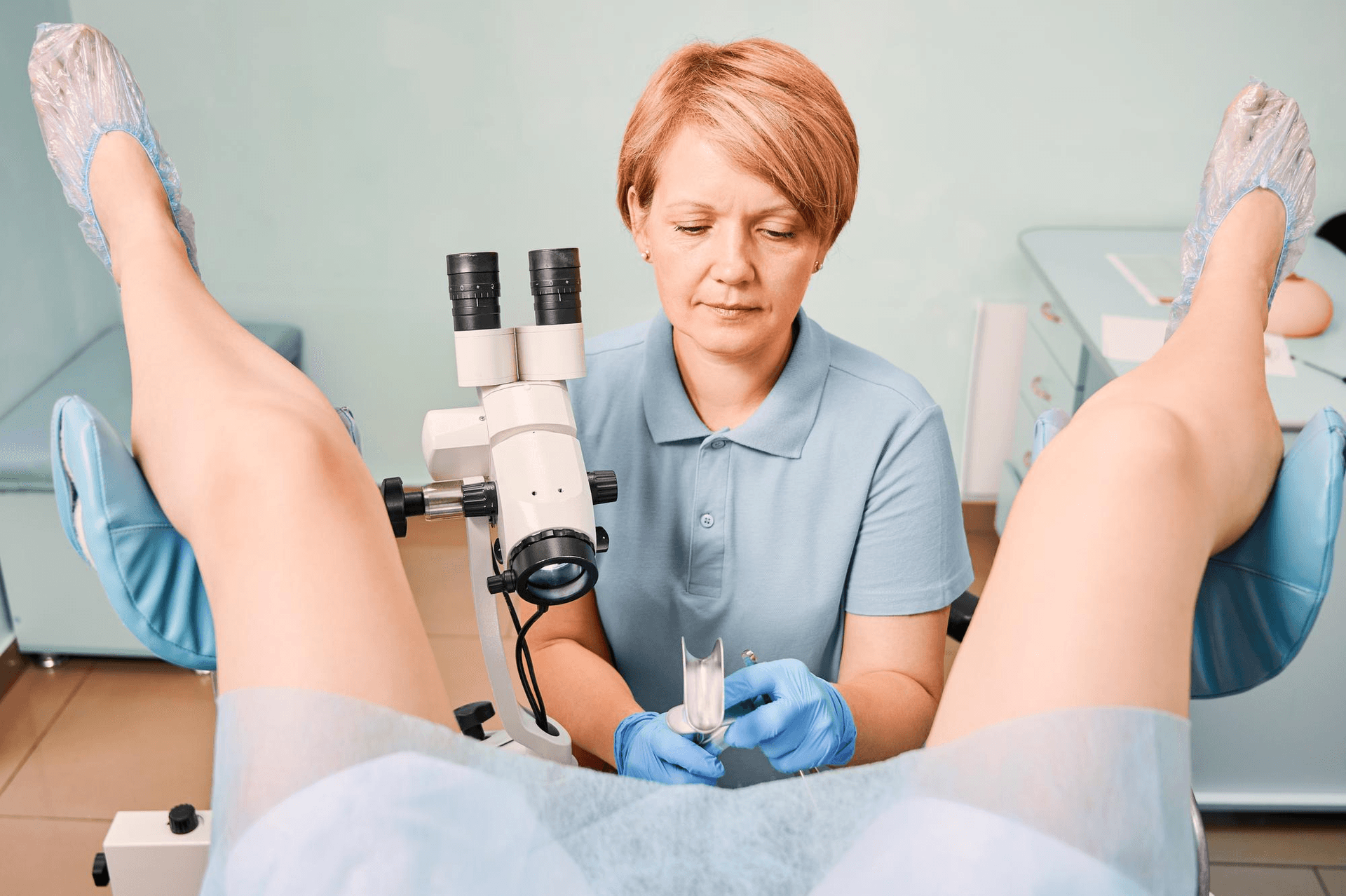
- Pelvic examination and ultrasound to check the uterus and ovaries
- Hormone tests such as FSH, LH, AMH, thyroid function and prolactin, timed to your cycle
- Confirmation of ovulation, by follicular tracking or progesterone testing
- Tubal assessment, often with HSG
- Semen analysis for your partner
- Screening for infections or other conditions if the history suggests
Treatment then depends on the findings. It might involve lifestyle changes, medicines to induce ovulation, treatment for endometriosis or fibroids, IUI or IVF. Many couples need only simple measures. Our articles on ovulation induction, IUI and IVF explain the options.
11. A note on age
If you're 35 or older, time matters more. That is not meant to alarm you, just to help you decide about seeing a doctor earlier. Egg freezing is also an option for women who want to delay pregnancy. Whatever your age, you deserve clear information and respectful care.
A simple monthly plan
Here is a summary you can use.
- Start folic acid and see your doctor for a pre-conception check if you haven't.
- Track your cycle for two or three months to understand your pattern.
- Have intercourse every one to two days in the fertile window.
- Keep your weight, food and exercise on a healthy path.
- Quit smoking and limit alcohol, for both partners.
- If your periods are irregular, or you reach the time limits above, book an evaluation.
Questions couples ask me
Can I get pregnant right after stopping the pill? Yes, many women ovulate within a few weeks, though cycles can take a few months to settle.
Does having sex every day lower sperm count? Not in men with normal sperm. For men with borderline counts, every other day may be better.
Is it true you should avoid coffee completely? Moderate amounts are fine.
Will a pregnancy happen faster after a laparoscopy? In certain situations, such as endometriosis or blocked tubes, treatment can improve chances, but not for everyone.
Does age 35 mean I cannot conceive? No. Many women conceive after 35 and 40. The chance per cycle is lower, so earlier evaluation helps.
Begin with a conversation
Trying to conceive can feel lonely when each month ends in disappointment. A clear plan helps. I see couples from Noida, Greater Noida, Ghaziabad and Delhi NCR for pre-conception advice and fertility care at Prakash Hospital, Sector 33. To book a consultation, call +91 97023 46853.
Related reading
- Ovulation symptoms: signs, fertile window and tracking
- Pre-conception checklist
- Female infertility: causes and tests
- Foods that support fertility
- Clomiphene citrate for ovulation
This article is for education and does not replace a medical consultation.