First Period and Teenage Menstrual Health: What Girls and Parents Need to Know

Sick woman suffering from period cramps, stomach ache, menstrual pain, lying on the sofa at home.
The first menstrual period (menarche) typically occurs between the ages of 11 and 15 in Indian girls — though the normal range extends from 10 to 16. For many girls and their families, there is uncertainty about what is normal, what to expect, and when a doctor should be involved.
Dr. Shachi Singh, consultant gynaecologist at Prakash Hospital, Sector 33, Noida, provides a clear guide for girls and their parents.
When to Expect the First Period
Average age of menarche in India: 12 to 13 years. The range of normal is 10 to 16 years.
Puberty signs before menarche: Breast development (thelarche) typically begins 2 to 3 years before menarche. Pubic and underarm hair, body shape changes, growth spurt, and vaginal discharge (whitish, non-itching, non-offensive) typically precede the first period by months. The discharge indicates the hormonal changes that will soon lead to the first period.
When to see a doctor:
- No breast development by age 13
- No period by age 15 (or age 16 if breast development started late)
- No period within 3 years of breast development starting
- Periods that have not begun by age 16 regardless of other development — primary amenorrhoea investigation is needed
What the First Period Is Like
The first period is often not what girls expect. It may be:
- Very light — just a small amount of brownish or pinkish discharge, not dramatic red blood
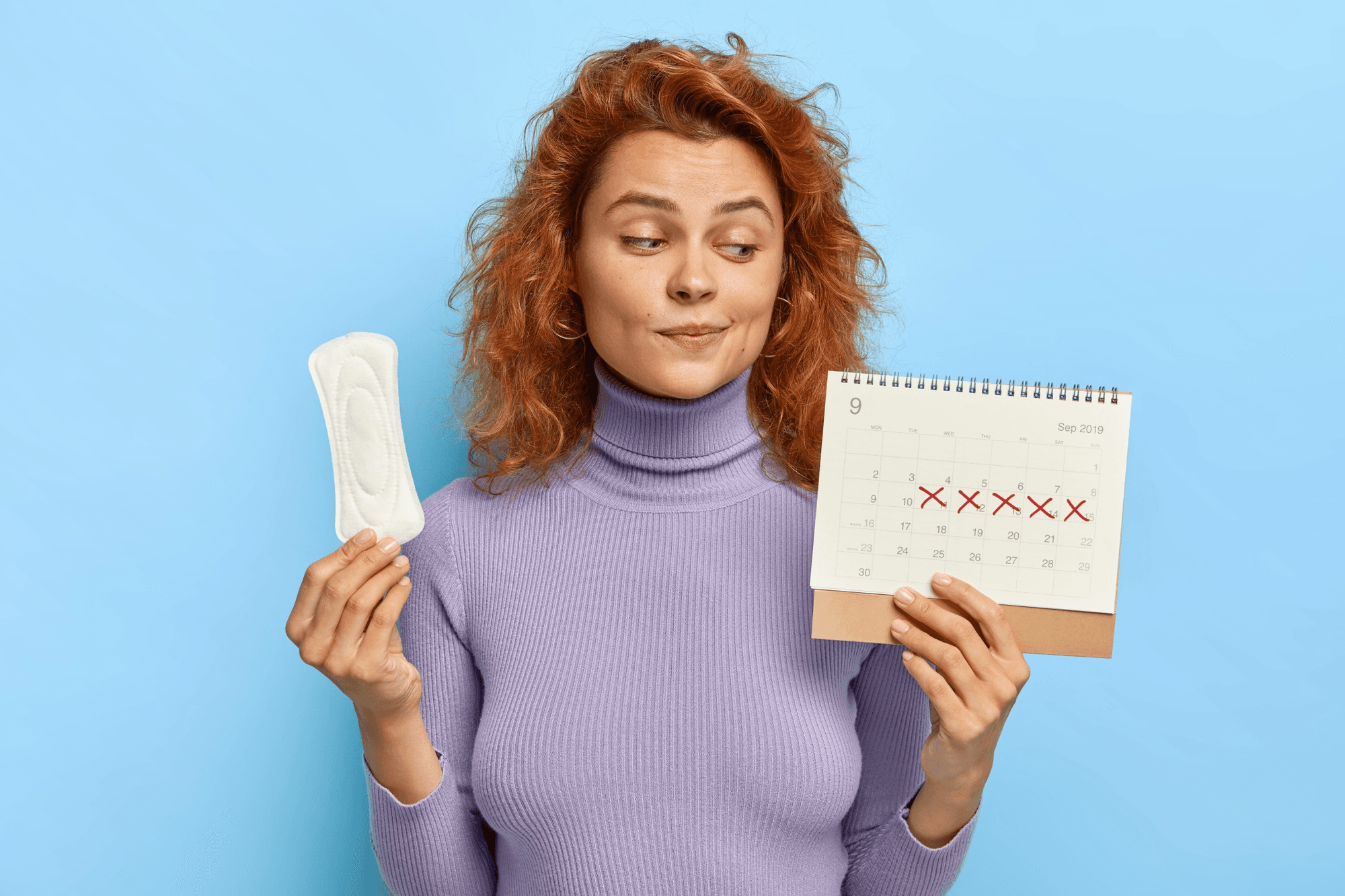
- Irregular at first — periods in the first 1 to 2 years after menarche are typically irregular, with cycles ranging from 21 to 45 days and flow from 2 to 7 days. This irregularity is normal as the HPG axis matures.
- Variable in flow — some cycles heavier, some lighter
What is not normal even in the early cycles:
- Soaking more than one pad per hour for several consecutive hours (very heavy bleeding requiring investigation)
- Periods lasting more than 7 days
- Complete absence of periods for more than 90 days after they have started
Managing Period Pain
Mild cramping in the first day or two of the period is normal. Paracetamol or ibuprofen (taken when cramps begin, before they become severe) is effective for most mild to moderate period pain.
When period pain is not normal:
- Pain severe enough to cause school absence every month
- Pain not adequately relieved by standard over-the-counter pain relief
- Pain that is progressively getting worse with each period
Severe period pain in adolescence is not "just growing pains" and should not be normalised. It can be a sign of endometriosis — which, though classically associated with adult women, can begin in adolescence. Early evaluation and management prevents years of unnecessary pain and potential fertility consequences.
Common Concerns in Teenage Girls
Irregular periods: Normal in the first 2 years. Persistent irregularity (cycles consistently shorter than 21 days or longer than 45 days) after 2 years of menstruation warrants evaluation — PCOS is the most common cause.
Heavy periods: Soaking through pads rapidly, passing large clots, anaemia (fatigue, pallor, breathlessness). Heavy periods in adolescence can be from anovulatory cycles (common early in puberty), clotting disorders (Von Willebrand disease — the most common inherited bleeding disorder, affects menstruation), or structural causes. Needs evaluation.
PCOS in teenagers: PCOS can be diagnosed in adolescence when criteria are met — irregular periods (beyond the first 2 years), acne, excess hair, and ovarian appearance on ultrasound. Important to distinguish normal adolescent hormonal transition from true PCOS — a specialist assessment is needed.
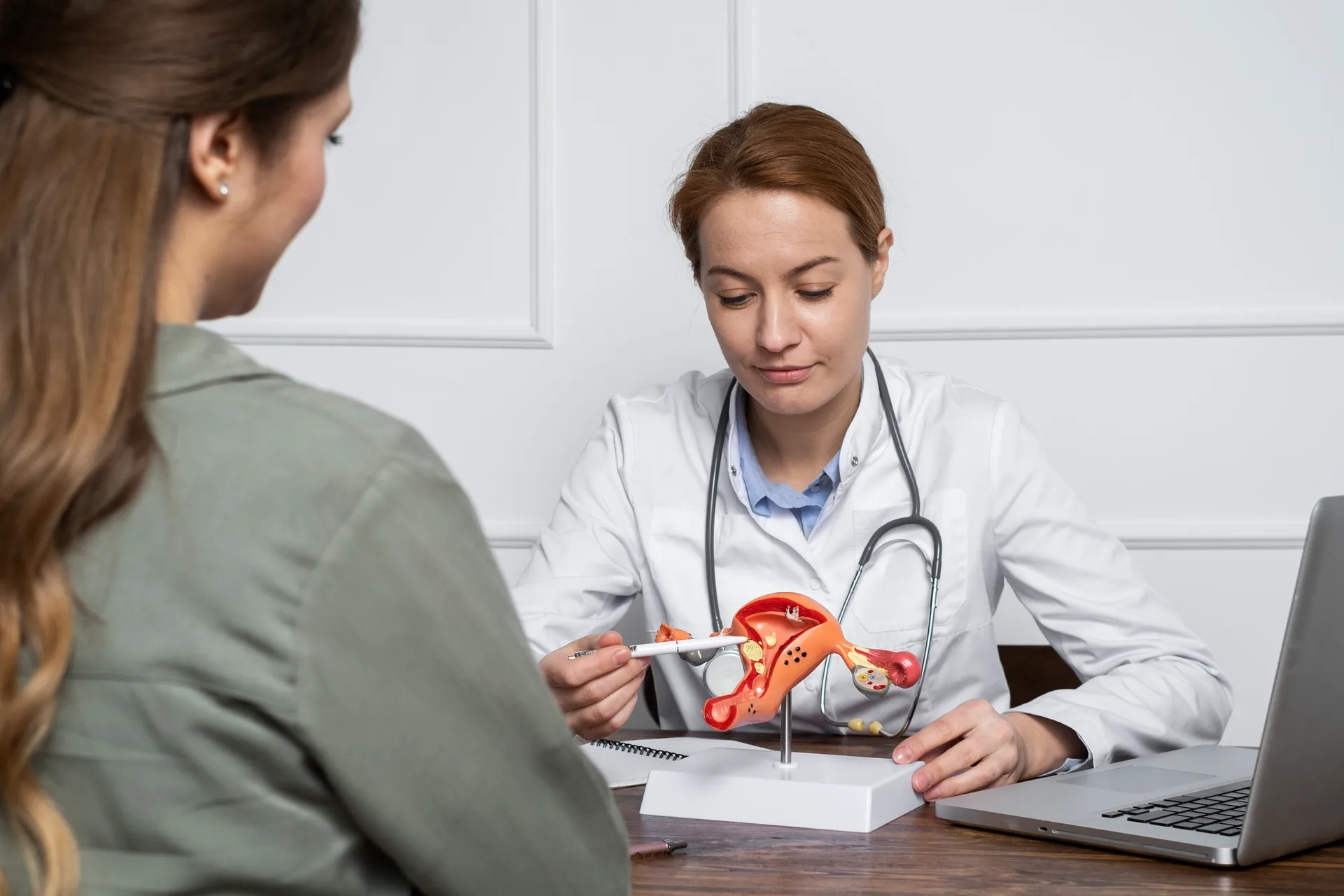
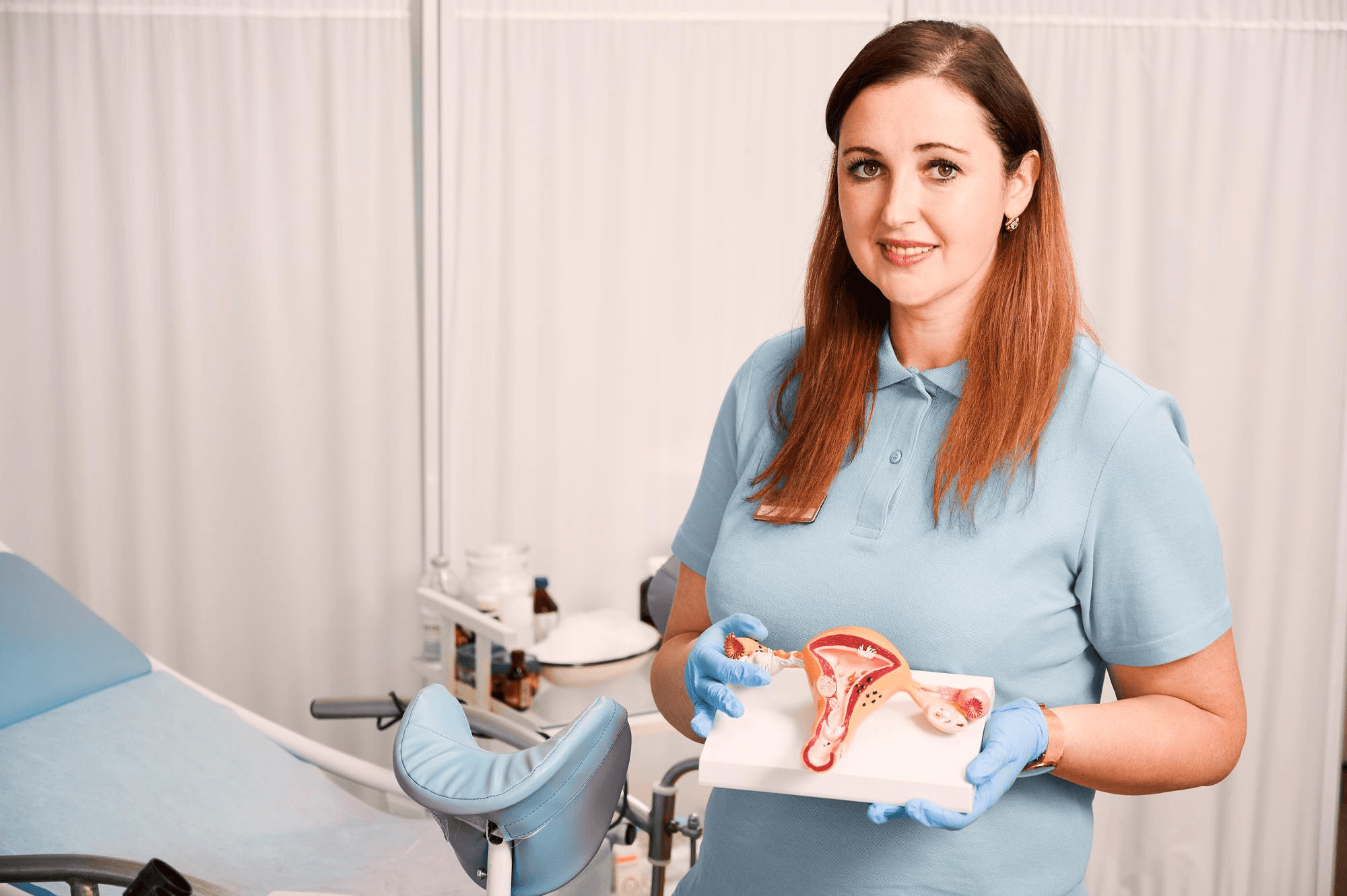
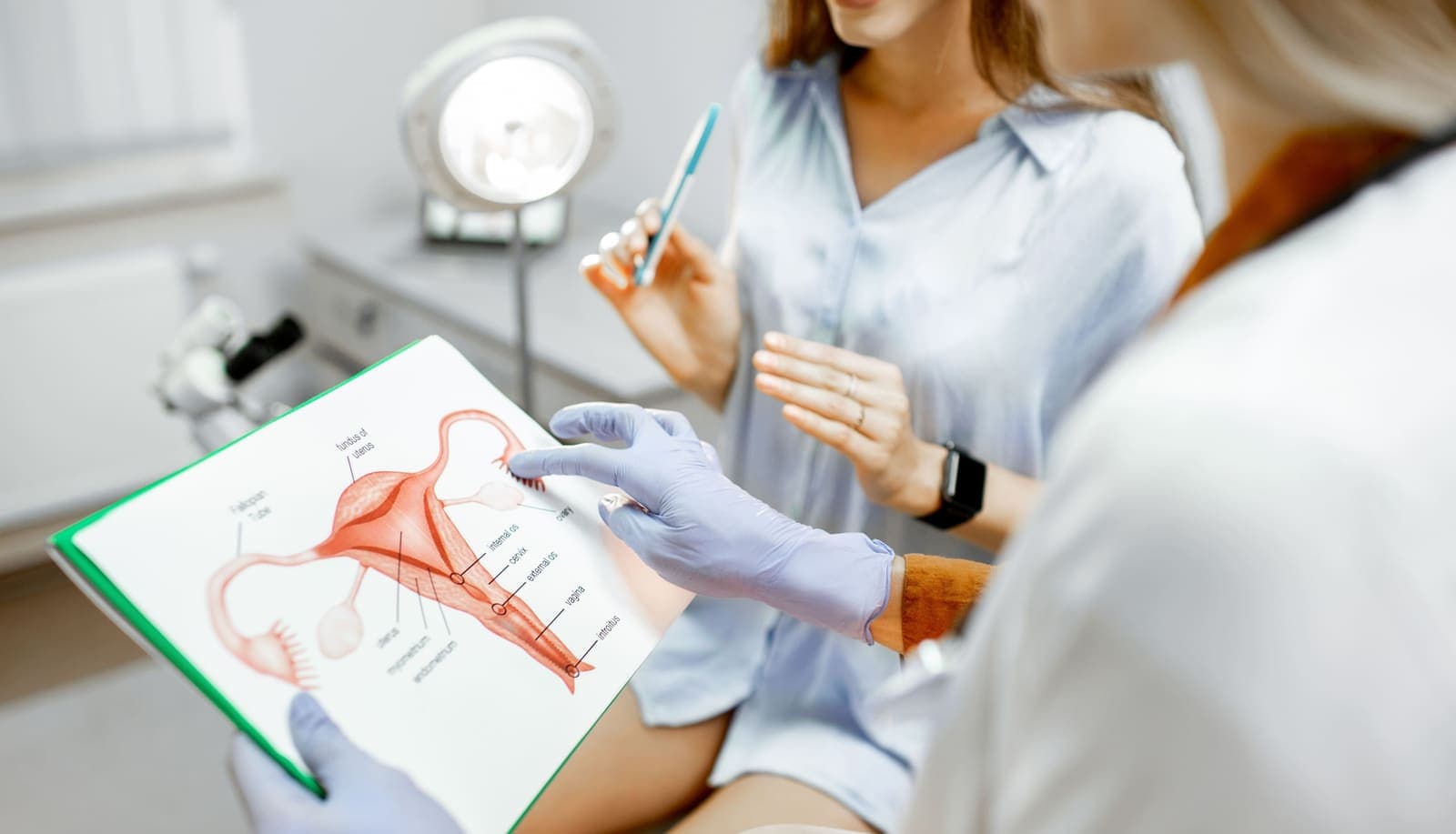
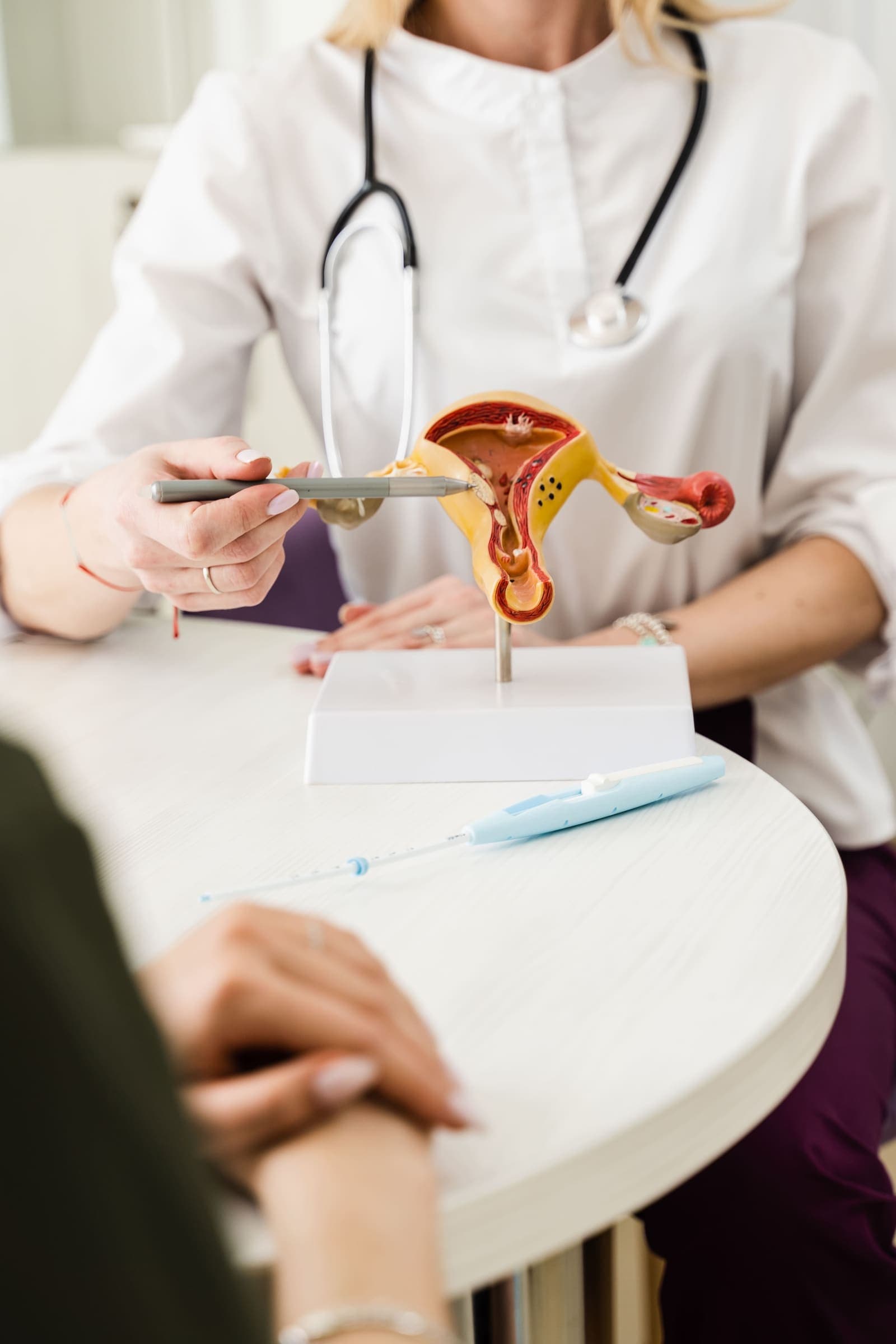
First gynaecological visit: The first visit for a teenage girl does not require a pelvic examination. It is a conversation — covering menstrual health, any concerns, HPV vaccination, and answering questions in a safe, confidential, and non-judgemental environment.
HPV Vaccination in Adolescence
HPV vaccination is most effective when given before sexual activity begins — typically between 9 and 14 years (primary series), though it is beneficial up to age 26 and beyond in unvaccinated individuals. It protects against the HPV types causing 70 to 90% of cervical cancers.
In India, the national HPV vaccination programme targets school-age girls. Private vaccination is available for girls who have not been vaccinated through the programme.
Adolescent Gynaecological Care in Noida and Greater Noida
Dr. Shachi Singh at Prakash Hospital, Sector 33, Noida, provides adolescent gynaecological care — menstrual health assessment, period pain evaluation, PCOS investigation in teenagers, and HPV vaccination counselling — in a safe, confidential, age-appropriate setting for girls and their parents across Noida and Greater Noida.
To book a consultation with Dr. Shachi Singh, call: +91 97023 46853
Clinic Hours: Monday to Saturday, 9 AM – 6 PM | Sunday, 10 AM – 2 PM
Clinic Address: D-12A, 12B, Sector-33, G.B. Nagar, Noida, Uttar Pradesh 201301
This blog is for educational purposes only. Please consult Dr. Shachi Singh for assessment specific to your daughter's situation.