Egg Freezing in India: A Realistic Guide

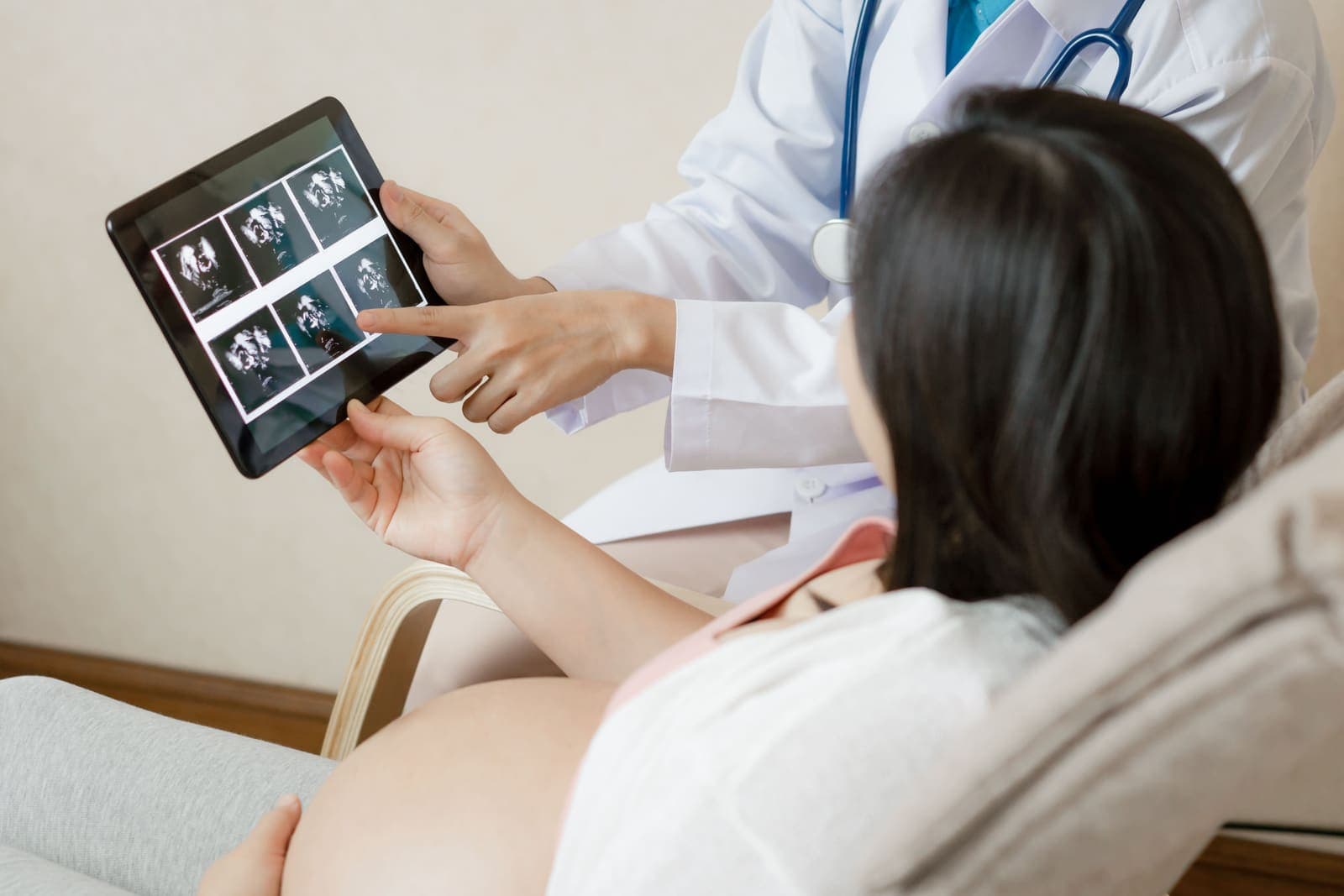
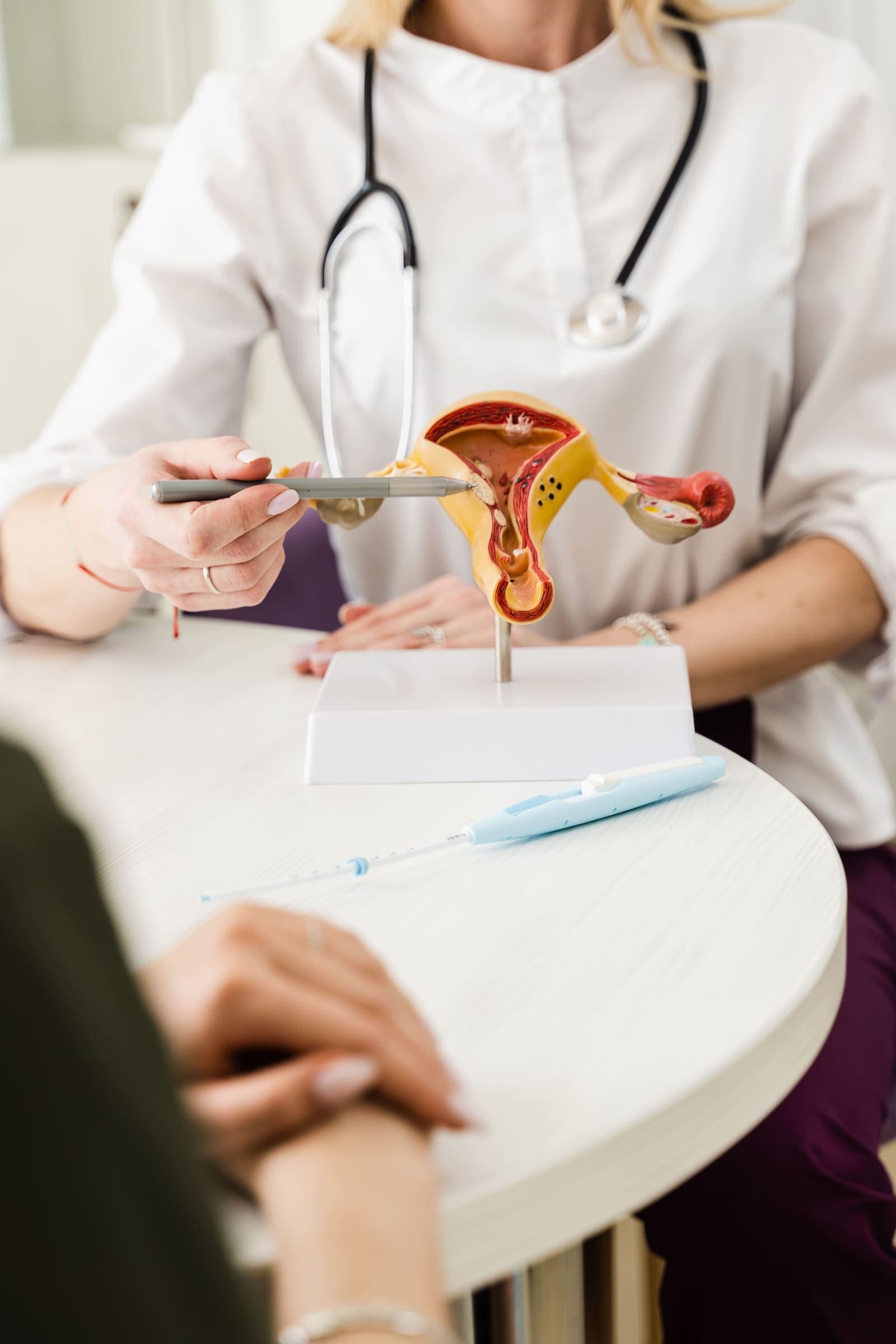
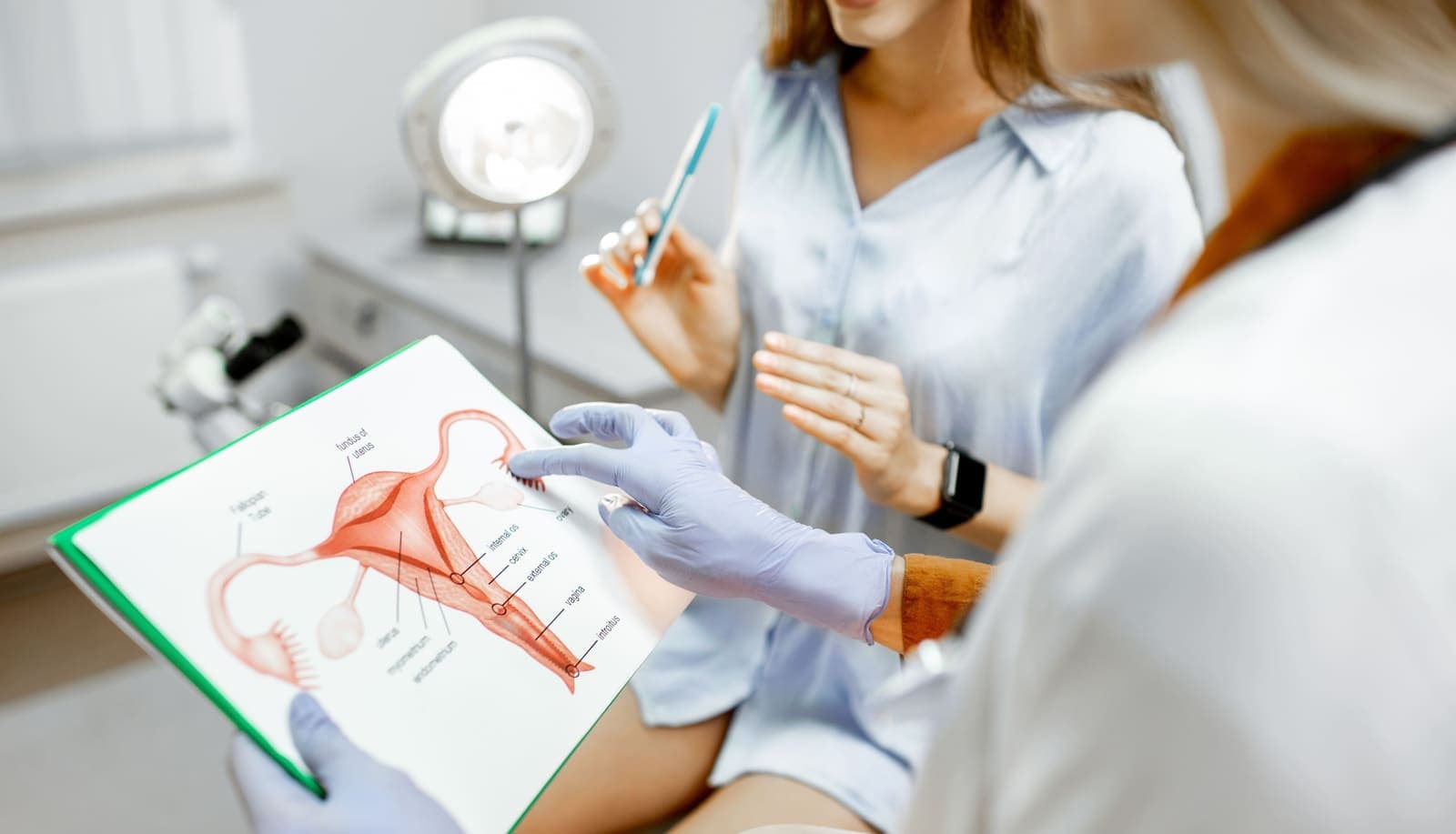
Doctor teaches patient about Egg Freezing process.
Egg freezing — technically oocyte cryopreservation — has transformed from an experimental technique to an established fertility preservation option. The conversation around it in India has grown significantly in the last decade, driven by women delaying marriage and childbearing for career, education, and personal reasons.
But egg freezing is not a guarantee. Understanding what it offers — and what it does not — matters before making the decision.
Dr. Shachi Singh, consultant gynaecologist and fertility specialist at Prakash Hospital, Sector 33, Noida, explains.
Who Should Consider Egg Freezing
Women delaying childbearing for personal or professional reasons (elective/social freezing): The most common reason. Women in their late 20s or early 30s who are not ready for pregnancy but want to preserve the option for later. The earlier eggs are frozen, the better their quality — eggs frozen at 30 have higher success potential than those frozen at 38.
Women facing medical treatment that threatens fertility: Chemotherapy and pelvic radiation damage the ovarian follicle pool. Freezing eggs before cancer treatment begins preserves reproductive potential. This is the clearest medical indication — oncofertility is now a standard part of cancer care for young women.
Women with diminishing ovarian reserve: A woman who receives an unexpectedly low AMH result in her late 20s or early 30s — even if not ready to conceive — may benefit from freezing eggs before reserve declines further.
Women with BRCA mutations considering risk-reducing oophorectomy: Before removing the ovaries to reduce cancer risk, freezing eggs preserves reproductive options for using donor IVF surrogacy or delayed embryo creation.
The Process
Ovarian stimulation: Similar to the first stage of IVF. Daily hormone injections (FSH with or without LH) for 10 to 14 days stimulate the ovaries to develop multiple follicles rather than the single egg of a natural cycle. Monitoring by ultrasound and blood tests every 2 to 3 days guides dose adjustment.
Egg retrieval: When follicles reach maturity (18 to 20 mm), a trigger injection is given. 36 hours later, egg retrieval is performed under light sedation or general anaesthesia — a thin needle guided by transvaginal ultrasound retrieves the eggs from each follicle. The procedure takes 20 to 30 minutes. Recovery same day or next day.
Vitrification: Retrieved eggs are immediately cryopreserved using vitrification — an ultra-rapid freezing technique that prevents ice crystal formation within the egg. Modern vitrification achieves survival rates of 80 to 90% when eggs are warmed.
Storage: Eggs are stored in liquid nitrogen at -196°C, where they remain indefinitely stable until the woman decides to use them.
Realistic Success Rates
This is the most important part of any egg freezing conversation.
Success depends on: the woman's age at the time of freezing, the number of eggs frozen, and egg quality (directly related to age).
Number of eggs needed: To achieve a reasonable chance of one live birth, approximately 10 to 15 mature eggs are typically needed. This may require more than one stimulation cycle, particularly in older women or those with low ovarian reserve.
Age at freezing matters most:
| Age at freezing | Approximate live birth rate per frozen egg (used in IVF) |
|---|---|
| Under 35 | 5 to 7% per egg |
| 35 to 37 | 3 to 5% per egg |
| 38 to 40 | 2 to 3% per egg |
| Over 40 | Below 2% per egg |
This means: 10 eggs frozen at age 32 gives approximately a 50 to 70% cumulative chance of live birth. The same 10 eggs frozen at 40 give approximately a 15 to 20% cumulative chance. The numbers improve with more eggs and with younger age at freezing.
Egg freezing does not guarantee a baby. It preserves options — it does not create certainty. Women making decisions about egg freezing should do so with accurate information about the probabilities in their specific situation.
Practical Considerations in India
Egg freezing is available in India at specialist fertility centres. The procedure is legal and ethically accepted. Availability varies significantly by city — Noida has several centres offering vitrification with modern equipment.
For women considering egg freezing: AMH testing and antral follicle count (AFC) on ultrasound before committing to a stimulation cycle gives a realistic prediction of how many eggs are likely to be retrieved and whether the expected outcome justifies the procedure.
Gynaecological and Fertility Care in Noida and Greater Noida
Dr. Shachi Singh at Prakash Hospital, Sector 33, Noida, provides fertility preservation counselling and coordinates egg freezing evaluation for women across Noida and Greater Noida.
To book a consultation with Dr. Shachi Singh, call: +91 97023 46853
Clinic Hours: Monday to Saturday, 9 AM – 6 PM | Sunday, 10 AM – 2 PM
This blog is for informational purposes only. Please consult Dr. Shachi Singh or a qualified fertility specialist for guidance specific to your ovarian reserve and situation.