Postpartum Depression in Indian Women: Recognising It and Getting the Right Help

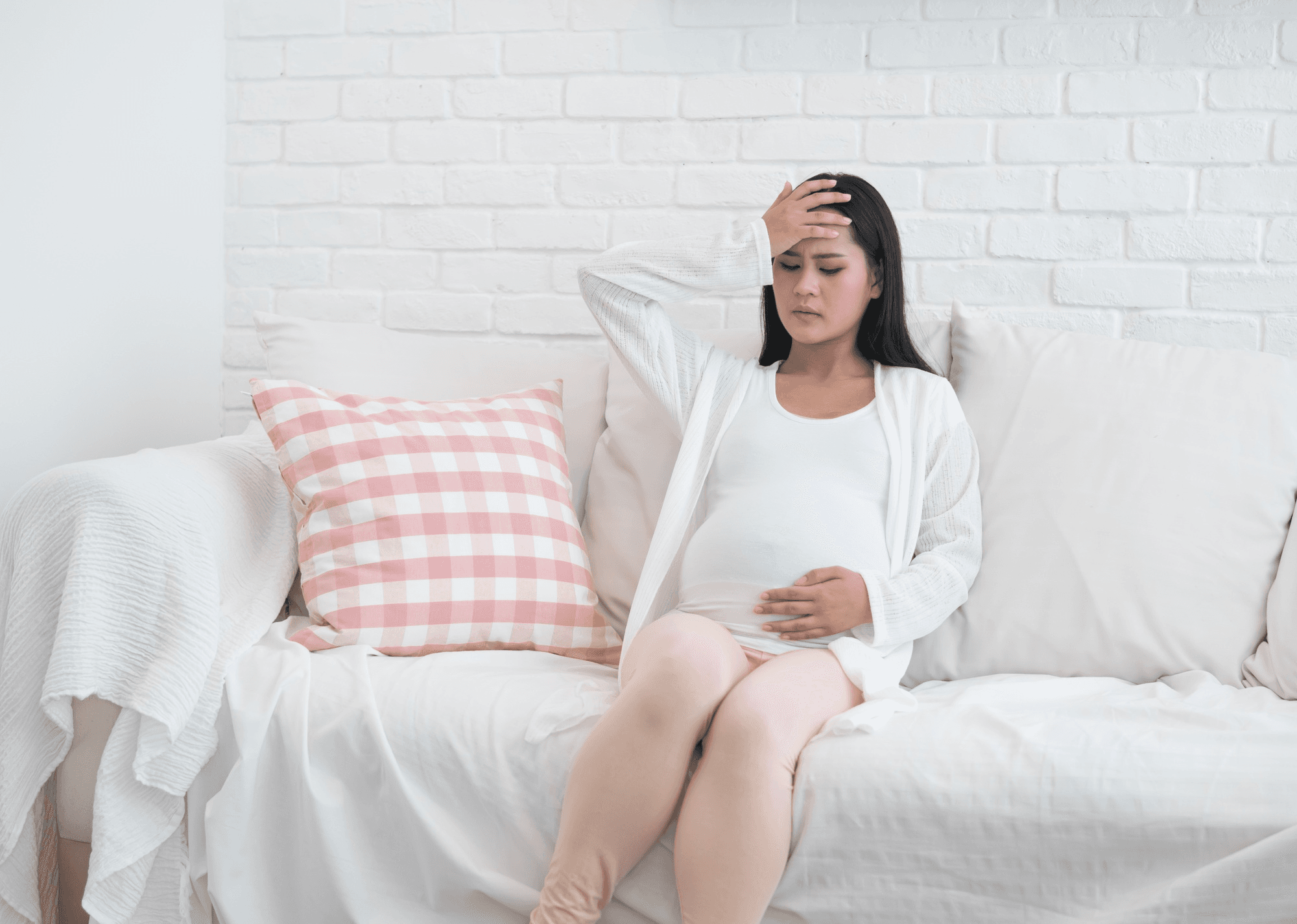
Sad woman sitting on the floor, struggling with emotional distress and mental health challenges.
Postpartum depression (PPD) is one of the most common and most undertreated complications of childbirth globally — and in India, where the stigma around mental health remains significant and new mothers are expected to be radiantly happy, it is drastically underdiagnosed.
Estimates suggest PPD affects approximately 10 to 20% of Indian women within the first year after delivery. The majority do not receive any treatment.
Dr. Shachi Singh, consultant obstetrician at Prakash Hospital, Sector 33, Noida, explains postpartum depression in terms that help women and their families recognise it and act.
Baby Blues vs Postpartum Depression: The Crucial Distinction
Baby blues: Affecting up to 70 to 80% of new mothers, typically starting on Days 2 to 5 after delivery (coinciding with the milk coming in and the dramatic hormonal drop after placental delivery). Characterised by tearfulness, mood swings, irritability, anxiety, and emotional fragility. Self-limiting — resolves within 10 to 14 days without treatment.
Postpartum depression: More persistent, more severe, and does not resolve without support or treatment. Begins most commonly within 4 to 6 weeks of delivery but can start at any point in the first year.
The key difference: Baby blues are transient, mild, and self-resolving. PPD persists, intensifies, and significantly impairs the mother's ability to function and care for her baby.
Recognizing Postpartum Depression
PPD is often missed because its symptoms — exhaustion, disrupted sleep, emotional sensitivity — overlap with what is considered "normal" for a new mother. The distinguishing features:
Persistent low mood: Feeling hopeless, empty, or deeply sad most of the time — not just when the baby is difficult.
Loss of pleasure: Nothing feels enjoyable — not interactions with the baby, not time with a partner or friends, not activities that used to bring happiness.
Exhaustion disproportionate to sleep: PPD fatigue is different from new-parent tiredness — it is a bone-deep heaviness that does not improve with rest.
Inability to bond with the baby: Feeling detached from the baby, not feeling love when expected to, going through the motions of care without emotional connection. This is one of the most distressing and least discussed symptoms — mothers feel enormous shame about it and rarely disclose it.
Intrusive thoughts: Recurrent, unwanted, frightening thoughts about the baby being harmed — either by someone else or, in the woman's most distressing fear, by herself. These are ego-dystonic thoughts (the mother does not want to act on them and is horrified by them) and are a feature of anxiety-dominated PPD, not evidence of intent. They deserve clinical evaluation.
Anxiety and panic attacks: PPD frequently presents predominantly as anxiety rather than sadness — constant worry about the baby's health, inability to leave the baby, palpitations, and panic attacks.
Difficulty concentrating and making decisions.
Appetite changes — significant overeating or undereating.
In Indian context: Sleep deprivation from night feeds is amplified by the family expectation to manage other household responsibilities. The expectation to be grateful, happy, and managing alone — without disclosing struggle — is a cultural barrier to recognition and help-seeking. Mothers who disclose PPD may be told they are being weak, selfish, or not appreciating the baby.
Risk Factors
- Previous depression or anxiety
- Difficult or traumatic delivery
- Unplanned pregnancy
- Lack of partner or family support
- Relationship problems
- Financial stress
- History of premenstrual dysphoric disorder (PMDD)
- Thyroid dysfunction postpartum (postpartum thyroiditis — which can mimic or worsen PPD)
Postpartum Psychosis: A Medical Emergency
Postpartum psychosis — a rare but severe psychiatric emergency affecting 1 to 2 in 1,000 women, typically within the first week after delivery — involves hallucinations, delusions, severe agitation, confusion, and disorganised behaviour. It requires immediate psychiatric hospitalisation. If a family member displays these features, seek emergency medical care immediately.
Treatment
PPD is treatable — the majority of women recover fully with appropriate treatment:
Psychological therapies: Cognitive behavioural therapy (CBT) and interpersonal therapy (IPT) are evidence-based treatments for PPD. Both are effective as standalone treatments for mild to moderate PPD.
Antidepressants: For moderate to severe PPD, antidepressants (typically SSRIs — sertraline or escitalopram are preferred for breastfeeding mothers, with the lowest transfer to breast milk) are effective and generally safe during breastfeeding. Benefits of treatment substantially outweigh the very small exposure for the baby.
Support and practical help: Practical support — someone else to manage the household, shared night feeds, financial support if a stressor — can significantly improve PPD symptoms. "Mother the mother" is a principle relevant in the Indian family context.
Thyroid check: TSH and thyroid antibodies should be checked in all women with PPD — postpartum thyroiditis (affecting approximately 5 to 7% of women) can present with hypothyroid depression that responds to thyroid treatment rather than antidepressants.
Obstetric and Postnatal Care in Noida and Greater Noida
Dr. Shachi Singh at Prakash Hospital, Sector 33, Noida, screens for postpartum depression at postnatal visits and coordinates appropriate support and treatment for women across Noida and Greater Noida.
To book a consultation with Dr. Shachi Singh, call: +91 97023 46853
Clinic Hours: Monday to Saturday, 9 AM – 6 PM | Sunday, 10 AM – 2 PM
Clinic Address: D-12A, 12B, Sector-33, G.B. Nagar, Noida, Uttar Pradesh 201301
This blog is written for educational and informational purposes only. If you or a family member is experiencing symptoms of postpartum depression, please seek medical help promptly. If you are experiencing a mental health crisis, please go to the nearest emergency department.